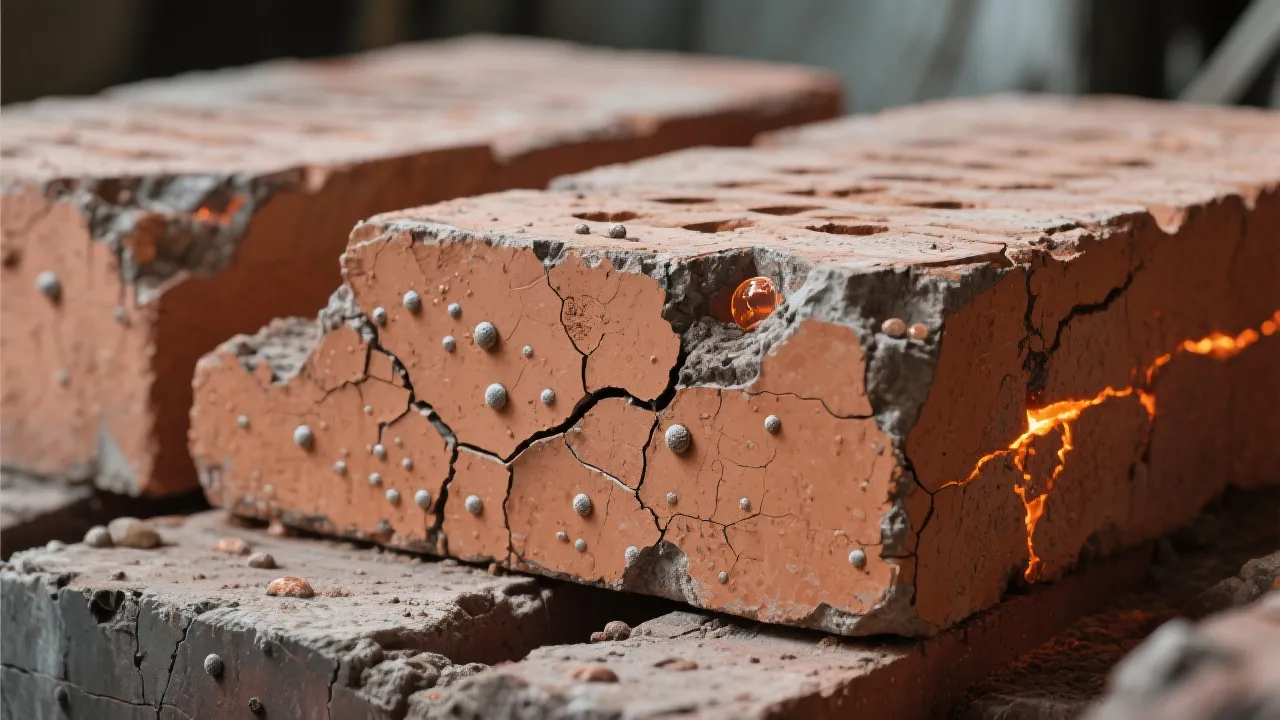
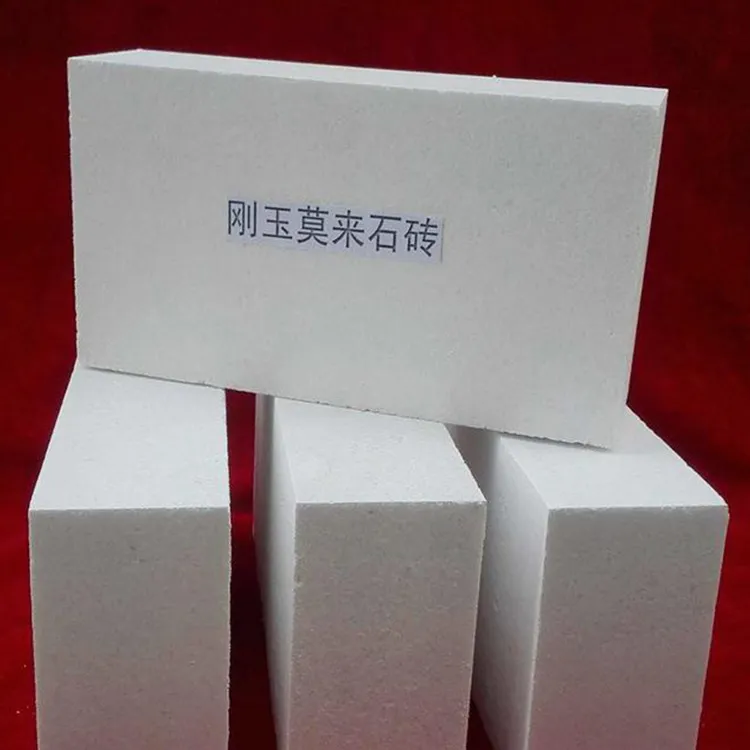
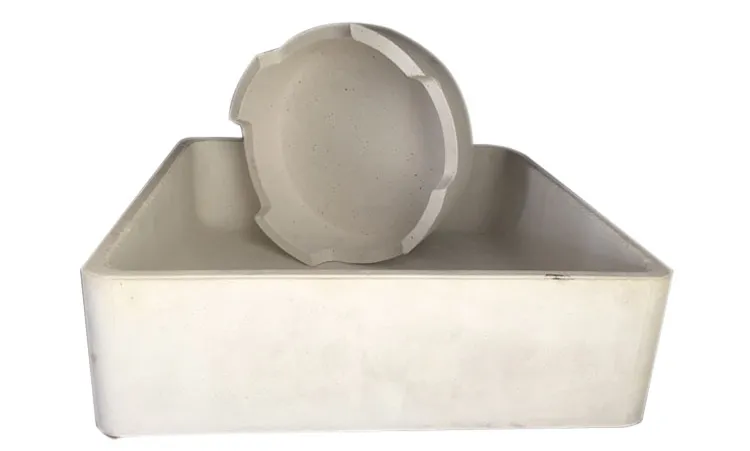
Chemical processing industries operating at extremely high temperatures continuously seek reliable refractory materials to protect their equipment and reduce downtime. In a recent case from a Southeast Asian chemical plant, conventional magnesia-chrome bricks supplied by Zhengzhou Tianyang Refractory Materials Co., Ltd. demonstrated outstanding durability with over 3 years of nearly damage-free operation in a demanding high-temperature reactor environment. This article thoroughly explores the technical properties that facilitate such long service life and presents insights into how these bricks outperform traditional magnesia bricks in thermal shock resistance, slag corrosion, and overall structural stability.
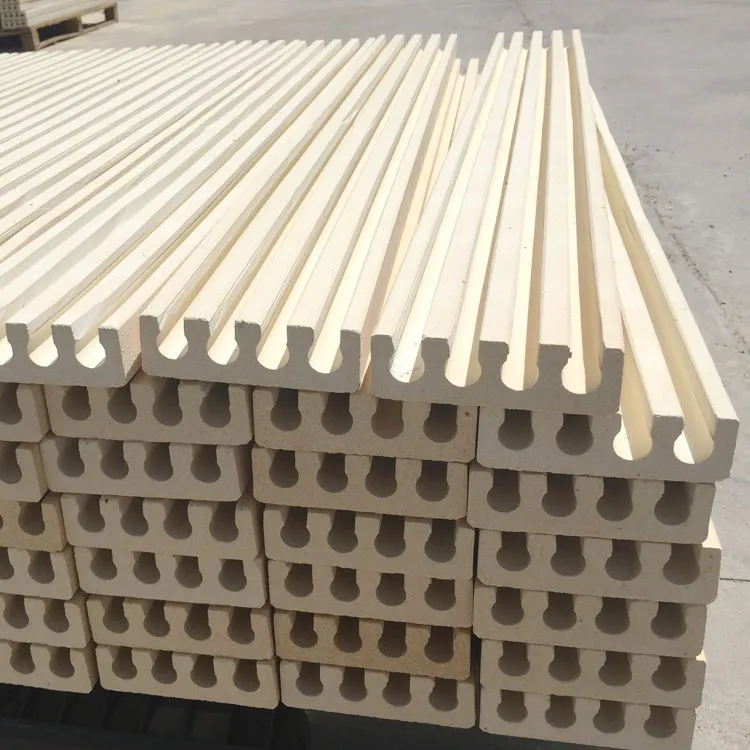
The ordinary magnesia-chrome bricks evaluated in this case are manufactured through an optimized sintering process involving high-purity magnesia, chromium ore, and silicate binders. This combination results in a dense microstructure that retains strength at temperatures exceeding 1600°C. The formation of a robust crystalline lattice enhances resistance against chemical attack from corrosive slags typically found in high-temperature reactors. Moreover, the silicate-based binding provides excellent thermal shock stability, enabling these bricks to withstand rapid temperature fluctuations without cracking.
Standard magnesia bricks, while commonly used, often exhibit lower resistance to slag infiltration and thermal shock damage during prolonged reactor operation. The ordinary magnesia-chrome bricks from Zhengzhou Tianyang deliver key advantages including:
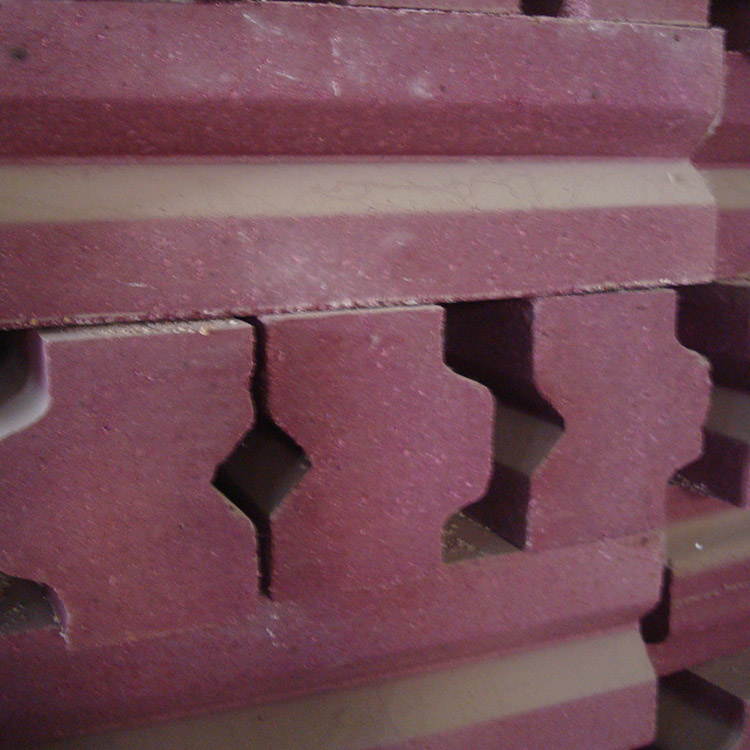
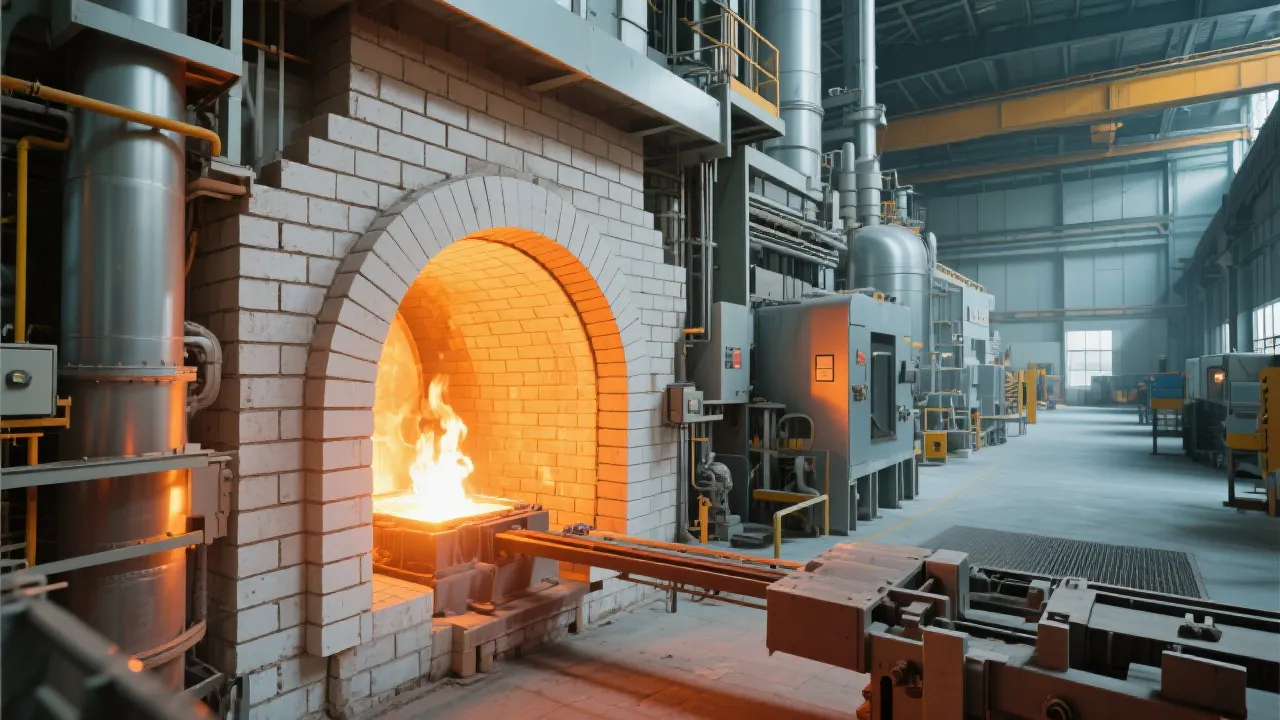
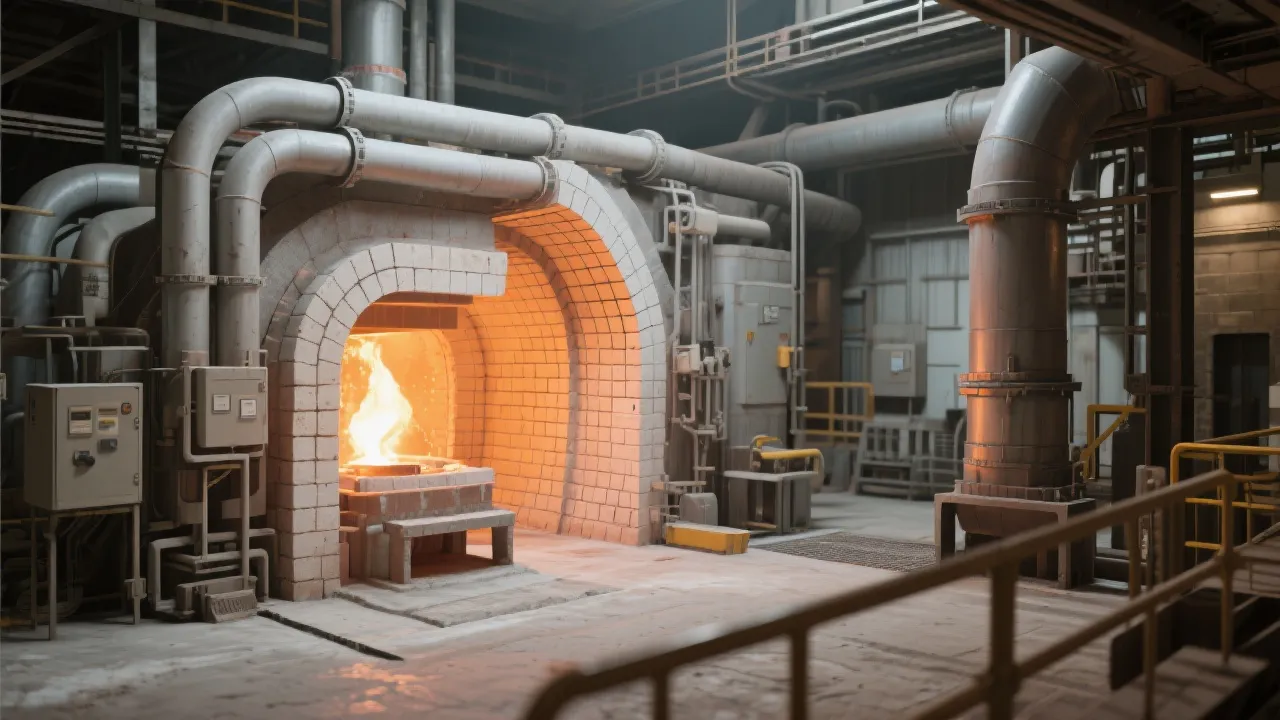
The Southeast Asian chemical plant utilized over 15 tons of these magnesia-chrome bricks for lining several high-temperature reactors operating continuously for over 36 months. Notably, periodic inspections revealed minimal surface wear and no significant structural cracking. The running data recorded temperature fluctuations between 1400°C and 1650°C along with frequent thermal cycling — conditions under which traditional magnesia bricks usually demand major repairs within 18 to 24 months.
“Since switching to Tianyang’s magnesia-chrome bricks, our maintenance intervals have doubled, reducing downtime and lowering operational costs significantly,” confirms the plant’s Maintenance Manager.
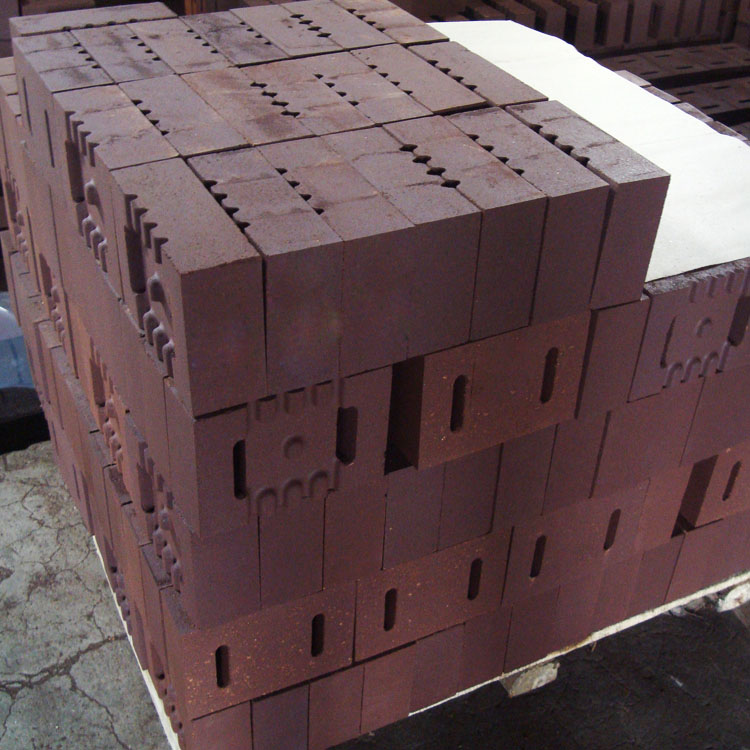
Beyond Southeast Asia, this product has gained strong recognition in related markets such as Southern Europe and the Middle East, where high-performance refractory materials are critical for petrochemical and industrial chemical sectors. Export data over the past two years indicate a 35% annual growth in demand, driven by the bricks’ proven capability to reduce unplanned outages and extend equipment lifespan.
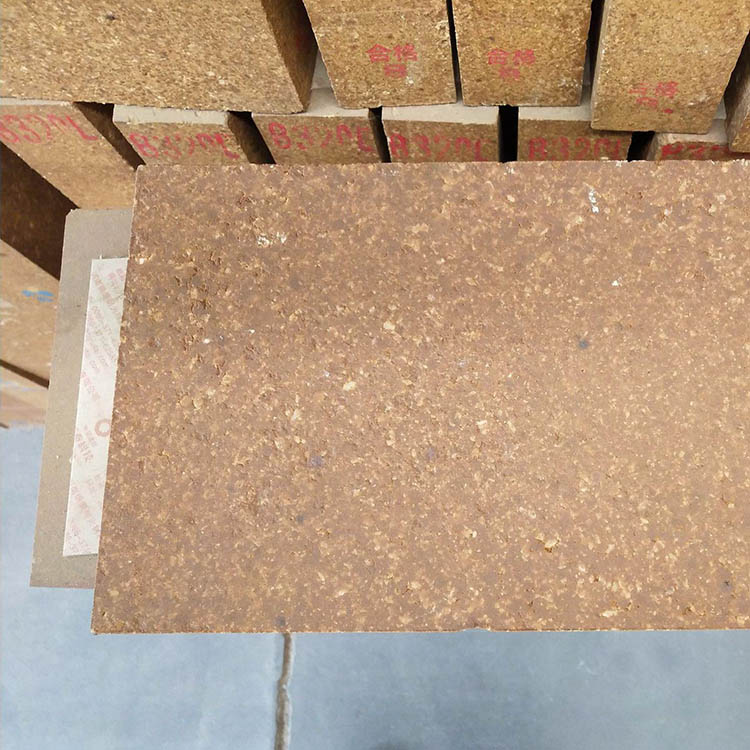
Zhengzhou Tianyang’s integrated trade-and-industry model ensures consistent quality control from raw materials sourcing to final dispatch. Their robust supply chain reduces lead times and guarantees on-time delivery—a critical factor for minimizing reactor downtime. Additionally, the company offers customized technical consultation and after-sales service, including on-site installation guidance and performance monitoring, thereby solidifying trust and partnership with global customers.






.jpg?x-oss-process=image/resize,h_1000,m_lfit/format,webp)