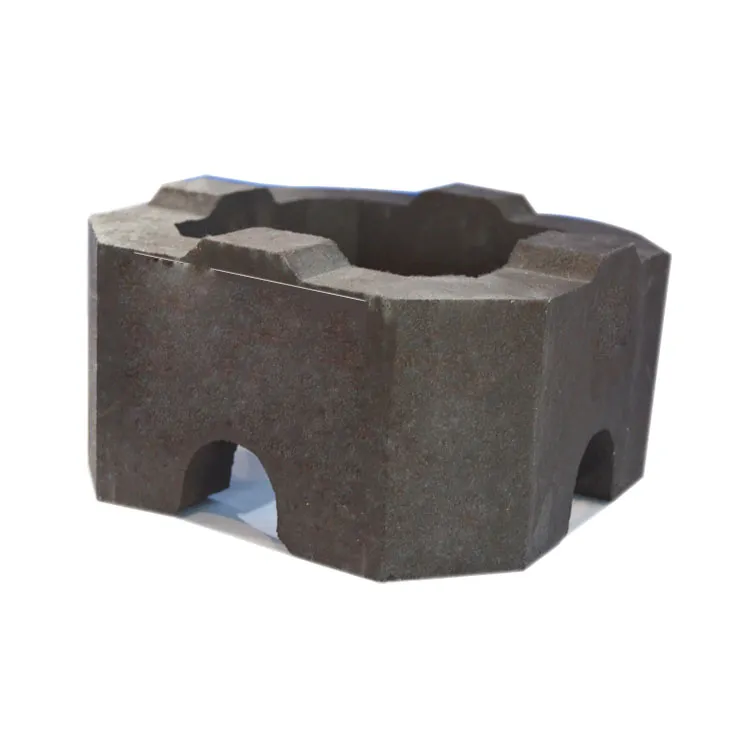
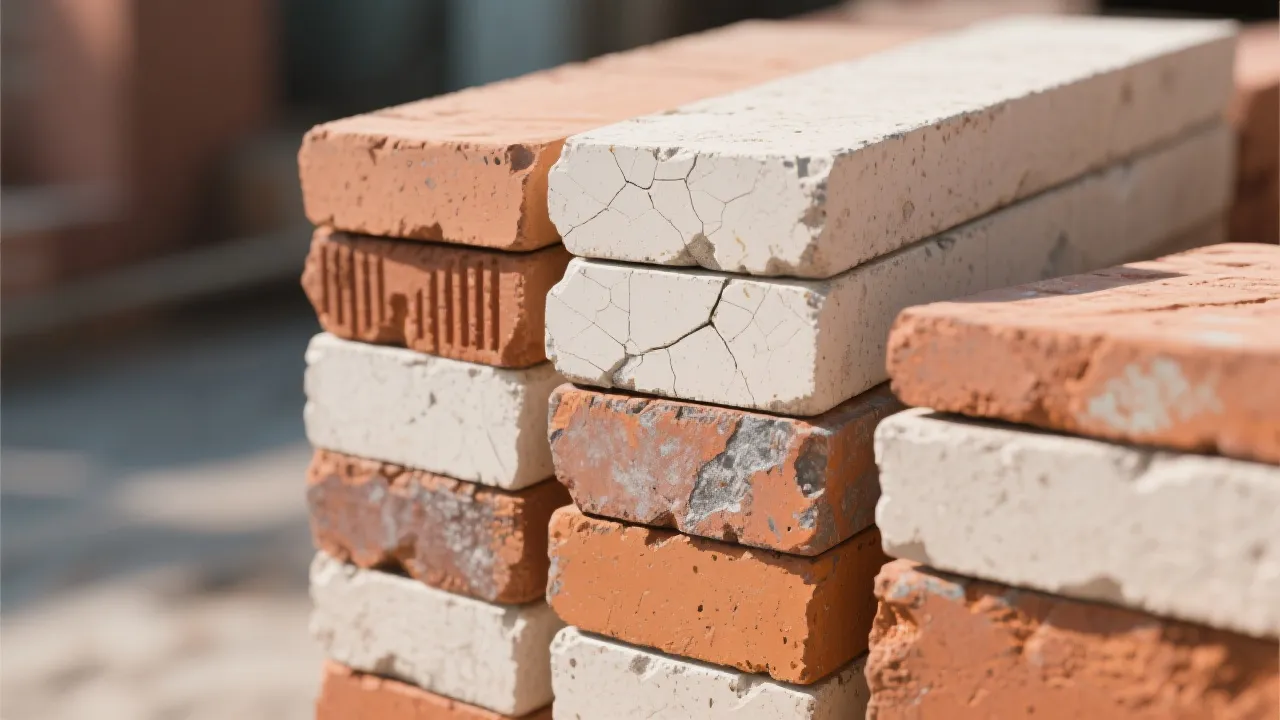
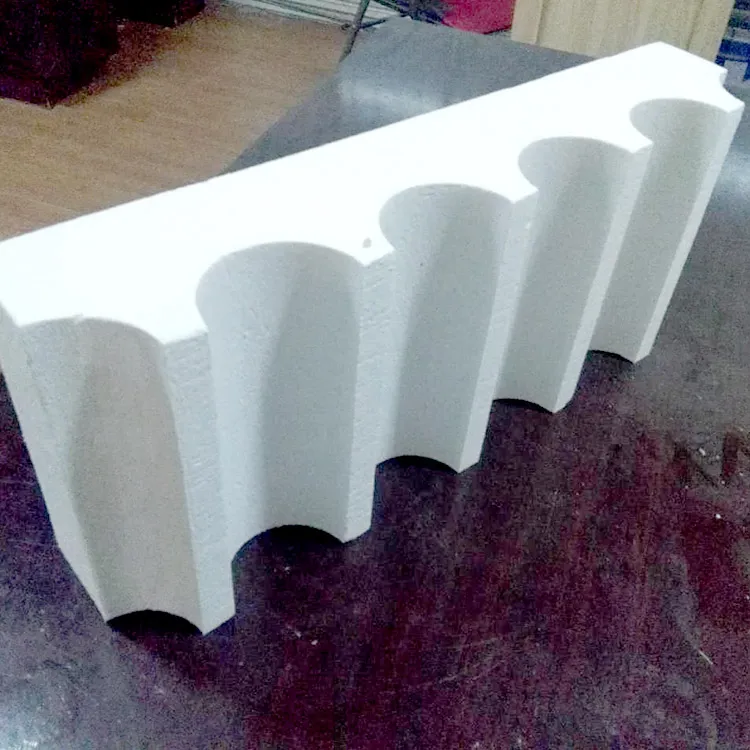
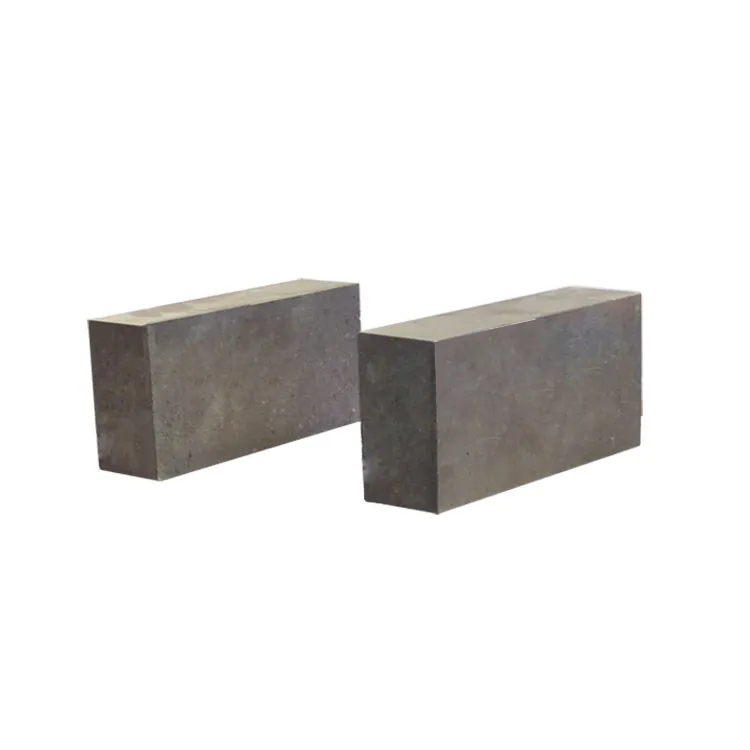
In the realm of high-temperature industrial applications, the performance of blast furnace hot stoves directly impacts operational efficiency and safety. Among the critical components, silica bricks stand as the backbone, requiring exceptional dimensional precision and thermal stability. This comprehensive guide explores the sophisticated manufacturing process behind Sunrise's blast furnace hot stove silica bricks, with a particular focus on achieving the remarkable aperture deviation control of ±1mm and surface crack limitation to ≤0.5mm.
The manufacturing journey begins with rigorous raw material selection, where the quality of silica sources directly influences the final product performance. Sunrise employs a multi-stage screening process to identify optimal silica materials, with particular emphasis on the utilization of flake quartz, which contributes significantly to the brick's structural integrity.
Our material scientists analyze key parameters including silica content (minimum 96%), thermal expansion coefficient (typically 0.5-0.7% at 1000°C), and impurity levels (Fe₂O₃ ≤0.3%, Al₂O₃ ≤1.0%). This meticulous selection ensures the raw materials possess the necessary characteristics to withstand extreme thermal cycling and chemical corrosion in blast furnace environments.
The formulation of silica brick mixtures represents a sophisticated balance of science and engineering. Sunrise's proprietary配方 (formulation) is developed to optimize not only thermal conductivity but also resistance to alkali gas corrosion—a critical factor in blast furnace operations where potassium and sodium vapors can significantly degrade refractory materials.
"Our formulation approach has resulted in a 37% improvement in alkali resistance compared to industry standards, as validated through 500+ thermal cycles in simulated blast furnace conditions." — Dr. Wei Zhang, Chief Material Scientist at Sunrise
Key components in the optimized mixture include carefully graded silica aggregates, ceramic binders, and performance-enhancing additives that promote uniform sintering and minimize thermal stress development during service.
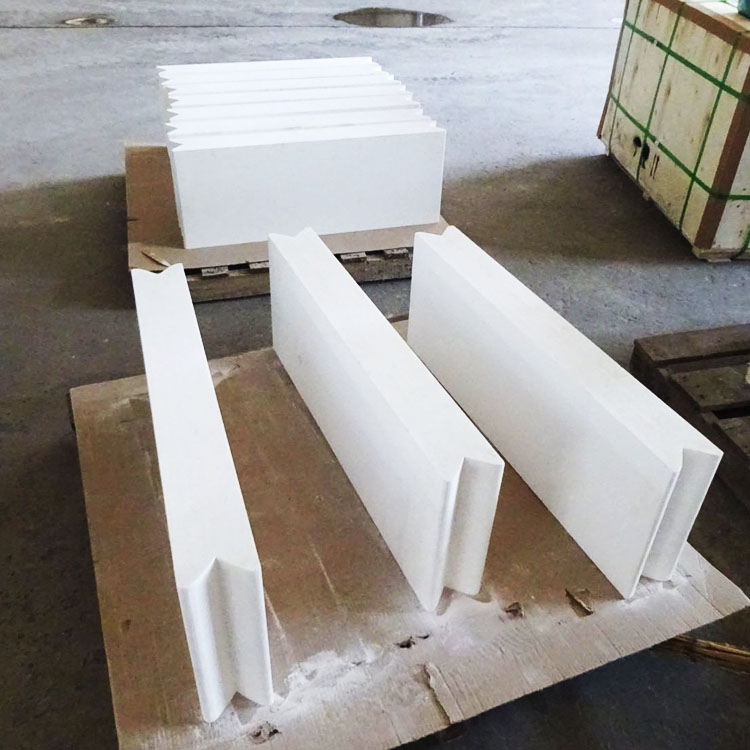
The transition from raw materials to finished product involves two critical stages: molding and sintering. Sunrise employs advanced hydraulic pressing technology with computer-controlled pressure profiling to ensure uniform density distribution across each brick.
During sintering, our state-of-the-art tunnel kilns maintain precise temperature gradients, typically ranging from 1380°C to 1450°C, with heating and cooling rates carefully controlled to minimize thermal shock. This precision processing directly contributes to the exceptional dimensional stability of our silica bricks, with aperture dimensions consistently held within the ±1mm tolerance range.
Achieving the critical aperture deviation of ±1mm requires a combination of advanced tooling, real-time monitoring, and process optimization. Sunrise has developed a proprietary laser measurement system that inspects each brick's critical dimensions immediately after molding, allowing for in-process adjustments before sintering.
Statistical process control (SPC) is implemented throughout production, with control charts tracking aperture dimensions across production runs. This data-driven approach has resulted in a process capability index (CpK) of 1.67 for aperture control—well above the industry standard of 1.33—ensuring consistent quality.
.jpg)
Controlling surface cracks to ≤0.5mm involves careful management of thermal stresses during both manufacturing and cooling processes. Sunrise's approach includes optimized binder burnout schedules and controlled cooling rates that allow for gradual stress relief.
Post-sintering, each brick undergoes automated ultrasonic testing and visual inspection using high-resolution imaging systems. This comprehensive quality control protocol ensures that any surface imperfections exceeding the 0.5mm threshold are identified and addressed before shipment.
Beyond dimensional precision, thermal conductivity optimization plays a crucial role in maximizing hot stove efficiency. Sunrise's silica bricks are engineered to provide an optimal balance between insulation properties and heat transfer capabilities, typically achieving thermal conductivity values of 1.2-1.5 W/(m·K) at operating temperatures.
Heat Storage Capacity: 850-950 kJ/kg (measured between 20°C and 1000°C)
Thermal Shock Resistance: >30 cycles (1100°C to water quench)
Compressive Strength: >60 MPa at room temperature
Service Life Expectancy: 5-7 years in typical blast furnace operations
This thermal optimization translates directly to improved hot stove performance, with customers reporting up to 8% reduction in fuel consumption and 12% increase in heat recovery efficiency after upgrading to Sunrise silica bricks.
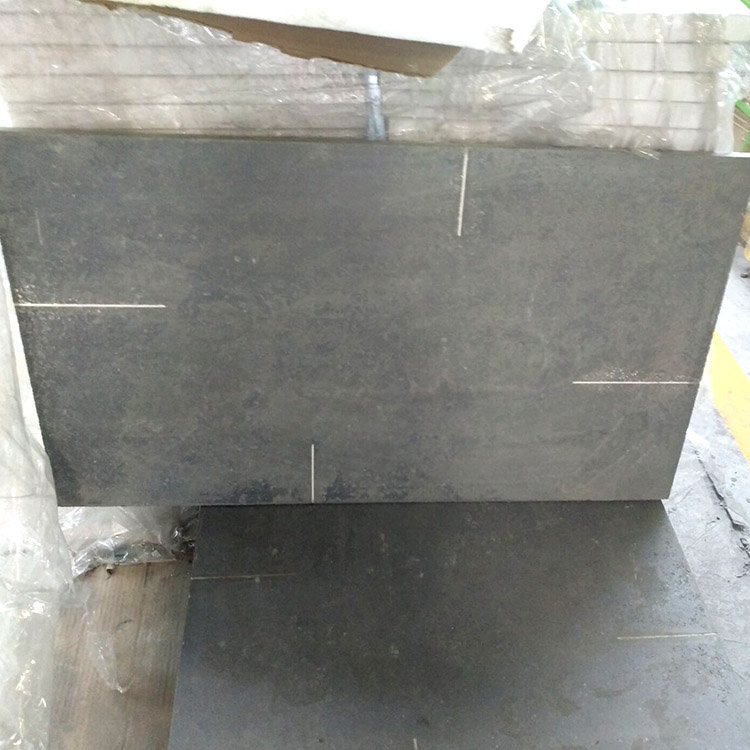
Sunrise's commitment to quality extends beyond individual processes to encompass a comprehensive quality management system (QMS) certified to ISO 9001:2015 standards. Our approach includes:
This systematic approach ensures that every silica brick leaving our facility meets the exacting standards required for modern blast furnace operations, providing our customers with the reliability and performance they need to maintain competitive advantage.
Discover how Sunrise's precision-engineered silica bricks can enhance your hot stove efficiency, reduce maintenance costs, and extend service life. Our team of technical experts is available to provide personalized solutions tailored to your specific operational requirements.
Request Technical Consultation & Sample TestingIn an industry where operational efficiency and equipment reliability directly impact bottom-line performance, the precision manufacturing of blast furnace hot stove silica bricks cannot be overstated. By controlling aperture deviation to within ±1mm and surface cracks to ≤0.5mm, Sunrise has set a new standard for refractory performance—one that translates directly to improved energy efficiency, reduced downtime, and enhanced safety for steel producers worldwide.