In the steel manufacturing industry, where energy costs account for up to 25% of total production expenses, optimizing blast furnace hot stove performance has become a strategic priority for mills worldwide. Recent studies indicate that high-quality silica bricks can improve hot stove thermal efficiency by 8-12%, directly translating to annual energy savings of $300,000-$800,000 for a typical medium-sized blast furnace operation.
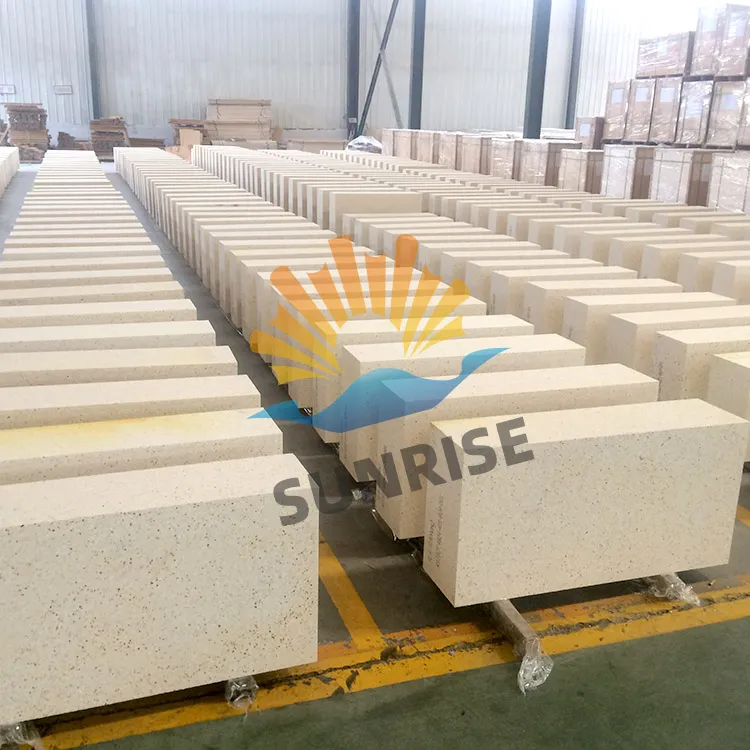
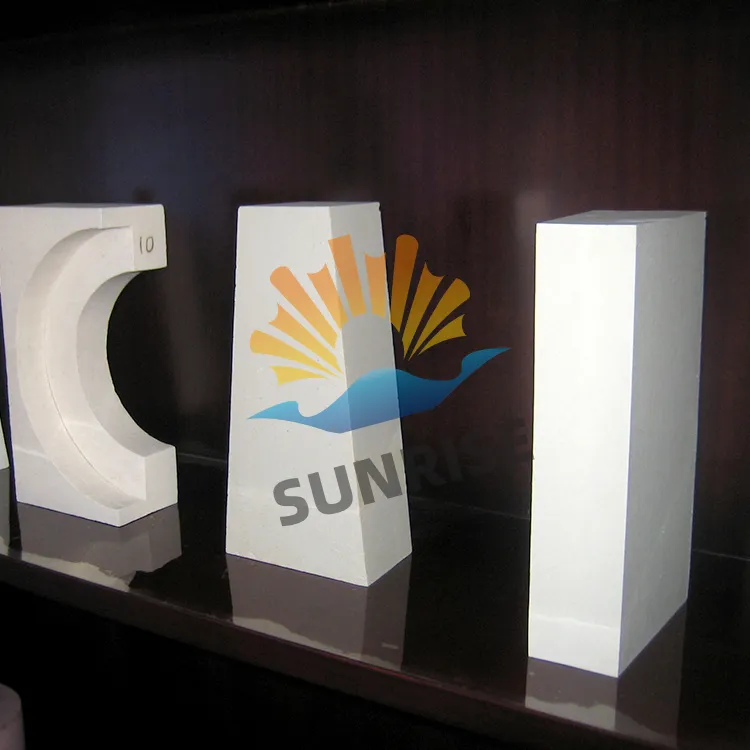
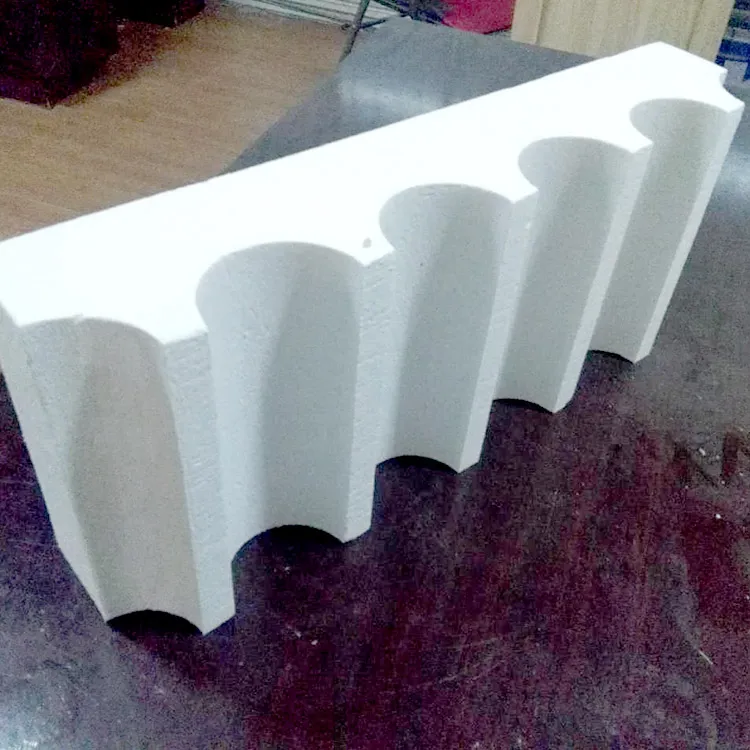
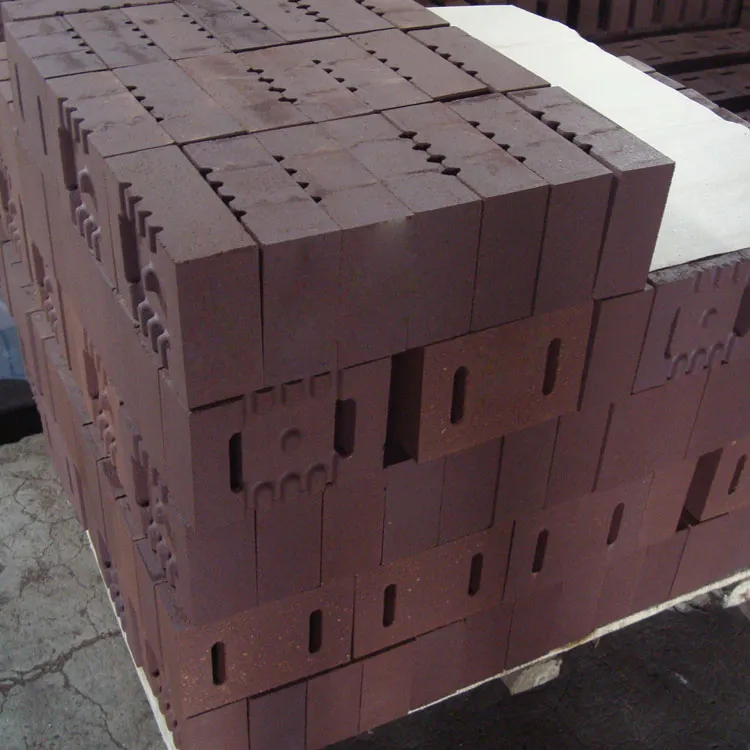
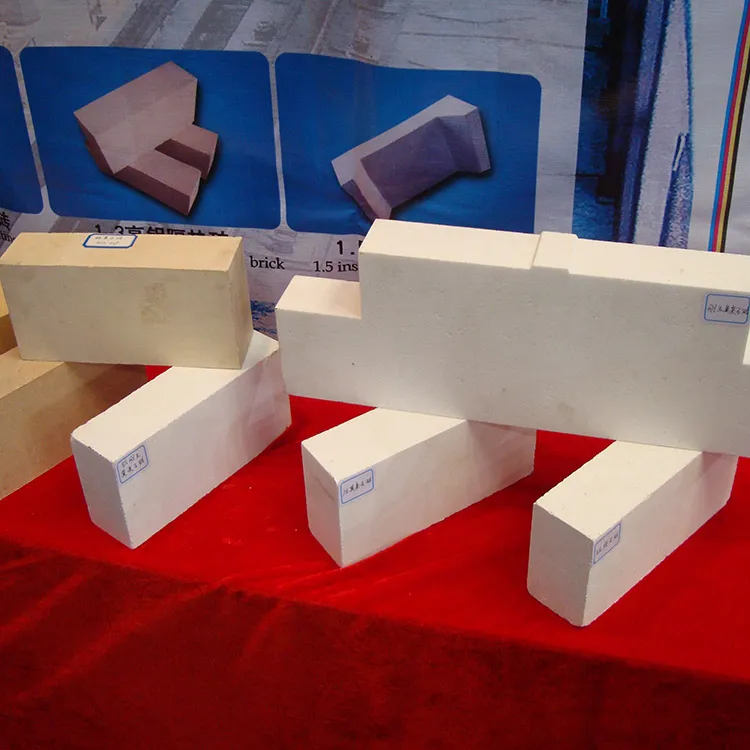
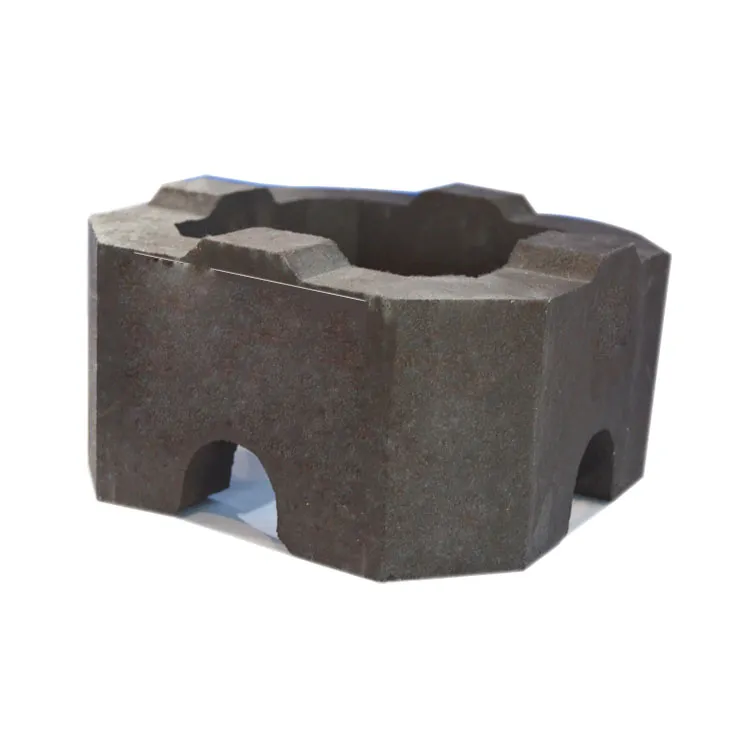
Silica bricks, composed primarily of鳞石英硅砖 (tridymite silica) with a SiO₂ content exceeding 94%, offer exceptional thermal stability at temperatures up to 1700°C. Their unique crystalline structure provides low thermal conductivity (1.2-1.5 W/m·K at operating temperatures) combined with high refractoriness under load, making them ideal for hot stove crowns, checkerworks, and combustion chambers.
Technical Insight:
The thermal shock resistance of Sunrise silica bricks reduces crack formation by 40% compared to conventional fireclay bricks, significantly extending service life in cyclic heating environments.
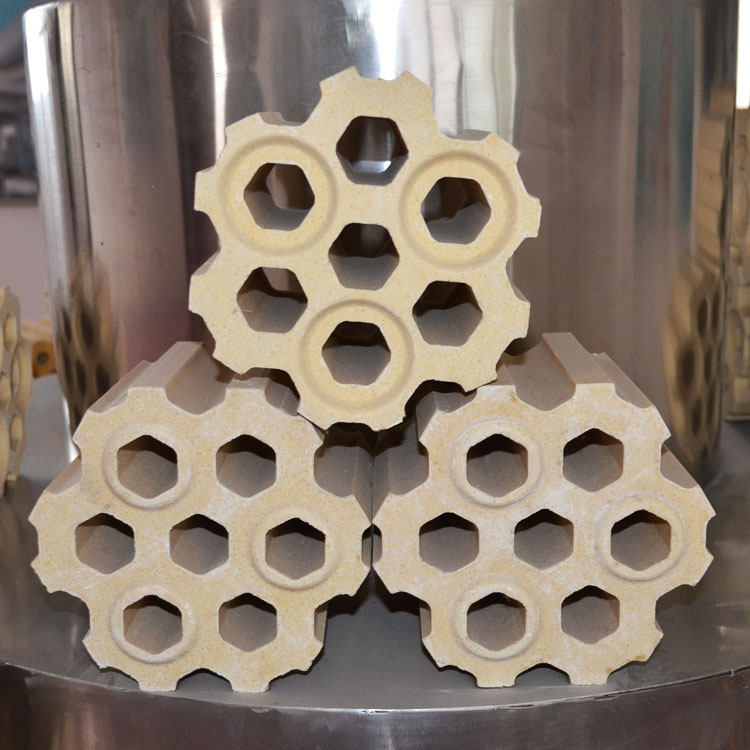
Proper installation is critical to leveraging the full potential of silica brick technology. The following key procedures ensure optimal performance and longevity:
During installation, temperature control is paramount. A controlled heating rate of 50-80°C per hour during initial heat-up prevents thermal shock, which remains the leading cause of premature brick failure in 67% of hot stove maintenance issues.
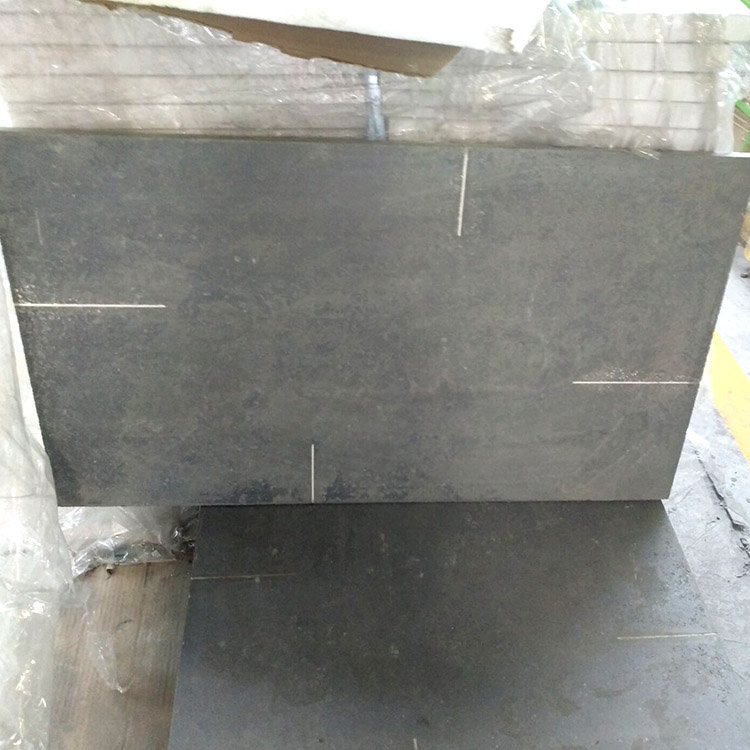
A well-implemented maintenance program can extend silica brick service life from an industry average of 5-7 years to 8-10 years. The following practices form the foundation of effective maintenance:
| Maintenance Task | Frequency | Key Inspection Points |
|---|---|---|
| Visual Crack Inspection | Monthly | Joint integrity, surface spalling, crack propagation |
| Thermal Mapping | Quarterly | Temperature differentials >100°C indicate issues |
| Refractory Thickness Measurement | Semi-annually | Erosion rates exceeding 3mm/year require action |
Early detection of potential issues is crucial. Advanced infrared thermography can identify hotspots indicating internal brick damage up to 6 months before visible external signs appear, allowing for planned maintenance rather than emergency repairs that typically cost 3-4 times more.
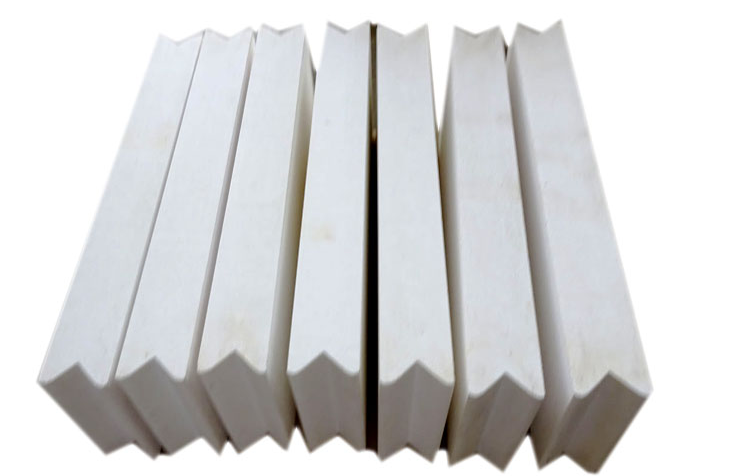
A leading steel producer in Northern China recently upgraded their blast furnace hot stoves with Sunrise silica bricks, implementing the installation and maintenance protocols outlined above. The results, measured over 12 months, demonstrated:
The plant manager noted, "The precision of Sunrise silica brick installation combined with their technical support team's guidance has transformed our maintenance approach from reactive to proactive, delivering significant operational and financial benefits."
Download our comprehensive "Hot Stove Efficiency Optimization Guide" featuring:
Note: Proper selection and application of silica bricks should be conducted in consultation with refractory engineering specialists. Sunrise provides technical support throughout the entire lifecycle, from material selection to installation supervision and maintenance planning.