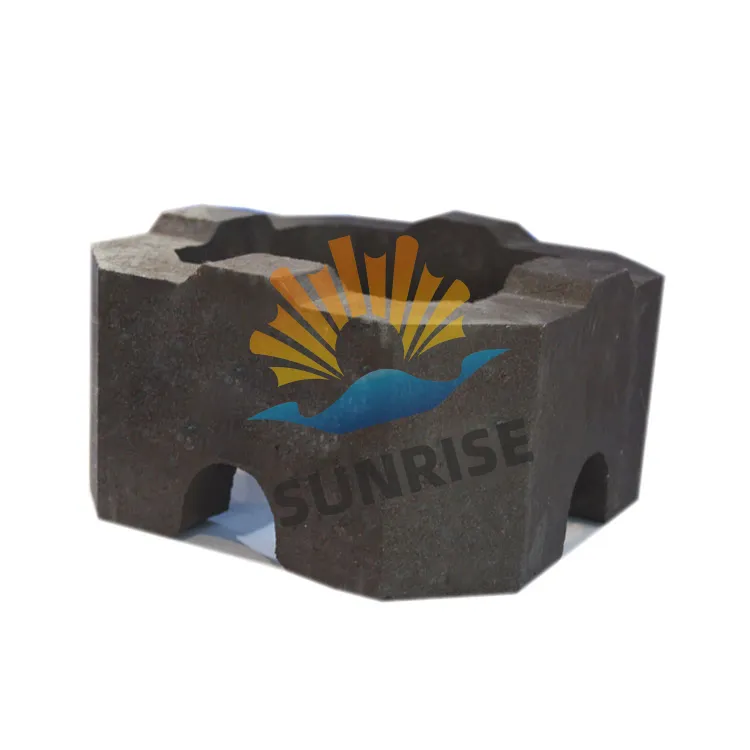
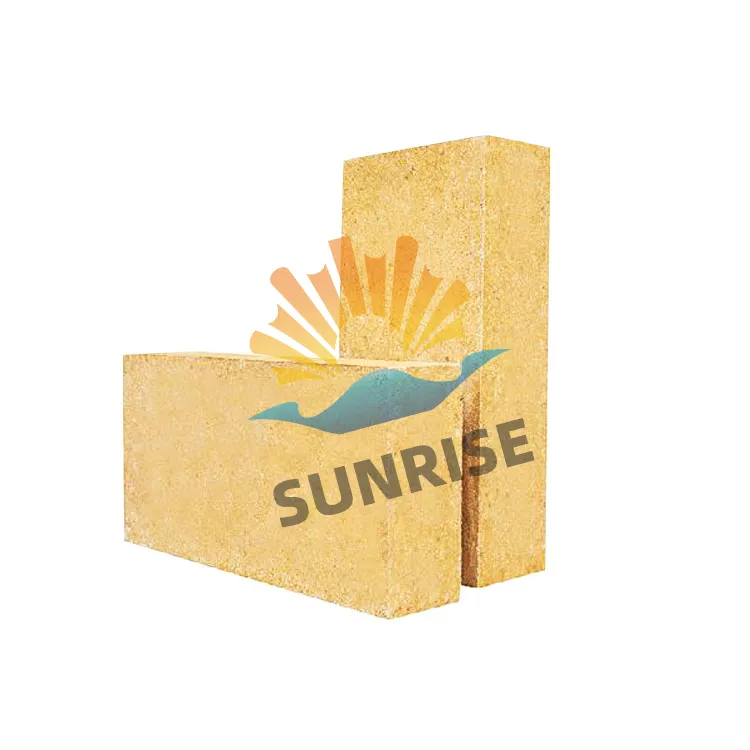
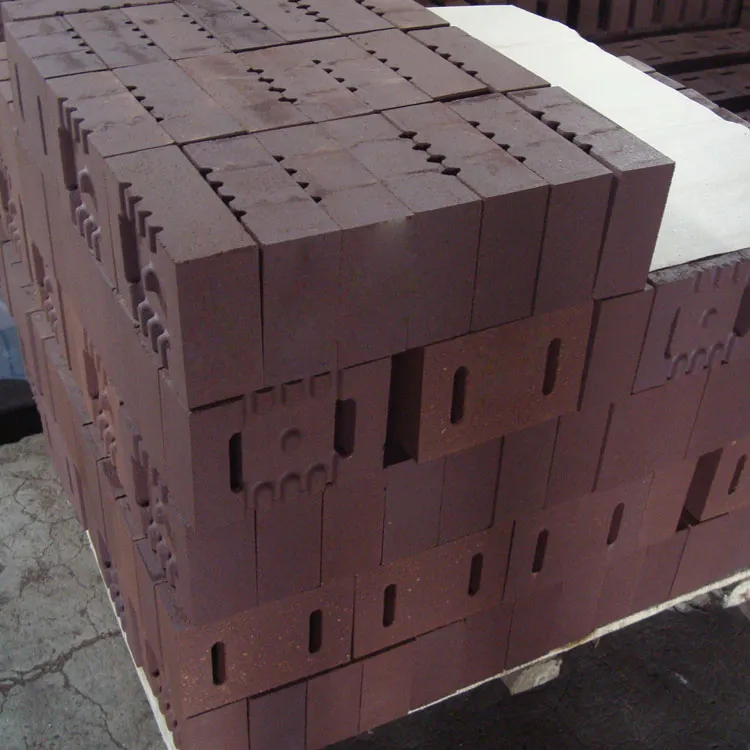
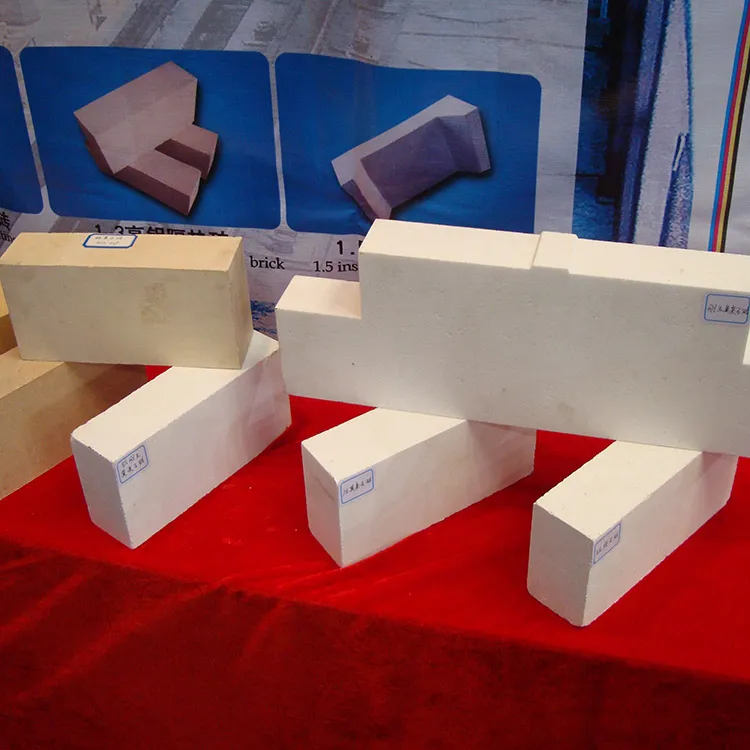
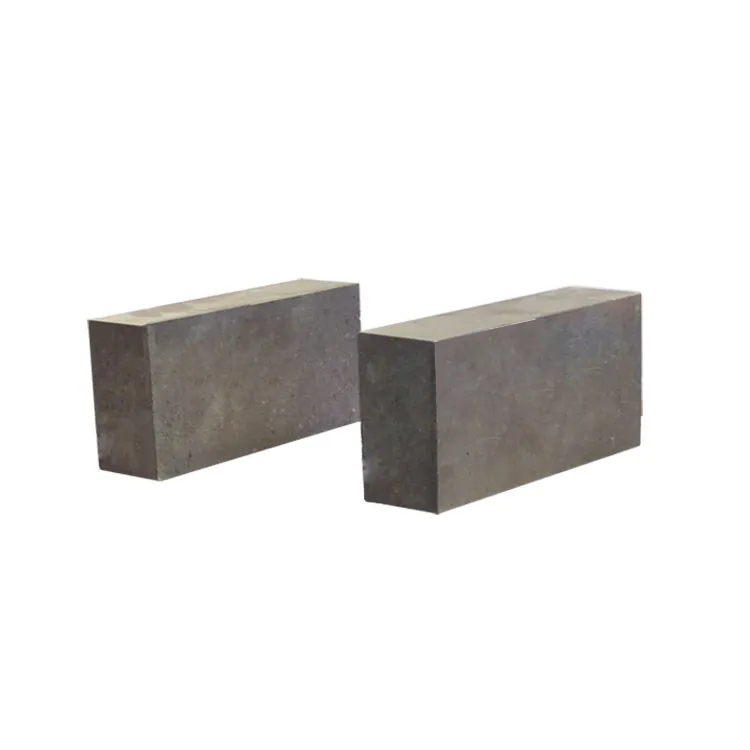
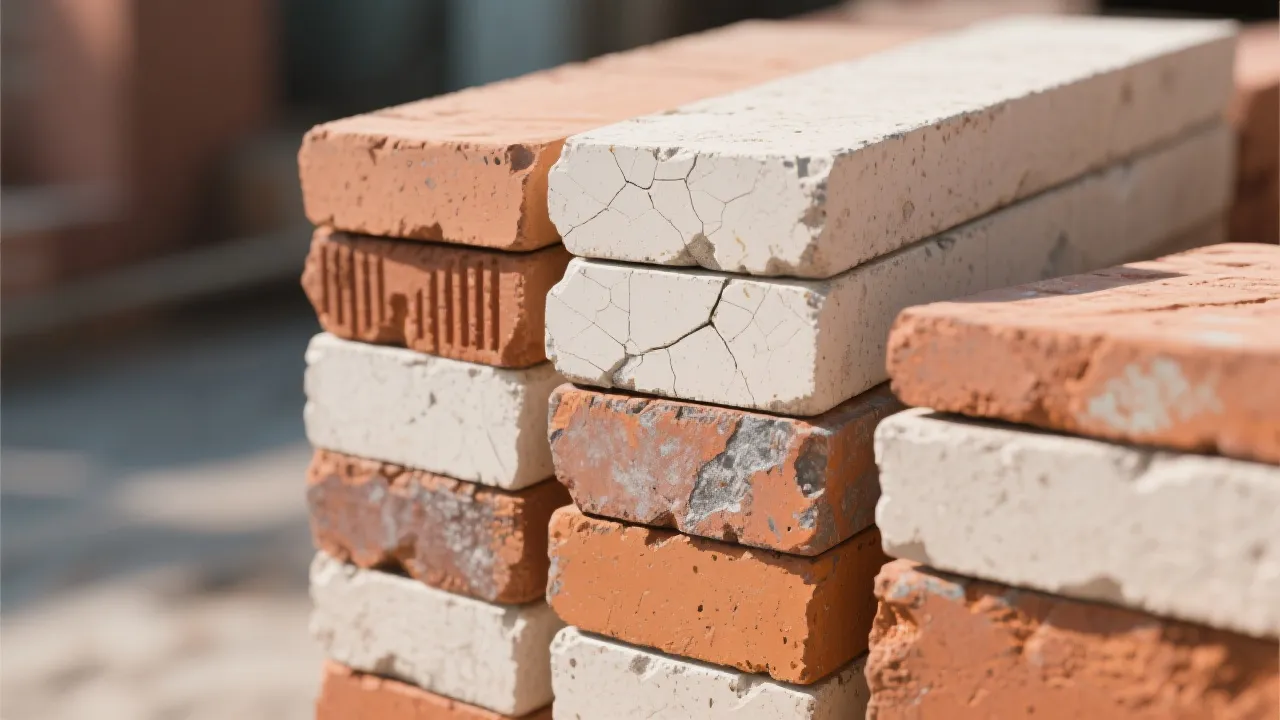
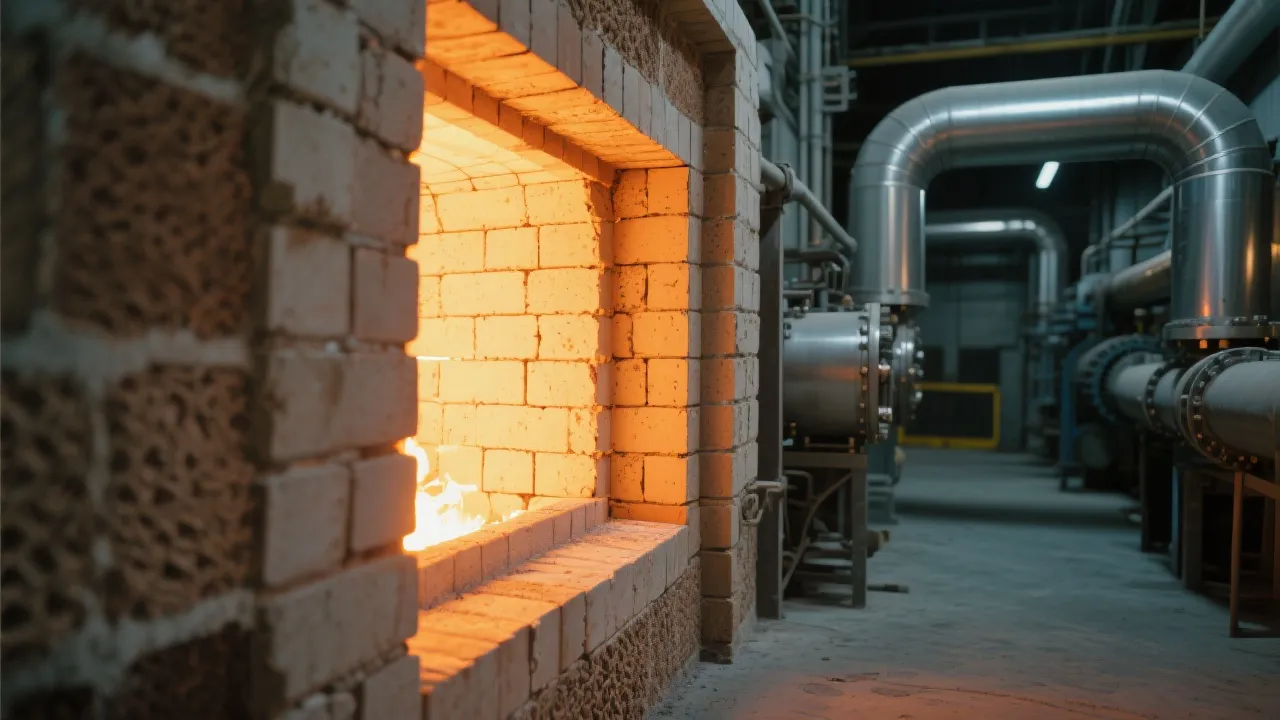
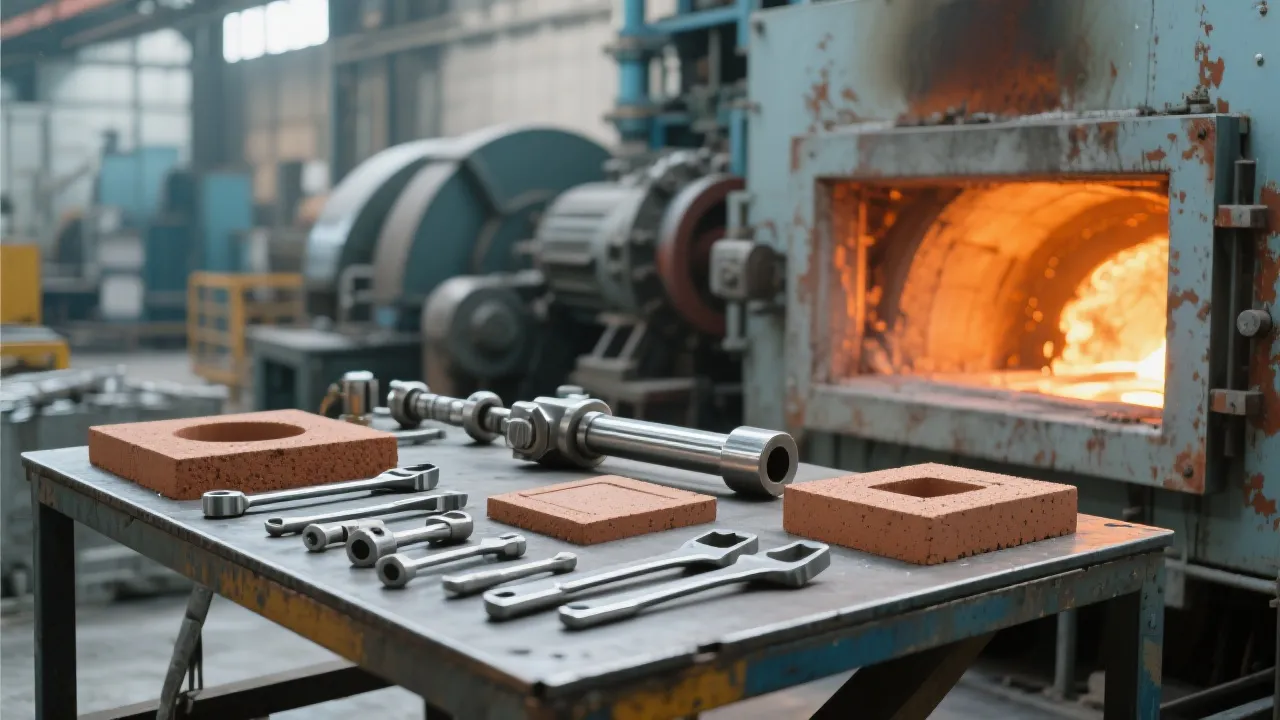
In the steelmaking industry, where temperatures soar to extreme levels and operational efficiency directly impacts profitability, the performance of refractory materials becomes a critical factor. Among these, silica bricks for blast furnace hot stoves stand as unsung heroes, playing a pivotal role in maintaining optimal thermal conditions. This article delves into the sophisticated manufacturing processes and quality control measures that define high-performance silica bricks, with a focus on how precision engineering translates to tangible operational benefits.
Blast furnace hot stoves represent the heart of steelmaking facilities, responsible for preheating combustion air to temperatures exceeding 1200°C. This preheating process directly influences fuel efficiency, with every 100°C increase in air temperature reducing coke consumption by approximately 7-8%. Silica bricks, with their exceptional thermal stability and heat storage capacity, form the linings that make this energy-intensive process possible.
"Modern blast furnaces require silica brick linings that can withstand 1500+ thermal cycles without significant degradation. The material's ability to maintain dimensional stability under thermal stress directly impacts stove efficiency and maintenance intervals." — International Refractory Engineering Standards, 2023
Beyond thermal resistance, silica bricks contribute to energy efficiency through their unique thermal conductivity properties. High-quality silica bricks typically exhibit thermal conductivity values ranging from 1.2 to 1.8 W/(m·K) at operating temperatures, optimizing heat transfer while minimizing energy loss.
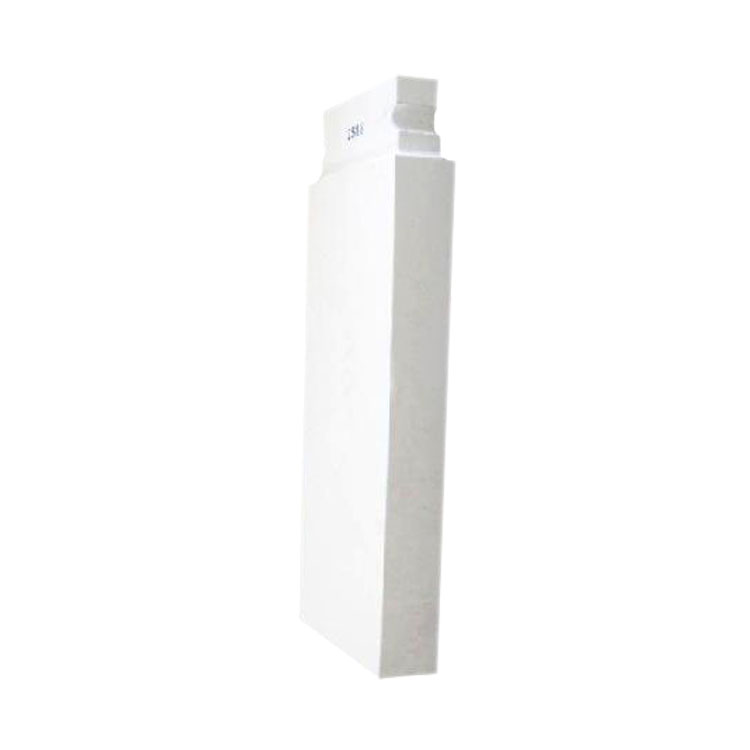
The manufacturing process begins with meticulous raw material selection, where flaky quartz emerges as the preferred choice for premium silica bricks. This particular form of quartz offers distinct advantages over other crystalline structures:
Sunrise's proprietary raw material screening process ensures that only quartz with particle size distribution between 0.1mm and 3mm is selected, with impurity levels strictly controlled below 0.5% for critical elements such as iron oxide and alkalis.
The formulation of silica brick mixtures represents a careful balance of science and experience. Typical compositions include 92-96% quartz, 2-5% fluxes, and 1-3% organic binders. The mixing process employs computer-controlled systems to ensure homogeneity, with mixing times precisely regulated between 12-15 minutes to achieve optimal consistency without over-processing.
Modern hydraulic presses apply pressures ranging from 150 to 200 MPa to the mixture, ensuring proper particle interlock and density. This high-pressure molding process is critical for achieving the dimensional precision required, with tolerances consistently maintained within ±0.5mm for critical dimensions—a standard that exceeds industry requirements.
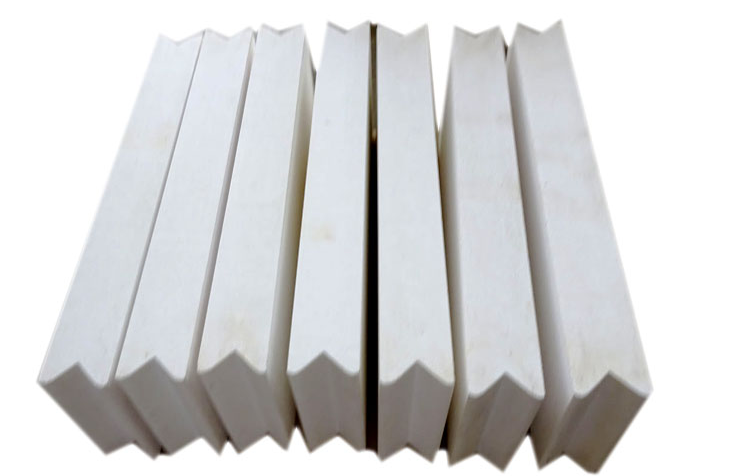
The sintering process represents the most technologically advanced stage of silica brick production. Sunrise employs computer-controlled tunnel kilns with precisely programmed temperature profiles:
This carefully managed process ensures complete conversion of quartz to cristobalite and tridymite, the stable crystalline phases that provide silica bricks with their exceptional high-temperature performance.
Quality control begins at the raw material stage and continues through every manufacturing process. Key quality indicators include:
| Quality Parameter | Industry Standard | Sunrise Standard |
|---|---|---|
| Dimensional Tolerance | ±2mm | ±1mm |
| Surface Cracks | ≤1.0mm | ≤0.5mm |
| Apparent Porosity | ≤22% | 18-20% |
| Cold Compressive Strength | ≥40 MPa | ≥50 MPa |
Advanced quality control technologies, including automated optical inspection systems and AI-powered defect detection, ensure that each brick meets these stringent standards. Statistical process control (SPC) methods monitor key parameters in real-time, with process adjustments made before quality deviations exceed acceptable limits.
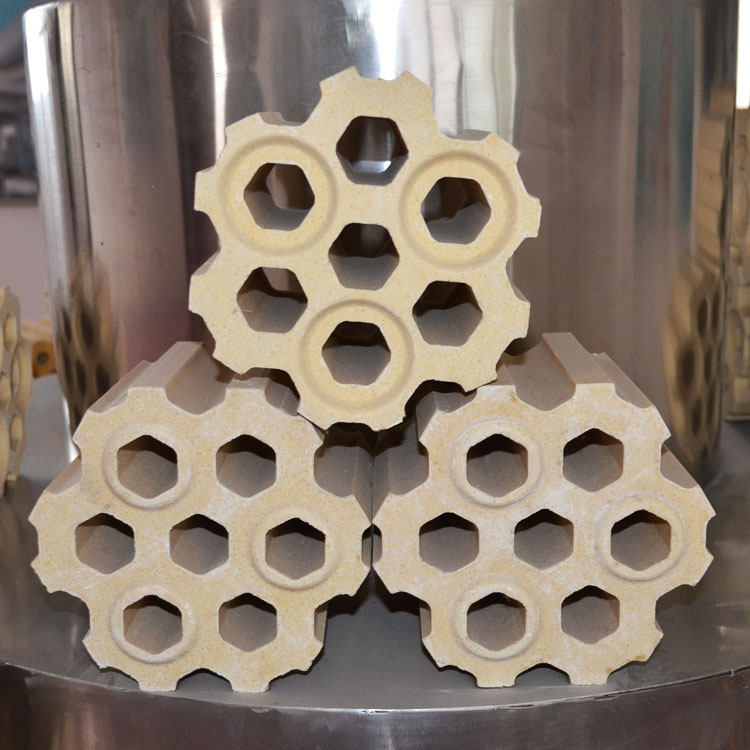
The precision manufacturing and strict quality control measures employed in producing Sunrise silica bricks deliver tangible benefits to steel producers. A recent case study at a major Chinese steel mill demonstrated that upgrading to high-precision silica bricks resulted in:
"The dimensional precision of Sunrise silica bricks significantly reduced installation time and improved the integrity of our hot stove lining. We've seen a noticeable improvement in heat retention and a 15% reduction in maintenance requirements since installation." — Chief Engineer, Hebei Iron & Steel Group
These performance improvements stem directly from the tight tolerances and material consistency that define quality silica brick production. When bricks fit together with minimal gaps (typically less than 1mm), heat loss is minimized, and structural integrity is enhanced—both critical factors in hot stove performance.
Discover how Sunrise silica bricks can optimize your hot stove efficiency and reduce operational costs
Request Technical Specifications & SampleAs steel producers face increasing pressure to improve energy efficiency and reduce environmental impact, the role of high-quality refractory materials becomes more critical than ever. The manufacturing precision and quality control measures detailed here represent not just technical achievements but practical solutions to real-world challenges. By focusing on the fundamental aspects of material science and manufacturing excellence, producers can achieve significant operational improvements.选择郑州天阳Sunrise硅砖,让您的高炉运作更高效、更安心