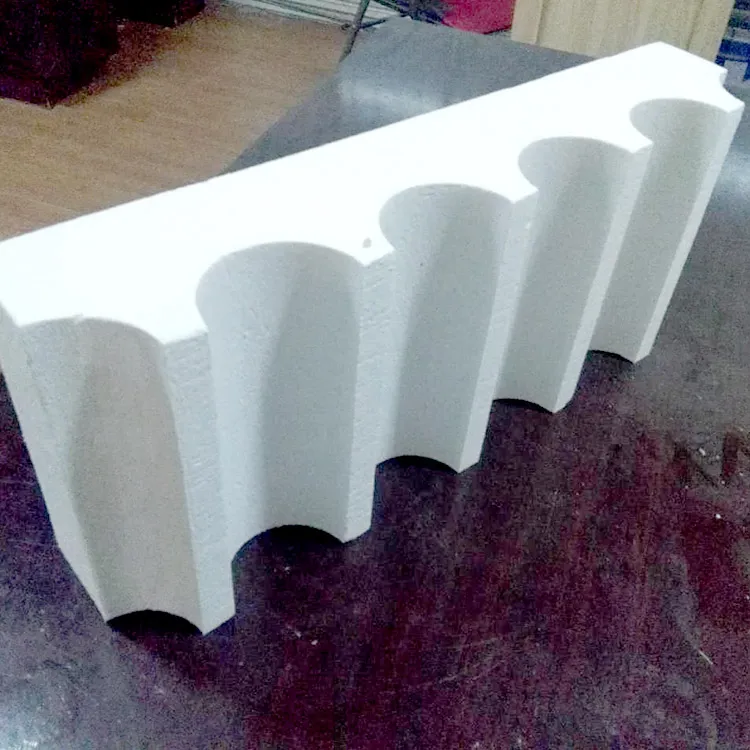
Industry Insight: Blast furnace hot stoves account for approximately 15-20% of total energy consumption in steel production. Optimizing refractory materials can deliver 5-8% energy savings, directly impacting operational profitability.
For blast furnace operations, thermal efficiency isn't just a performance metric—it's the cornerstone of operational profitability and environmental responsibility. Hot stoves, the heart of blast furnace thermal systems, face the constant challenge of maintaining optimal heat transfer while withstanding extreme temperatures exceeding 1400°C. This is where high-quality silica bricks, particularly those engineered by Sunrise, transform industrial performance through advanced material science and precision manufacturing.
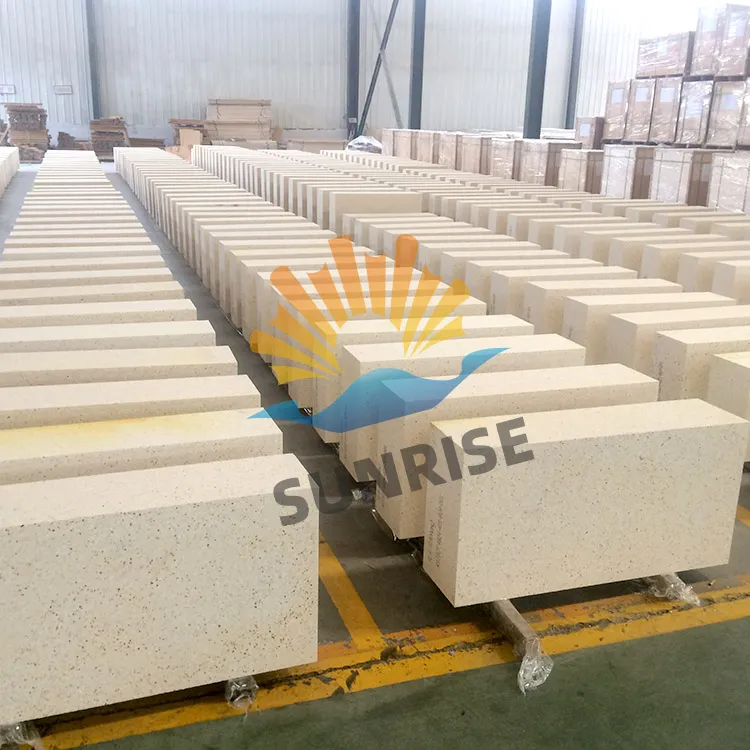
Silica bricks' thermal conductivity directly influences hot stove performance. Unlike conventional refractory materials, Sunrise's鳞片石英硅砖 (flake quartz silica bricks) feature a unique crystalline structure that provides superior thermal shock resistance. This microstructure allows for efficient heat transfer with minimal energy loss, creating a more responsive thermal cycle.
Laboratory testing confirms that properly installed silica bricks can improve heat transfer efficiency by up to 12% compared to standard refractory materials. This translates to more effective preheating of blast air, reducing the overall energy required to maintain optimal furnace temperatures.
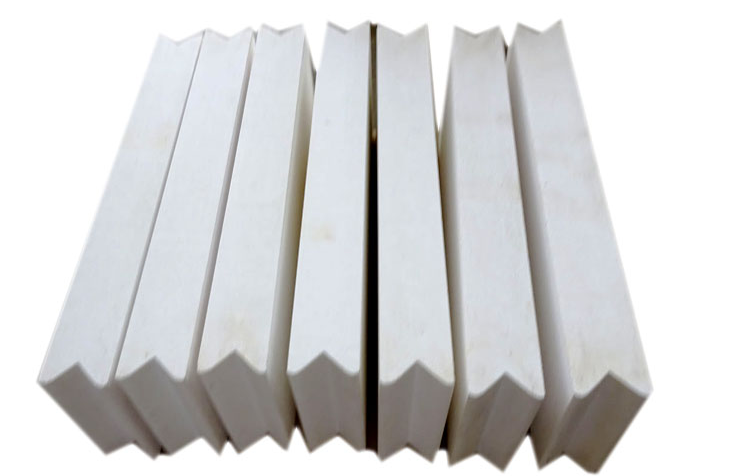
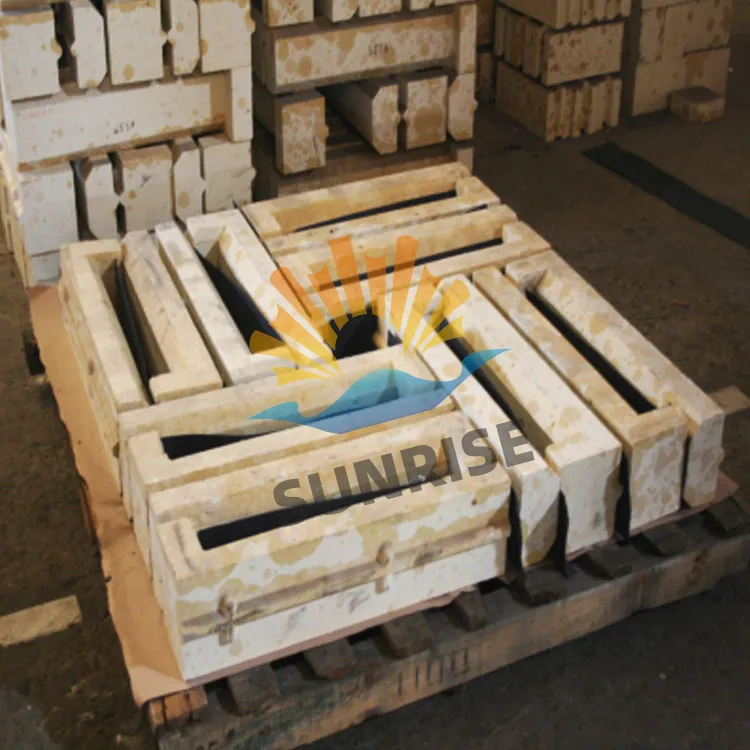
Material science alone isn't sufficient—manufacturing precision determines real-world performance. Sunrise silica bricks maintain dimensional accuracy within ±1mm, a critical factor in minimizing heat loss through brick joints. This precision ensures tight fitting during installation, creating a more uniform thermal barrier that resists gas penetration and heat erosion.
Equally important is the control of internal porosity. Through advanced manufacturing techniques, Sunrise engineers have optimized pore distribution to balance insulation properties with structural integrity, resulting in a brick that maintains strength even under thermal cycling conditions.
| Performance Parameter | Sunrise Silica Bricks | Industry Standard |
|---|---|---|
| Dimensional Tolerance | ±1mm | ±3-5mm |
| Max Service Temperature | 1650°C | 1500-1550°C |
| Thermal Shock Resistance | 15+ cycles (1100°C to 20°C) | 8-12 cycles |
| Expected Service Life | 5-7 years | 3-4 years |
Even the highest quality silica bricks will underperform without proper installation. The critical factors include:
Engineers should document installation parameters meticulously, including mortar type, joint thickness (typically 2-3mm), and initial heating curves to ensure proper curing.
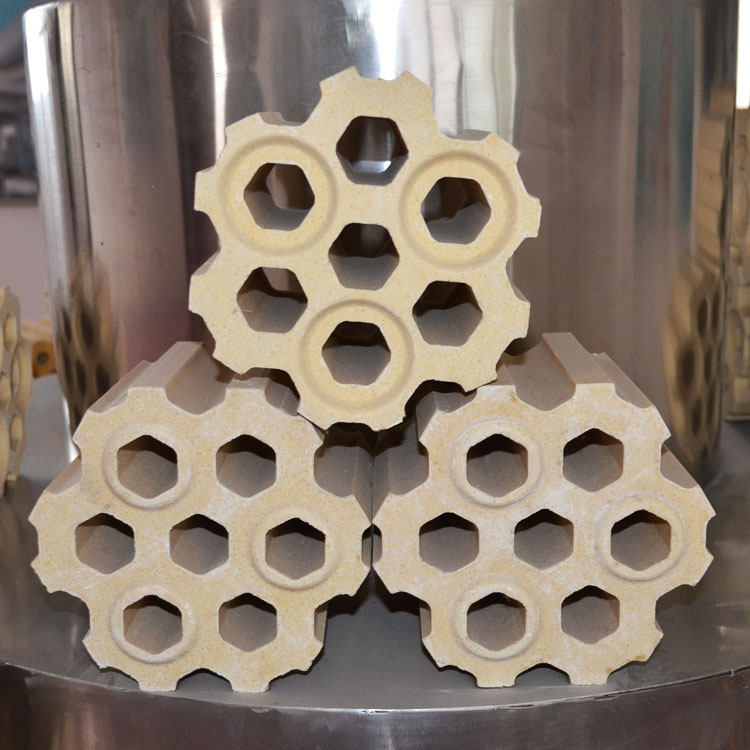
Preventative maintenance is crucial for maximizing silica brick lifespan and maintaining efficiency. Implement these key practices:
Maintenance Alert: Cracks smaller than 0.5mm can often be repaired with high-temperature sealants, preventing further propagation and extending brick life by 1-2 years.
A recent case study at a major steel producer illustrates the tangible benefits of Sunrise silica brick implementation. After retrofitting their blast furnace hot stoves with flake quartz silica bricks, the facility documented:
These results were achieved through a combination of improved thermal efficiency, reduced heat loss, and minimized maintenance requirements—demonstrating how material selection directly impacts the bottom line.
让您的高炉运作更高效、更安心 with Sunrise silica brick solutions. Our engineering team provides comprehensive support from material selection to installation supervision, ensuring you achieve maximum return on your investment.
Download the Complete Blast Furnace Efficiency Guide选择天阳硅砖,不止于耐用—experience the difference precision engineering makes in industrial performance.
Every aspect of blast furnace operation contributes to overall efficiency, but few components offer the transformative potential of high-quality silica bricks. By focusing on material science, precision manufacturing, proper installation, and proactive maintenance, engineers can achieve significant energy savings while extending equipment lifespan. As the industry continues to prioritize sustainability and cost optimization, the choice of refractory materials becomes not just an operational decision, but a strategic one with far-reaching implications for competitiveness and environmental performance.