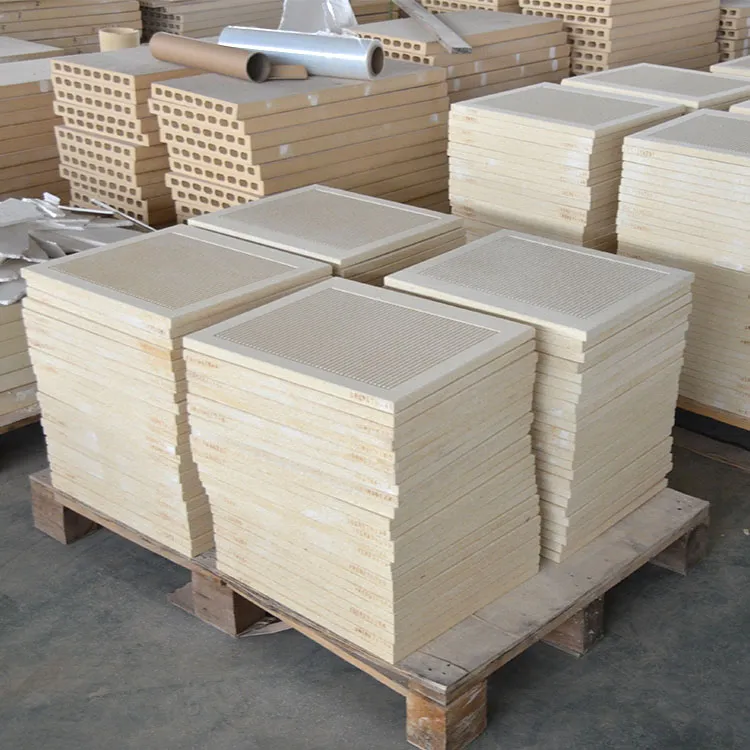
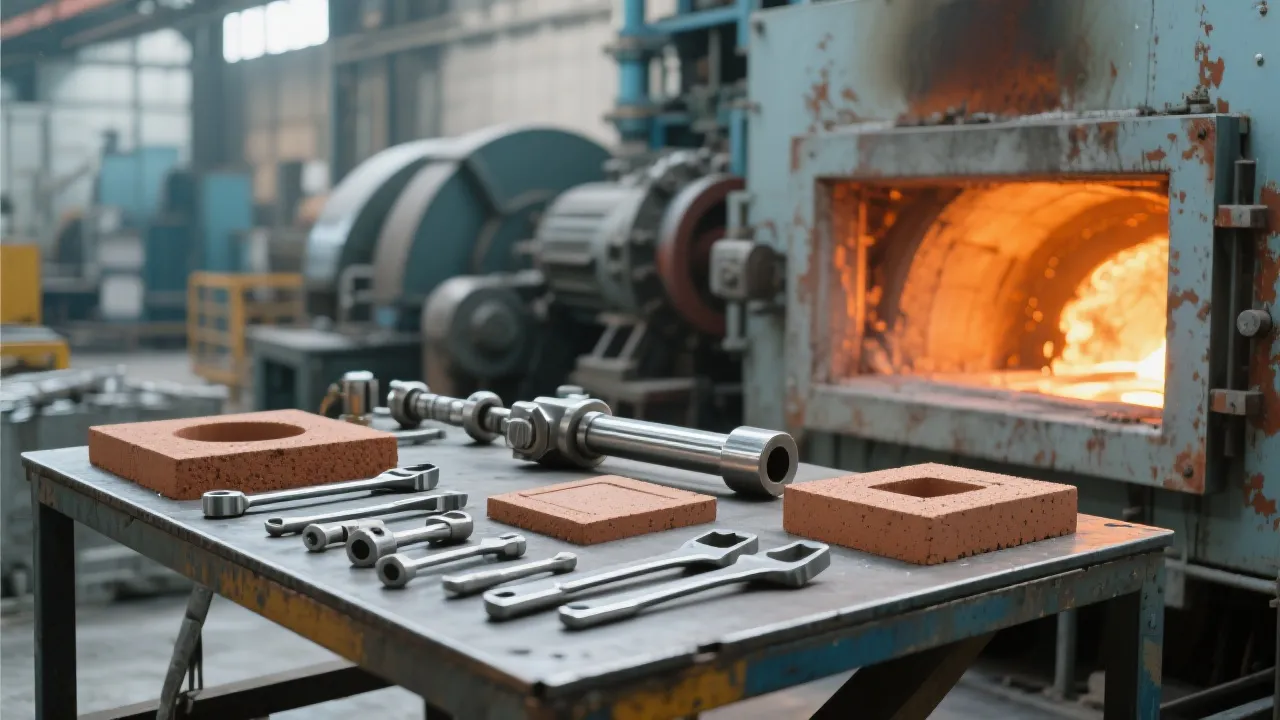
In the steel manufacturing industry, where energy costs account for up to 25% of total production expenses, optimizing the thermal efficiency of blast furnace hot stoves has become a strategic priority for plant operators worldwide. Recent industry studies indicate that even a 1% improvement in hot stove efficiency can translate to annual savings of $300,000-$500,000 for a medium-sized steel mill. This article explores how advanced silica brick technology, particularly the alkali-resistant Sunrise brand from Zhengzhou Tianyang Refractories, addresses the persistent challenges of heat loss, structural degradation, and maintenance costs in hot stove operations.
Modern blast furnaces operate under extreme conditions—temperatures exceeding 1,400°C, cyclic thermal stress, and corrosive alkali gas environments that degrade conventional refractory materials. A survey of steel plants across Europe and Asia revealed that hot stove maintenance represents 18-22% of total refractory-related downtime, with 63% of unplanned outages attributed to brick failure or excessive heat loss.
Key challenges include: thermal spalling from rapid temperature changes, chemical corrosion from alkali vapors, and dimensional instability leading to gas leakage. These issues not only reduce thermal efficiency but also compromise operational safety and increase maintenance costs.
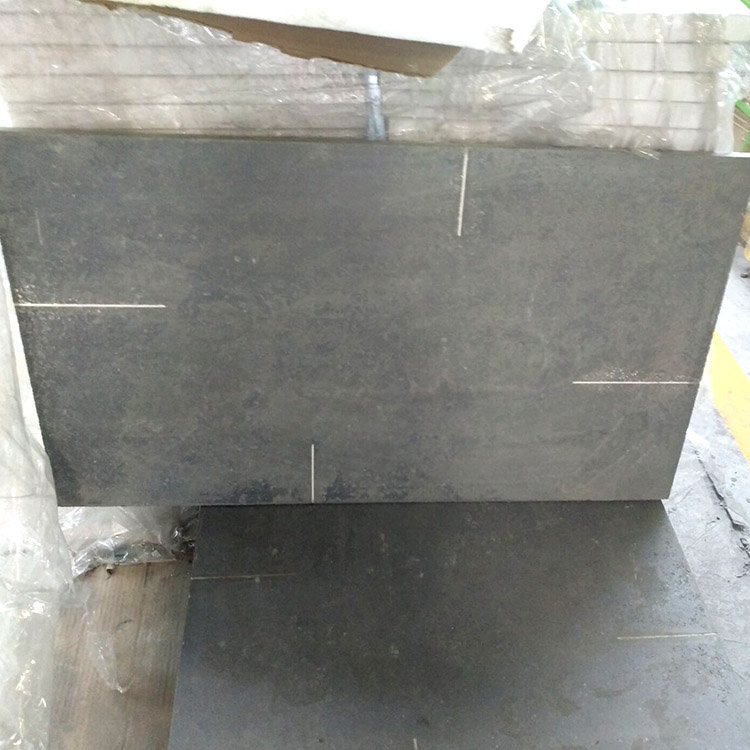
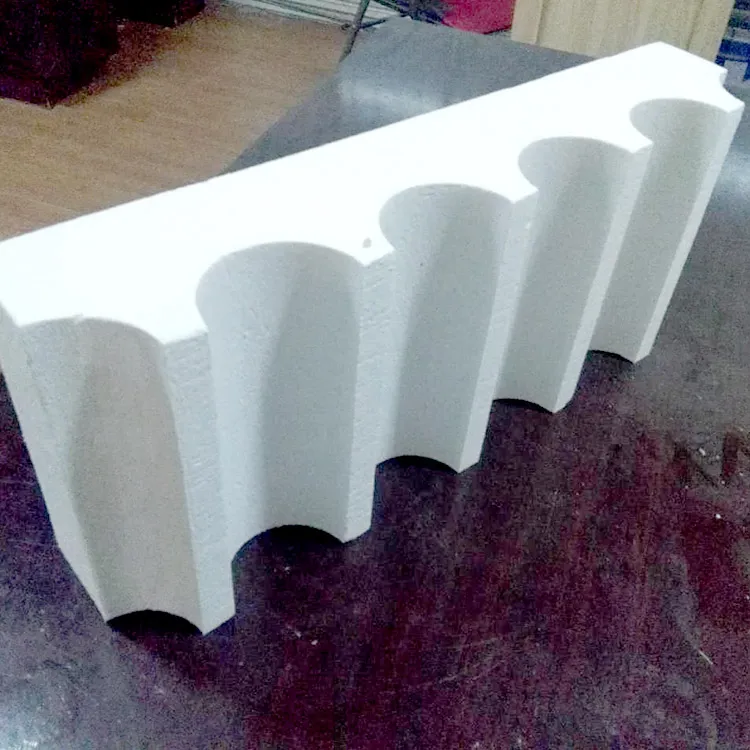
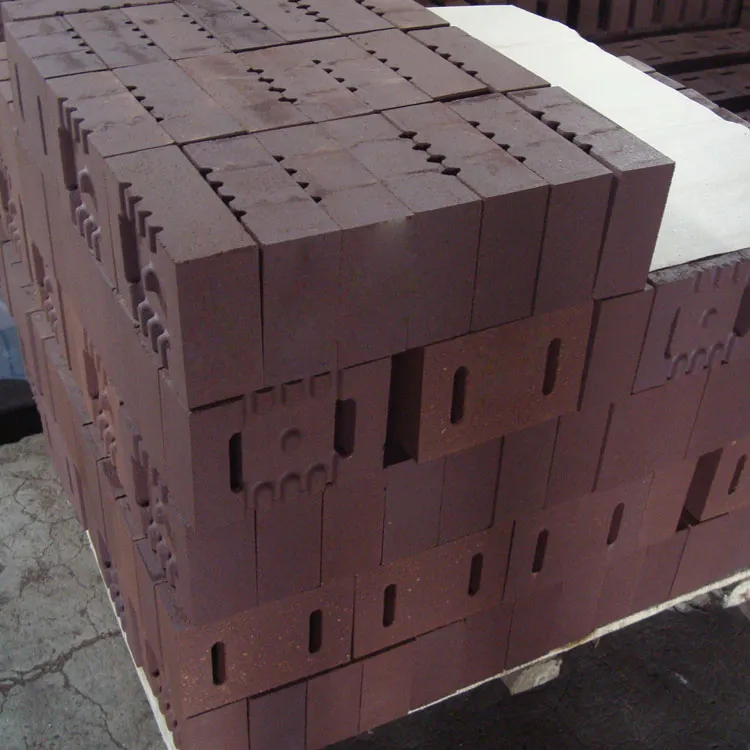
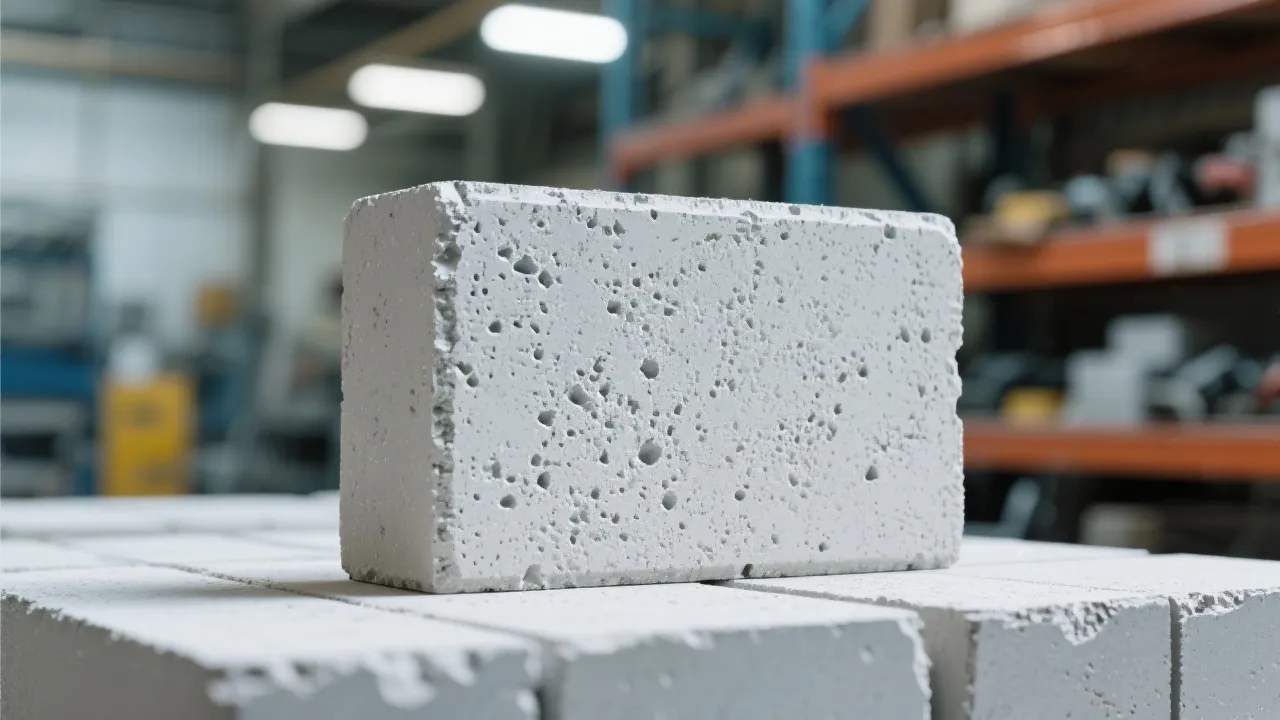
Sunrise silica bricks incorporate a unique 鳞片石英 (flake quartz) microstructure that delivers exceptional thermal conductivity—measuring 1.8-2.2 W/(m·K) at operating temperatures—surpassing traditional silica bricks by 15-20%. This enhanced thermal transfer capability directly improves heat storage and release efficiency during the hot stove cycle.
| Performance Parameter | Sunrise Silica Bricks | Industry Standard Silica Bricks | Improvement |
|---|---|---|---|
| Thermal Conductivity (W/(m·K)) | 1.8-2.2 | 1.5-1.7 | +15-20% |
| Alkali Resistance | Excellent (≤0.5% weight loss) | Moderate (1.2-1.8% weight loss) | +60-70% |
| Thermal Shock Resistance | ≥30 cycles (1100°C-water quench) | 15-20 cycles | +50-100% |
| Expected Service Life | 5-7 years | 3-4 years | +40-75% |
The controlled microstructure also minimizes crack formation, a critical factor in reducing heat loss. Field measurements show that properly installed Sunrise silica brick linings maintain surface temperature differences of less than 30°C across the brickwork, compared to 50-70°C with conventional materials—resulting in up to 12% reduction in fuel consumption.
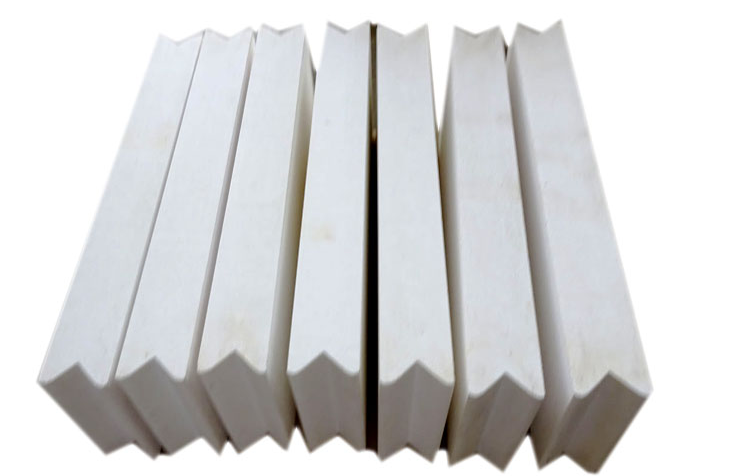
Even the highest-quality refractory materials require precise installation to achieve optimal performance. Sunrise silica bricks incorporate tight dimensional tolerances (±0.5mm) that facilitate accurate 错缝砌筑 (staggered joint construction), eliminating thermal bridges and gas leakage points.
These installation practices, combined with Sunrise's quality control protocols, have been validated in over 120 blast furnace installations worldwide, with post-installation thermal imaging confirming uniform heat distribution and minimal hot spots.
Maximizing the return on refractory investment requires systematic maintenance. Regular inspection protocols should include:
Case studies from Chinese steel producers demonstrate that plants implementing these maintenance practices with Sunrise silica bricks have achieved average service lives of 6.2 years, compared to the industry average of 3.8 years for conventional silica bricks.
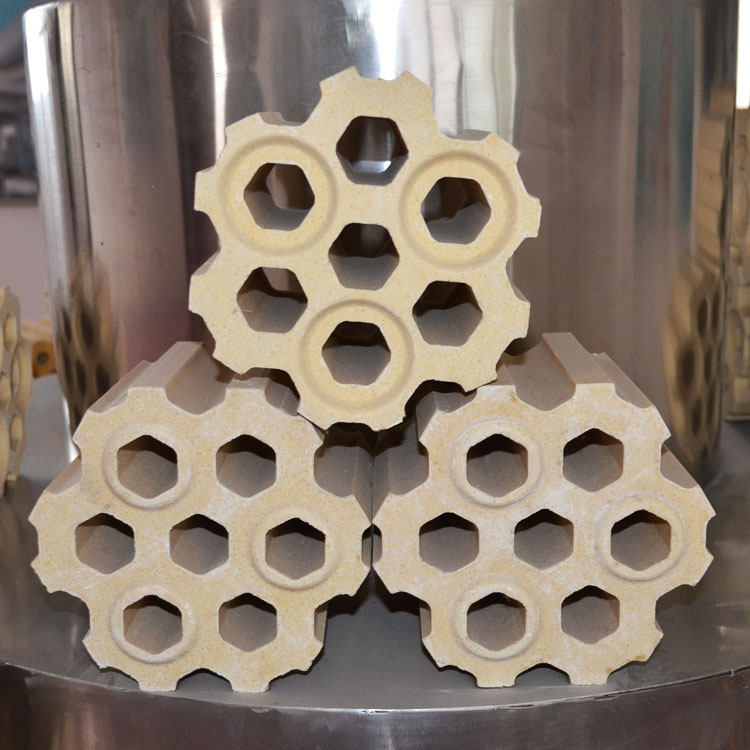
A recent installation at a 2,500 m³ blast furnace in Hebei Province, China, provides compelling evidence of the performance benefits. After retrofitting with Sunrise silica bricks, the plant recorded:
Similar results have been documented across diverse operating conditions, from the harsh environments of Russian steel mills to the high-capacity furnaces of Indian steel producers.
Discover how Sunrise silica bricks can reduce your energy costs while improving operational reliability. Our team of refractory specialists provides comprehensive technical support from material selection to installation supervision.
Request Your Custom Hot Stove Efficiency AnalysisAs steel producers face increasing pressure to reduce carbon emissions and improve energy efficiency, the choice of refractory materials becomes a critical strategic decision. Sunrise silica bricks represent not just a product, but a comprehensive solution that combines material science, precision manufacturing, and application expertise to deliver measurable operational improvements. By addressing the root causes of inefficiency and downtime, these advanced refractories are helping steel plants around the world achieve their sustainability and profitability goals.



.jpg?x-oss-process=image/resize,h_1000,m_lfit/format,webp)