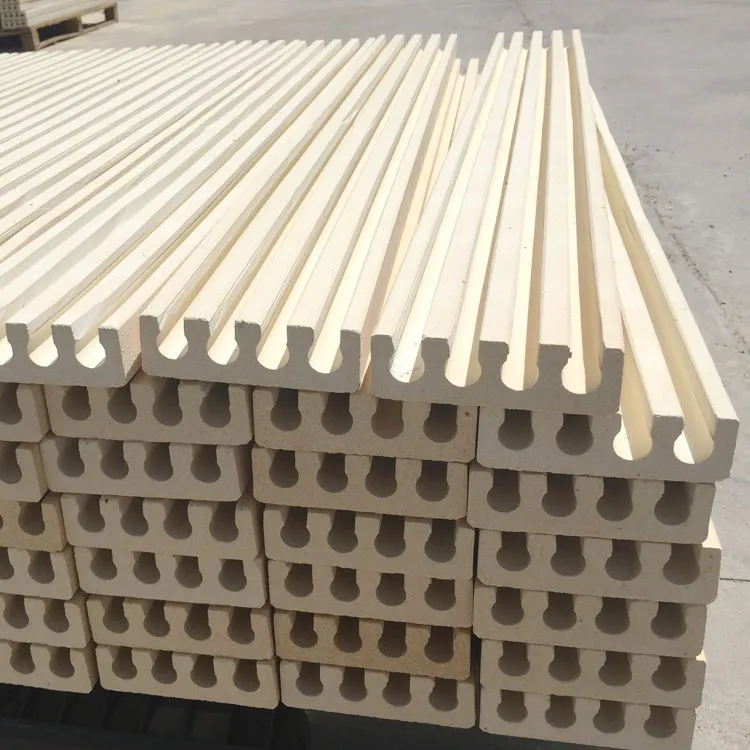
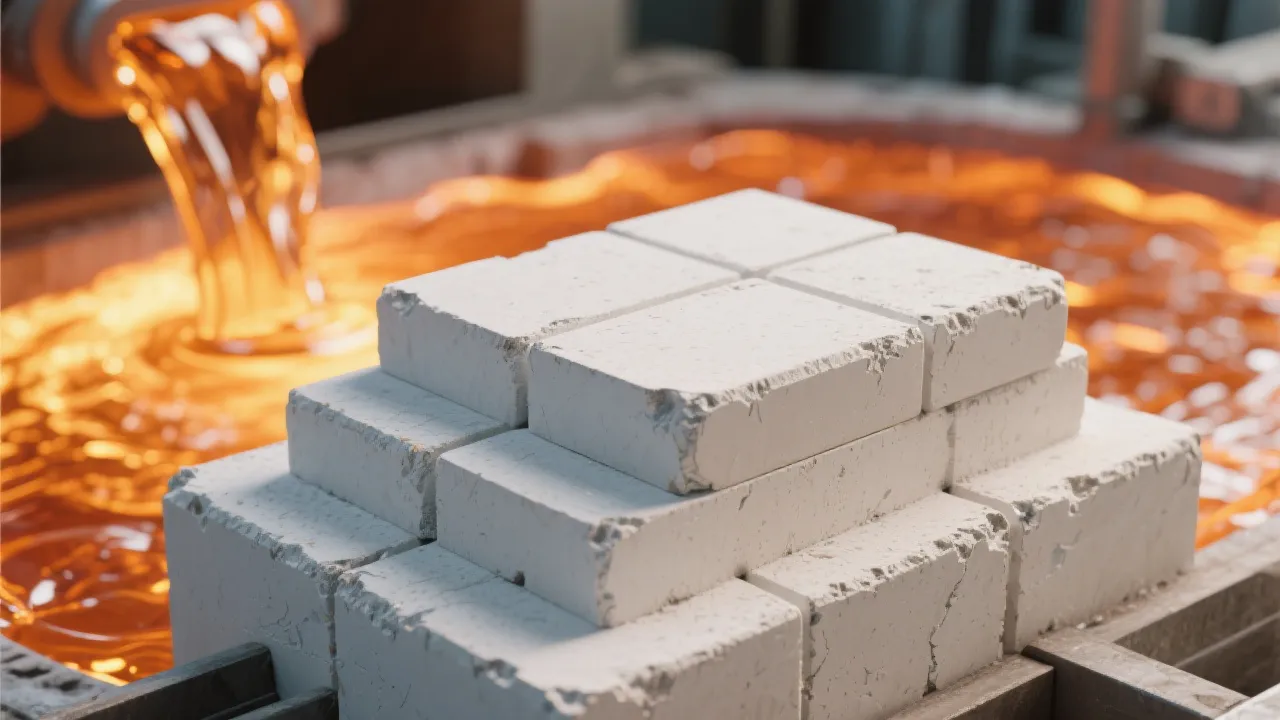
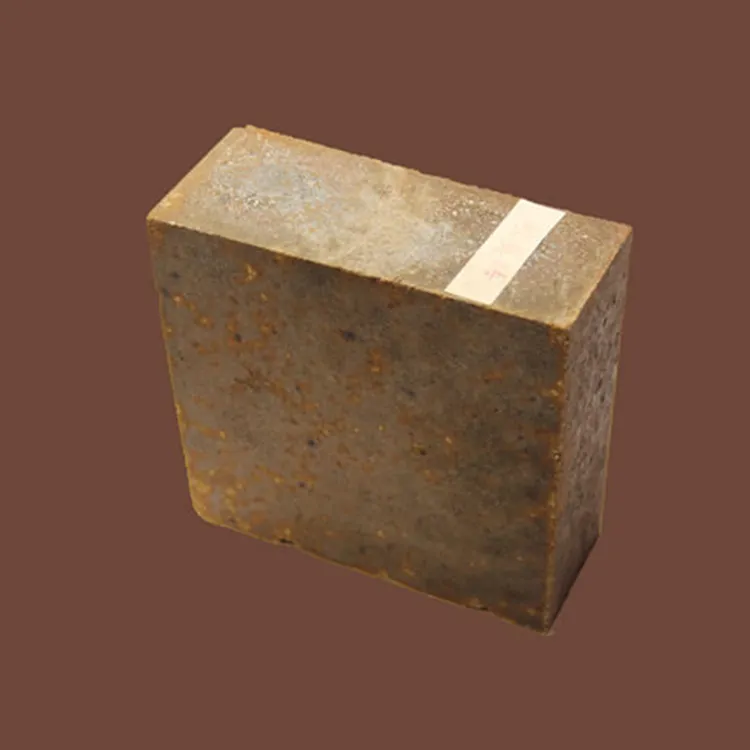
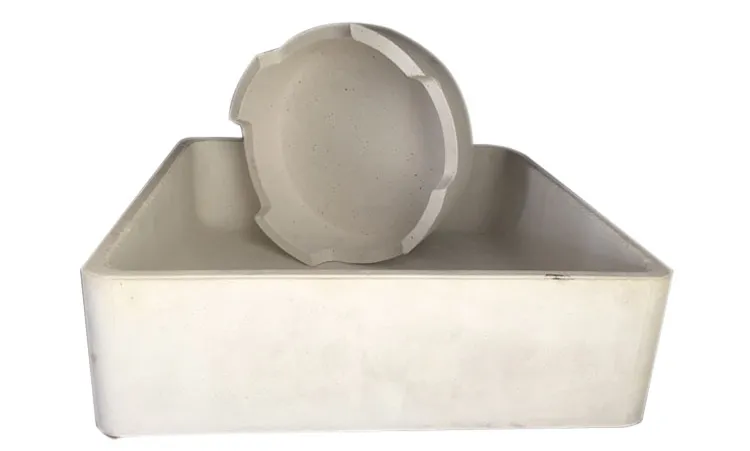
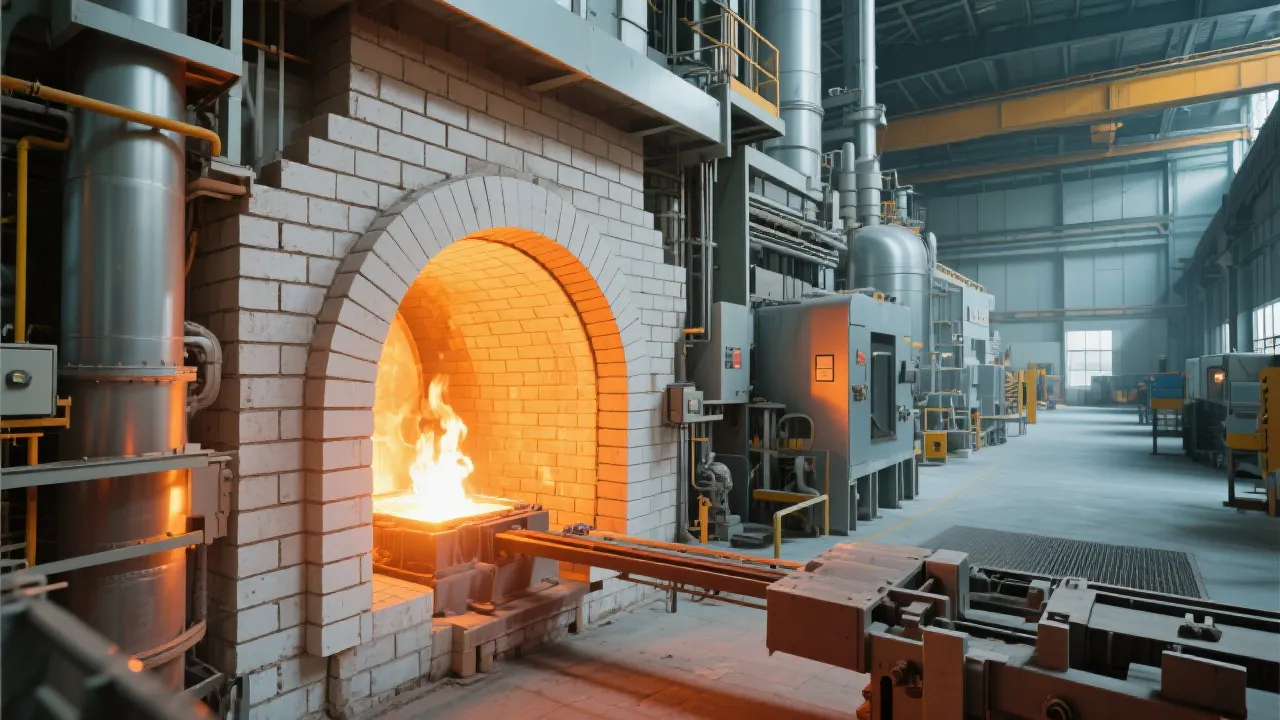
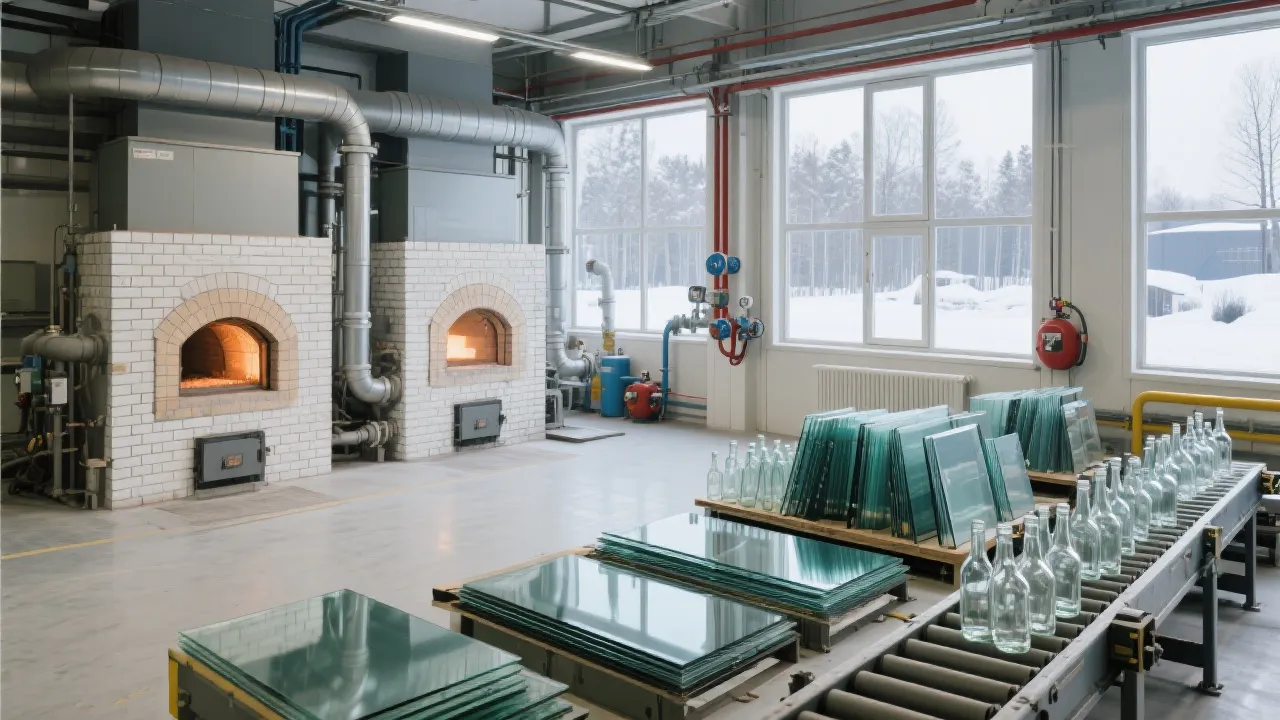
In the ceramics, metallurgy, and glass industries, the selection of industrial kiln furniture is a critical decision that can significantly impact production efficiency, product quality, and overall costs. One of the key factors to consider when choosing kiln furniture materials is the coefficient of thermal expansion (CTE), which directly affects the material's resistance to cracking and its service life. This guide aims to provide engineers and industry professionals with a comprehensive understanding of how to select high-temperature resistant materials based on their CTE to minimize the risk of cracking and improve kiln operation efficiency.
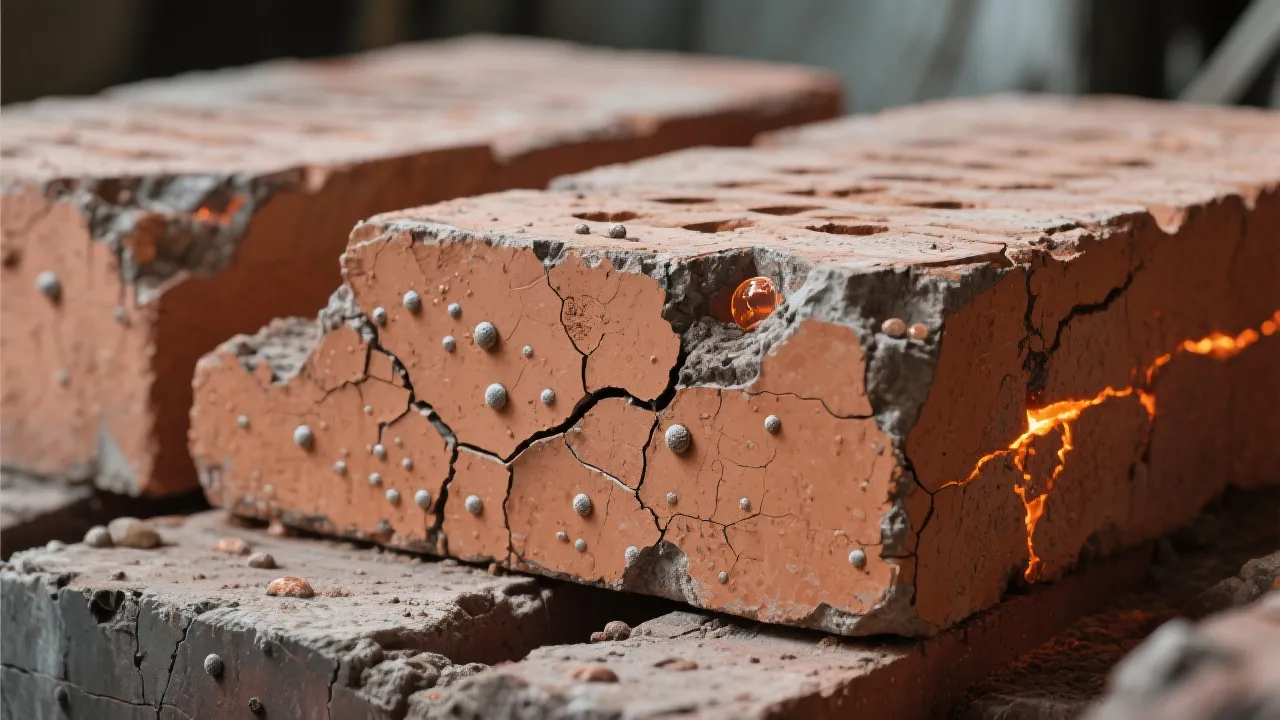
Let's start by looking at some typical scenarios where kiln furniture cracking occurs. In a ceramic manufacturing plant, for example, the kiln furniture is subjected to repeated heating and cooling cycles during the firing process. When the CTE of the kiln furniture material is not well - matched with the thermal characteristics of the products being fired, it can lead to internal stresses within the kiln furniture. These stresses can cause cracks to form, which may ultimately result in the failure of the kiln furniture. The consequences of such cracking are far - reaching. It can lead to unexpected downtime for kiln maintenance, increased production costs due to the need for frequent replacement of kiln furniture, and a decrease in product yield as cracked kiln furniture may damage the products during the firing process.
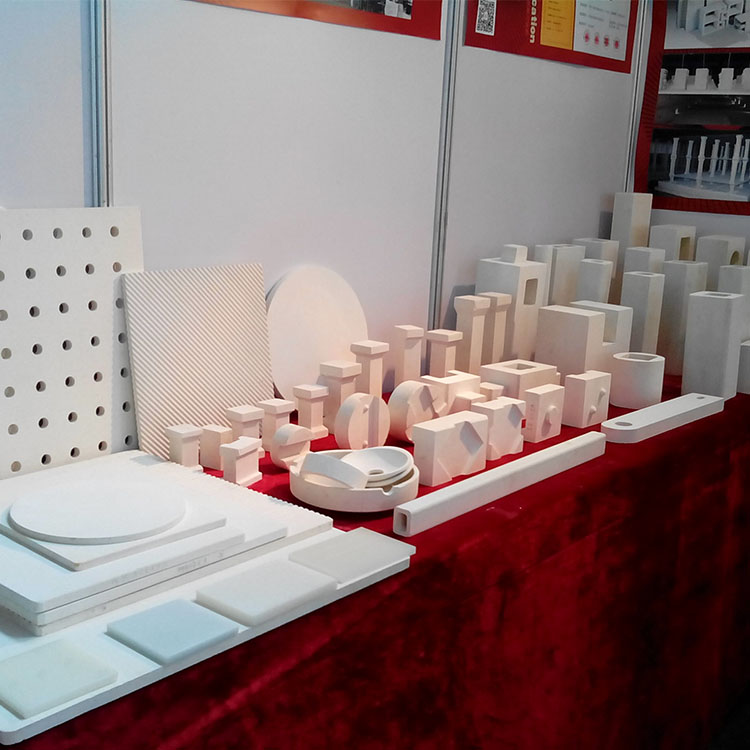
There are several mainstream kiln furniture materials, including corundum, mullite, and cordierite. Each of these materials has its own unique physical properties, especially in terms of CTE, thermal conductivity, and creep rate, which determine their performance in a high - temperature environment of 1000 - 1300°C.
| Material | CTE (10-6/°C) | Thermal Conductivity (W/m·K) | Creep Rate (%) |
|---|---|---|---|
| Corundum | 8 - 9 | 20 - 30 | 0.5 - 1 |
| Mullite | 4 - 5 | 5 - 10 | 0.2 - 0.5 |
| Cordierite | 1 - 2 | 2 - 5 | 0.1 - 0.2 |
Corundum has a relatively high CTE, which means it expands and contracts more significantly with temperature changes. This can make it more prone to cracking under rapid heating and cooling conditions. However, it has high thermal conductivity and good creep resistance, which makes it suitable for applications where high - temperature strength is required. Mullite has a moderate CTE and lower thermal conductivity compared to corundum. It offers good thermal shock resistance and is often used in applications where a balance between thermal stability and mechanical strength is needed. Cordierite, on the other hand, has an extremely low CTE, making it highly resistant to thermal shock. It is an ideal choice for applications with frequent heating and cooling cycles, such as in the ceramics industry.
To better understand how these materials perform in real - world scenarios, let's look at some case studies. In a glass manufacturing plant, corundum kiln furniture was initially used. However, due to the high CTE of corundum, it started to develop cracks after a few hundred heating and cooling cycles. The cracks led to a decrease in the structural integrity of the kiln furniture, and eventually, it had to be replaced. In contrast, a ceramics factory switched from using mullite kiln furniture to Zhengzhou Tianyang Sunrise cordierite kiln furniture. The cordierite kiln furniture, with its low CTE, showed excellent stability under thermal shock. After several thousand cycles, it still maintained its structural integrity, significantly reducing the frequency of replacement and improving the overall production efficiency.

When selecting the optimal kiln furniture material, it is essential to consider the specific process requirements. Here are some steps and methods to help you make the right choice:
There are various testing standards available to evaluate the performance of kiln furniture materials. For example, the ASTM C22 expansion test can be used to measure the CTE of a material. By comparing the test results of different materials, you can get a clear understanding of their thermal expansion characteristics.
In addition to CTE, other parameters such as thermal conductivity and creep rate also need to be evaluated. You can use laboratory testing equipment to measure these parameters accurately. For example, a laser flash method can be used to measure thermal conductivity, and a creep testing machine can be used to measure the creep rate.
Before making a large - scale purchase, it is advisable to conduct on - site verification. You can install a small batch of different kiln furniture materials in your kiln and monitor their performance over a certain period. This will allow you to observe how the materials behave under your actual production conditions and make a more informed decision.
When selecting kiln furniture materials, it is important to balance cost - effectiveness and long - term stability. While some materials may have a lower initial cost, they may require more frequent replacement, which can increase the overall cost in the long run. On the other hand, high - performance materials may have a higher initial cost but can provide better long - term stability and reduce production downtime. For example, Zhengzhou Tianyang Sunrise cordierite kiln furniture, although it may have a slightly higher upfront cost compared to some other materials, its excellent performance under thermal shock can lead to significant savings in the long term by reducing replacement frequency and improving product yield.
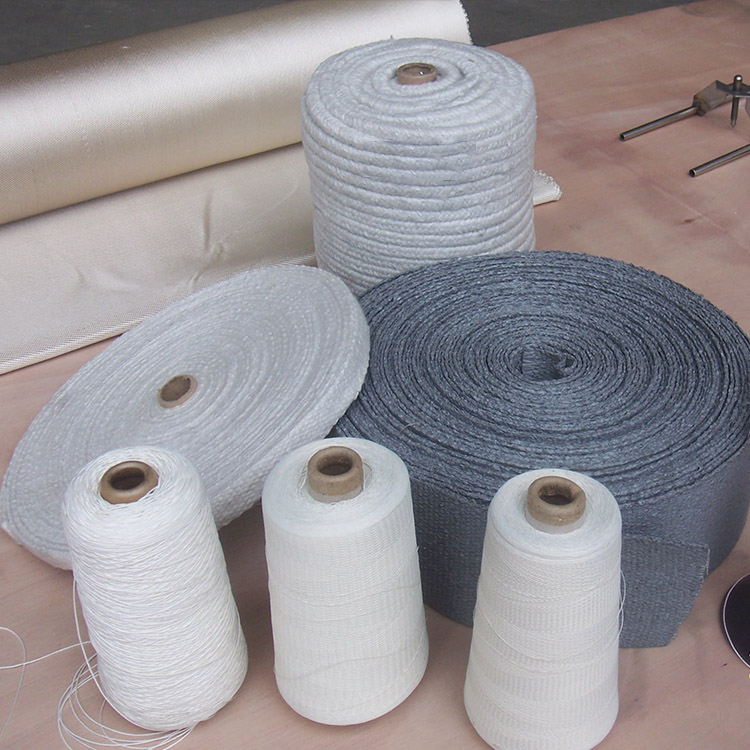
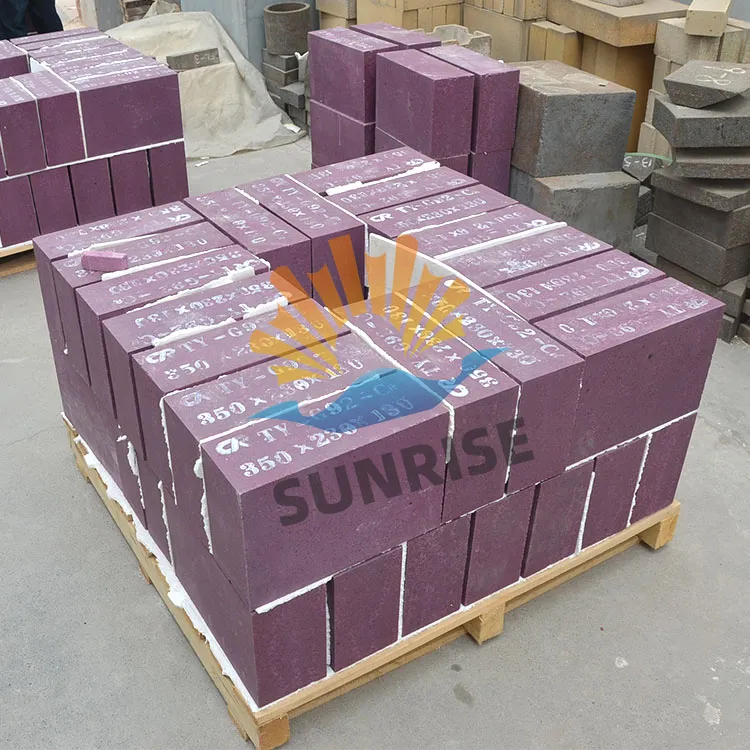
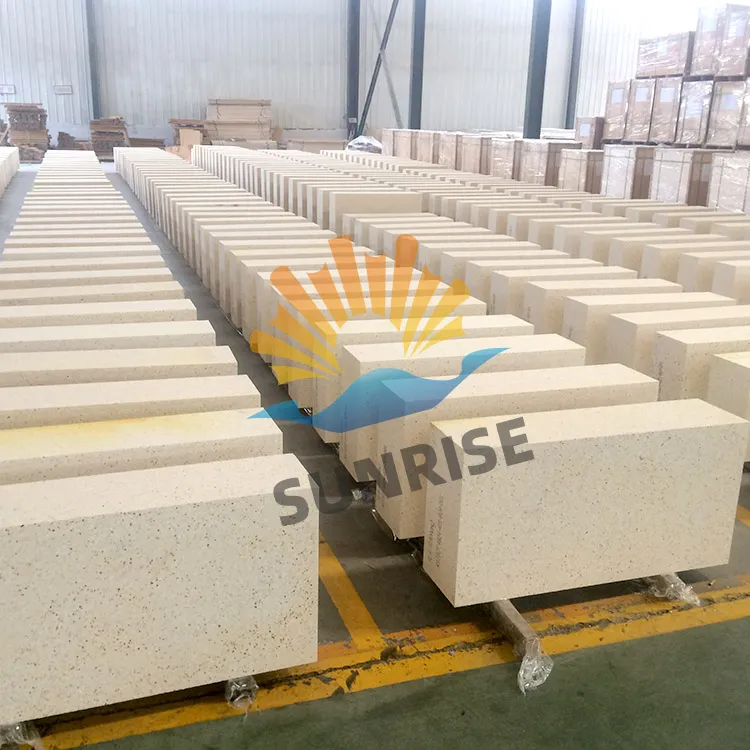
Are you looking for high - quality kiln furniture materials that can withstand the rigors of your production process? Zhengzhou Tianyang Sunrise cordierite kiln furniture has been proven over the years to offer excellent stability in thermal shock environments. Click here to learn more about our kiln furniture solutions.

.jpg?x-oss-process=image/resize,h_1000,m_lfit/format,webp)