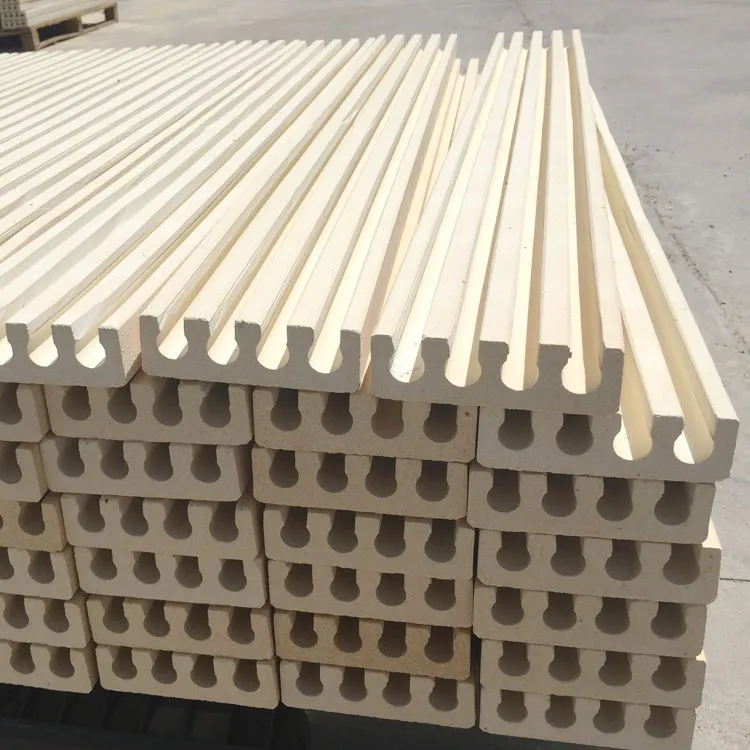
Selection Guide for Corrosion-Resistant Refractory Materials in High-Temperature Chemical Reactors to Enhance Equipment Lifespan
03 01,2026
Technical knowledge
This article provides an in-depth analysis of corrosion-resistant refractory material selection for high-temperature chemical reactors, emphasizing the physical and chemical advantages of corrosion-resistant refractory bricks. It highlights how excellent thermal shock resistance and slag corrosion performance contribute to prolonged equipment lifespan and operational stability. By comparing traditional magnesia bricks with innovative magnesia-chrome bricks—composed of sintered magnesia and refractory-grade chromite—the article reveals their superior technical capabilities under extreme working conditions. Practical case studies and maintenance guidelines are included to assist professionals in making informed material choices, reducing operational costs, and ensuring long-term efficient reactor performance. This guide serves as a valuable resource for engineers and equipment managers seeking reliable refractory solutions.
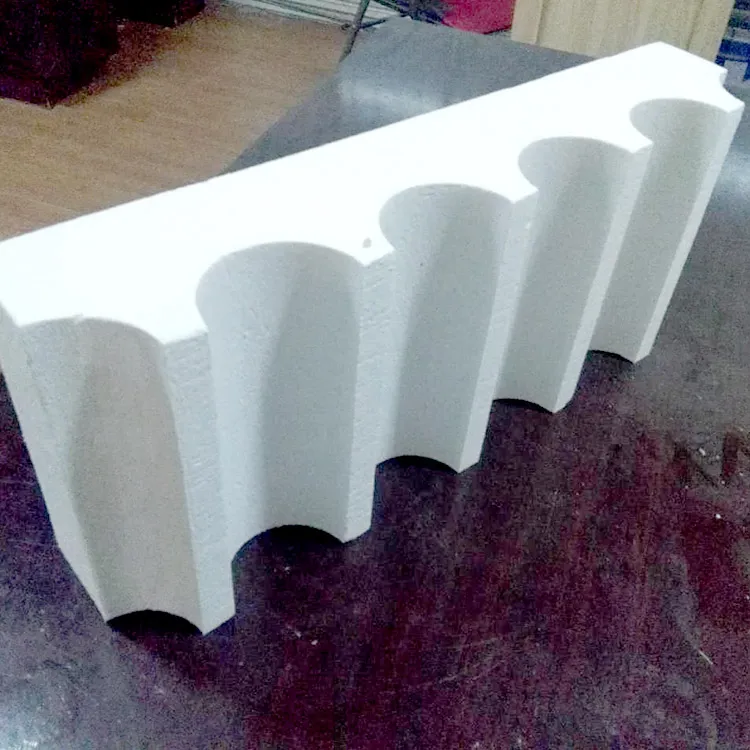
Selecting Corrosion-Resistant Refractory Materials for High-Temperature Chemical Reactors: Key Strategies to Extend Equipment Lifespan
When managing high-temperature chemical reactors, material selection is pivotal to ensure sustained operational stability and long-term efficiency. The harsh environments involving extreme temperatures and highly corrosive chemicals demand refractory materials with superior performance in thermal shock resistance and slag corrosion protection. This guide explores how advanced corrosion-resistant refractory bricks, particularly new-generation magnesia-chrome bricks, outperform traditional options—empowering you to enhance reactor uptime while cutting maintenance costs.
Understanding Material Performance in Extreme Environments
Chemical reactors operating at temperatures above 1500°C are subject to intense thermal cycling and aggressive slag attacks. Such conditions accelerate material degradation, leading to increased downtime and costly repairs. The ideal refractory material must exhibit:
- Excellent thermal shock stability: Maintaining structural integrity through repeated temperature fluctuations (often 100-300 thermal cycles annually).
- High corrosion resistance: Withstanding chemical erosion from molten slags, acids, and alkalis prevalent in chemical processing.
- Mechanical strength retention: Preventing cracking and spalling under mechanical and thermal stress.
Material Selection Principles for Corrosion-Resistant Refractory Bricks
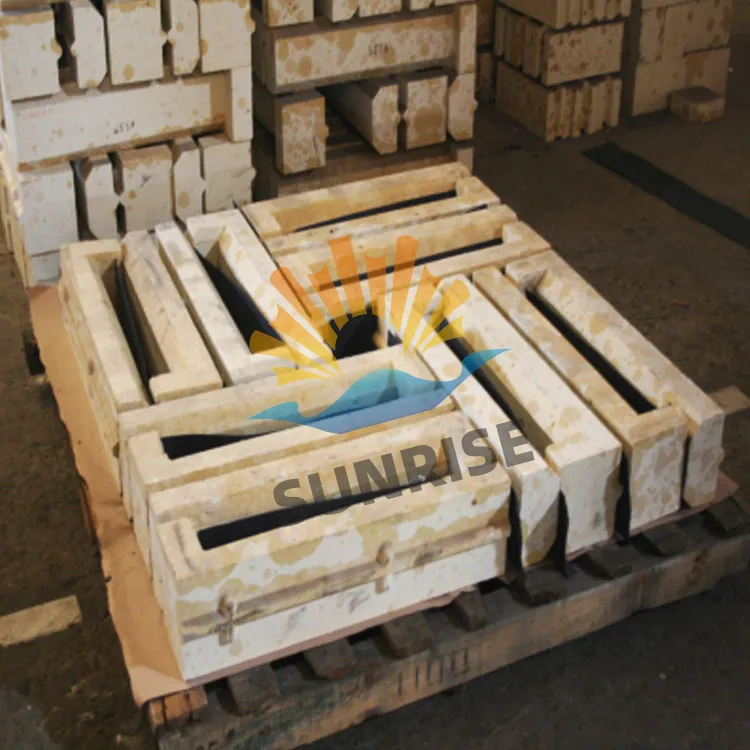
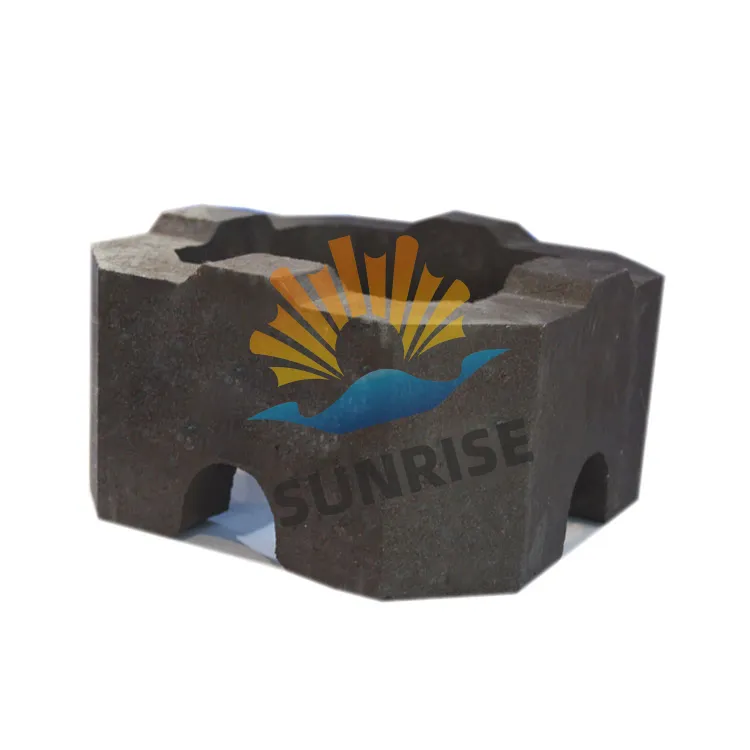
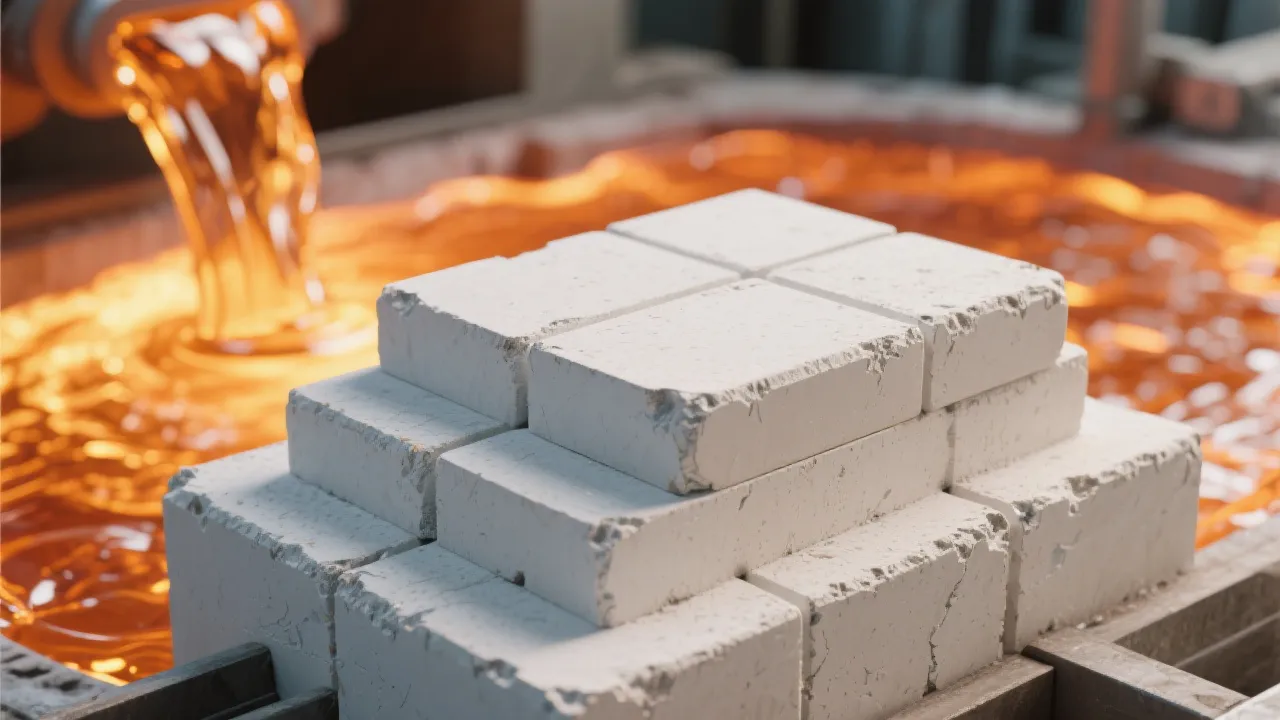
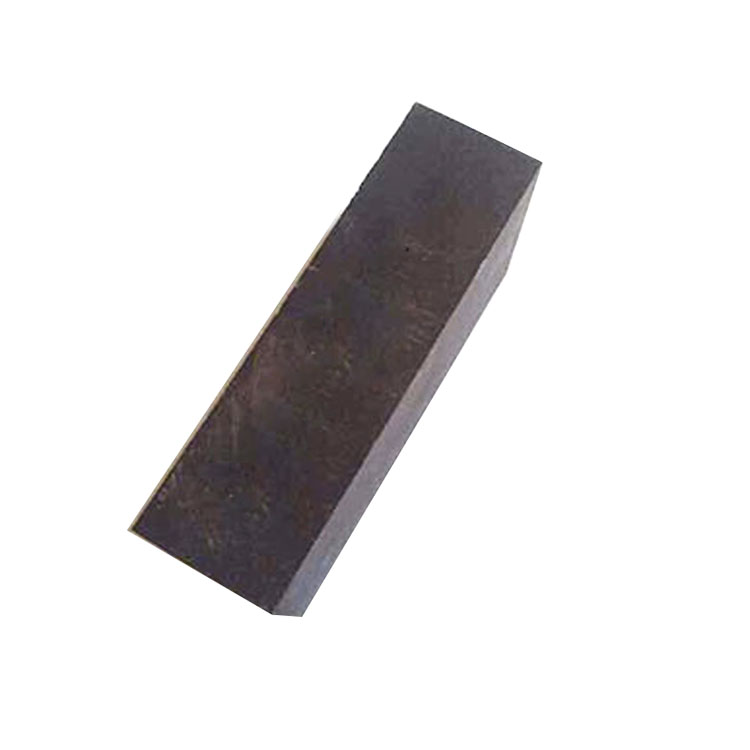
Conventional magnesia bricks have long been a standard lining material due to their high melting point (~2850°C) and reasonable corrosion resistance. However, their thermal shock resistance and resistance to complex slag components are limited. A significant advancement has been the development of magnesia-chrome (MgO-Cr2O3) bricks, where fine chrome ore is sintered with magnesia to improve key characteristics:
- Enhanced slag resistance: Chrome’s chemical inertness prevents slag infiltration and erosion, reducing wear rates by >35% in typical plant conditions.
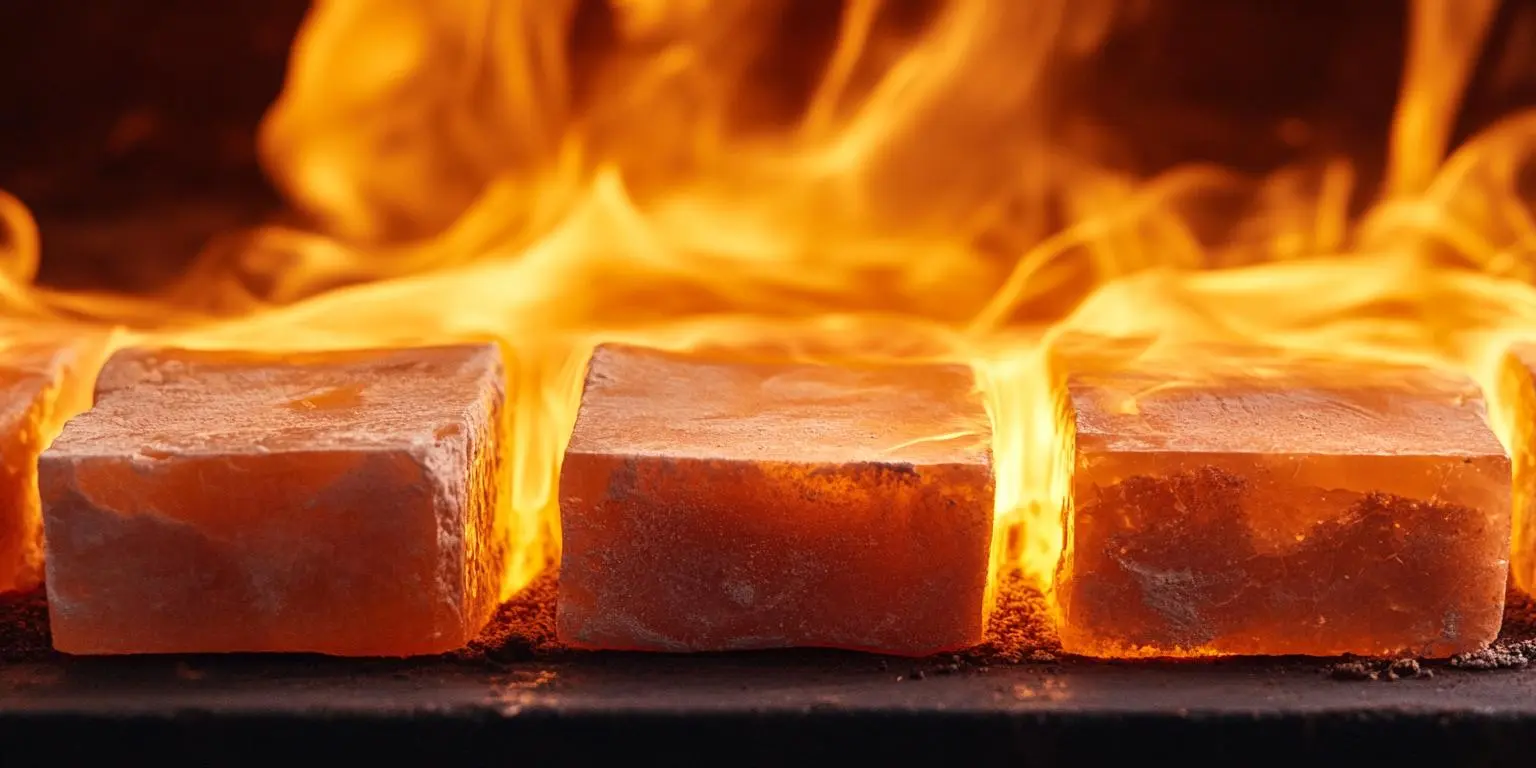
- Superior thermal shock stability: MgO-Cr2O3 bricks tolerate up to 450 thermal cycles without structural flaws, compared to 250-300 cycles for pure magnesia bricks.
- Improved mechanical durability: The sintered microstructure resists cracking and spalling, extending lining lifespan by an average of 20–30%.
These material advantages translate directly into increased uptime, reduced maintenance frequency, and operational cost savings—critical in maximizing return on investment for high-temperature reactors.
Performance Comparison: Traditional Magnesia Bricks vs. New-Generation Magnesia-Chrome Bricks
| Property |
Traditional Magnesia Brick |
Magnesia-Chrome Brick (MgO-Cr2O3) |
| Thermal Shock Resistance (cycles) |
250 – 300 |
Up to 450 |
| Corrosion Rate by Slag (mm/year) |
0.8 – 1.2 |
0.5 – 0.7 |
| Operating Temperature (°C) |
Up to 2800 |
Up to 2850 |
| Average Service Life (months) |
14 – 18 |
18 – 24 |
This comparative data underscores the technological edge magnesia-chrome bricks offer in demanding chemical environments where downtime is costly and process continuity is vital.
Case Study: Extending Reactor Lining Lifespan with MgO-Cr2O3 Bricks
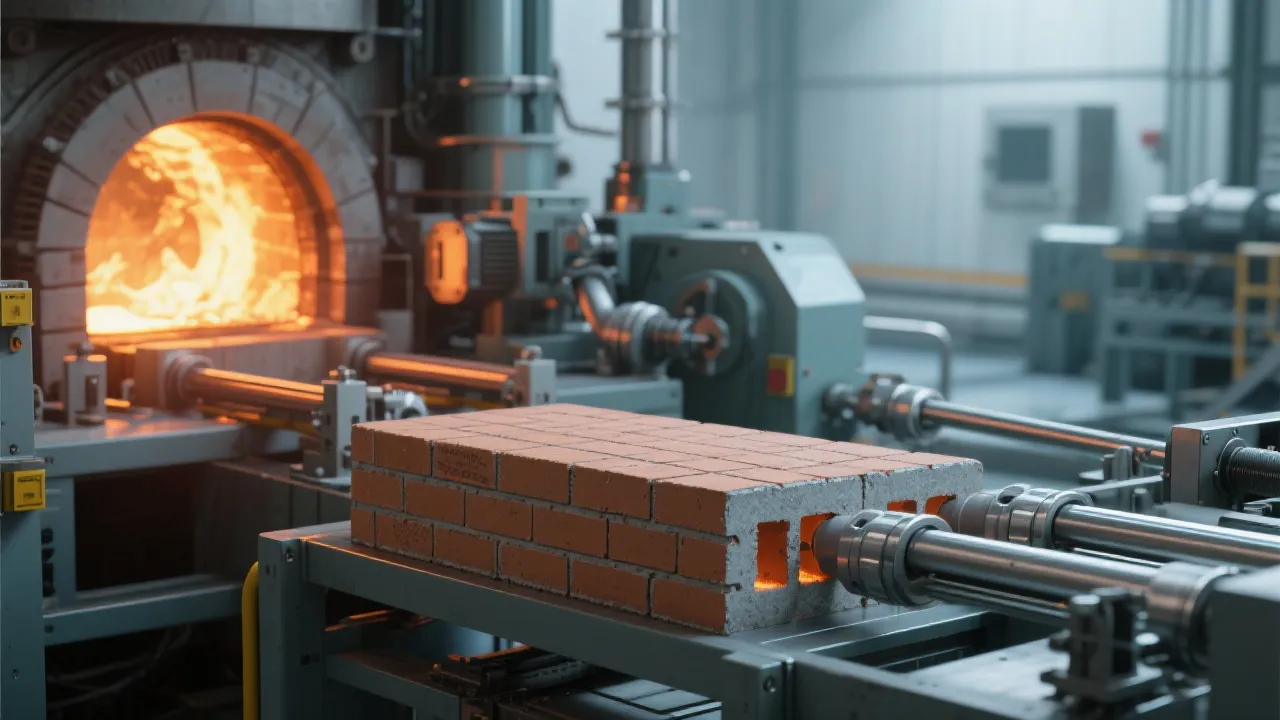
A large chemical plant processing highly corrosive intermediates transitioned from traditional magnesia brick linings to the latest magnesia-chrome bricks in their reactor vessels. Over 18 months, the plant recorded:
- Reduction in lining replacement frequency by 30%, significantly minimizing downtime.
- Lowered maintenance costs by approximately 25% due to fewer repairs and material failures.
- Improved reaction consistency attributed to stable inner lining temperatures aided by superior thermal shock resistance.
Integrating MgO-Cr2O3 bricks, supported by precise installation and maintenance protocols, fostered better process reliability and cost-efficiency—an actionable insight for operators seeking performance-driven refractory upgrades.
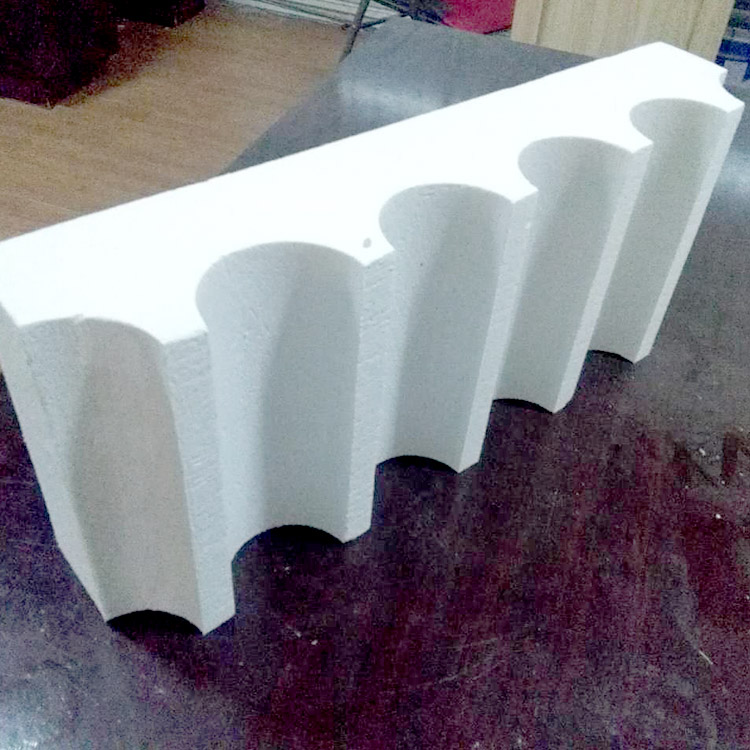
Best Practices for Installation and Maintenance
Optimal material performance hinges not just on selection but also on expert installation and diligent upkeep:
- Controlled curing: Pressure and temperature during installation must be carefully monitored to achieve full sintering and densification of bricks.
- Regular inspections: Non-destructive testing to detect early signs of spalling or slag infiltration prevents unexpected failures.
- Cleaning protocols: Routine removal of slag deposits using mechanical or chemical methods preserves the refractory’s integrity.
Implementing these procedures ensures the refractory lining continues delivering high performance throughout its design life while reducing unscheduled outages.
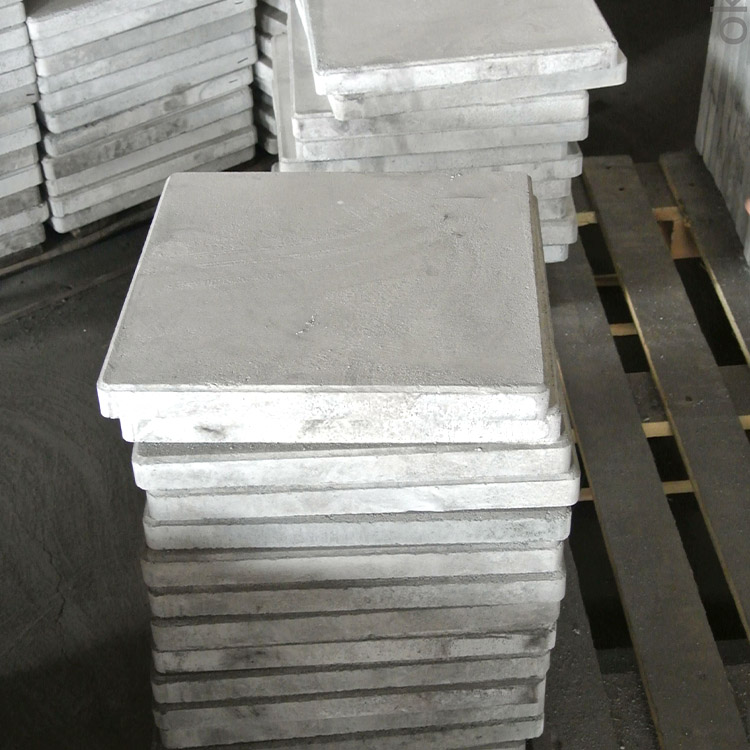
Key Considerations for Your Next Refractory Material Upgrade
Before finalizing your refractory upgrade, consider the following factors:
- Process temperature and chemical aggressiveness: Align material choice with your reactor’s maximum operating conditions.
- Thermal cycling frequency: Balance between initial cost and long-term durability to optimize total installed cost per year of service.
- Supplier support: Opt for suppliers providing detailed performance data, installation training, and after-sales technical support.
Equipped with this knowledge, engineering teams can drive material choices that maximize uptime while controlling long-term refurbishment costs.