In the demanding world of metallurgy, kiln furniture failure isn’t just a maintenance issue—it’s a direct hit on production uptime, quality consistency, and bottom-line profitability. A single warped or cracked shelf can cause hours of downtime, lost batches, and even safety risks.
Creep—the slow deformation of materials under constant load over time—is often overlooked until it’s too late. In high-temperature applications (especially between 1000°C–1300°C), this phenomenon becomes critical for refractory materials used in kiln furniture.
| Material | Avg. Creep Rate @ 1200°C (ASTM C1113) | Thermal Expansion Coefficient (ppm/°C) | Heat Shock Resistance |
|---|---|---|---|
| Alumina (High-Purity) | ~0.7% / 100 hrs | ~5.2 | Moderate |
| Mullite | ~0.4% / 100 hrs | ~4.8 | Good |
| Cordierite | ~0.1% / 100 hrs | ~2.5 | Excellent |
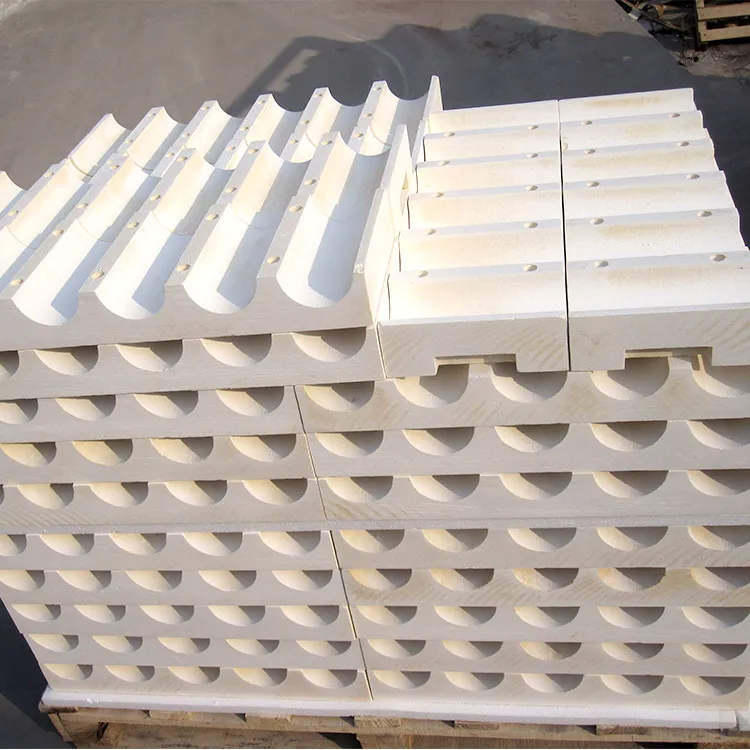
As shown above, cordierite stands out—not only due to its ultra-low creep rate but also because of its near-zero thermal expansion coefficient. This makes it ideal for applications where rapid heating and cooling cycles are common, such as in steel rebar sintering or ceramic tile firing.
According to ASTM C1113 standard, “Creep resistance is determined by measuring strain under a fixed load at elevated temperature over time.” This test is essential for predicting real-world performance—not just lab conditions.
A case study from a mid-sized steel plant in India illustrates the impact: after switching from mullite to cordierite shelves, they reported a 40% increase in shelf life and a 15% reduction in rejected products due to warping. Their kiln operators noted fewer unplanned stops—saving an estimated $22,000 annually in labor and material waste.
When selecting kiln furniture, don’t rely solely on cost-per-unit. Instead, evaluate:
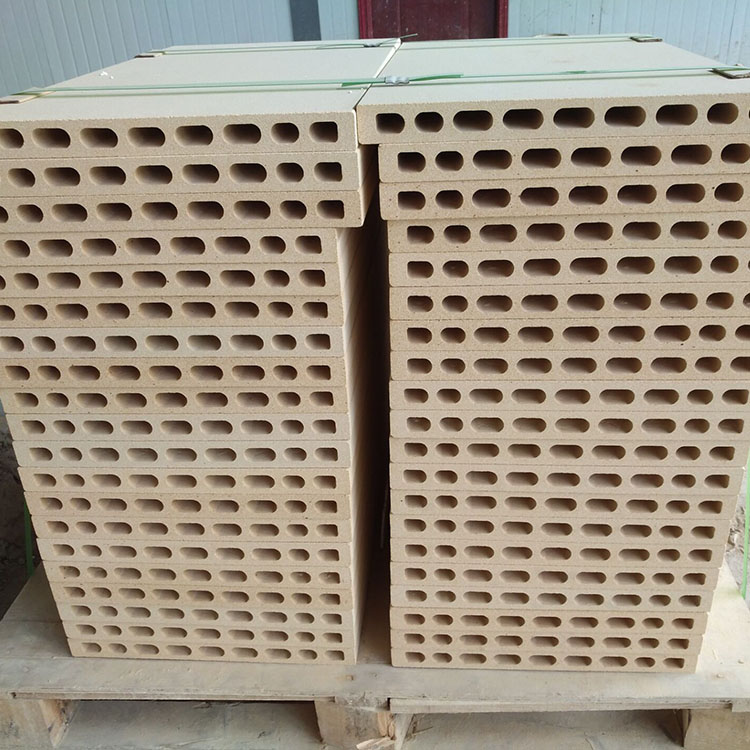
At Zhengzhou Tianyang Refractories, years of field testing have confirmed that cordierite performs reliably in environments with frequent temperature swings—from cold start-up to peak firing temperatures—and remains dimensionally stable even after thousands of cycles.
If you're experiencing recurring issues like shelf sagging, cracking, or inconsistent product quality in your kiln operations, ask yourself: Is your current material choice aligned with your actual process demands?
Explore our free technical guide: “Choosing the Right Kiln Furniture for High-Temperature Applications” — packed with real-world data, selection criteria, and expert tips.
Download the Guide Now