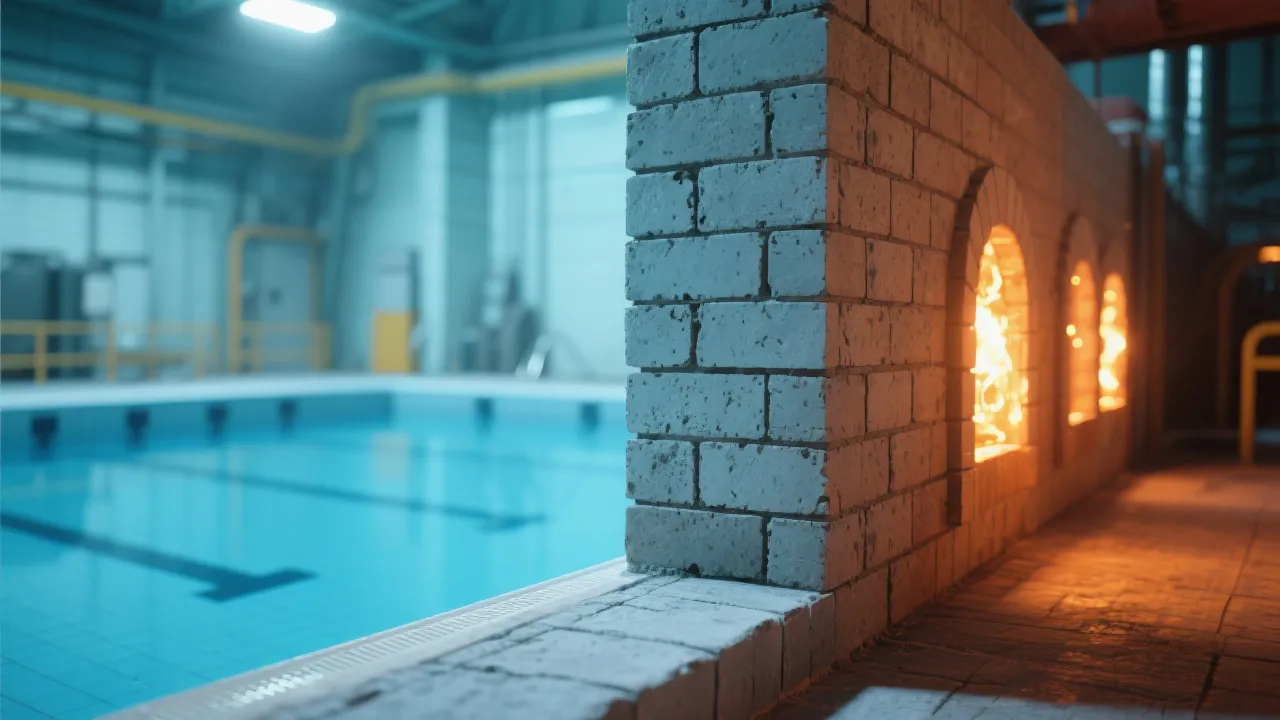
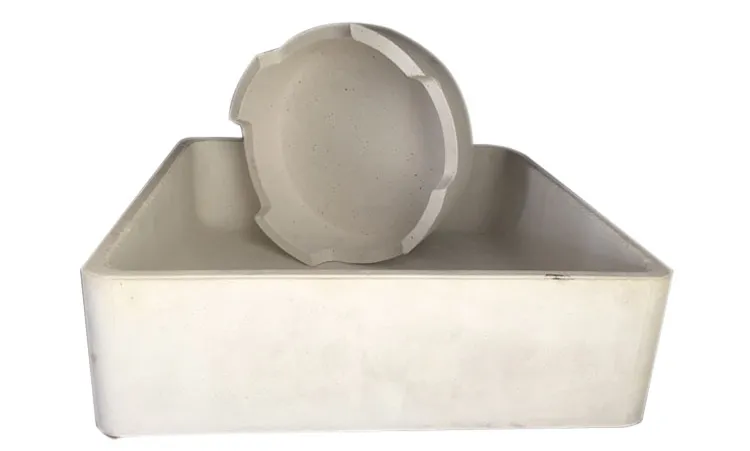
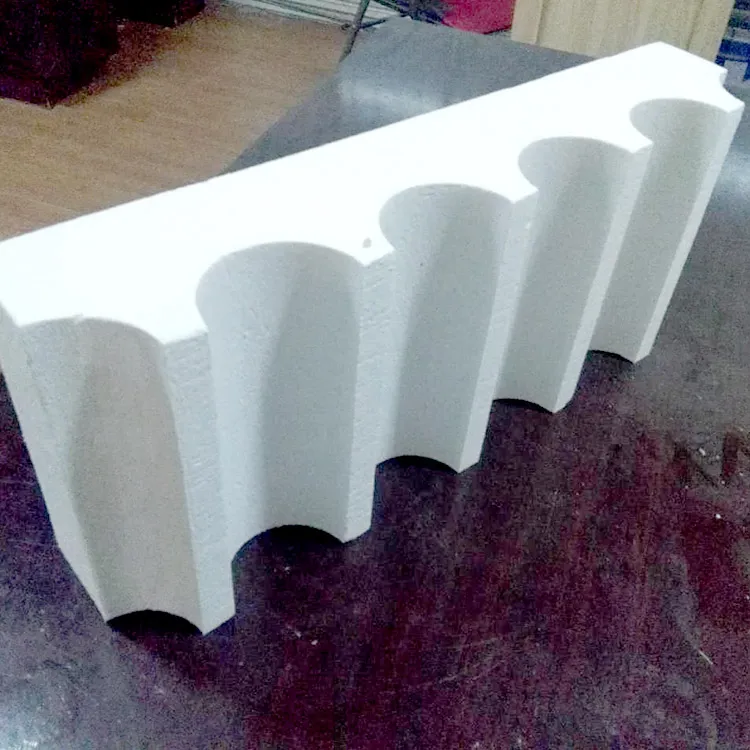
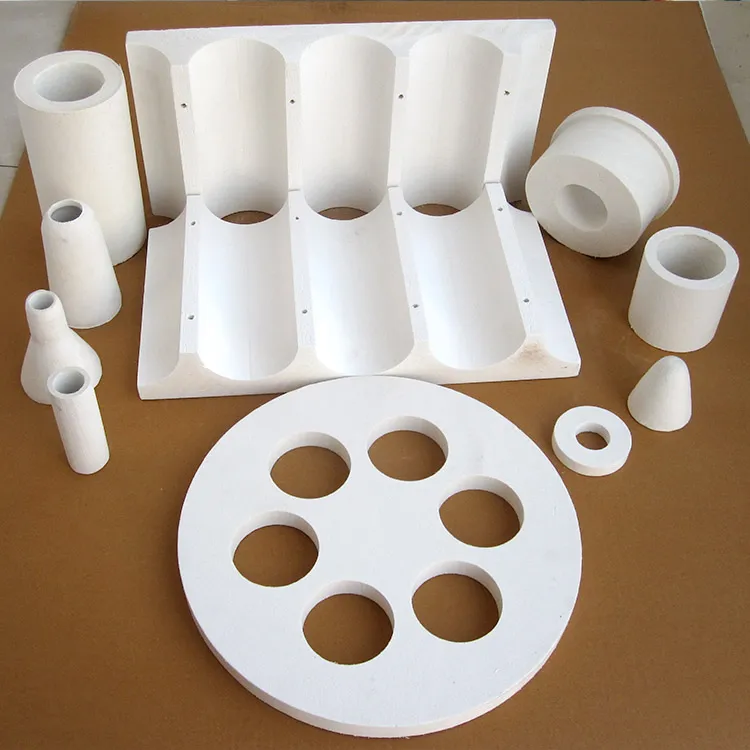
In the field of high - temperature chemical equipment, ensuring the long - term stable operation of reactors is of great significance. Zhengzhou Tianyang Refractory Materials Co., Ltd. has launched corrosion - resistant ordinary magnesium chromite bricks, which have excellent performance in enhancing the corrosion resistance of chemical equipment.
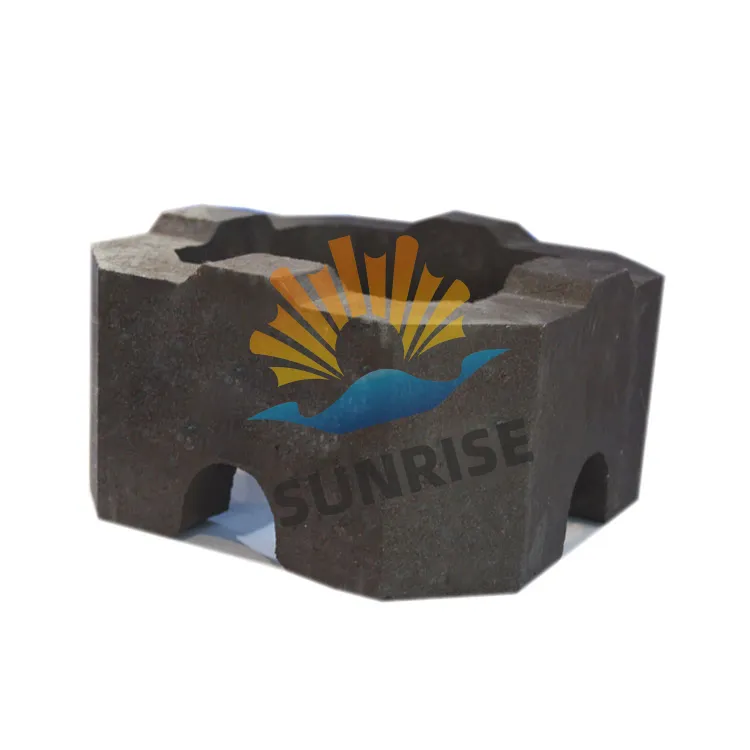
The magnesium chromite bricks are mainly composed of sintered magnesia and refractory - grade chrome ore. The combination of these two materials and the silicate bonding mechanism play a crucial role in improving the physical and chemical properties of the bricks. Sintered magnesia provides high refractoriness and good thermal conductivity, while refractory - grade chrome ore enhances the corrosion resistance. The silicate bond sinters these raw materials together, forming a dense structure. According to relevant research, this type of silicate - bonded magnesium chromite brick has a cold crushing strength of about 50 - 60 MPa, which is much higher than some traditional refractory materials.
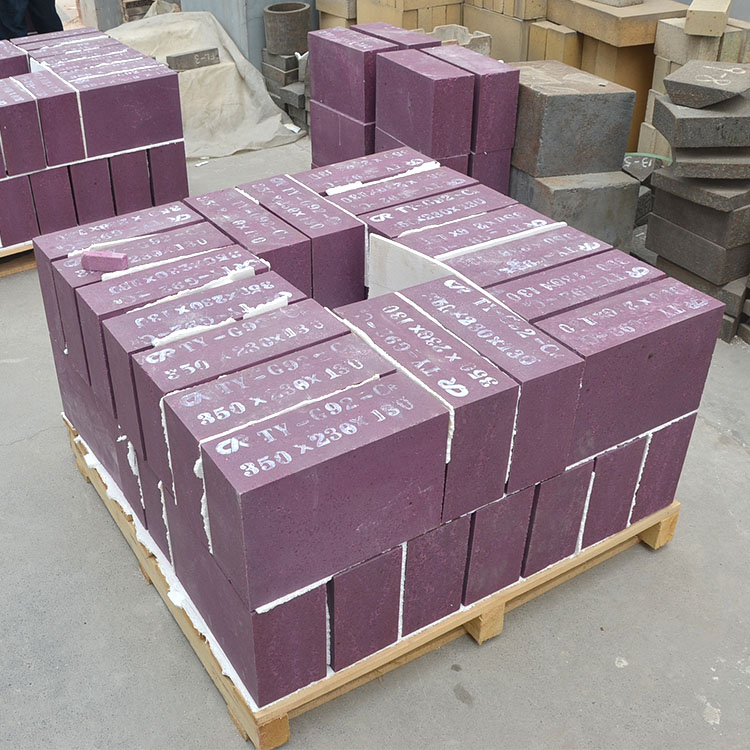
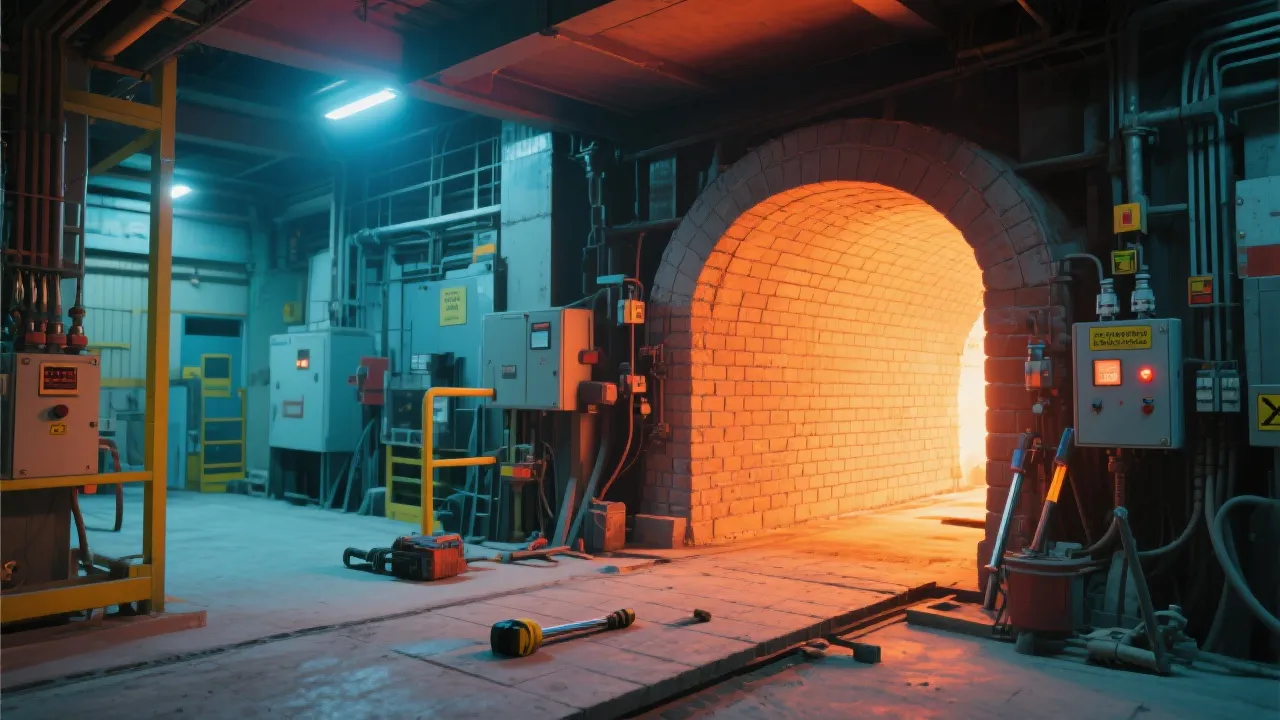
In real - world chemical reactor conditions, magnesium chromite bricks show excellent performance under high - temperature, corrosion - resistant, and thermal shock conditions. For example, in a high - temperature chemical reactor with a temperature of up to 1600°C and a strongly corrosive gas environment, the ordinary magnesium chromite bricks maintained a relatively complete structure after continuous operation for 12 months. Their thermal shock stability enables them to withstand repeated temperature changes without significant cracking or spalling. A typical test shows that after 50 thermal shock cycles from 1100°C to room temperature, the mass loss of the magnesium chromite bricks is less than 5%, indicating good thermal shock resistance.
For engineers and procurement decision - makers, choosing the right magnesium chromite bricks is crucial. When selecting, factors such as the temperature range, corrosion medium, and thermal shock frequency of the reactor should be considered. For reactors with high - temperature and high - corrosion conditions, magnesium chromite bricks with a higher proportion of refractory - grade chrome ore can be selected. In terms of installation, ensuring a tight fit between the bricks and proper insulation measures can improve the overall performance of the lining. Regular inspections and timely repairs during use can also extend the service life of the magnesium chromite bricks.
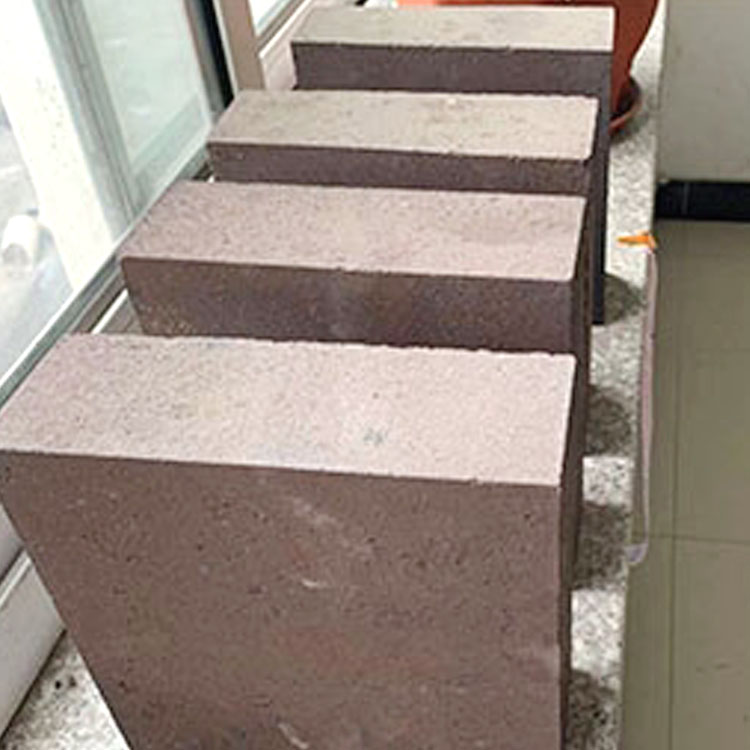
Thermal shock tests are an important means to evaluate the performance of magnesium chromite bricks. By simulating the actual working conditions, the thermal shock resistance and other performance indicators of the bricks can be accurately measured. The test results can help determine the applicable scope and performance limits of the magnesium chromite bricks, providing a scientific basis for engineering decisions. For example, based on the test results, it can be determined whether the magnesium chromite bricks are suitable for reactors with rapid temperature changes or long - term high - temperature operation.
In summary, the corrosion - resistant ordinary magnesium chromite bricks of Zhengzhou Tianyang Refractory Materials Co., Ltd. have significant advantages in improving the corrosion resistance and service life of chemical reactors. Through in - depth analysis of their material properties, application performance, and selection and maintenance strategies, engineers and procurement decision - makers can make more scientific decisions. If you want to learn more about the application of magnesium chromite bricks in high - temperature chemical equipment and download the relevant application manual, please click here.