As an engineer or procurement specialist working with high-temperature chemical reactors, you know that sudden temperature swings—often exceeding 500°C per minute—are not just operational challenges—they’re material stress tests. In such conditions, ordinary refractory bricks fail quickly, leading to costly downtime and safety risks.
When a reactor heats up from 300°C to 800°C in under 60 seconds, the resulting thermal gradient creates internal stresses that exceed the tensile strength of conventional magnesite bricks. According to YB/T 5027, standard MgO-based bricks typically show a strength retention rate of only 45–60% after 10 cycles at ΔT = 500°C/min—a clear sign they’re unsuitable for aggressive industrial environments.
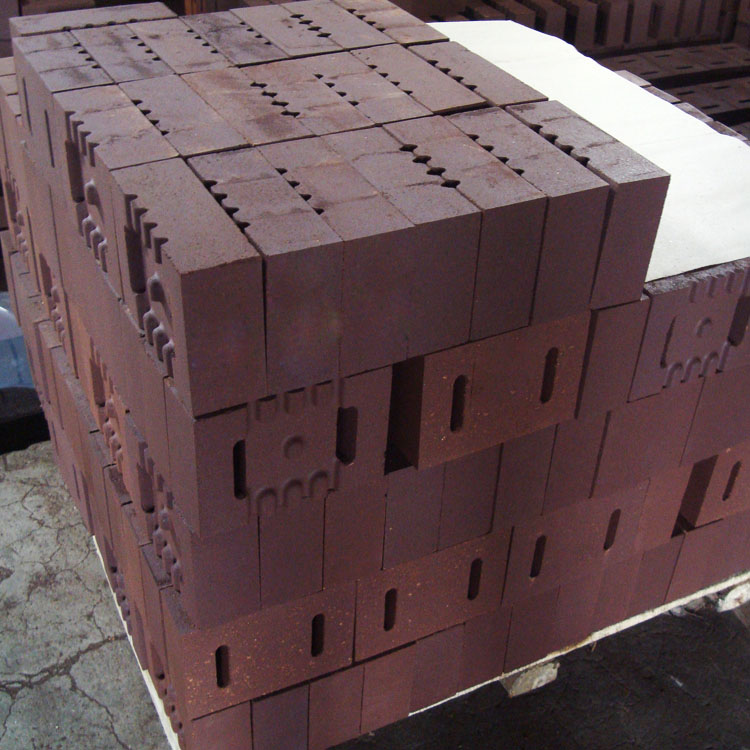
Unlike traditional bricks relying solely on sintered magnesia, our solution uses a unique combination:
This triad results in a brick that retains over 85% of its original compressive strength after 10 thermal shocks at 500°C/min—proven in lab tests conducted by Zhengzhou Tianyang Refractories Co., Ltd.
In real-world applications—like in ammonia synthesis or catalytic reforming units—the key is proper selection based on your process’s thermal profile. For example:
“We switched to silicon-bonded magnesia-chrome bricks in our fluidized bed reactor after experiencing frequent brick spalling. Since installation, we’ve seen zero failures in 18 months—even during emergency shutdowns.” — Process Engineer, Sinopec Refinery
Installation best practices include:
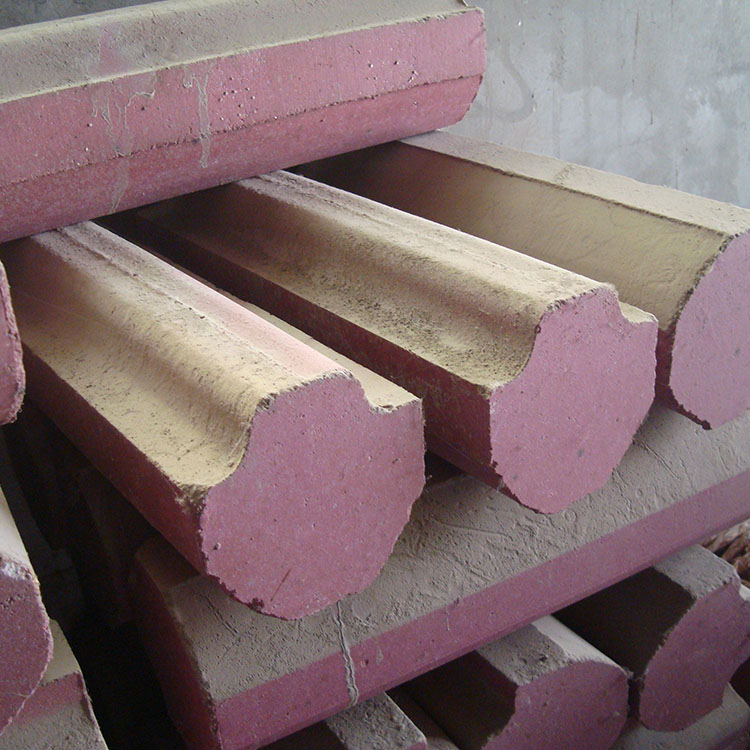
Even the best materials degrade if neglected. Monitor these common failure modes:
Regular inspection intervals (quarterly for critical zones) and predictive maintenance tools can extend service life by up to 40%, according to industry benchmarks.
If you're managing a system where thermal shock is part of daily operation—not an exception—you need more than just refractory bricks. You need smart engineering, proven chemistry, and actionable guidance.
Download our free guide: “Step-by-Step Installation Manual for Magnesia-Chrome Bricks in High-Thermal-Shock Applications”
Get the Guide Now