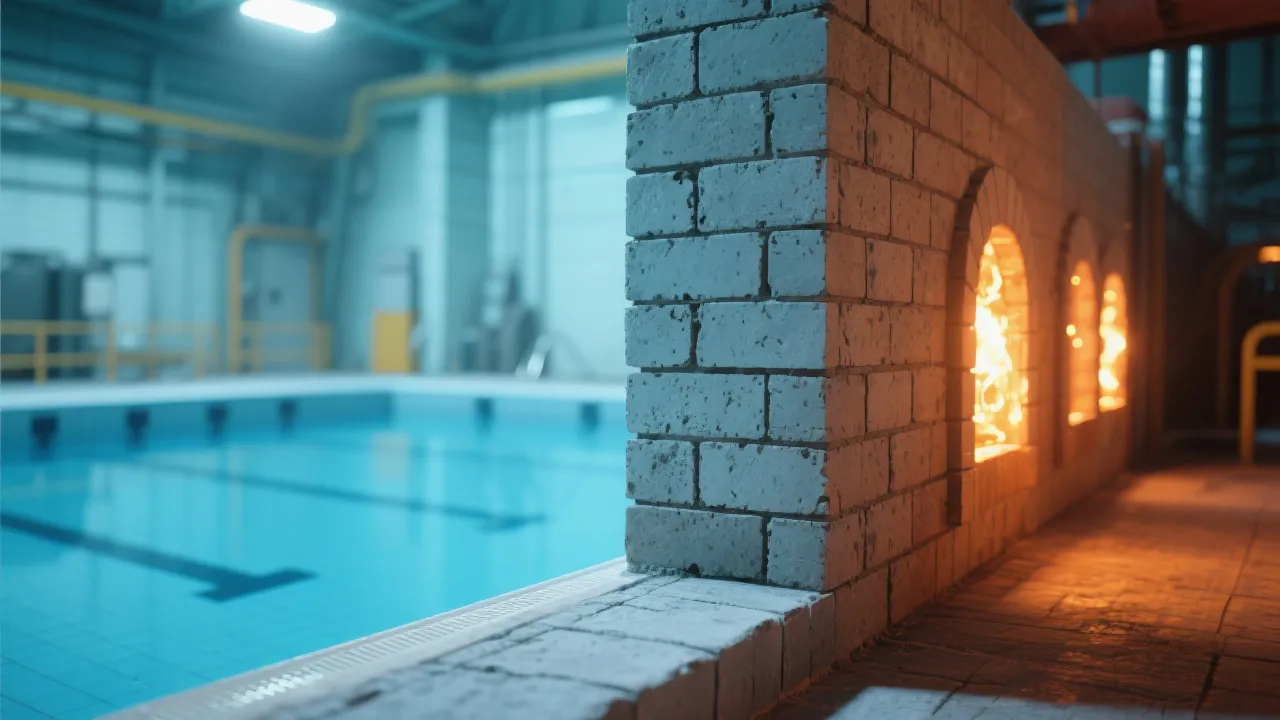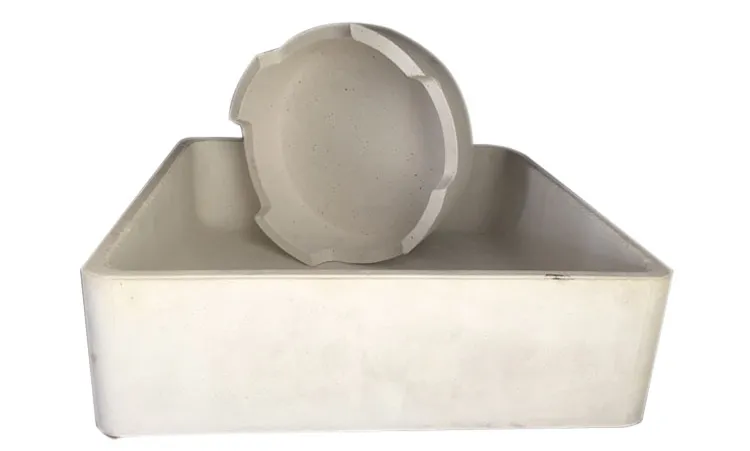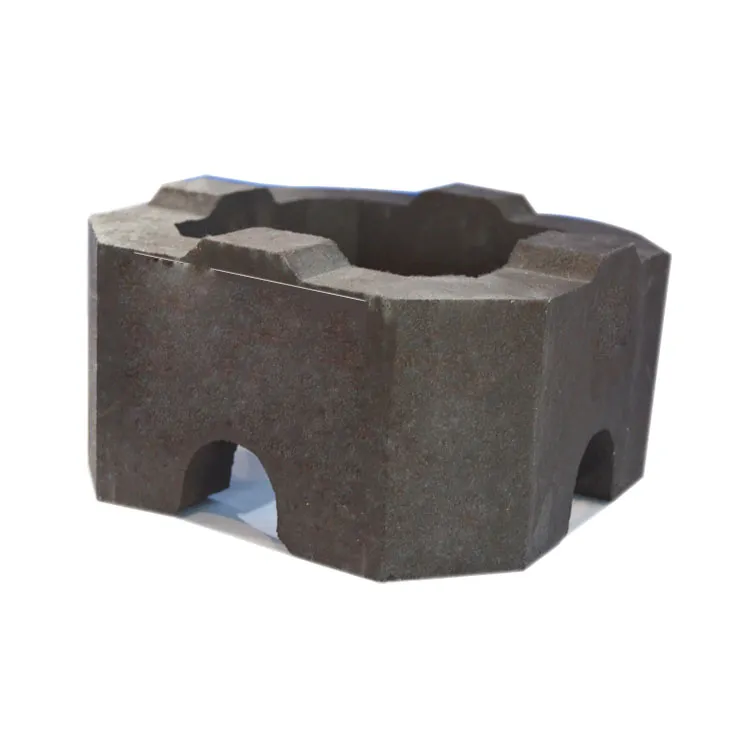
If you're responsible for maintaining high-temperature chemical reactors—whether as an engineer or procurement manager—you know that thermal shock is one of the leading causes of premature refractory lining failure. Cracking, spalling, and rapid degradation can lead to unplanned downtime, safety risks, and increased maintenance costs.
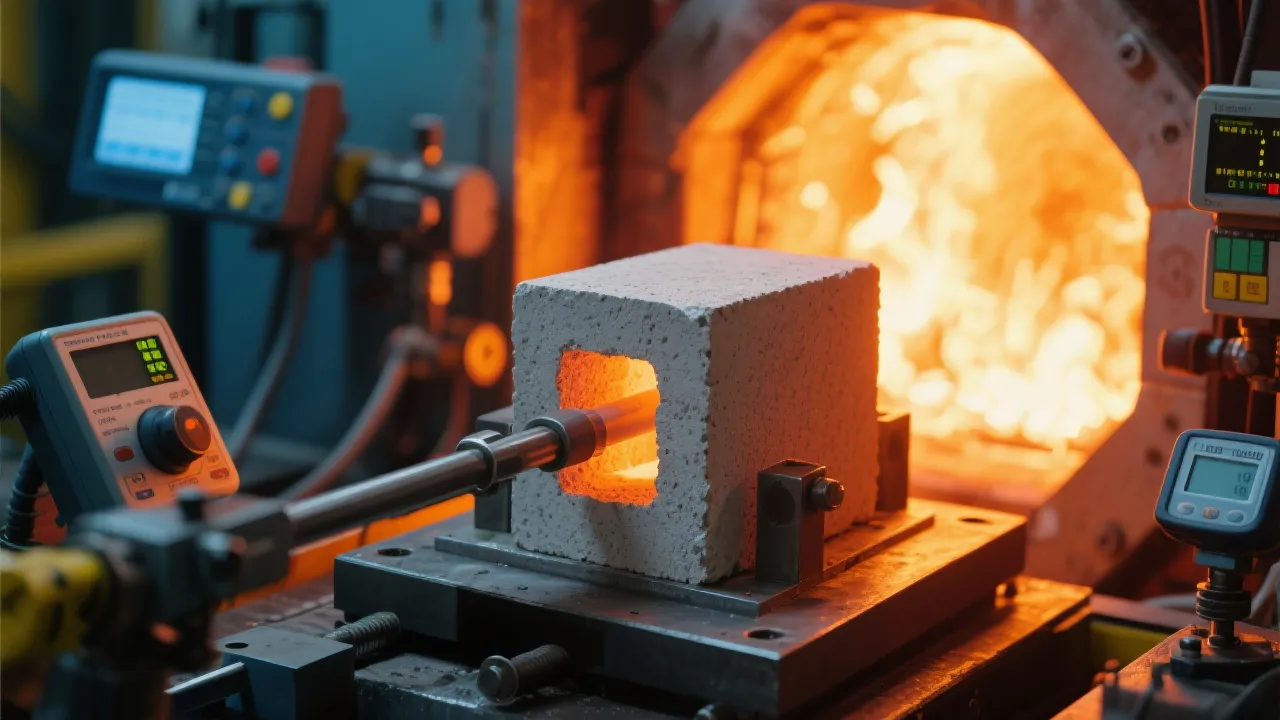
Thermal shock resistance refers to a material’s ability to withstand sudden temperature changes without structural damage. According to ASTM C1253, this property is typically evaluated using rapid heating and cooling cycles (e.g., from 1100°C to water quench). A key indicator? The linear change rate after multiple cycles—ideally ≤0.5% for premium materials like silicon-bonded magnesia-chrome bricks.
“In industrial applications where temperature fluctuations exceed 300°C per hour, even minor deviations in thermal expansion coefficients can cause catastrophic failure.” — Dr. Lin Zhao, Senior Refractory Engineer at Zhengzhou Tianyang Refractories Co., Ltd.
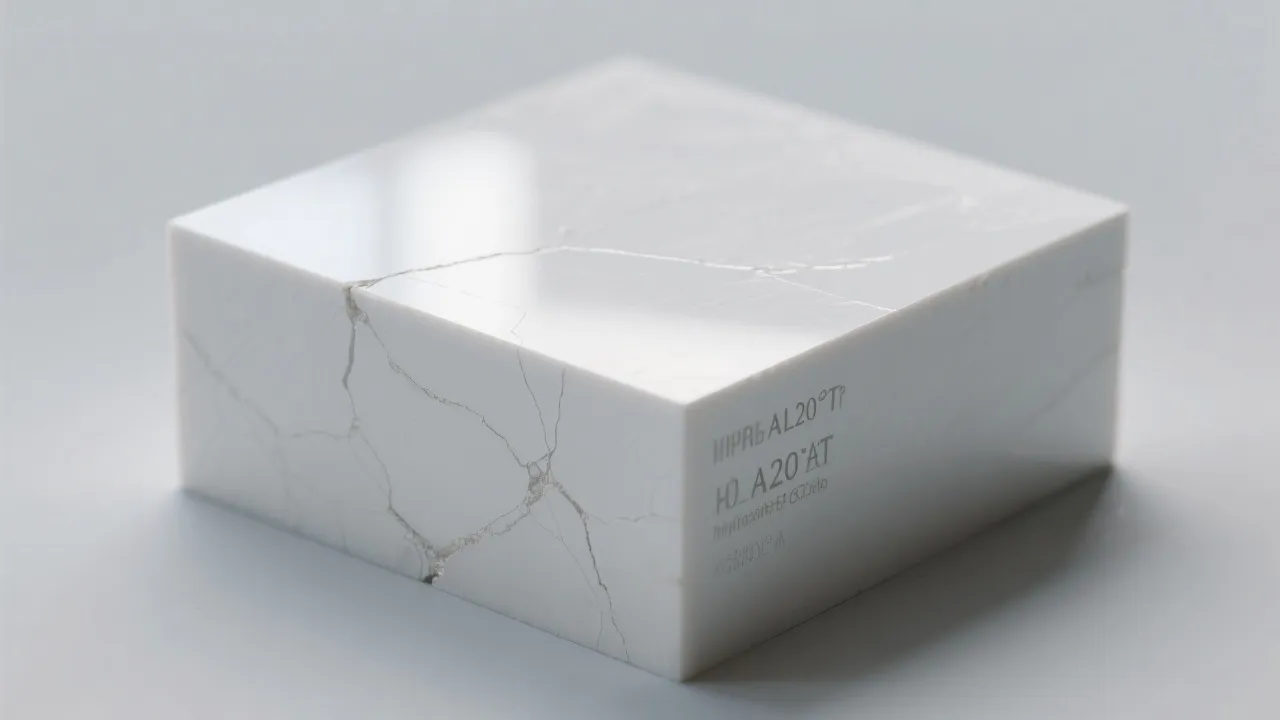
Conventional magnesite bricks often show >1.5% line change after just 5 cycles under ASTM C1253 conditions—a clear sign of poor thermal shock resistance. This leads to microcracks that propagate quickly under operational stress, especially in fluidized bed reactors or rotary kilns.
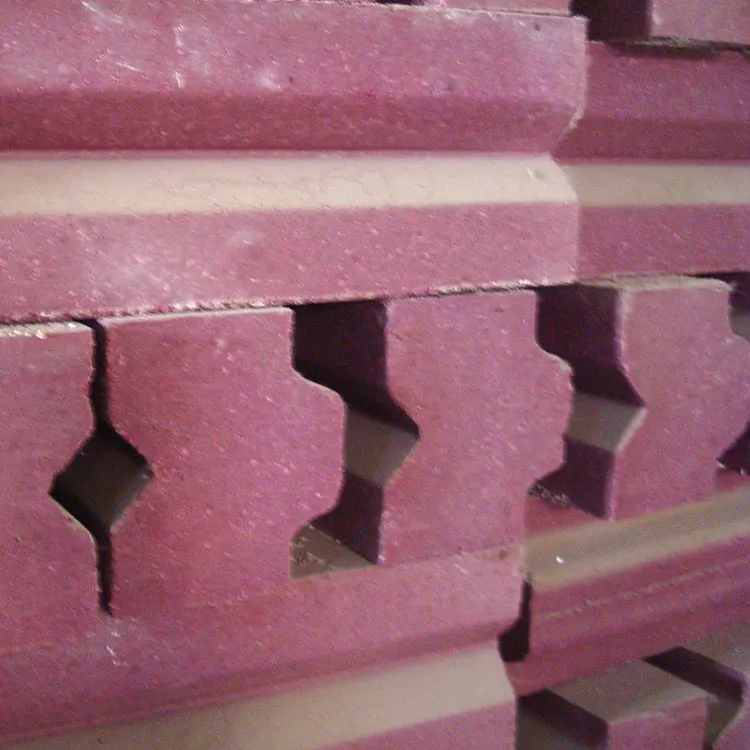
Newer silicon-bonded magnesia-chrome bricks, however, demonstrate superior performance due to their unique interlocking structure and lower thermal conductivity. In field tests conducted by Zhengzhou Tianyang, these bricks maintained structural integrity over 50+ thermal cycles with minimal deformation (average line change: 0.38%).
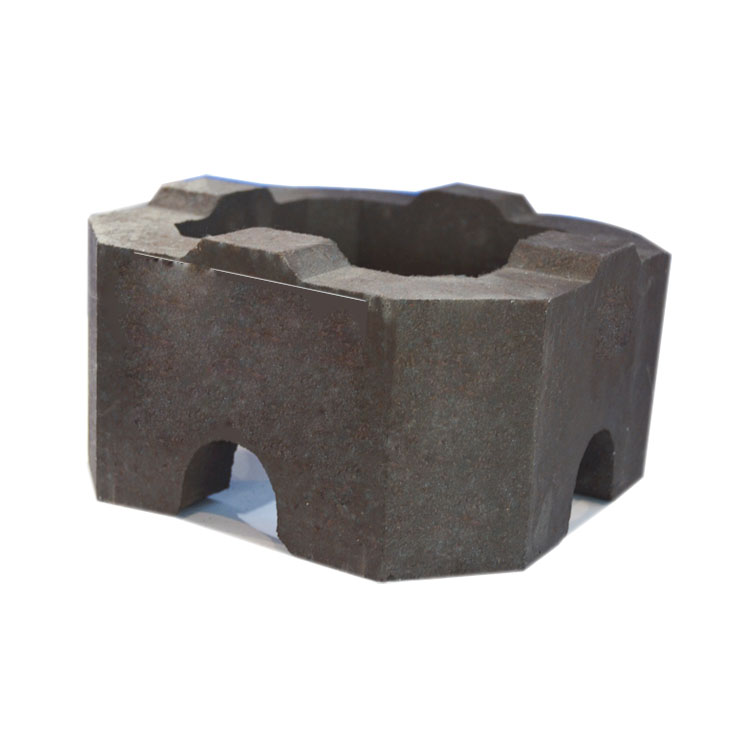
At a petrochemical plant in Saudi Arabia, switching from standard magnesite bricks to silicon-bonded magnesium chrome bricks reduced reactor shutdowns by 67% within six months. Maintenance labor hours dropped from 400 to 130 per quarter—an improvement directly tied to enhanced thermal stability.
This isn’t just theory—it’s measurable ROI. For engineers evaluating refractory options, it's critical to look beyond basic chemistry and focus on real-world performance metrics like crack propagation resistance and long-term dimensional stability.
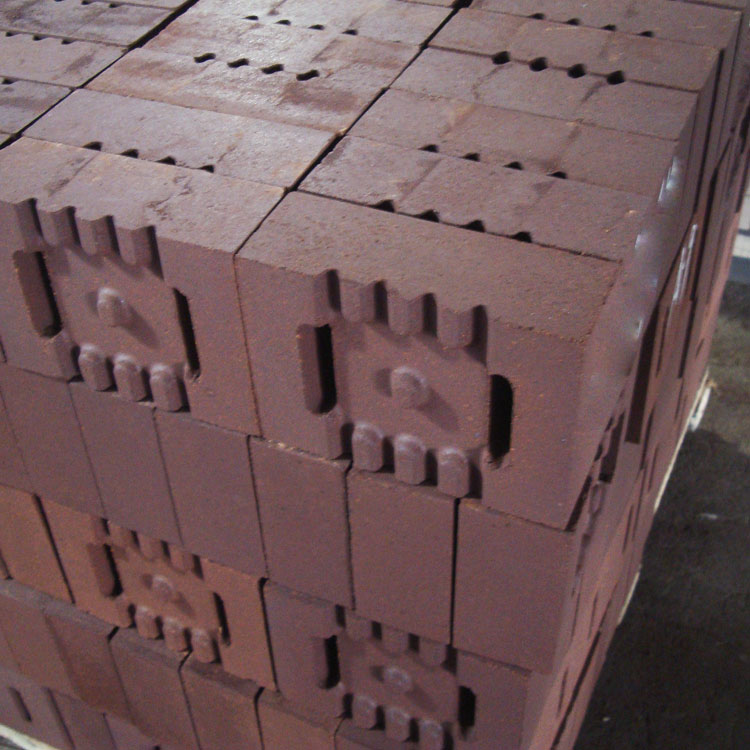
Use this quick checklist when selecting refractory materials:
These parameters ensure not only longevity but also safer operations in dynamic environments like coal gasifiers, cement kilns, and waste incinerators.
Download our free “Refractory Thermal Shock Self-Assessment Guide”—a practical tool used by engineers across 30+ countries to evaluate heat-resistant materials before purchase.
Get Free Thermal Shock Assessment Toolkit


.jpg?x-oss-process=image/resize,h_1000,m_lfit/format,webp)
.jpg?x-oss-process=image/resize,h_1000,m_lfit/format,webp)