In the operation of high-temperature chemical reactors, refractory materials are prone to cracking and even failure due to frequent temperature mutations. This guide will help you understand how to scientifically evaluate the thermal shock stability of refractory materials, from the testing principle to the practical method.
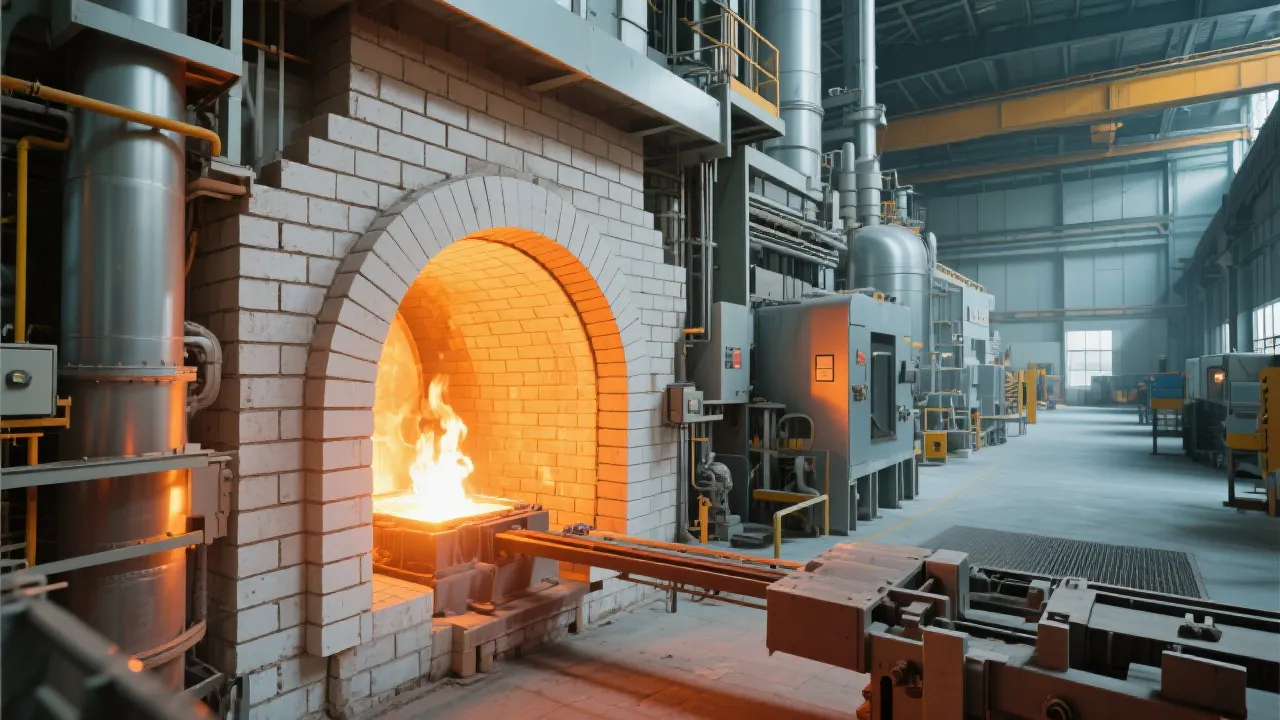
Let's start with a typical industrial failure case. A high-temperature chemical reactor suffered from reduced efficiency and frequent breakdowns. After investigation, it was found that the thermal shock damage of the refractory materials was the main culprit. Thermal shock can significantly shorten the equipment life and increase maintenance costs.
Thermal shock stability refers to the ability of a refractory material to resist damage caused by rapid temperature changes. Factors such as material composition, porosity, and thermal expansion coefficient can affect thermal shock stability. Common failure modes include cracking, spalling, and loss of strength.

There are two widely used testing methods: the water quenching method and the air quenching method. The water quenching method is suitable for materials with high thermal conductivity, while the air quenching method is more appropriate for materials with low thermal conductivity. These methods can accurately measure the thermal shock resistance of refractory materials.
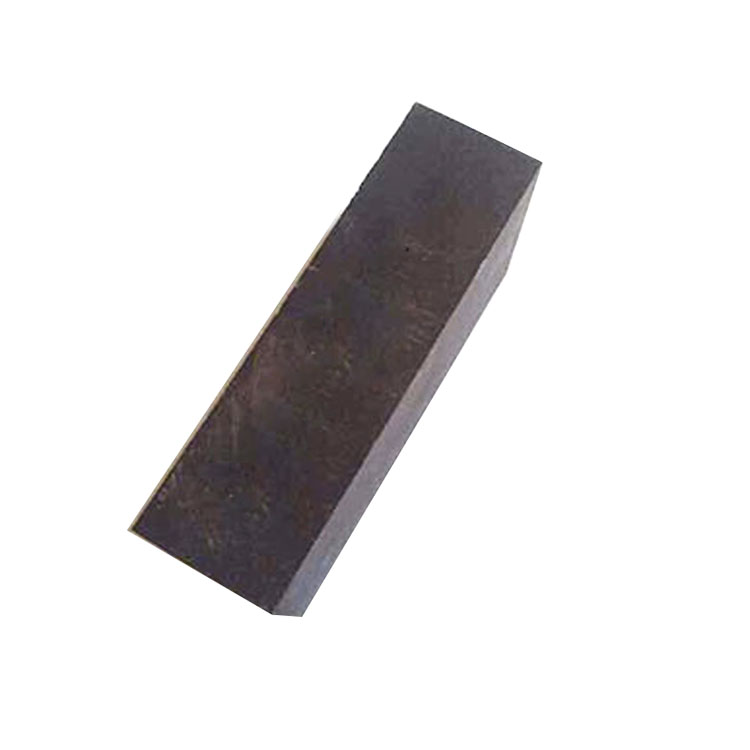
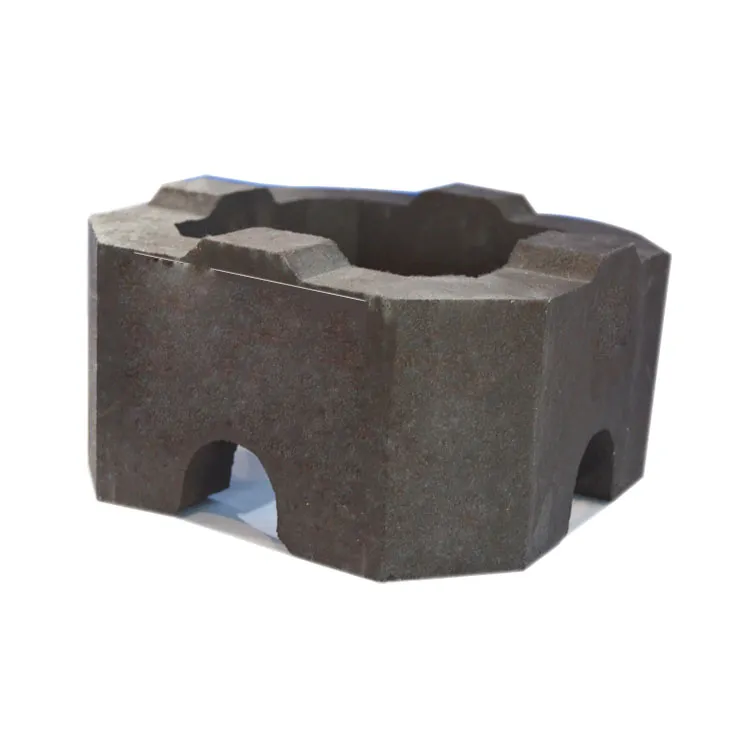
In thermal shock cycles, traditional magnesite bricks often show poor performance. For example, after 20 thermal shock cycles, the strength of traditional magnesite bricks decreased by 30%. In contrast, Tianyang magnesite-chrome bricks maintained over 80% of their original strength after 50 thermal shock cycles. The following table shows the comparison:
| Material | Thermal Shock Cycles | Strength Retention |
|---|---|---|
| Traditional Magnesite Bricks | 20 | 70% |
| Tianyang Magnesite-Chrome Bricks | 50 | 80% |
In a real application case, a chemical plant replaced traditional magnesite bricks with Tianyang magnesite-chrome bricks. As a result, the maintenance cost was reduced by 40%, and the equipment operation efficiency increased by 20%. This shows that proper material selection can bring significant economic benefits.
To ensure the best performance of refractory materials, proper installation and regular maintenance are crucial. Follow the industry standards such as GB/T 5072 during installation. Regularly inspect the materials for any signs of damage and replace them in time.
By understanding the thermal shock stability of refractory materials and making the right selection, you can improve the equipment life and operation safety. Don't miss this opportunity to enhance your equipment performance. Get a free copy of the "Selection Manual for High-Temperature Refractory Materials" now!










.jpg?x-oss-process=image/resize,h_1000,m_lfit/format,webp)