

In high-temperature industrial processes—such as ceramic firing or metal heat treatment—the performance of kiln furniture isn’t just a detail—it’s a critical factor that directly impacts production efficiency, product consistency, and equipment safety. Many operators overlook this until unexpected failures occur. But with the right knowledge and materials, you can avoid costly downtime.
According to industry data from the American Ceramic Society, improper kiln furniture usage accounts for up to 27% of unplanned furnace shutdowns in ceramic manufacturing plants. The primary culprits? Thermal shock, uneven expansion, and premature cracking—issues often preventable through better installation practices and material selection.
| Temperature Range (°C) | Recommended Kiln Furniture Material | Key Risk if Misused |
|---|---|---|
| 1000–1150°C | Low-Alumina Cordierite | Cracking under rapid cooling |
| 1150–1300°C | High-Purity Cordierite (like Sunrise Series) | Creep deformation over time |
When installing kiln furniture, always allow for thermal expansion—typically 0.5–1.0 mm per 100 mm of length at 1300°C. Skipping this step leads to stress concentration and early failure. For frequent temperature cycling (e.g., 10+ cycles/day), use fixtures designed with interlocking joints rather than rigid clamps.
Quick temperature changes are especially dangerous. A study by the European Ceramics Industry Association found that ramp rates exceeding 150°C/hour increase crack initiation risk by 60%. Implement a staged heating profile: slow rise (50–100°C/h) to 600°C, then faster ramp (up to 200°C/h) until target temp.
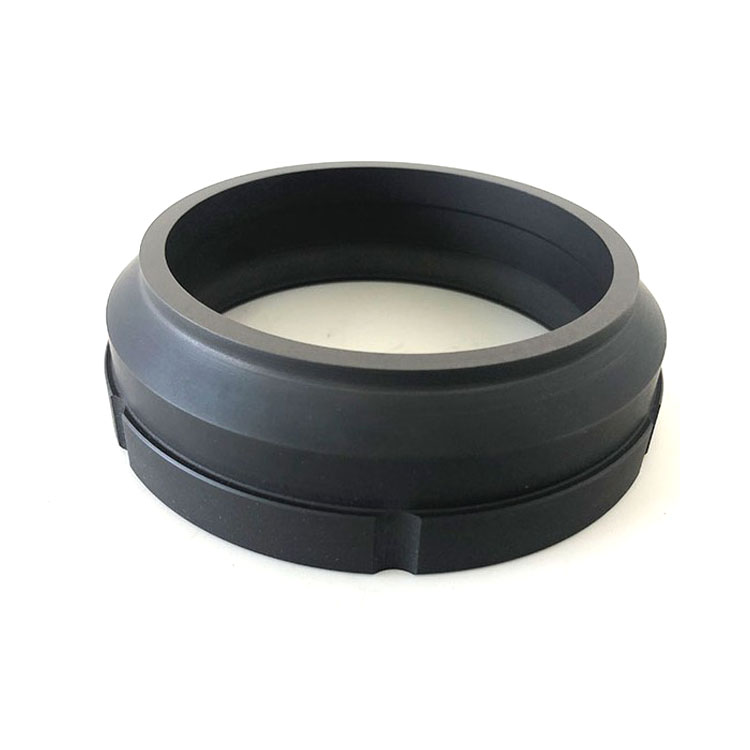
Establish a weekly visual inspection routine using a flashlight and magnifying glass. Look for micro-cracks near load-bearing points—these often precede major fractures. If detected early, surface sealing with a refractory cement paste can extend life by 30–50%.
Many customers report that switching to the Sunrise Series cordierite kiln furniture reduced their replacement frequency by over 30%, particularly in applications involving repeated thermal shocks (e.g., porcelain tile production). Why? Because it combines low thermal expansion (~2.5 x 10⁻⁶/K) with exceptional resistance to creep even at 1300°C.
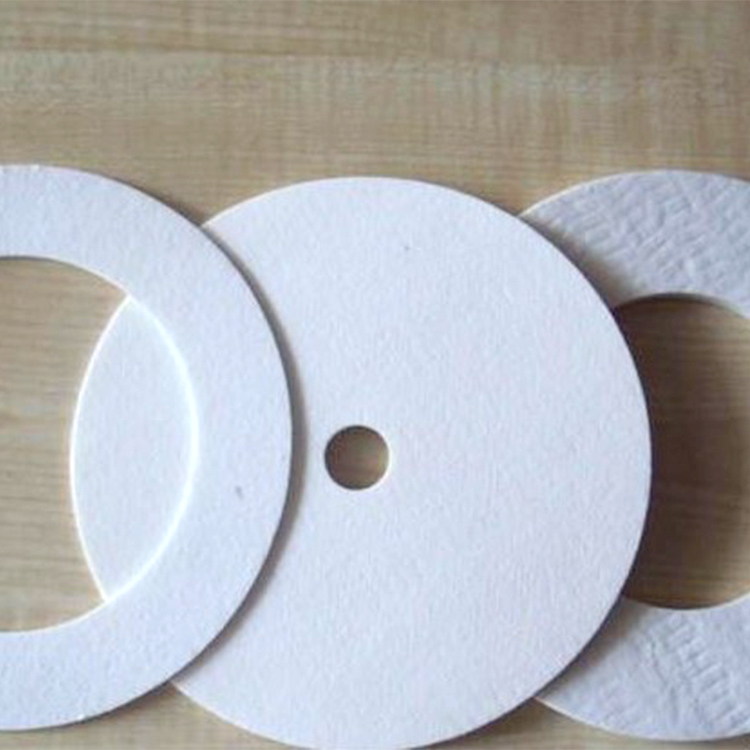
Whether you're managing a single tunnel kiln or an automated batch furnace system, investing in durable, well-understood kiln furniture pays off—not just in cost savings but in process stability and product quality.



 <#else>


