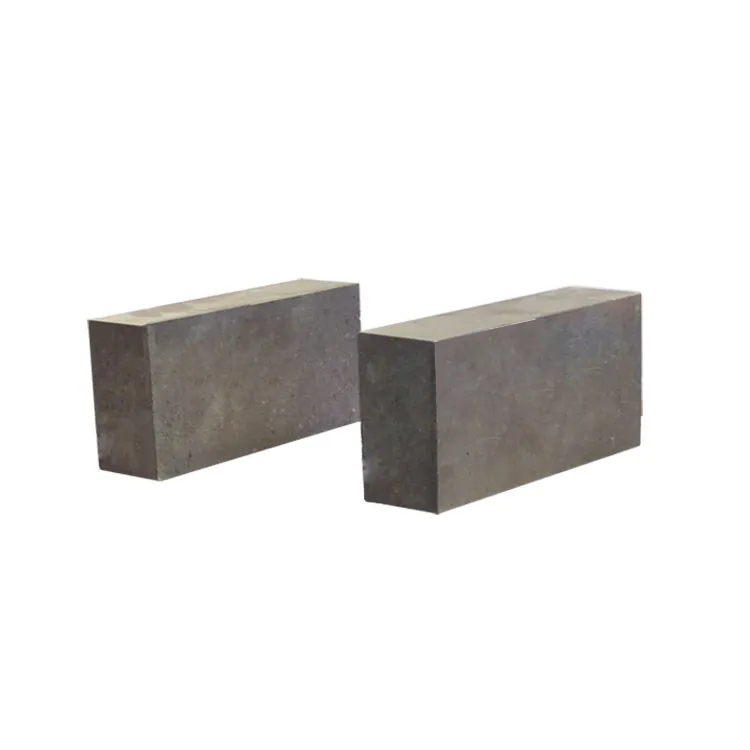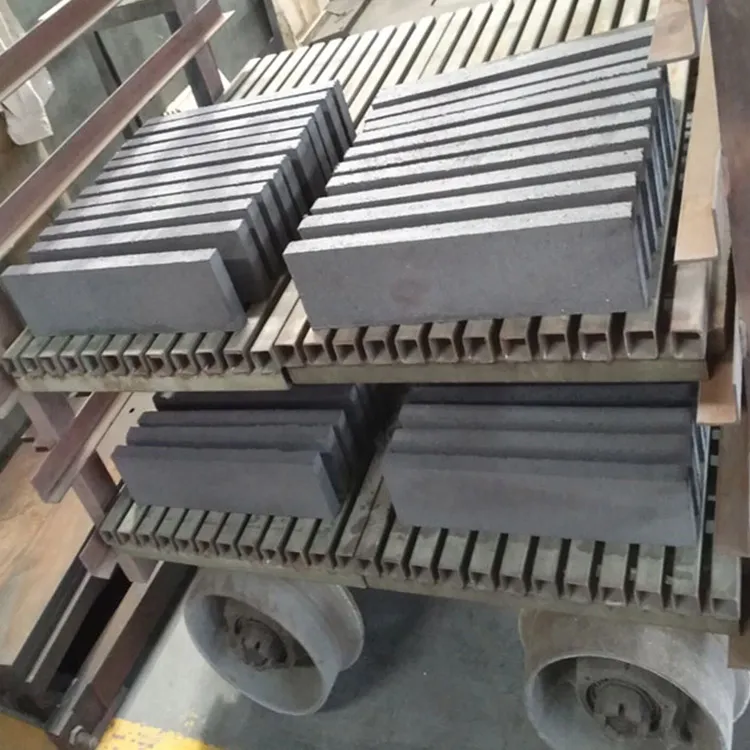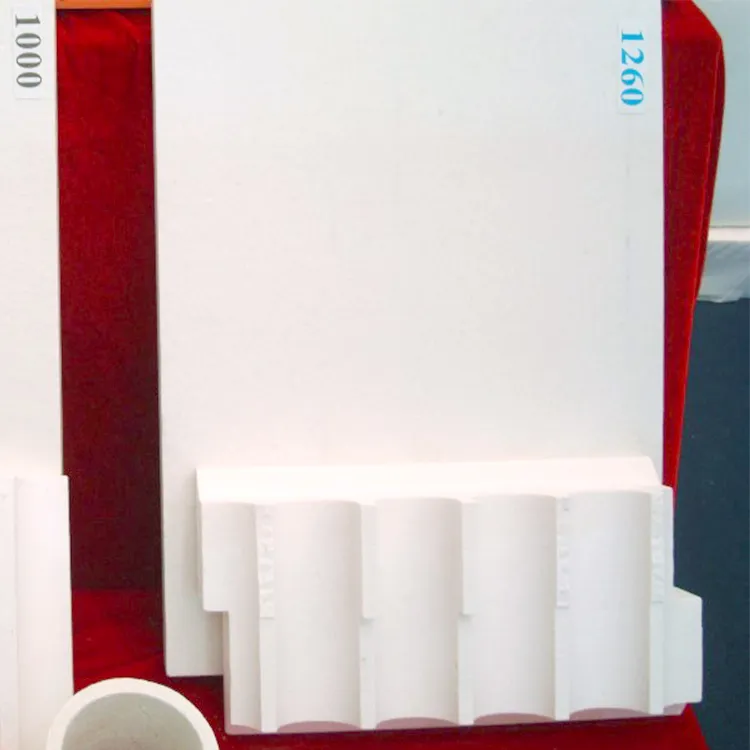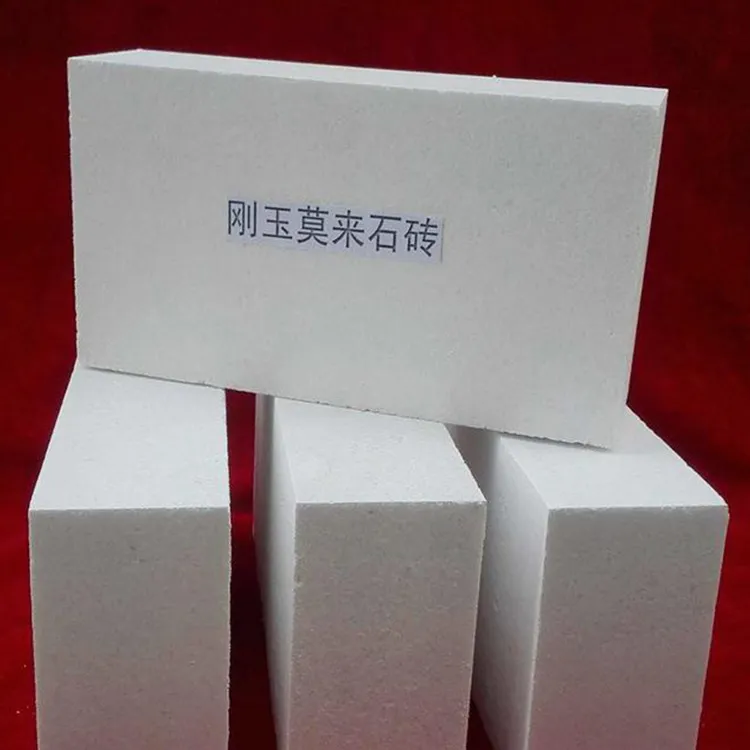
In the high-temperature industrial sector, the choice of refractory materials directly impacts production efficiency, equipment lifespan, and operational safety. Among the various refractory solutions available, sillimanite bricks have emerged as a game-changer, offering exceptional thermal stability and chemical resistance. This comprehensive guide explores the scientific principles behind Sunrise high refractory sillimanite bricks, their superior performance characteristics, and practical applications across key industries.
At the core of Sunrise sillimanite bricks lies a precisely engineered Al₂O₃·SiO₂ system, where the balance of aluminum oxide and silicon dioxide creates a material with remarkable high-temperature properties. Typically containing 55-65% Al₂O₃ and 30-35% SiO₂, these bricks form an optimal matrix that undergoes controlled transformation during firing.
"The controlled formation of mullite crystals within the sillimanite brick matrix is critical for achieving superior thermal shock resistance. Unlike traditional refractory materials, sillimanite-based products maintain structural integrity even after repeated temperature fluctuations exceeding 150°C per hour." — Dr. Michael Chen, Materials Science Professor at MIT
This chemical composition not only provides a high refractoriness under load (RUL) exceeding 1650°C but also imparts excellent resistance to slag penetration and chemical corrosion. The addition of carefully selected minor components further enhances specific performance attributes, making Sunrise sillimanite bricks adaptable to various industrial environments.
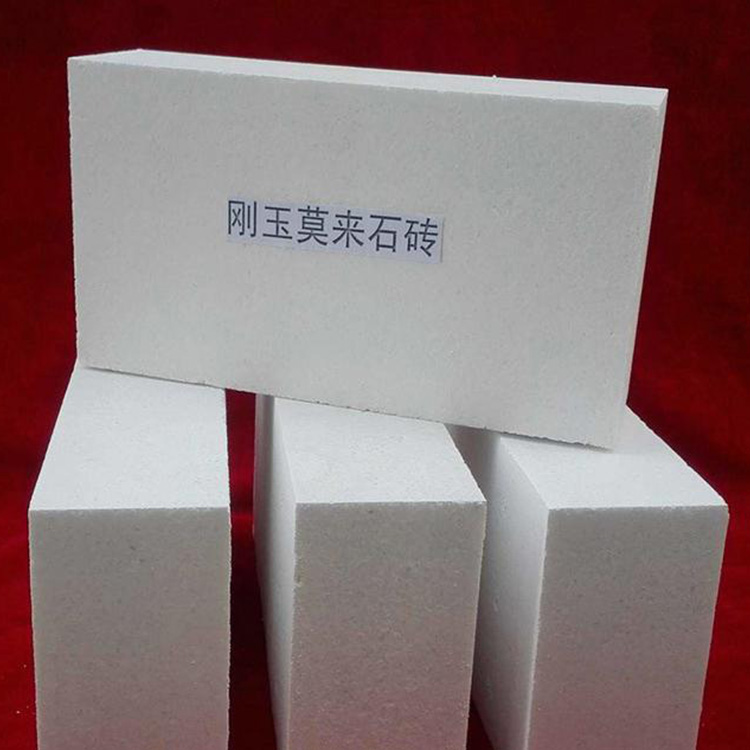
The exceptional performance of Sunrise sillimanite bricks stems from their unique crystal structure evolution during firing. As temperatures rise above 1300°C, sillimanite (Al₂SiO₅) undergoes a controlled transformation into mullite (3Al₂O₃·2SiO₂) and free silica. This mullite phase formation is critical, as mullite crystals exhibit a needle-like structure that interlocks to create a robust matrix with exceptional mechanical strength at elevated temperatures.
The resulting microstructure features mullite crystals (typically 5-15 μm in length) distributed throughout a glassy matrix, creating a composite material that combines the best properties of crystalline and amorphous phases. This structure provides both high thermal shock resistance and excellent load-bearing capacity at temperatures up to 1700°C.
Unlike many traditional refractories that experience significant phase changes or thermal expansion issues at high temperatures, the mullite structure in Sunrise sillimanite bricks maintains remarkable lattice stability. With a thermal expansion coefficient of approximately 5.3 × 10⁻⁶/°C (20-1000°C), these bricks exhibit minimal dimensional changes even under extreme temperature fluctuations, reducing the risk of structural failure in industrial furnaces.
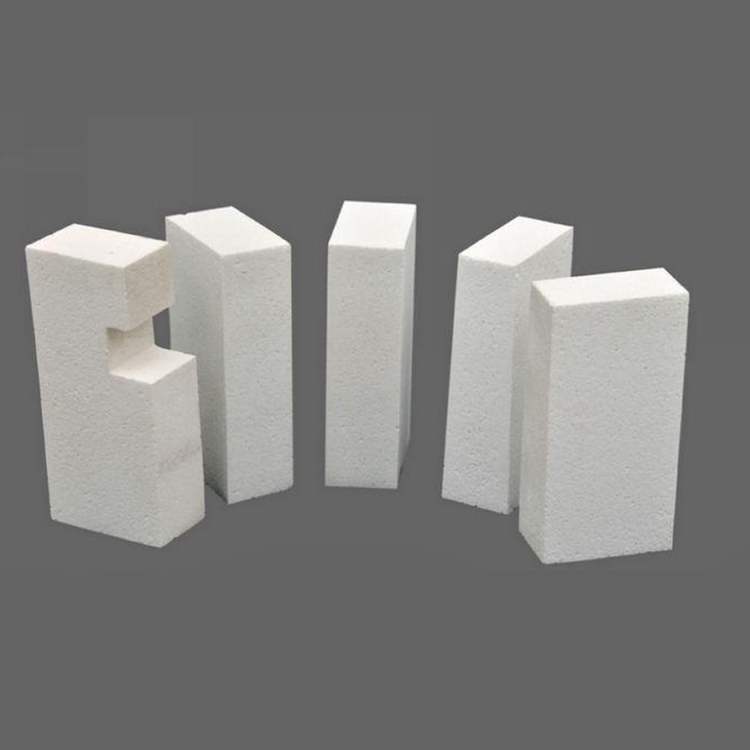
When compared to conventional refractory materials like fire clay bricks and high-alumina bricks, Sunrise sillimanite bricks demonstrate superior performance across key metrics:
In practical industrial applications, these performance differences translate to reduced maintenance costs, fewer production interruptions, and improved overall operational efficiency. For example, a steel mill in Pennsylvania reported a 40% increase in furnace lining lifespan after switching to Sunrise sillimanite bricks, resulting in annual savings of over $250,000 in maintenance and downtime costs.
In steel production, where temperatures regularly exceed 1600°C and molten metal contact is constant, Sunrise sillimanite bricks have proven invaluable. A major steel manufacturer in Ohio implemented these bricks in their electric arc furnace sidewalls, experiencing a 35% reduction in wear rate compared to their previous high-alumina lining. The improved thermal shock resistance also reduced cracking during rapid temperature cycling, extending maintenance intervals from 6 months to over 18 months.
Glass production environments demand exceptional resistance to alkaline vapors and thermal cycling. A leading glass container manufacturer in Germany reported that replacing traditional refractory bricks with Sunrise sillimanite products in their regenerator chambers resulted in a 28% increase in campaign length, from 18 to 23 months. The reduced permeability of sillimanite bricks also minimized sodium vapor penetration, decreasing maintenance requirements and improving energy efficiency by approximately 5%.
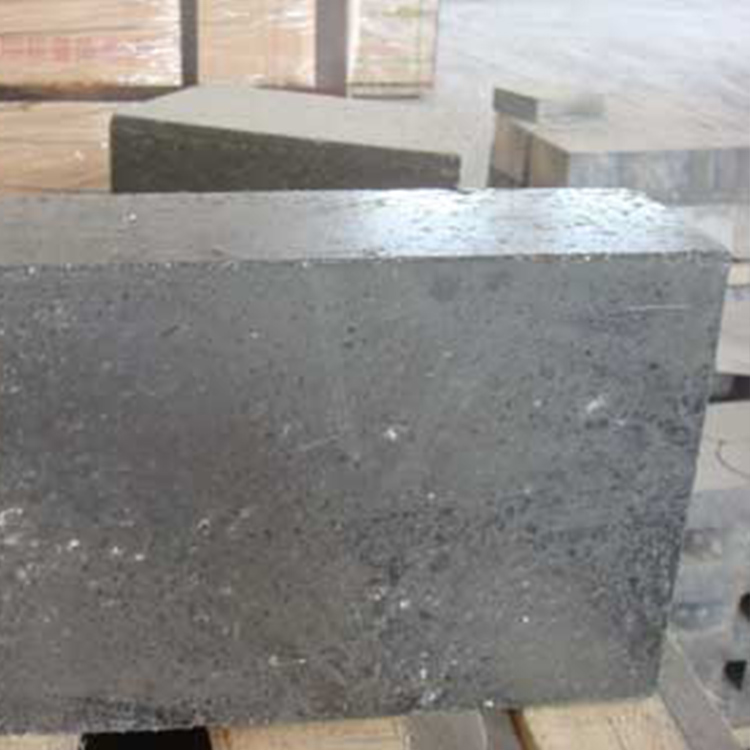
In heat treatment applications, consistent temperature distribution and resistance to thermal cycling are critical. A automotive parts manufacturer in Michigan upgraded their continuous annealing furnace with Sunrise sillimanite bricks, resulting in more uniform heating across the furnace chamber. This improvement reduced part rejection rates by 12% and improved energy efficiency by 8%, as the enhanced insulation properties reduced heat loss through the furnace walls.
To maximize the benefits of sillimanite brick installations, proper material selection and maintenance practices are essential. Consider the following factors when specifying Sunrise sillimanite bricks for your application:
Regular inspection and maintenance are also crucial for extending service life. Implementing a proactive monitoring program can identify potential issues before they lead to catastrophic failure, further optimizing the cost-effectiveness of your refractory investment.
Ready to enhance your furnace performance, reduce maintenance costs, and improve operational efficiency? Our team of refractory experts is available to provide personalized recommendations based on your specific industrial application.
Get Your Custom Sillimanite Brick SolutionThe science behind Sunrise high refractory sillimanite bricks represents a significant advancement in high-temperature materials technology. By understanding the relationship between chemical composition, crystal structure, and real-world performance, industrial operators can make informed decisions that positively impact their bottom line. As high-temperature industrial processes continue to evolve, sillimanite-based refractories will undoubtedly play an increasingly important role in meeting the demands of modern manufacturing.
Whether you're operating a steel mill, glass manufacturing facility, or heat treatment operation, the unique properties of sillimanite bricks offer tangible benefits that translate to improved productivity, reduced downtime, and enhanced safety. With proper selection and installation, these advanced refractory materials represent a sound investment in the future of your industrial processes.





.jpg?x-oss-process=image/resize,h_1000,m_lfit/format,webp)