.jpg?x-oss-process=image/resize,h_1000,m_lfit/format,webp)
In industrial operations such as blast furnaces and hot blast stoves, where temperatures can exceed 1600°C and pressures reach extreme levels, the performance of refractory materials directly impacts equipment efficiency, safety, and operational lifespan. Selecting the right refractory solution isn't just a purchasing decision—it's a strategic investment in long-term productivity and cost management.
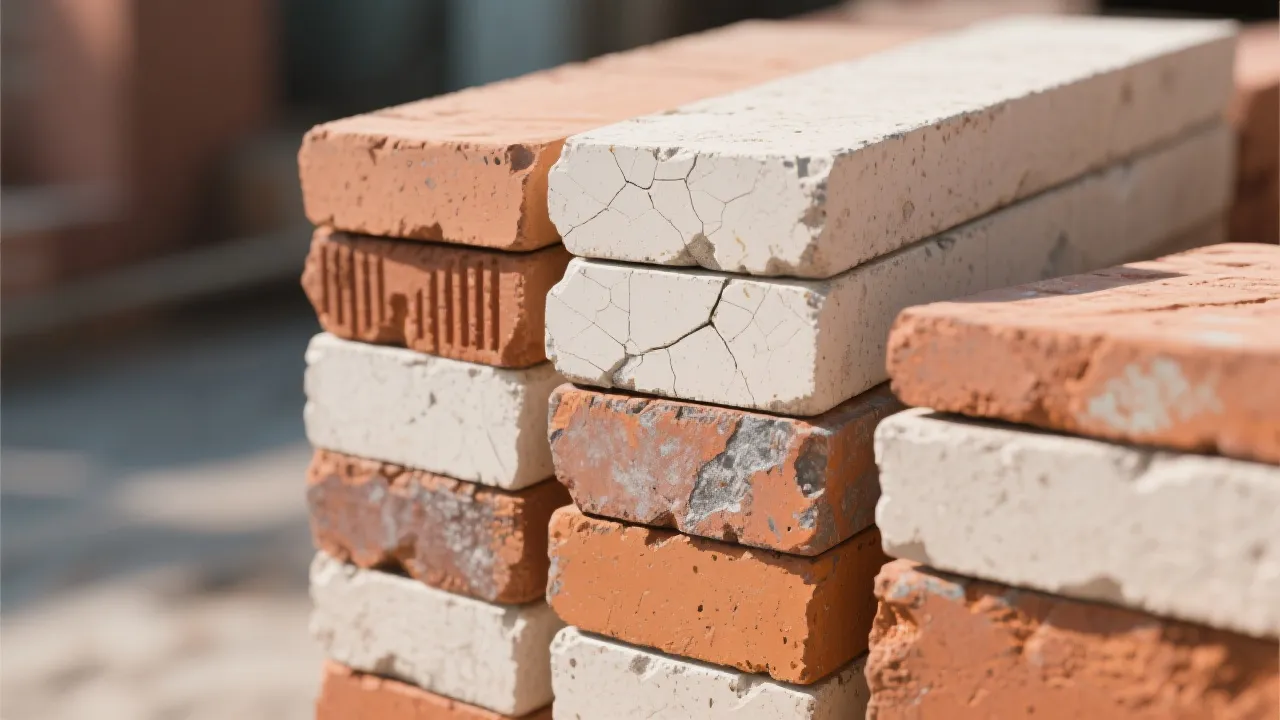
When evaluating refractory materials for high-temperature, high-pressure applications, four critical properties demand careful consideration:
.jpg)
| Property | Fireclay Bricks | High-Alumina Bricks | Silica Bricks |
|---|---|---|---|
| Max Service Temperature | 1300-1450°C | 1500-1700°C | 1600-1750°C |
| Thermal Conductivity (W/m·K) | 1.0-1.5 | 1.8-2.5 | 2.2-3.0 |
| Alkali Corrosion Resistance | Moderate | Good | Excellent |
| Thermal Shock Resistance | Good | Moderate | Very Good |
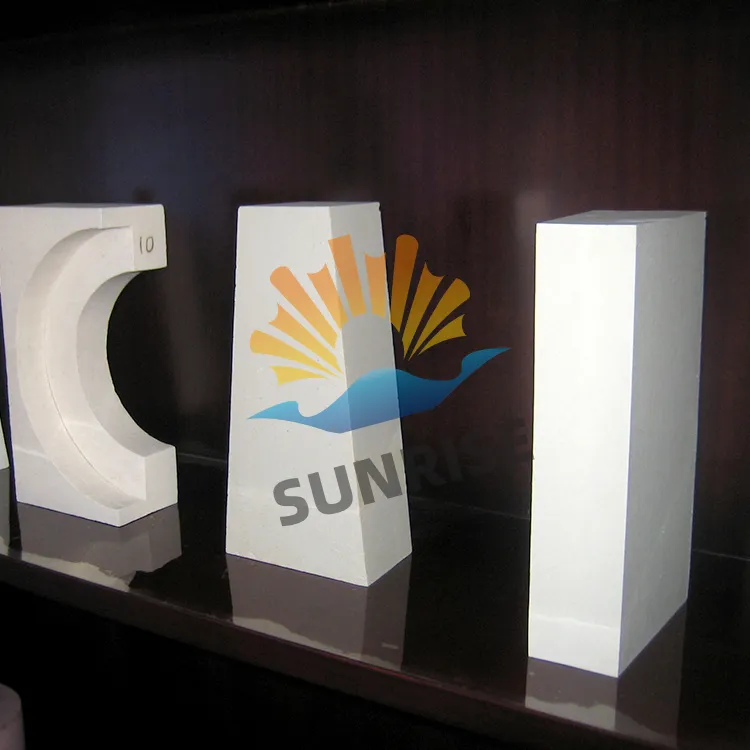
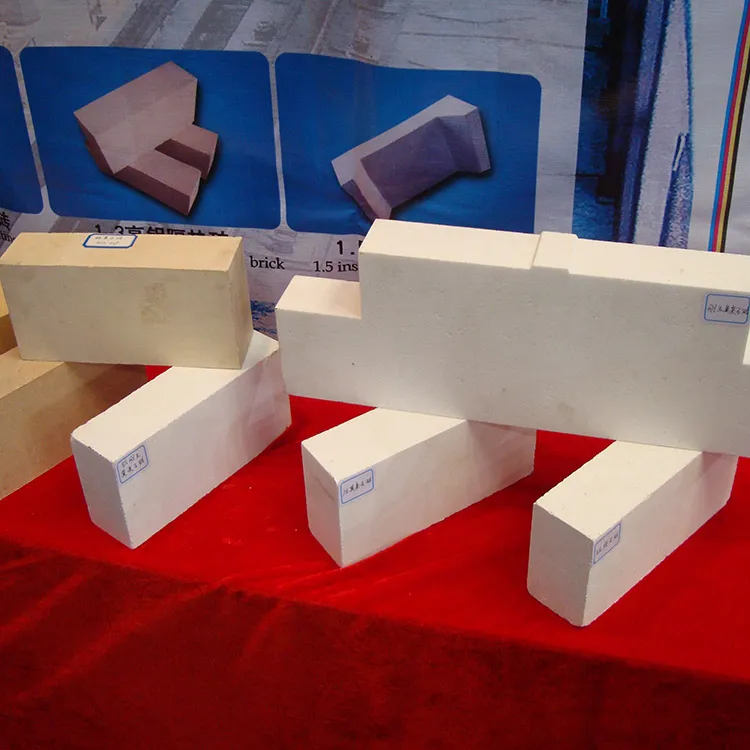
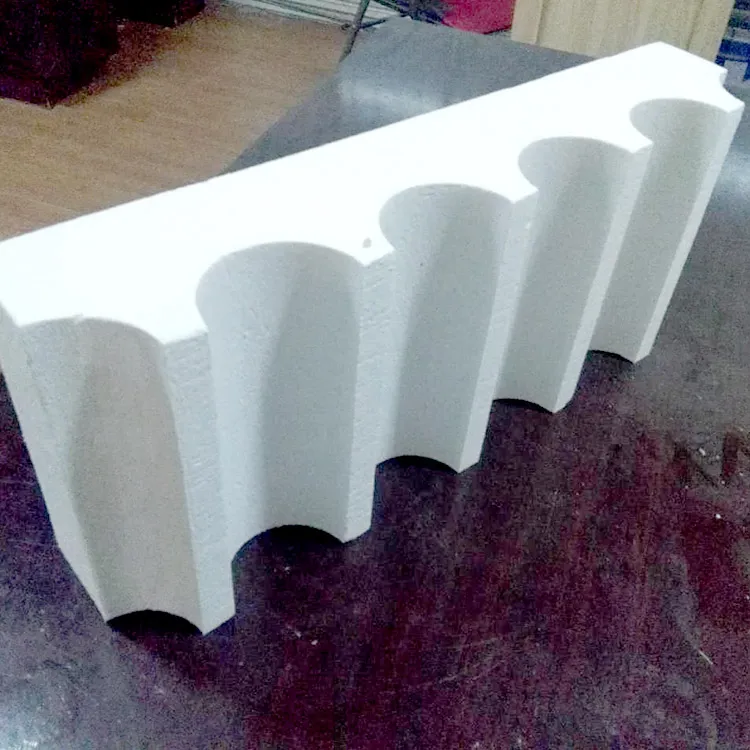
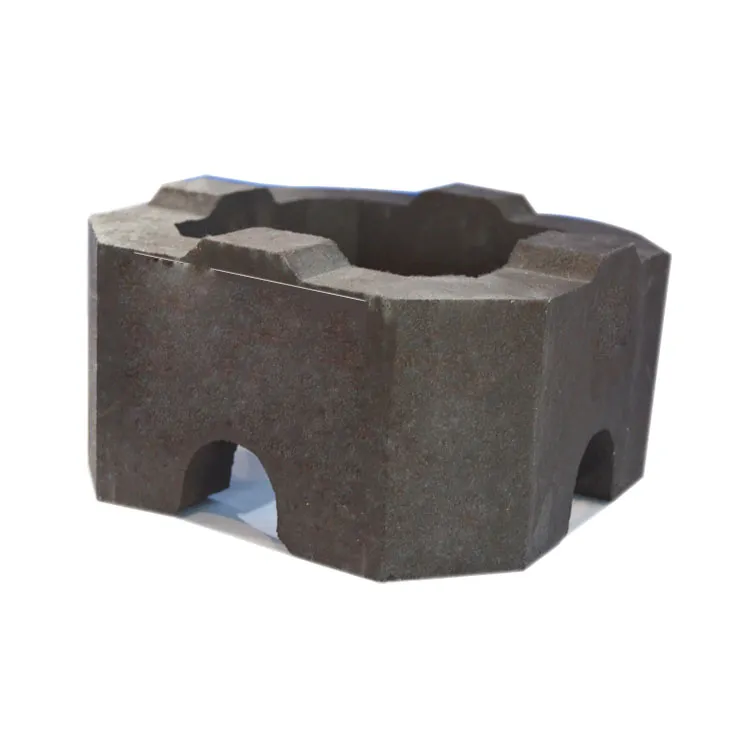
Silica bricks consistently outperform alternative materials in high-temperature, high-pressure environments, particularly in hot blast stoves and blast furnaces. Their superior thermal conductivity promotes efficient heat transfer, while their exceptional resistance to alkaline gases reduces maintenance requirements and extends service life.
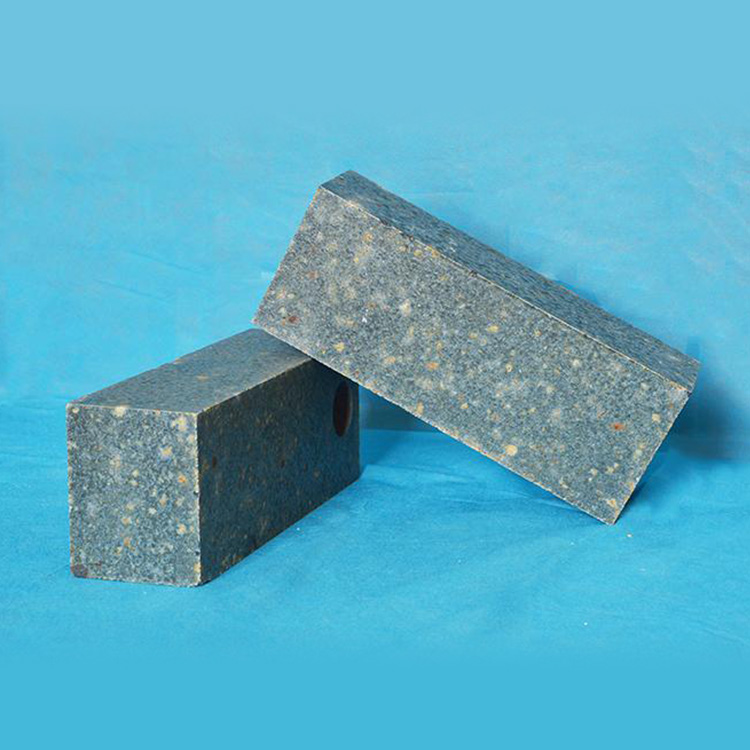
While material composition receives significant attention, dimensional accuracy is often an overlooked factor in refractory performance. In high-temperature environments, even minor deviations can lead to catastrophic failures:
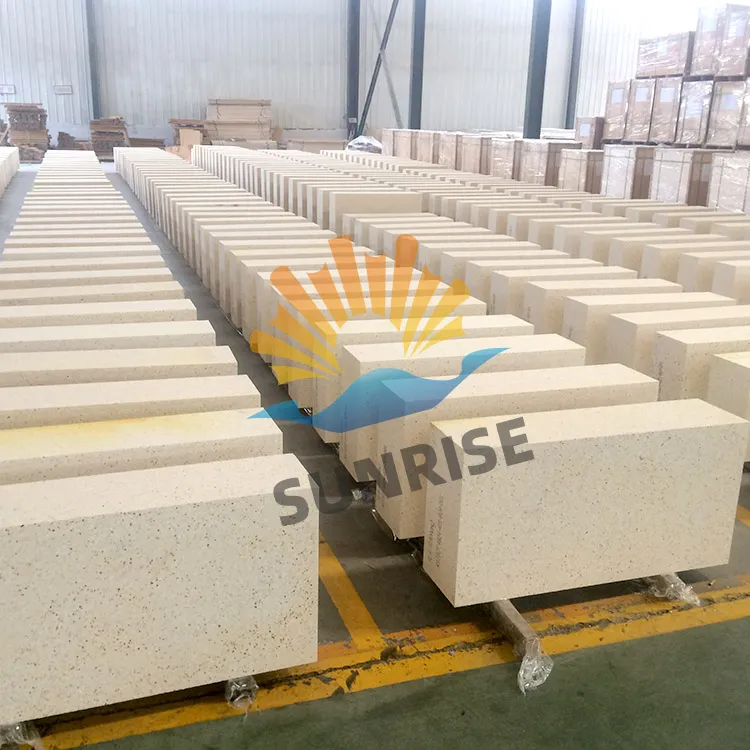
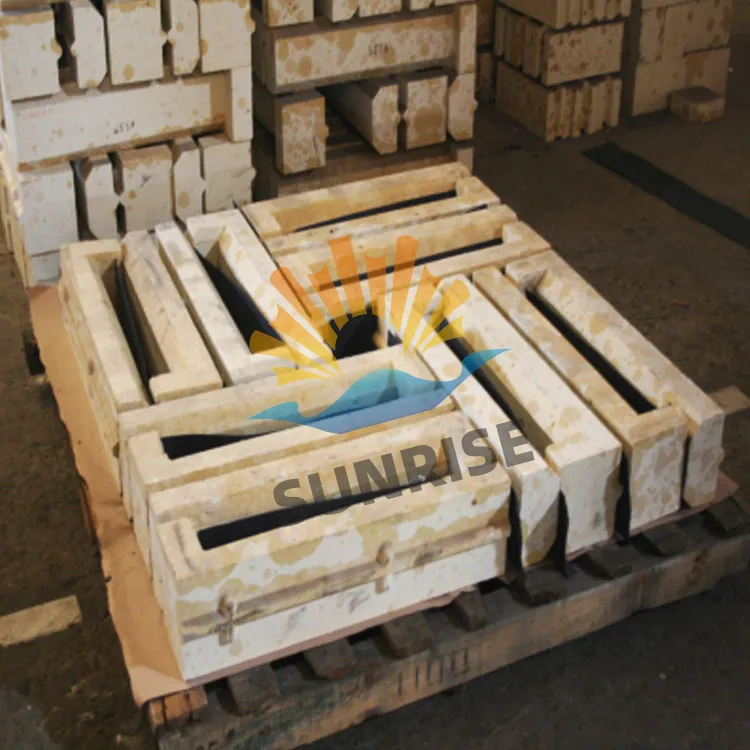
Sunrise silica bricks address these challenges through exceptional manufacturing precision, maintaining aperture differences within ±1mm and limiting crack formation to ≤0.5mm even after thousands of thermal cycles. This level of precision ensures uniform heat distribution, minimizes thermal stress, and extends the operational life of industrial furnaces by an average of 2-3 years compared to standard refractory materials.
A leading steel manufacturer recently upgraded their blast furnace hot blast stoves with Sunrise silica bricks, resulting in measurable performance improvements:
12%
Reduction in energy consumption
35%
Decrease in maintenance downtime
2.5 Years
Extension of service life
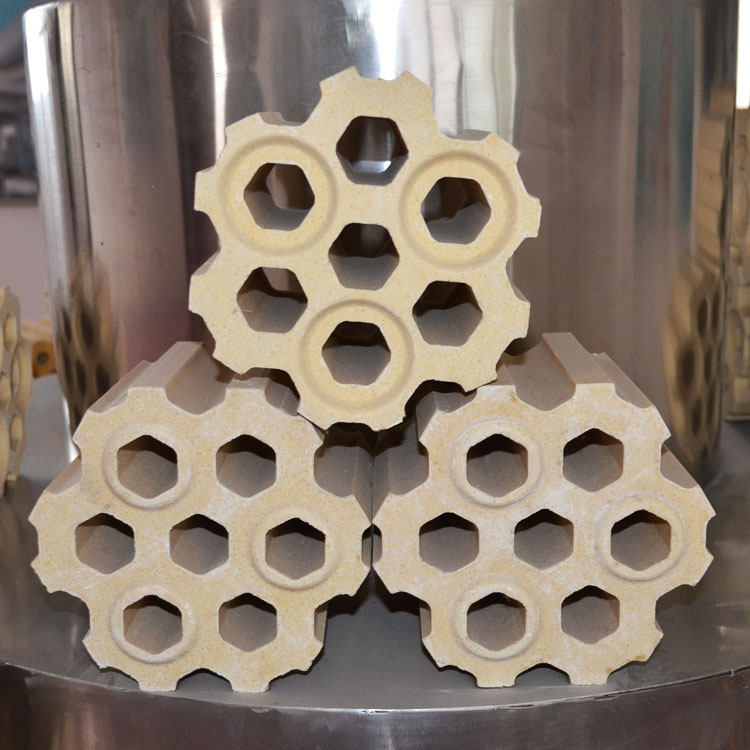
Selecting the optimal refractory material requires a systematic evaluation of operational conditions, performance requirements, and total cost of ownership. Engineers and procurement professionals should consider:
Sunrise silica bricks deliver the dimensional precision, thermal efficiency, and chemical stability required for today's most demanding industrial environments.
Discover How Sunrise Silica Bricks Can Enhance Your Furnace PerformanceBy partnering with suppliers that prioritize material science, manufacturing precision, and application expertise, industrial operators can achieve significant improvements in efficiency, reliability, and profitability. The right refractory solution doesn't just withstand extreme conditions—it transforms them into opportunities for operational excellence.
Each application presents unique challenges, which is why leading companies trust specialized refractory manufacturers that offer customized solutions and technical support throughout the entire lifecycle of their industrial equipment. From initial material selection to installation guidance and performance monitoring, expert partners ensure that your refractory investment delivers maximum returns.