In the high-stakes world of iron and steel production, where temperatures soar to 1,400°C and operational pressures exceed 250 psi, the performance of refractory materials directly impacts blast furnace efficiency, maintenance costs, and overall profitability. This comprehensive guide explores critical selection criteria for refractories in hot blast stove applications, with particular focus on alkali-resistant silica bricks that have revolutionized thermal cycling efficiency in modern blast furnace operations.
Industry data reveals that refractory-related failures account for approximately 22% of unplanned downtime in blast furnace operations, resulting in average production losses of $450,000 per day for a typical mid-sized steel mill. A 2022 survey by the International Refractory Institute found that optimized refractory selection can reduce maintenance intervals by 35-40% while improving thermal efficiency by 8-12%.
Expert Insight: "In hot blast stove applications, material degradation typically begins at the microstructural level long before visible signs appear. The combination of thermal cycling, alkali vapor attack, and mechanical stress creates a uniquely challenging environment that demands specialized material solutions." — Dr. Michael Chen, Materials Science Director, Sunrise Refractories
Optimal heat transfer efficiency requires careful balance in thermal conductivity values. While traditional fireclay bricks typically range between 1.0-1.2 W/m·K at operating temperatures, high-performance silica bricks from Sunrise offer conductivity rates of 1.4-1.6 W/m·K, facilitating more efficient heat transfer during the heating cycle while maintaining superior heat retention during the blast phase.
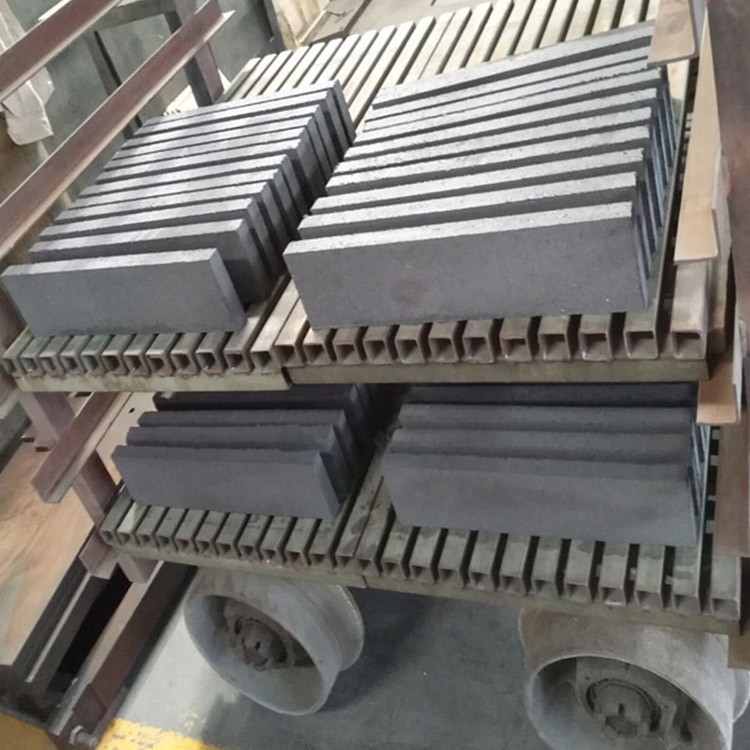
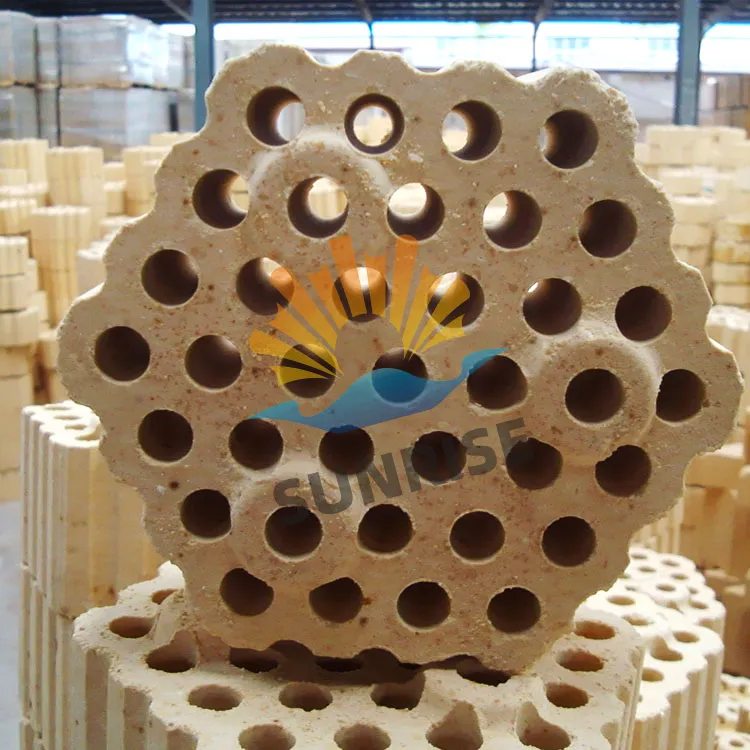
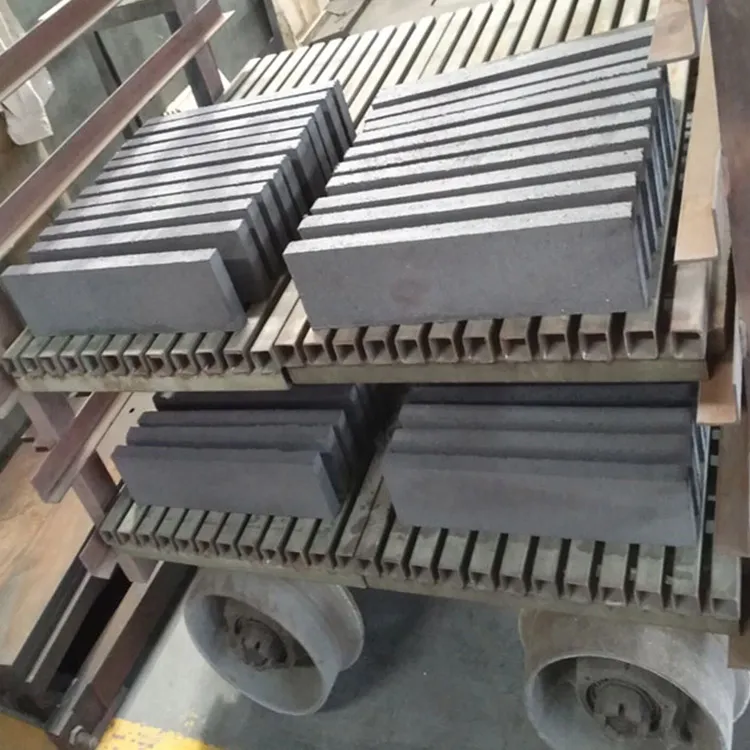
The presence of alkali vapors (primarily K2O and Na2O) in blast furnace environments poses significant challenges to refractory integrity. These compounds penetrate brick microstructures, causing volume expansion and eventual spalling. Sunrise's alkali-resistant silica bricks incorporate a proprietary additives package that reduces alkali penetration by up to 60% compared to conventional silica bricks, as verified through accelerated aging tests conducted at the company's R&D center.
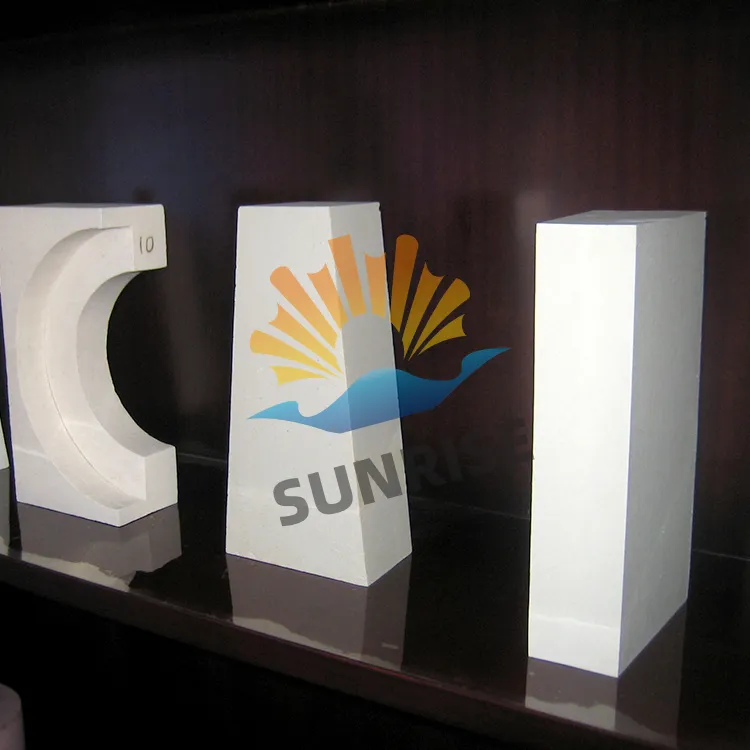
Precise dimensional control is critical for minimizing gaps between brick joints that can lead to hot gas leakage. Sunrise maintains dimensional tolerances of ±0.5mm on all hot face bricks, significantly below the industry standard of ±1.5mm. This precision, combined with a carefully engineered thermal expansion coefficient of 0.55% at 1000°C, results in exceptional thermal shock resistance, withstanding over 1,500 thermal cycles without measurable degradation.
| Material Type | Max Service Temp (°C) | Alkali Resistance Rating | Typical Service Life (Years) | Application Suitability |
|---|---|---|---|---|
| Fireclay Bricks | 1300-1450 | Fair (2/5) | 3-5 | Low-temperature zones, backup linings |
| High-Alumina Bricks | 1500-1650 | Good (3/5) | 5-7 | Intermediate temperature zones |
| Sunrise Alkali-Resistant Silica Bricks | 1600-1750 | Excellent (5/5) | 8-12 | Hot face, combustion chambers, high-alkali environments |
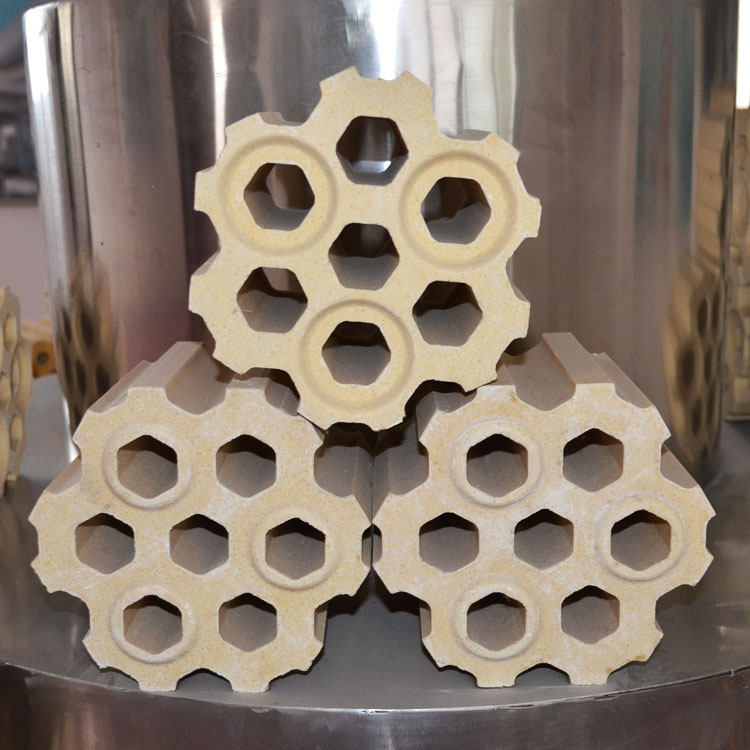
Effective refractory selection begins with detailed temperature profiling of the hot blast stove. Different zones experience varying thermal loads, requiring strategic material placement: the combustion chamber (1400-1600°C) demands the highest performance materials, while the checkerwork and dome regions (1200-1400°C) can utilize intermediate materials optimized for thermal storage capacity.
Alkali content in blast furnace gas varies significantly based on ore composition and operational parameters. Facilities processing high-alkali ores should prioritize specialized formulations like Sunrise's alkali-resistant silica bricks, which incorporate zirconia additives to create a chemical barrier against vapor penetration.
Even the highest-quality refractory materials will underperform without proper installation. Sunrise provides comprehensive technical support during installation, including laser alignment verification and joint thickness control to ensure optimal performance. Post-installation thermal curing protocols are equally critical, with controlled heating rates of 50-100°C per hour recommended to prevent thermal shock during initial startup.
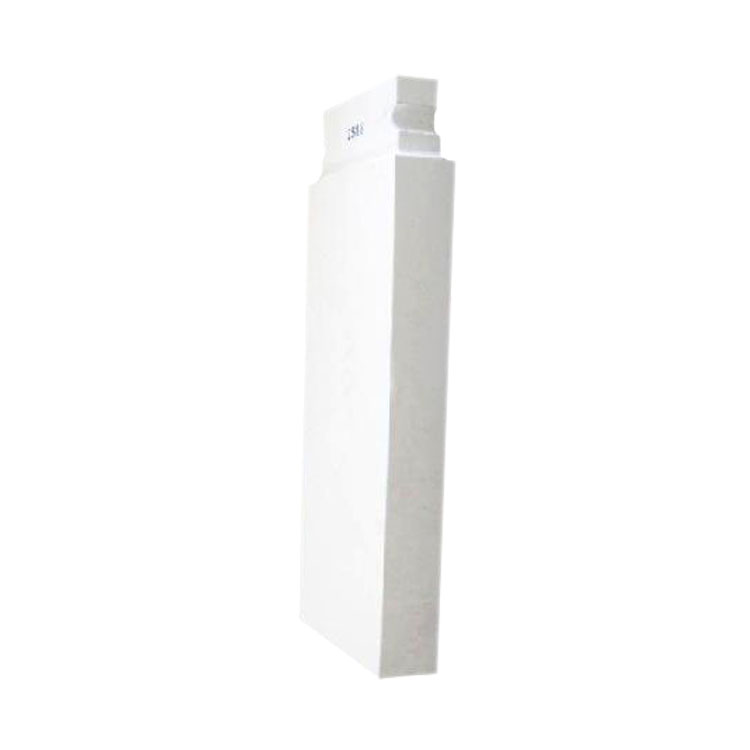
A major steel producer in the European Union recently completed a hot blast stove relining project, replacing conventional silica bricks with Sunrise's alkali-resistant formulation. The results, after 18 months of operation, demonstrated:
These improvements translated to an estimated annual savings of €840,000 in operational costs, with projected ROI of 2.3 years for the refractories investment.
Download our comprehensive Hot Blast Stove Refractory Selection Guide and discover how Sunrise alkali-resistant silica bricks can enhance your furnace efficiency, reduce downtime, and extend service life.
Get Your Free Technical GuideRefractory selection represents a critical investment in blast furnace performance and profitability. By prioritizing materials engineered for the specific challenges of high-temperature, high-alkali environments, operators can achieve significant improvements in efficiency, reliability, and bottom-line results. With over 30 years of specialized experience in iron and steel industry refractories, Sunrise continues to push the boundaries of material science to meet the evolving needs of modern blast furnace operations.