

You've likely faced the headache of frequent breakdowns in your chemical reactors. The constant need for repairs and high maintenance costs can eat into your profits and disrupt operations. These issues aren't just minor setbacks; they're significant roadblocks to your business's efficiency and bottom - line.
Let's take a closer look at why your reactor linings are failing. Temperature fluctuations, chemical corrosion, and structural stress are the main culprits. Sudden changes in temperature can cause the lining to expand and contract, leading to cracks. Chemicals in the reactor can eat away at the lining over time. And structural stress due to the weight of the materials inside the reactor can also contribute to its damage.
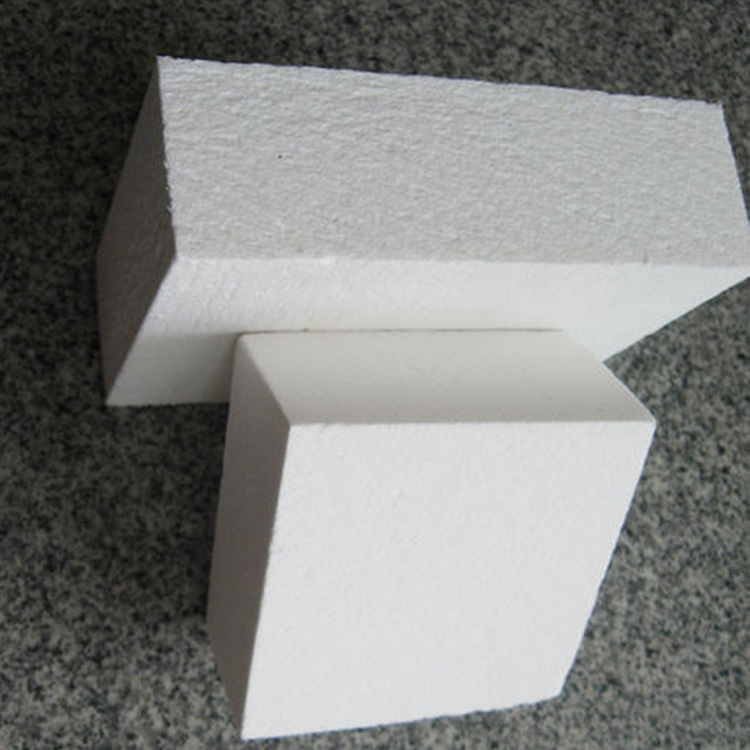
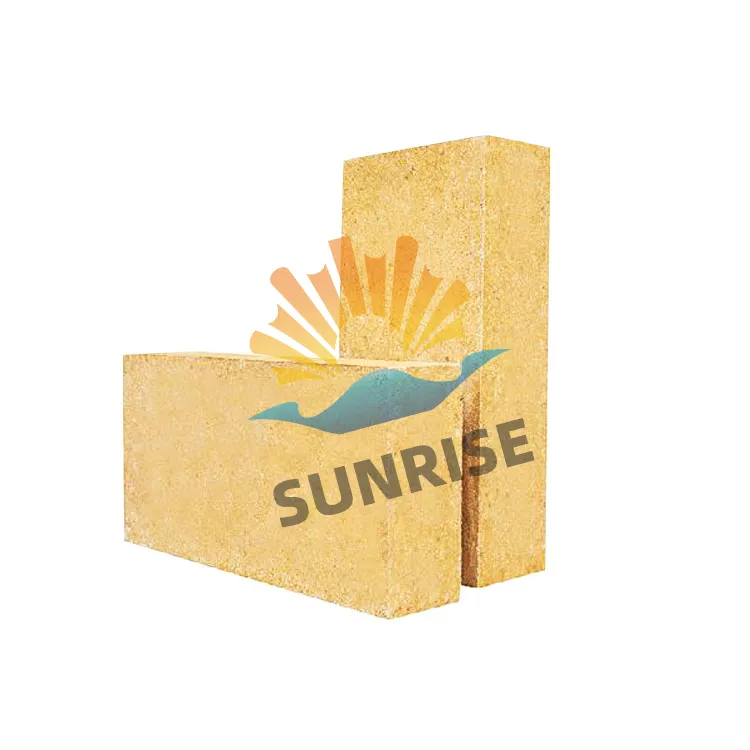
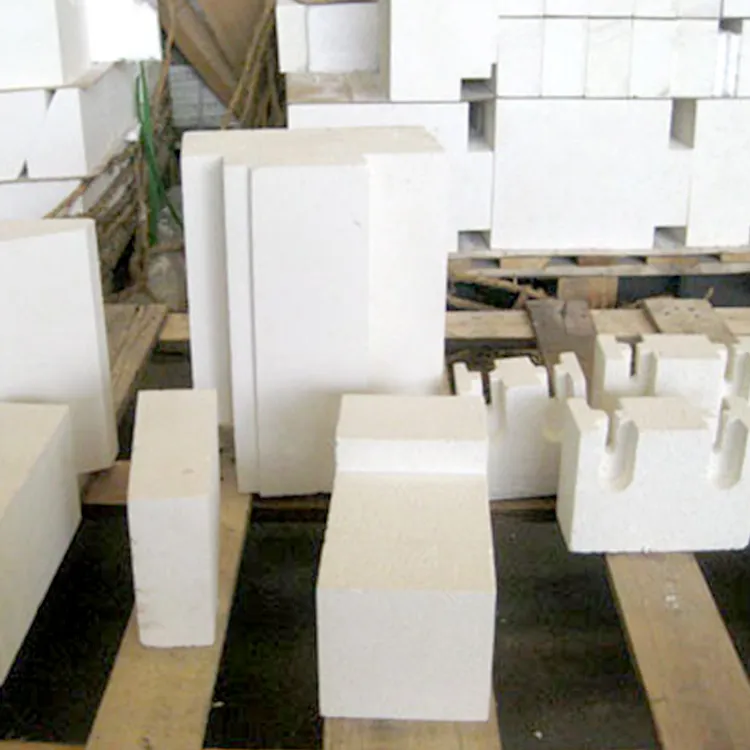
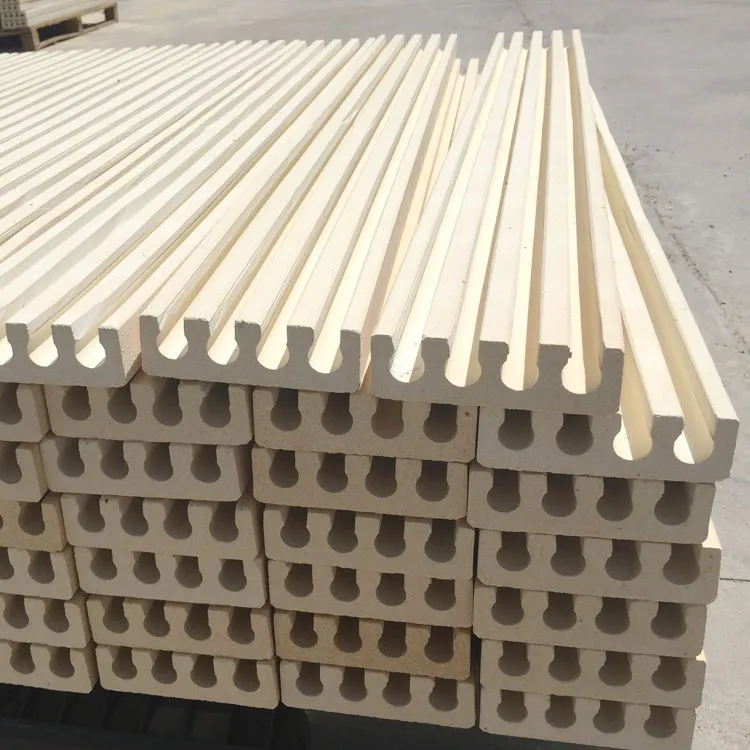
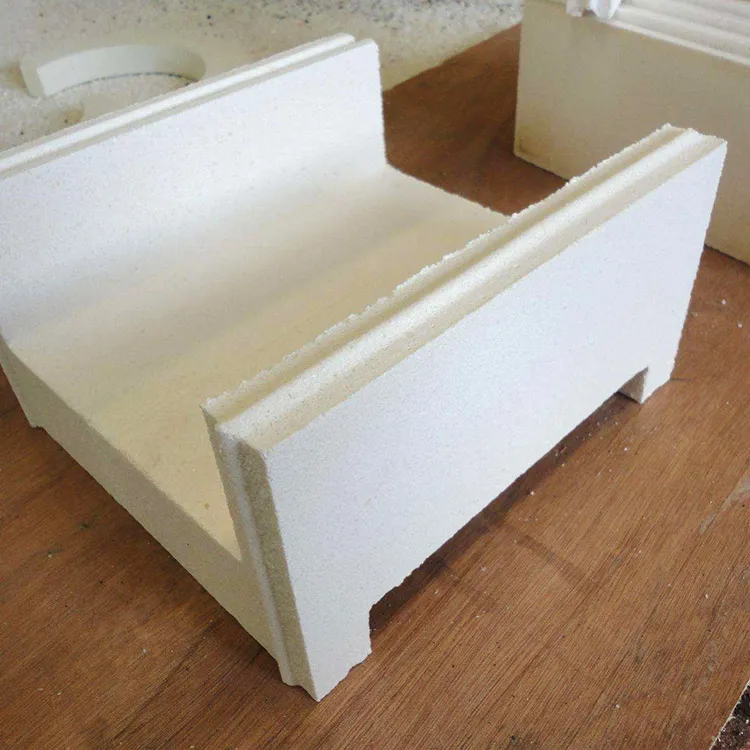
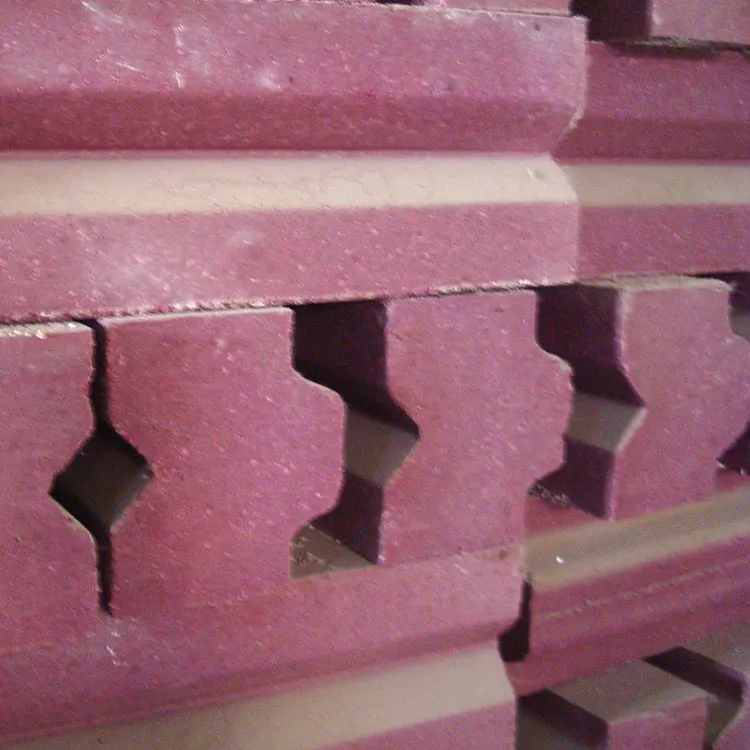
Now, let's introduce you to magnesia - chromite bricks. These bricks are made using a process that combines sintered magnesia and chromite ore with a silicate - binding system. This unique combination gives them several key advantages. For starters, they have excellent thermal shock resistance. While traditional magnesia bricks may only withstand 10 - 15 thermal shock cycles, our magnesia - chromite bricks can handle over 30 cycles, a significant improvement.
Another major advantage is their slag resistance. In high - temperature chemical reactors, slag can form and erode the lining. Magnesia - chromite bricks have a much higher resistance to slag compared to traditional magnesia bricks. Their chemical composition allows them to better withstand the corrosive effects of slag, ensuring a longer lifespan for your reactor lining.
When comparing traditional magnesia bricks with Tianyang magnesia - chromite bricks, the differences are clear. In terms of thermal shock stability, traditional magnesia bricks often crack and break after a few temperature changes. On the other hand, Tianyang magnesia - chromite bricks remain intact, thanks to their advanced manufacturing process and unique material properties.
In terms of slag resistance, traditional magnesia bricks can be severely corroded by slag, leading to frequent replacements. Tianyang magnesia - chromite bricks, however, show minimal signs of corrosion, even after long - term exposure to slag. This not only reduces your maintenance costs but also extends the overall lifespan of your reactor.
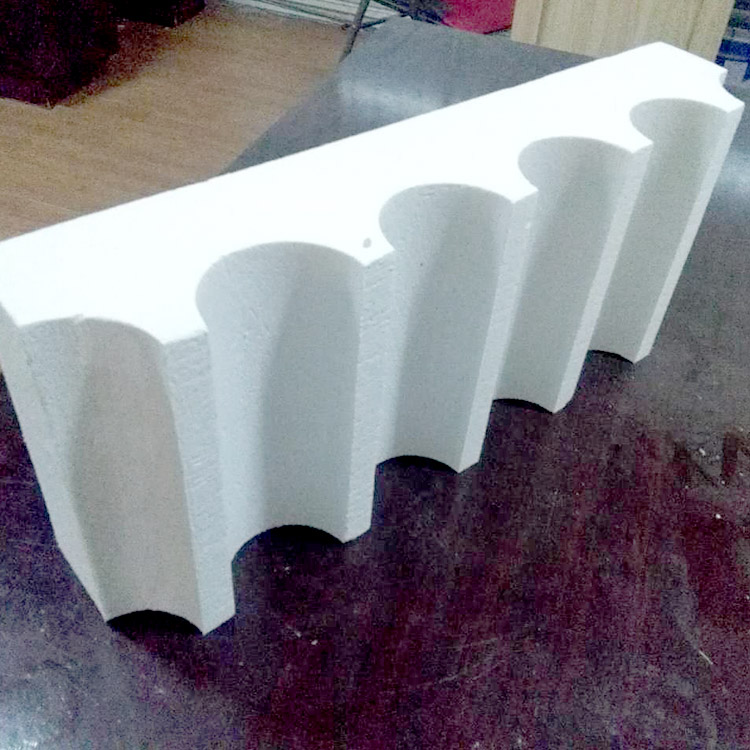
Our magnesia - chromite bricks have been successfully used in projects in Southern Europe and the Middle East. In a chemical plant in Southern Europe, after replacing the traditional magnesia brick lining with our magnesia - chromite bricks, the reactor's maintenance frequency decreased by 50%, and the overall lifespan of the reactor increased by 30%. In a project in the Middle East, the use of our magnesia - chromite bricks significantly reduced the downtime of the reactor, leading to increased production efficiency.
When installing magnesia - chromite bricks, there are some common mistakes to avoid. For example, improper installation can lead to gaps between the bricks, which can reduce their effectiveness. Make sure to follow the installation instructions carefully. During maintenance, regularly inspect the bricks for signs of damage, such as cracks or erosion. Early detection can help you address issues before they become major problems.

Choosing our magnesia - chromite bricks is not just about buying a product; it's about getting a long - term, stable solution for your chemical reactors. We offer a free selection guide and the opportunity to consult with our experts. Don't miss out on this chance to optimize your reactor's performance. Get your free selection guide now or schedule a consultation with our experts!







.jpg?x-oss-process=image/resize,h_1000,m_lfit/format,webp)


