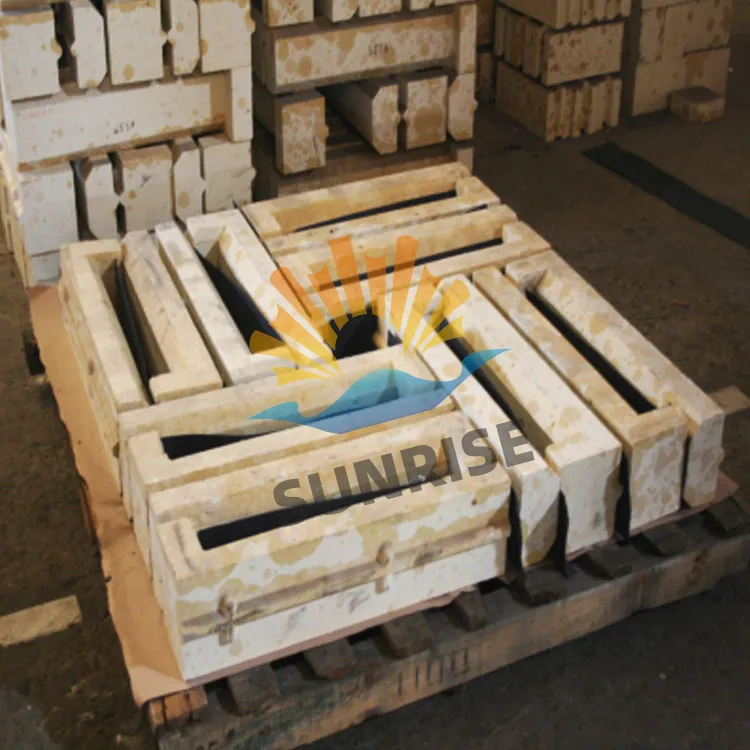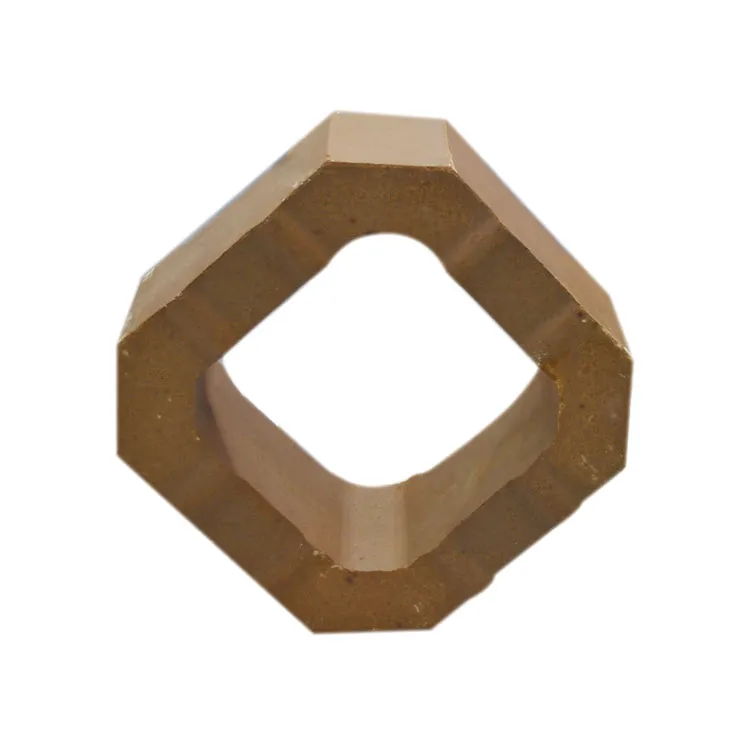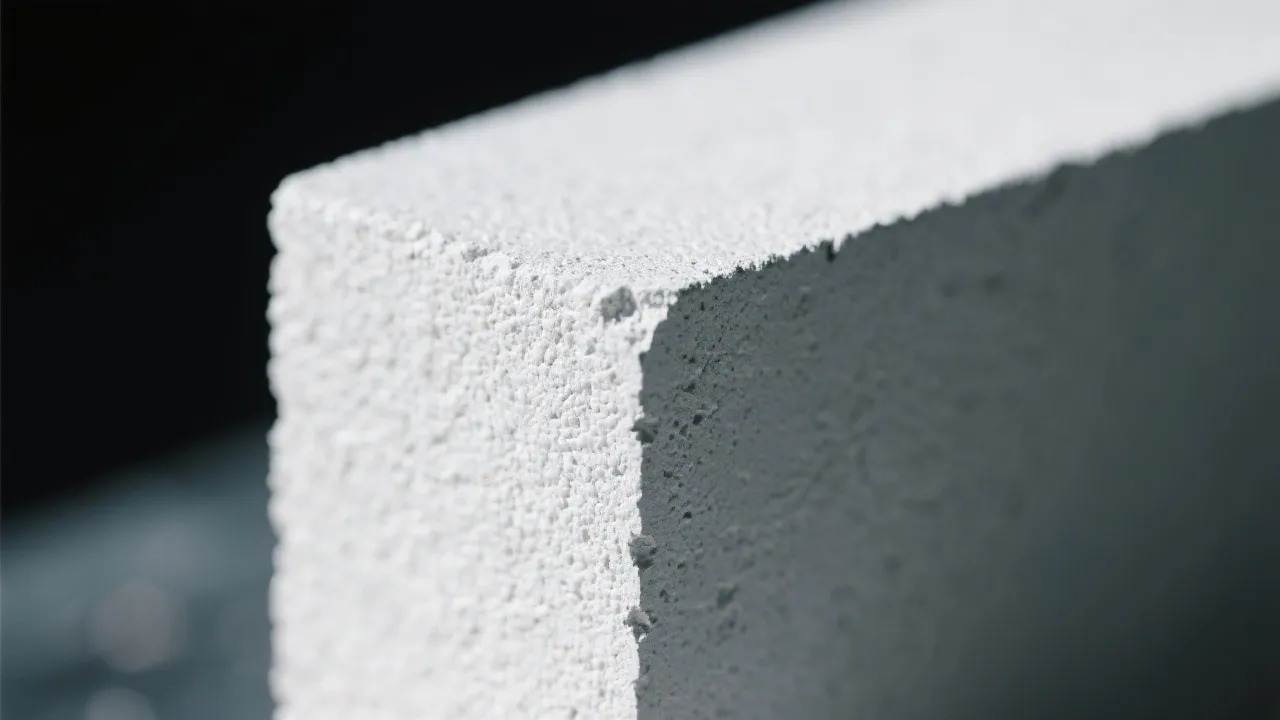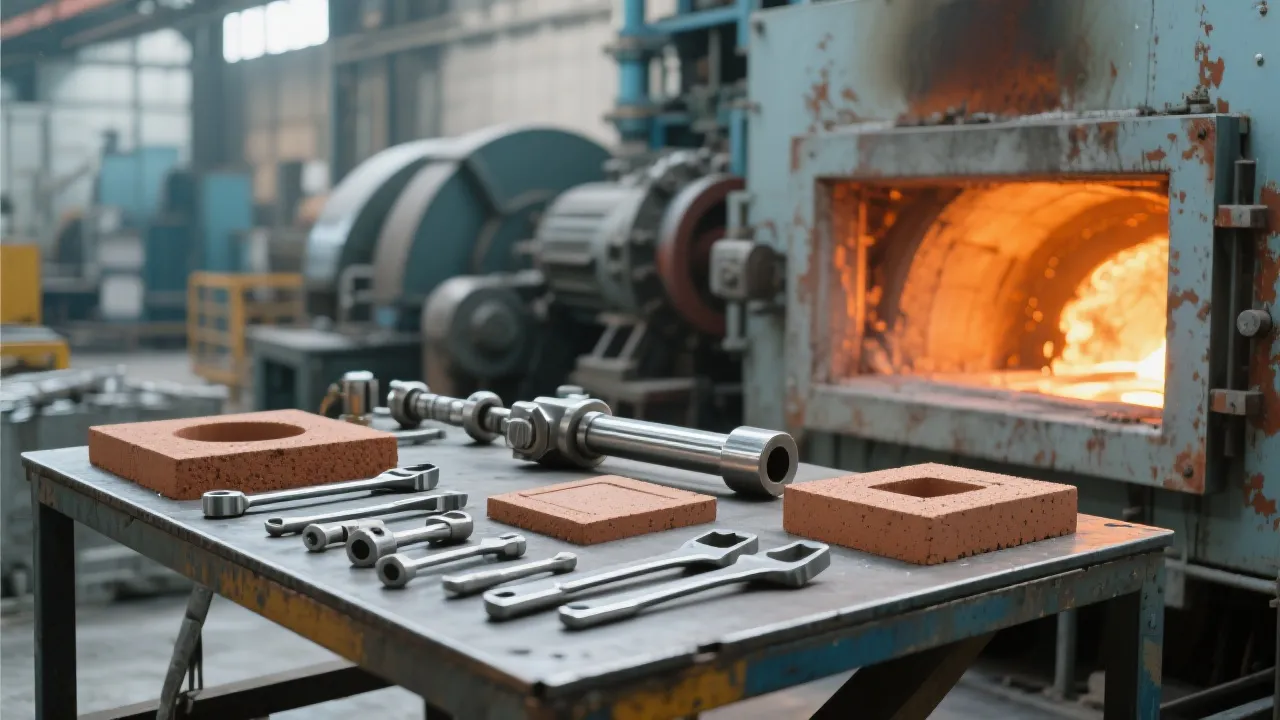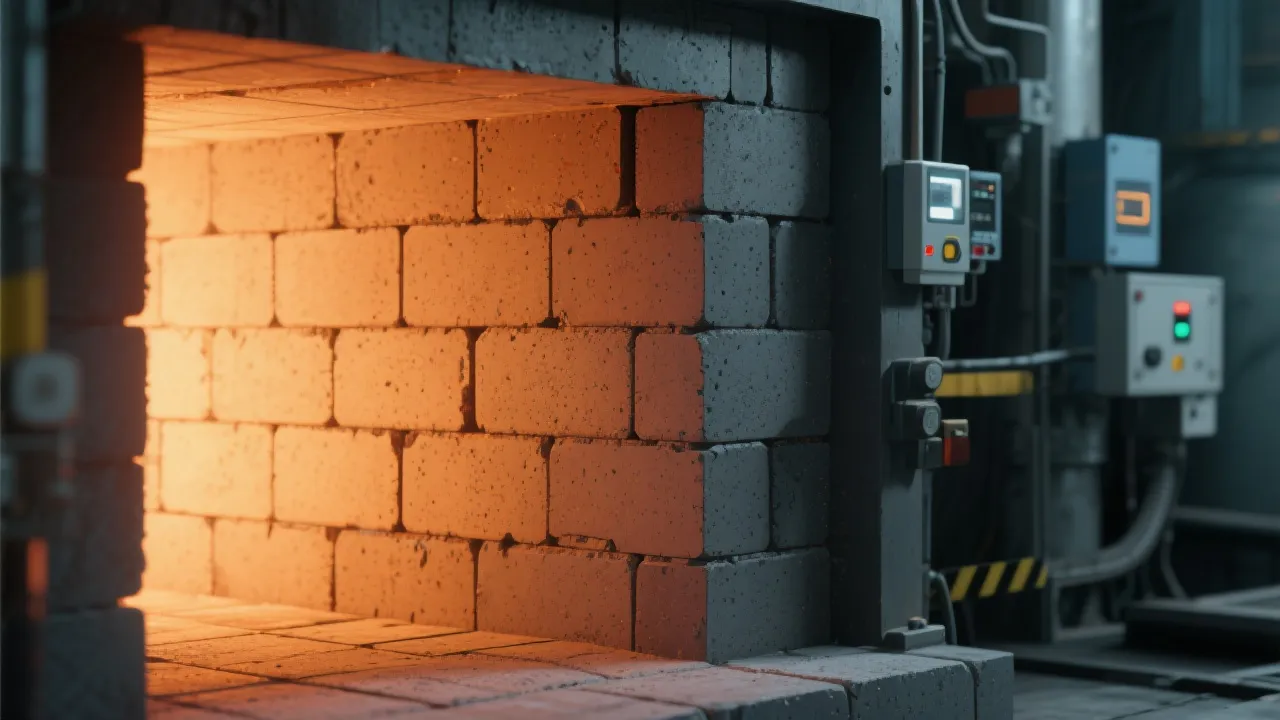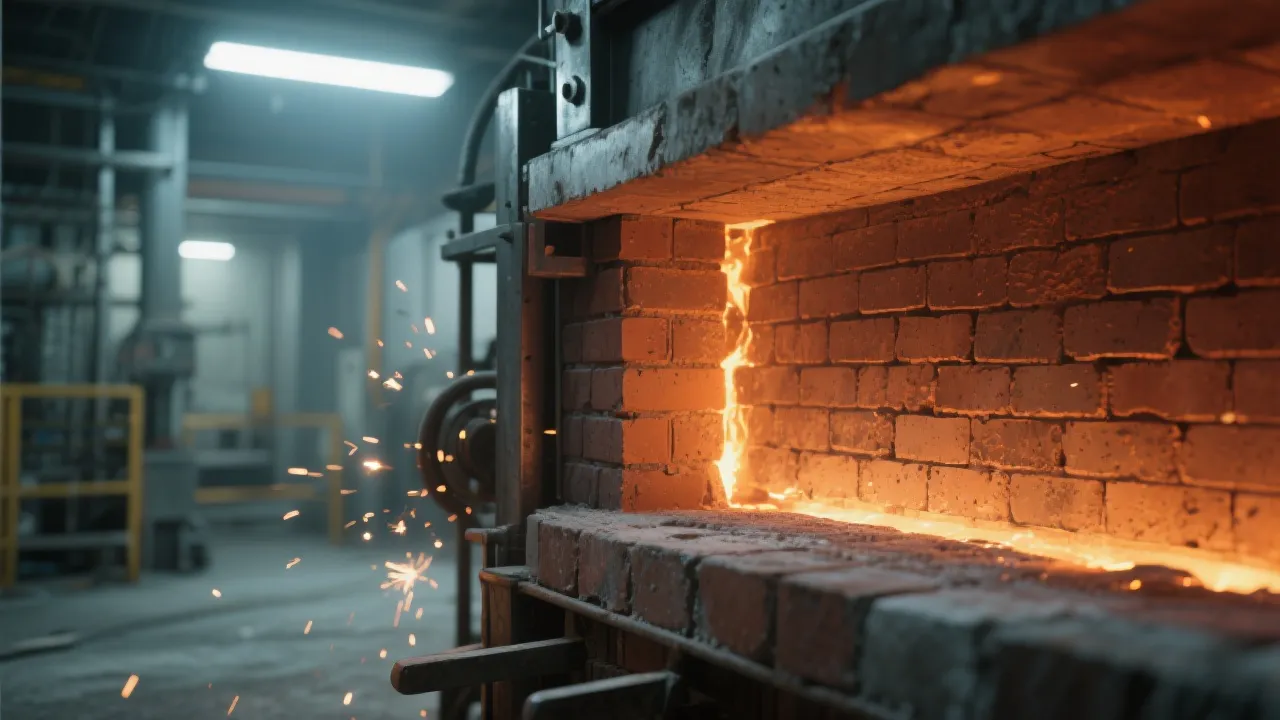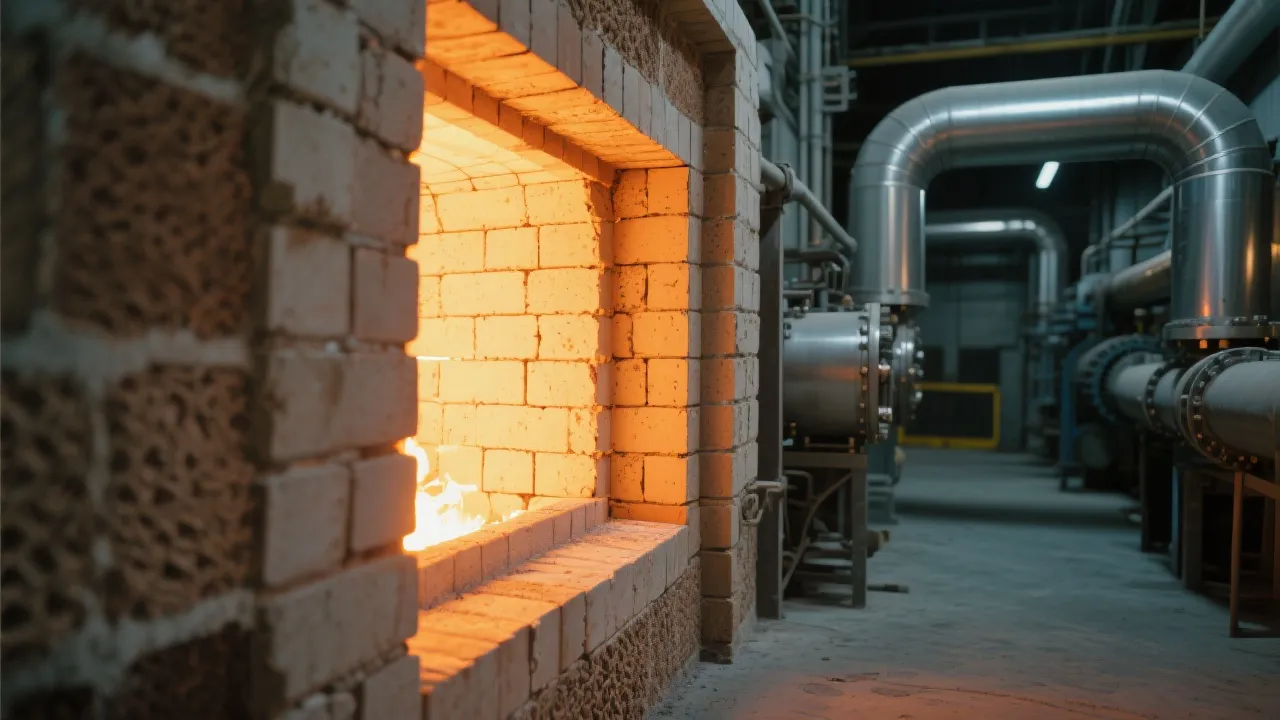
When operating high-temperature chemical reactors, choosing the right refractory lining isn't just about material specs—it's a strategic decision that directly impacts production uptime, maintenance costs, and safety compliance. In one real-world case from a petrochemical plant in Saudi Arabia, switching from traditional magnesia bricks to advanced composite magnesia-chrome bricks extended furnace life by over 40%, reducing unplanned downtime by an estimated 300 hours annually.
While standard magnesia bricks offer good thermal resistance (up to 1700°C), they often fail under continuous thermal cycling and aggressive chemical environments—especially when exposed to alkali-rich slags or molten metals. Data from a 2023 study by the International Refractories Association shows that traditional MgO bricks typically last between 12–18 months in severe service conditions, with failure primarily due to spalling from thermal shock and gradual erosion from acidic residues.
In contrast, modern high-density sintered magnesia with chromium oxide additives (MgO-Cr₂O₃ composite) demonstrates superior performance:
A leading European chemical manufacturer replaced its aging reactor linings with custom-formulated magnesia-chrome bricks across three units. Over 18 months, they recorded:
| Metric | Before Upgrade | After Upgrade |
|---|---|---|
| Avg. Service Life (months) | 14 | 22 |
| Annual Maintenance Cost ($) | $120,000 | $75,000 |
| Downtime Hours/Year | 210 | 95 |
This shift not only improved operational efficiency but also enhanced safety margins—critical in industries where kiln failure can lead to hazardous emissions or process disruptions.
Even the best material fails if improperly installed. Key tips include:
These steps, combined with proper material selection, create a robust system that supports long-term reliability—not just short-term savings.
Ready to optimize your kiln’s lifespan? Download our free Refractory Selection Handbook for Industrial Reactors—packed with technical comparisons, installation checklists, and real-world data—to make smarter decisions today.
Get Your Free Refractory Guide Now