In high-temperature kiln environments ranging from 1000°C to 1300°C, the thermal shock stability of refractory materials directly impacts the lifespan of kiln furniture and the yield of products. This article delves into the physical property differences among corundum, mullite, and cordierite at 1200°C, offering a scientific basis for material selection in industrial kilns.
Corundum, mullite, and cordierite exhibit distinct physical characteristics in a 1200°C environment. Corundum is known for its high hardness and excellent wear resistance. However, its relatively high thermal expansion coefficient can lead to significant dimensional changes under thermal cycling, which may cause cracking and deformation of kiln furniture. Mullite has good thermal stability and mechanical strength, but its thermal shock resistance is not as outstanding as cordierite. Cordierite, on the other hand, has a low thermal expansion coefficient, which enables it to maintain dimensional stability during rapid heating and cooling processes.
Improper selection of kiln furniture materials can result in substantial cost losses. For example, when using materials with poor thermal shock resistance, such as corundum in high-frequency heating and cooling scenarios, the kiln furniture is prone to cracking and deformation. This not only shortens the service life of the kiln furniture but also affects the quality of the products being fired. In some cases, it may even lead to equipment failures, causing production interruptions and additional maintenance costs.
Typical Fault Scenario: In a ceramic production plant, the use of mullite kiln furniture in a rapid heating and cooling process led to frequent cracking of the kiln furniture. As a result, the production line had to be shut down for replacement, causing a significant loss of production time and increased costs.
To make an informed decision when selecting kiln furniture materials, it is essential to understand the key technical indicators of each material. The thermal expansion coefficient reflects the degree of dimensional change of the material under temperature variation. A lower thermal expansion coefficient indicates better dimensional stability. The creep rate measures the deformation of the material under long-term high-temperature stress. A lower creep rate means less deformation and longer service life. The thermal shock resistance reflects the ability of the material to withstand sudden temperature changes without cracking or breaking.
| Material | Thermal Expansion Coefficient (10-6/°C) | Creep Rate (%) | Thermal Shock Resistance |
|---|---|---|---|
| Corundum | 8 - 10 | 0.5 - 1 | Poor |
| Mullite | 4 - 6 | 0.2 - 0.5 | Moderate |
| Cordierite | 1 - 2 | 0.1 - 0.2 | Excellent |
Based on different application scenarios, the following selection recommendations are provided:
To ensure the quality and performance of kiln furniture materials, it is recommended to conduct relevant tests. Some simple testing methods and evaluation criteria are as follows:
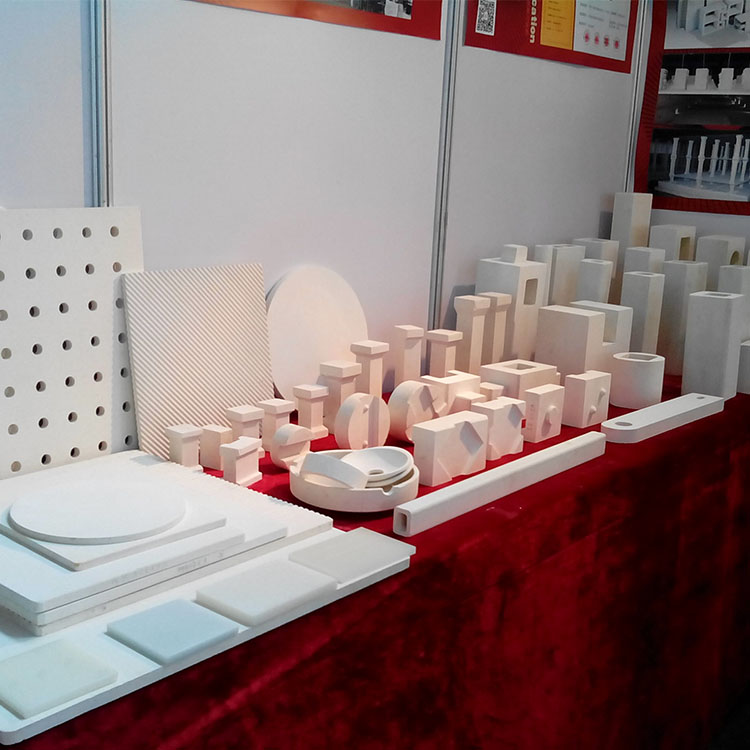
By following these testing methods and evaluation criteria, engineers can select the most suitable kiln furniture materials for their specific applications, thereby optimizing the production process and reducing the risk of equipment failures.
Sunrise Cordierite Kiln Furniture from Zhengzhou Tianyang has provided stable solutions for customers in many countries around the world. If you have any questions about kiln furniture material selection or testing, please feel free to contact us or leave a message below.