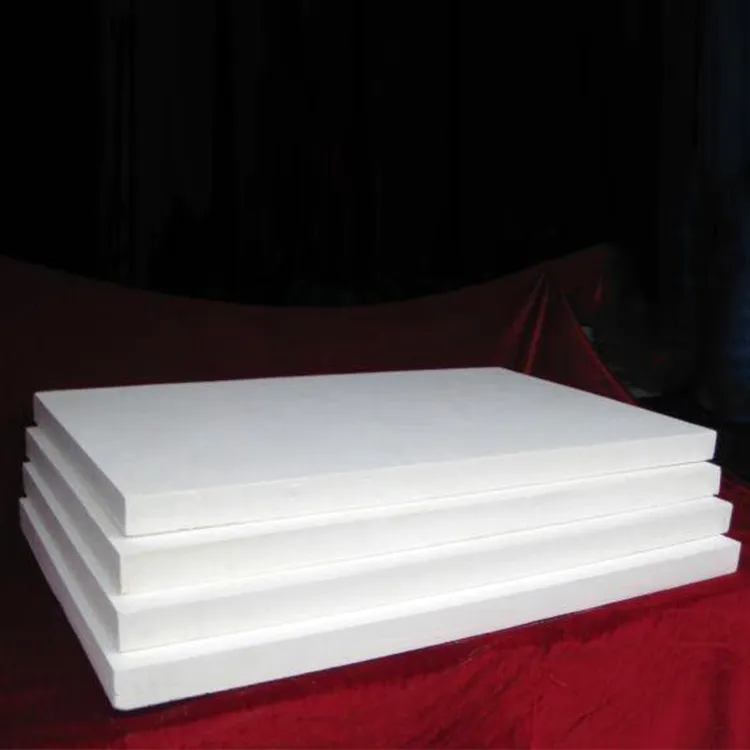
In the high - temperature kiln environment ranging from 1000°C to 1300°C, the thermal shock resistance of common kiln furniture materials such as corundum, mullite, and cordierite significantly impacts the lifespan of kiln furniture and the quality of products. This article will explore the physical property differences of these materials at 1200°C, the mechanism of thermal shock cracking, and their practical applications.
Each of the three materials - corundum, mullite, and cordierite - has distinct physical properties at 1200°C. Corundum has a relatively high melting point and excellent chemical stability. Its high hardness makes it suitable for applications where wear resistance is crucial. However, its relatively high thermal expansion coefficient (around 8 - 10 × 10⁻⁶/°C) can lead to significant dimensional changes during heating and cooling, which may cause cracking under thermal shock.
Mullite has good thermal shock resistance and mechanical strength at high temperatures. Its thermal expansion coefficient is lower than that of corundum, typically around 4 - 6 × 10⁻⁶/°C. This lower expansion rate allows it to better withstand rapid temperature changes compared to corundum.
Cordierite stands out for its extremely low thermal expansion coefficient, approximately 1 - 2 × 10⁻⁶/°C. This property enables it to maintain dimensional stability even under rapid heating and cooling cycles, making it an ideal choice for high - frequency heating and cooling operations. 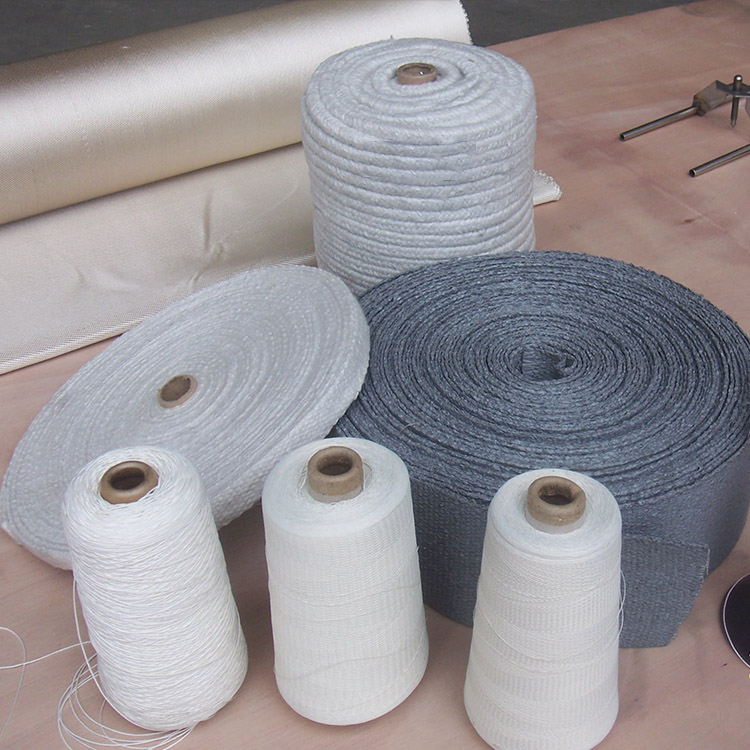
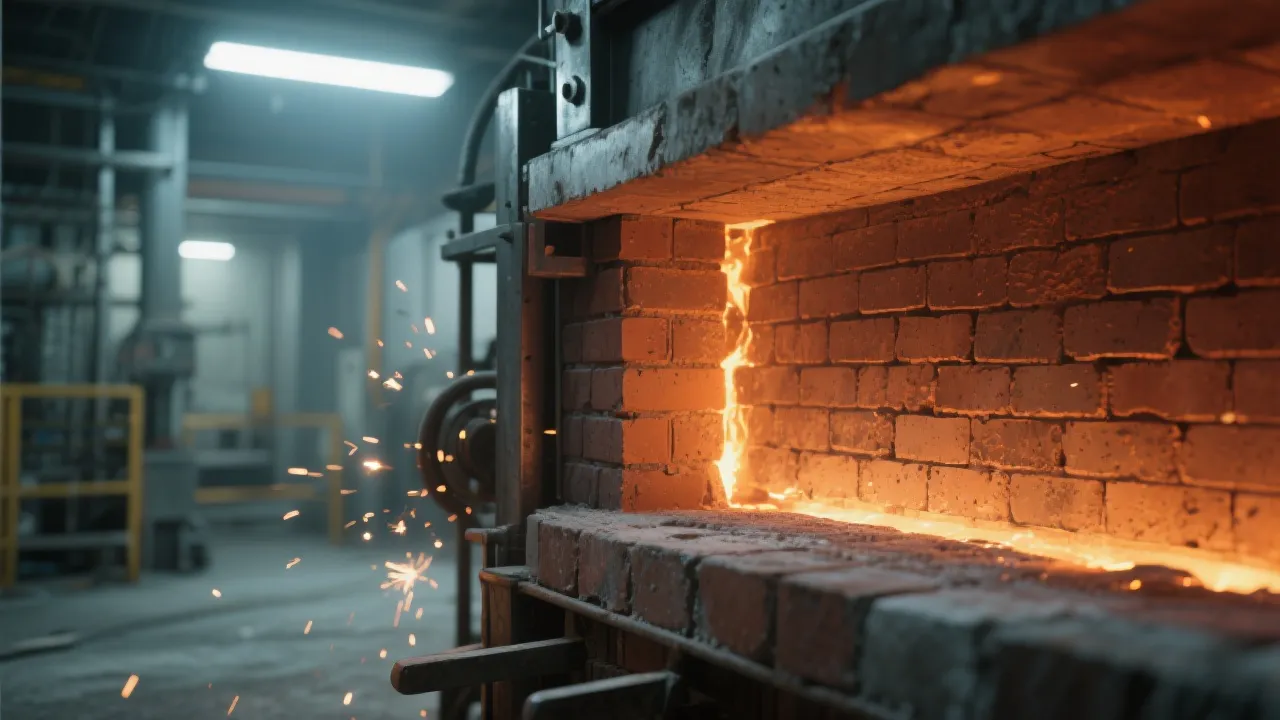
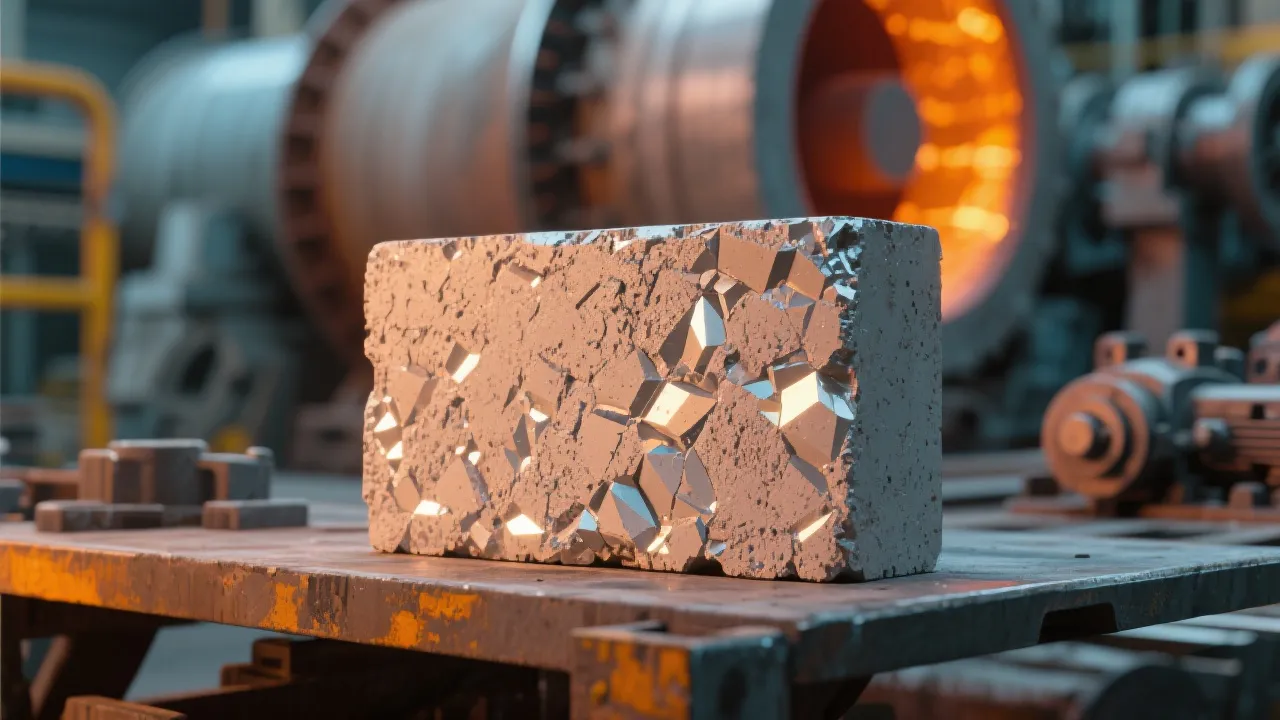
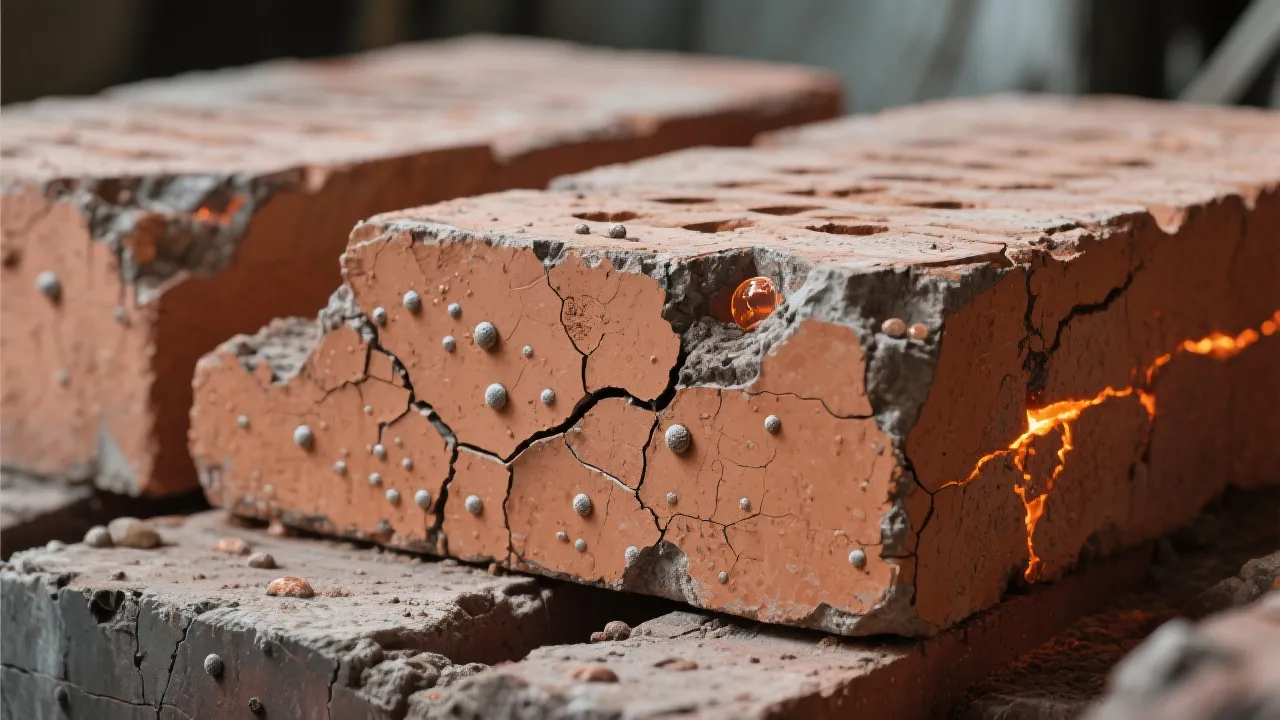
Thermal shock cracking occurs when a material is subjected to rapid temperature changes. The sudden expansion or contraction creates internal stresses. If these stresses exceed the material's strength, cracks will form. In industrial production, thermal shock cracking can lead to reduced production efficiency, as damaged kiln furniture needs to be replaced, causing downtime. According to industry data, thermal shock - related failures can account for up to 30% of kiln furniture replacements in some ceramic production lines.
An industry expert once said, "Understanding the thermal shock cracking mechanism is crucial for selecting the right kiln furniture. It can save a significant amount of production costs in the long run."
This view emphasizes the importance of scientific material selection.
In the ceramic industry, corundum kiln furniture is often used for firing high - density ceramics due to its high wear resistance. However, its poor thermal shock resistance limits its use in applications with frequent temperature changes. Mullite is a popular choice for general ceramic firing, as it offers a good balance between thermal shock resistance and mechanical strength.
Cordierite has found wide applications in industries such as electronics and automotive, where rapid heating and cooling are common. For example, Sunrise cordierite kiln furniture has provided stable solutions for customers in Southern Europe and Southeast Asia, helping them improve process stability and reduce costs. 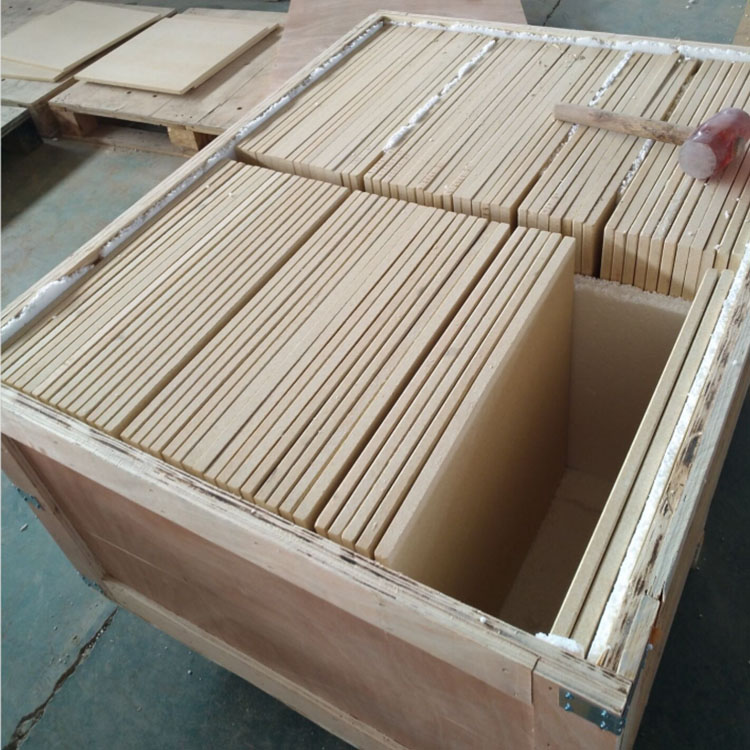
When selecting kiln furniture materials, several factors need to be considered, including temperature range, heating and cooling frequency, and the type of product being fired. A simple selection logic framework can be based on the thermal shock resistance requirements of the process. For processes with high - frequency temperature changes, cordierite should be the first choice.
Testing standards for kiln furniture materials mainly include thermal expansion coefficient testing, thermal shock resistance testing, and mechanical strength testing. These tests can help ensure that the selected material meets the production requirements.
You may wonder, "What kind of kiln furniture failure problems have you encountered? Leave a message to discuss." This interactive element encourages readers to share their experiences and gain more insights from the community.
Explore More about High - Performance Kiln Furniture Materials