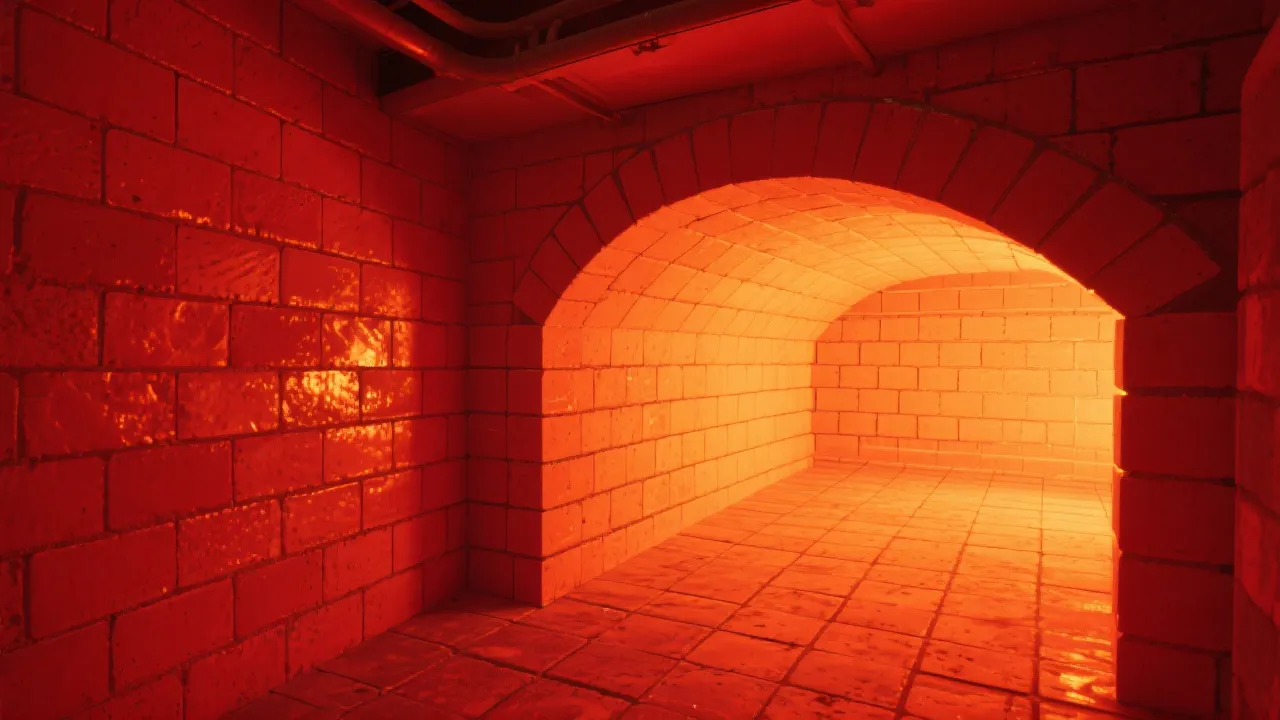
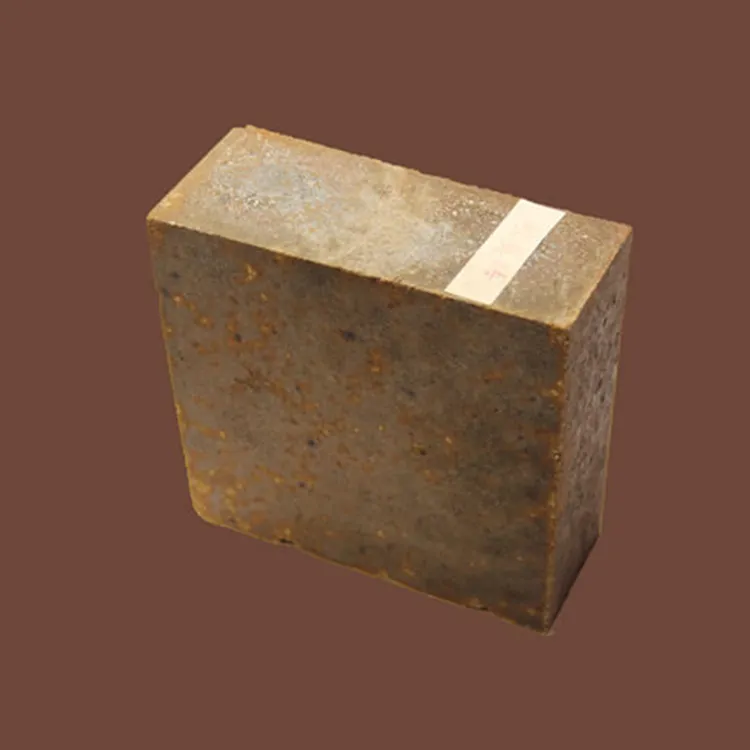
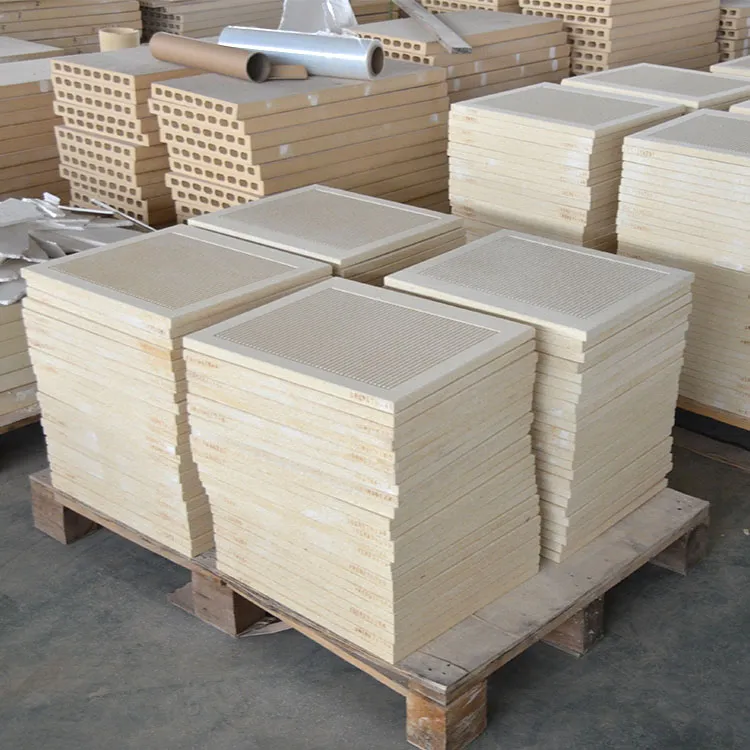
High - temperature chemical reactors are at the heart of many industrial processes. The proper installation of their linings plays a crucial role in ensuring the long - term stability and efficiency of these reactors. This article delves into the common mistakes made during the installation of high - temperature reactor linings, with a focus on corrosion - resistant ordinary magnesium - chrome bricks, and offers practical avoidance strategies.
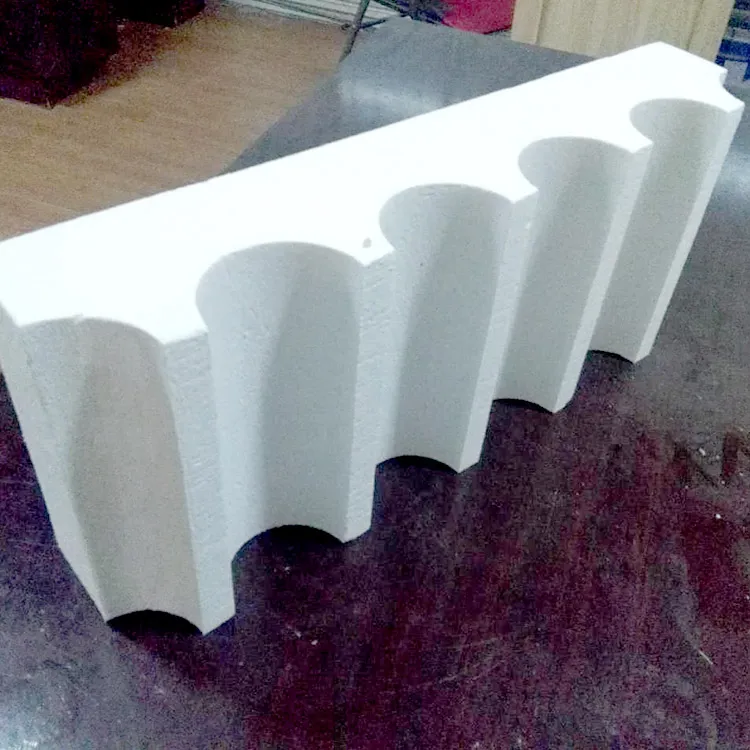
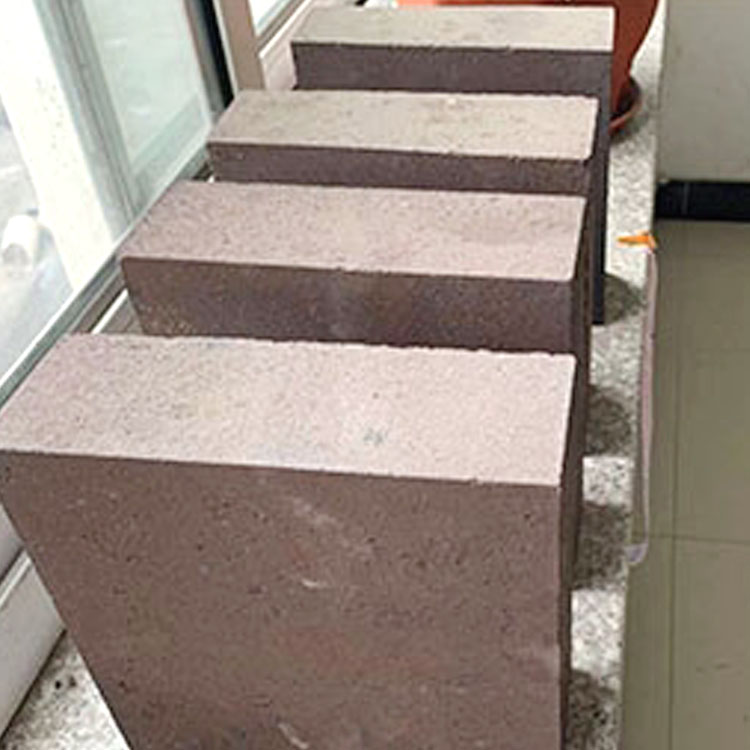
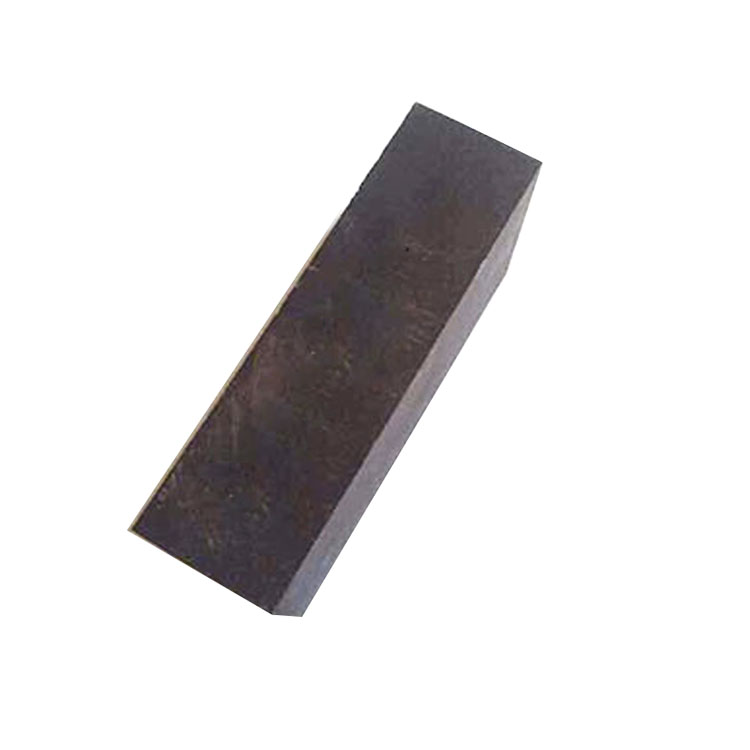
Corrosion - resistant ordinary magnesium - chrome bricks are a popular choice for high - temperature reactor linings. Their excellent physical and chemical properties make them suitable for extreme working conditions. For example, they have a high thermal shock stability, which allows them to withstand sudden temperature changes. Tests have shown that magnesium - chrome bricks can endure temperature differences of up to 800°C without significant damage. Their anti - slag performance is also remarkable. In a chemical plant, the application of these bricks reduced slag adhesion by 30% compared to traditional refractory materials. Moreover, their corrosion resistance is outstanding, effectively protecting the reactor from chemical corrosion.

Understanding the material failure mechanism is essential for avoiding installation mistakes. In high - temperature and corrosive environments, factors such as thermal stress, chemical reactions, and mechanical stress can lead to the degradation of refractory materials. Some common installation mistakes include incorrect brick laying patterns, improper mortar use, and poor sealing. For instance, incorrect brick laying can result in uneven distribution of stress, reducing the overall stability of the lining. A study found that in approximately 20% of reactor accidents, installation mistakes were the root cause.
To ensure the proper installation and maintenance of high - temperature reactor linings, specific guidelines should be followed. Firstly, a professional design team should be hired to optimize the lining design according to the actual working conditions of the reactor. Secondly, during the installation process, strict quality control should be implemented to ensure that every step meets the standards. Finally, regular inspections and timely repairs can effectively extend the service life of the lining. According to industry data, regular maintenance can increase the service life of the lining by up to 50%.
| Material | Thermal Shock Stability | Anti - slag Performance | Corrosion Resistance | Cost - effectiveness |
|---|---|---|---|---|
| New Corrosion - Resistant Magnesium - Chrome Bricks | High | Excellent | Outstanding | High |
| Traditional Refractory Materials | Medium | Good | Fair | Low |
As shown in the table, new corrosion - resistant magnesium - chrome bricks have significant advantages over traditional materials in terms of performance and cost - effectiveness. They can not only improve the safety and production efficiency of the reactor but also reduce maintenance costs.
By comprehensively understanding the selection and application of high - temperature reactor lining refractory materials, industry technicians and procurement decision - makers can make more informed choices. Whether you are in the process of building a new reactor or upgrading an existing one, the knowledge in this article can provide you with valuable references.



.jpg?x-oss-process=image/resize,h_1000,m_lfit/format,webp)