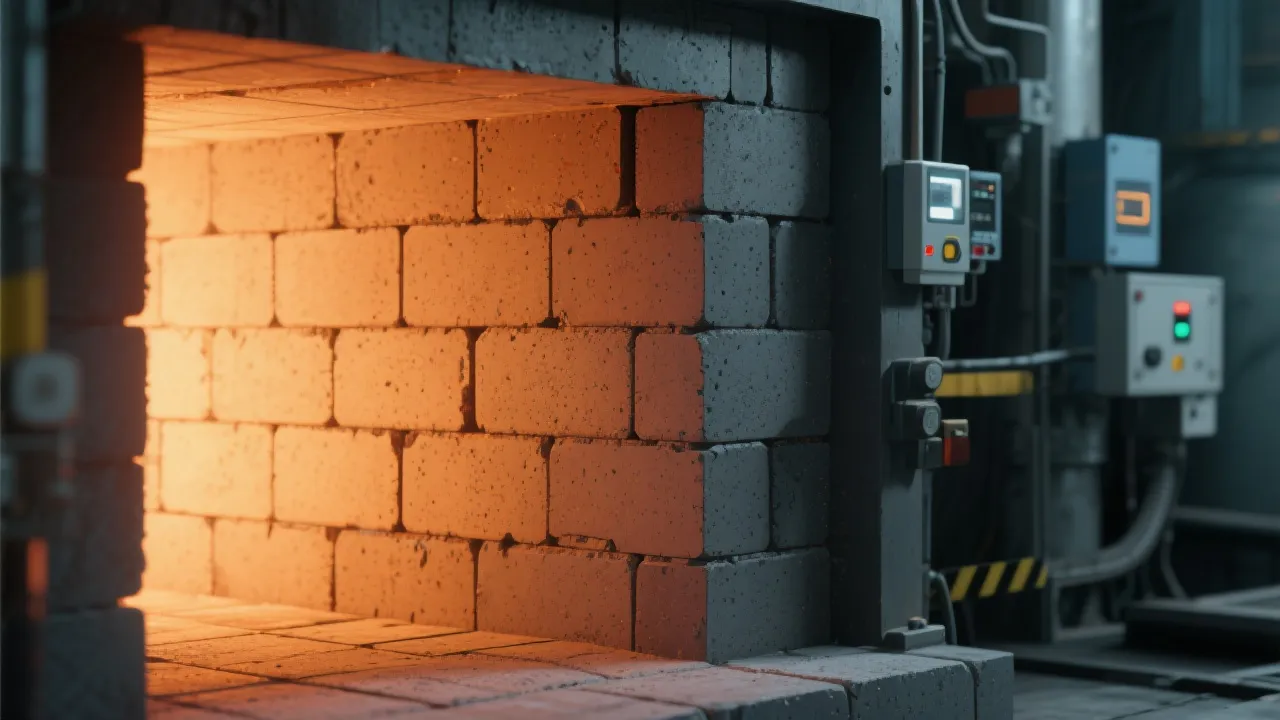
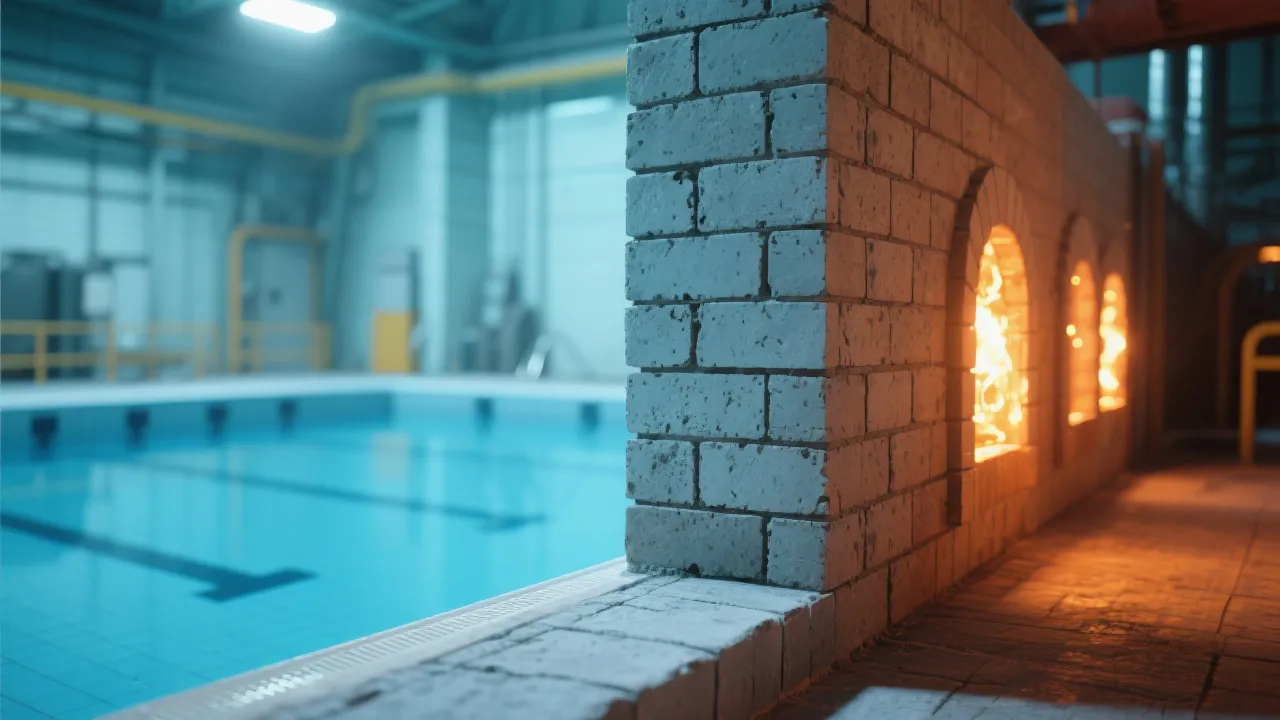
You may have faced frequent downtime and escalating maintenance costs caused by refractory linings failing under harsh high-temperature chemical environments. Traditional magnesia bricks, once the industry standard, no longer meet the demanding requirements for thermal shock resistance and slag corrosion in cutting-edge chemical reactors. To maintain competitive advantage and control operational expenses, selecting the right refractory material is now more critical than ever.
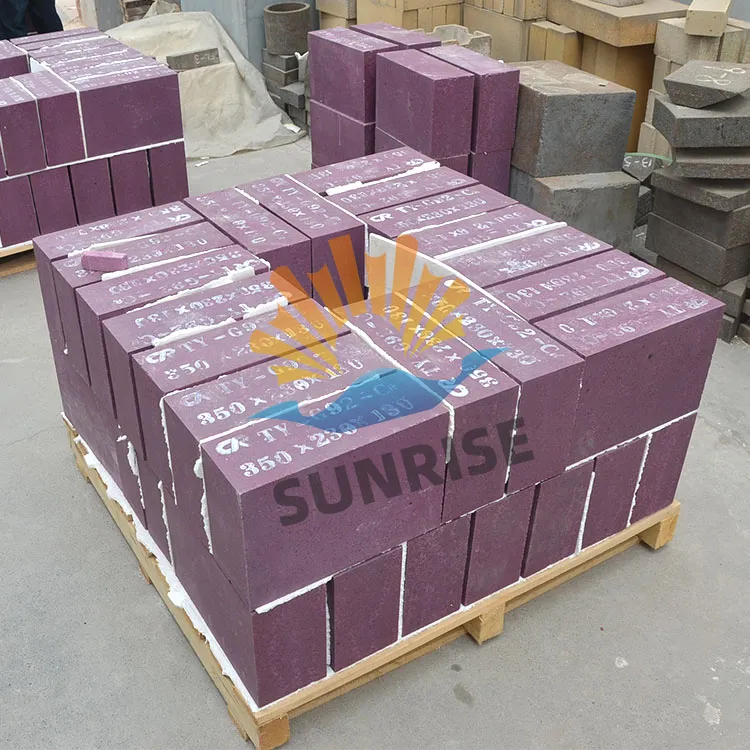
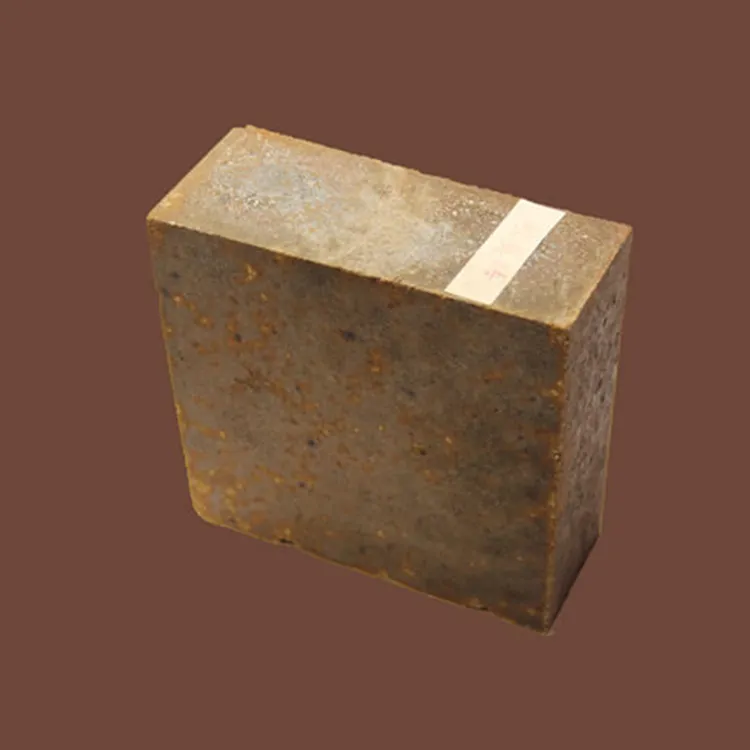
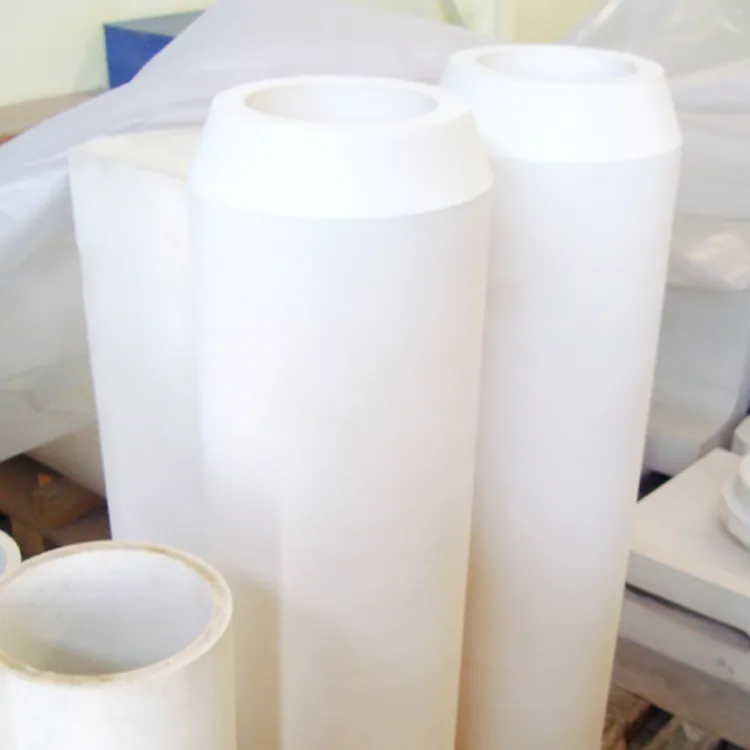
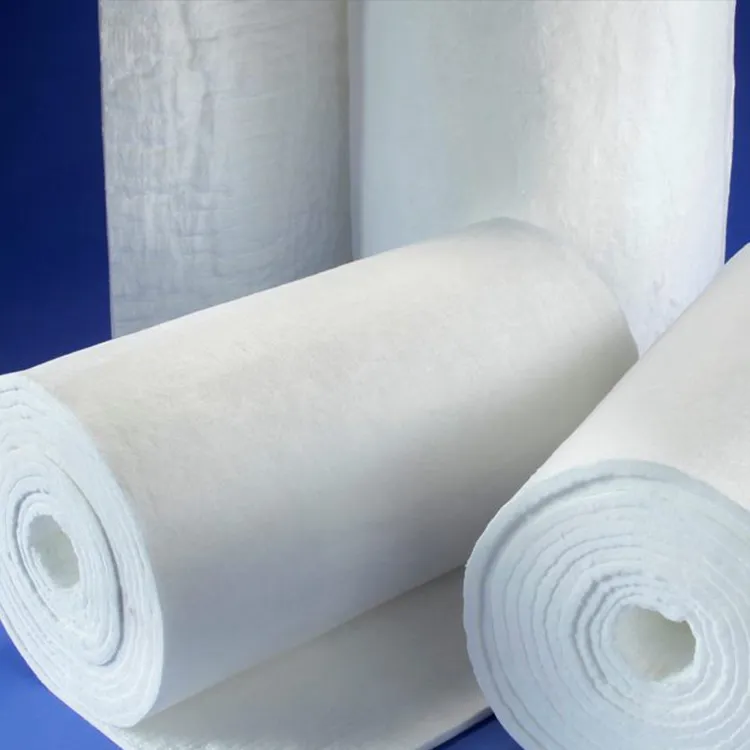
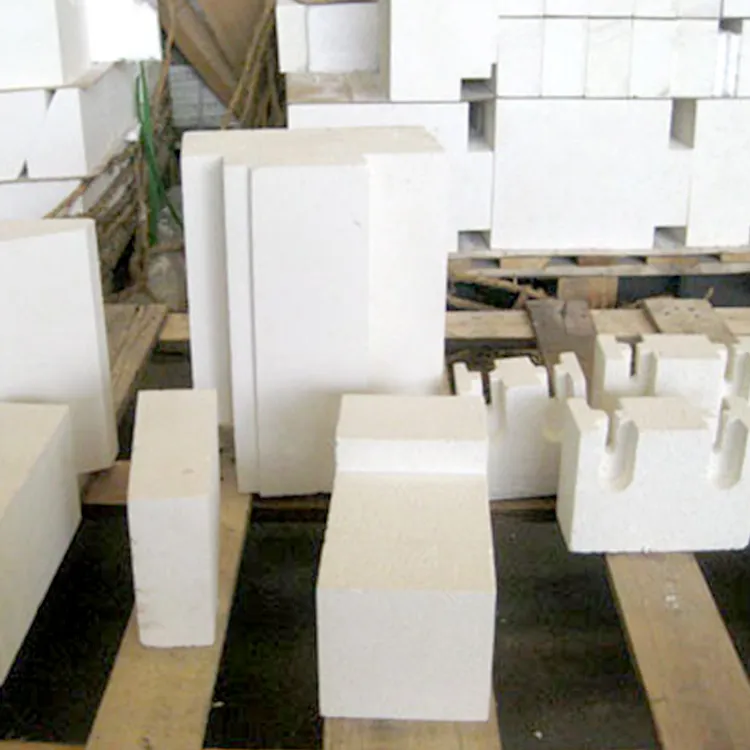
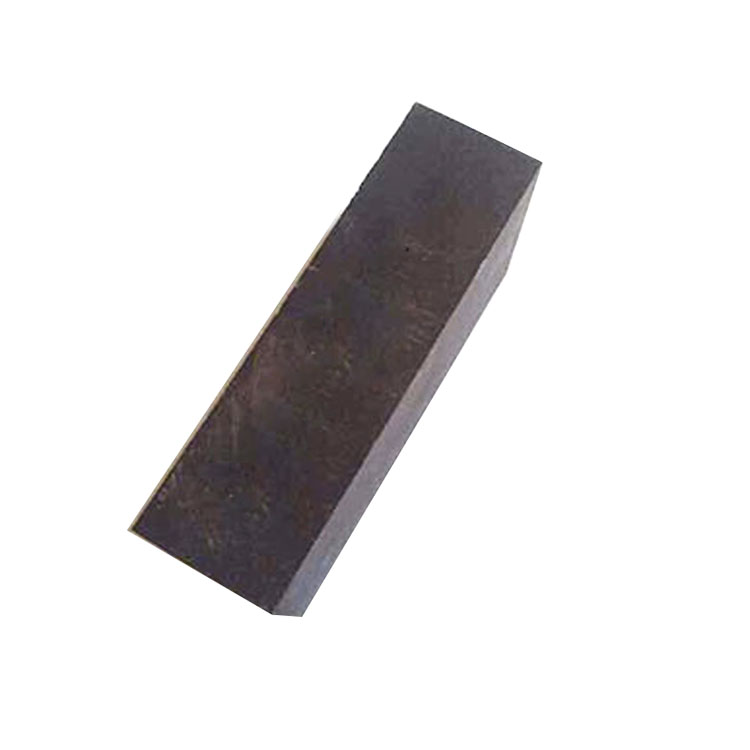
The backbone of durable refractory linings lies in the synergy between raw materials and bonding mechanisms. Corrosion-resistant magnesia-chrome bricks are engineered from sintered magnesia and refractory-grade chromite, bonded using an advanced silicate matrix. This composition delivers unrivaled high-temperature mechanical strength, exceptional chemical inertness, and formidable resistance to corrosive slag attack.
The sintering process optimizes crystal lattices in magnesia (MgO) to enhance density and reduce porosity. Chromite (FeCr2O4), well-known for its chemical stability at elevated temperatures, interlocks at the grain boundaries, creating a tough composite that withstands abrupt thermal cycles and corrosive environments intrinsic to processes like chlor-alkali production and ammonia synthesis.
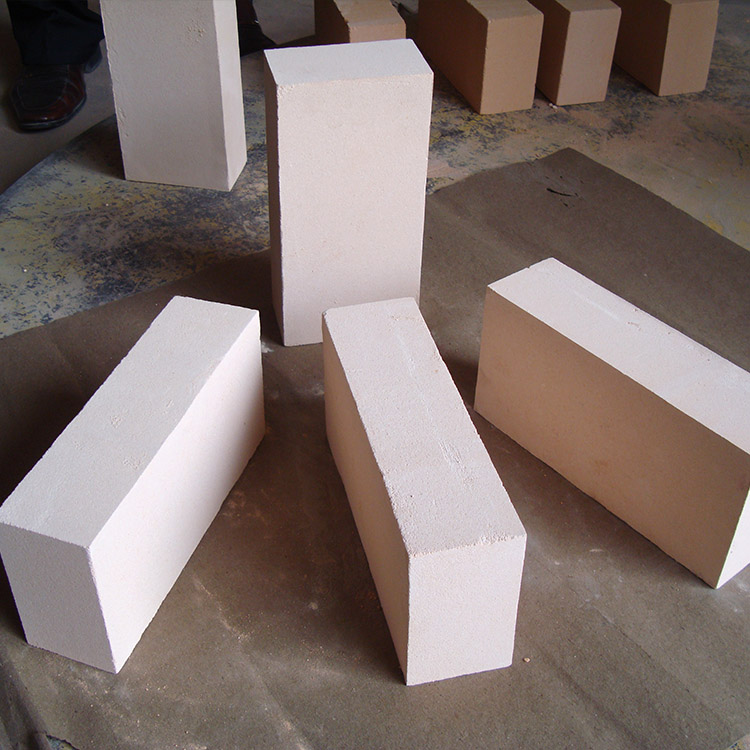
Quantitative assessment under standardized thermal cycling tests reveals that magnesia-chrome bricks maintain structural integrity with less than 0.4% linear expansion, dramatically lower than the typical 0.8% expansion seen in pure magnesia bricks. This translates directly into enhanced thermal shock resistance—extending lining life by up to 40% and reducing unscheduled reactor outages.
Additionally, slag corrosion tests demonstrate a 35% improvement in resistance for magnesia-chrome bricks, significantly mitigating the common pit and crack formation that compromises lining longevity. Such performance not only reduces raw material replacement frequency but also minimizes operational disruptions and maintenance labor costs.
Consider a chlor-alkali production facility in Southern Europe that transitioned its reactor linings from conventional magnesia bricks to corrosion-resistant magnesia-chrome bricks. Within 18 months, the facility reported a 30% drop in maintenance expenditures and a noticeable increase in production uptime—validating the material’s superior durability under repeated thermal cycling and chemical attack.
“Switching to magnesia-chrome bricks has been a game changer. Our reactors now withstand aggressive cycles without compromising performance. Maintenance intervals have doubled, saving significant costs.” – Technical Manager, Mid-Europe Chemical Plant
Similarly, ammonia reactors exposed to harsh reducing atmospheres showed over 25% improvement in refractory lining lifespan when utilizing the magnesia-chrome composite. The inherent chemical inertness of chromite reduced interactions with alkali compounds, fundamentally extending the operational window before relining becomes necessary.
Correct installation is paramount. Ensuring proper brick orientation, joint filling with compatible refractory mortar, and allowance for thermal expansion can prevent common failures such as cracking or spalling. Avoiding moisture ingress during installation is critical to minimize hydration-related damage.
Proactive maintenance strategies, including scheduled inspections for early signs of slag infiltration or thermal degradation, enable timely interventions that stave off catastrophic failures. Implementing these guidelines consistently has helped international clients optimize their chemical reactor operations and reduce unplanned downtime.
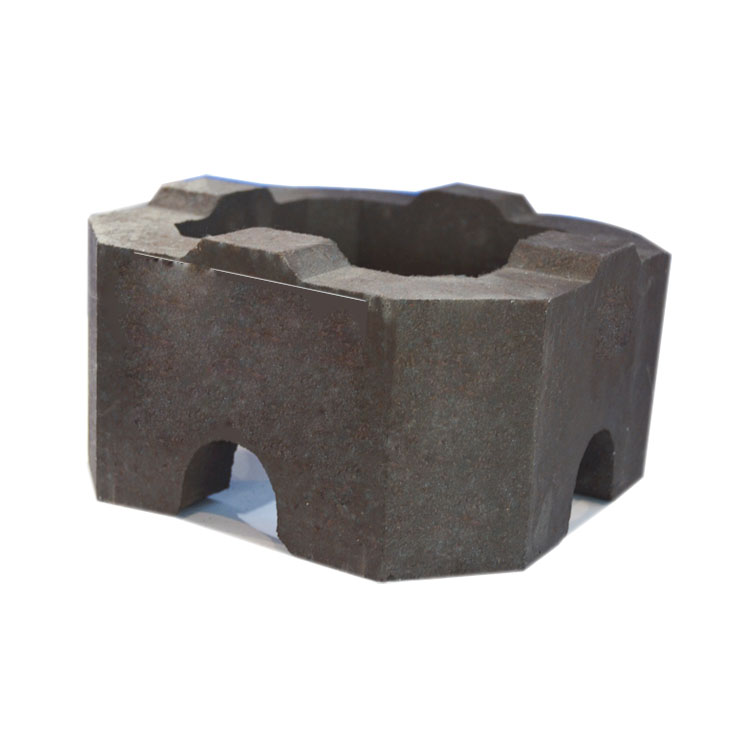
Buyers from Southern Europe and the Middle East consistently prioritize durability and energy efficiency in refractory materials. Growing environmental regulation pushes plants to extend the lifespan of their equipment and reduce waste from frequent linings replacement. Our market research indicates a 15% annual growth rate in demand for corrosion-resistant refractory bricks tailored to chemical processing industries within these regions.
Feedback from these customers highlights trust in proven material performance and expert consultation as key purchase drivers. Providing transparent data supported by on-site case studies reassures buyers of the real-world benefits beyond theoretical advantages.
Do your reactors encounter abrupt temperature fluctuations or aggressive slag formation leading to premature refractory failure? Share your experience and explore options tailored specifically for your plant’s unique operating conditions.