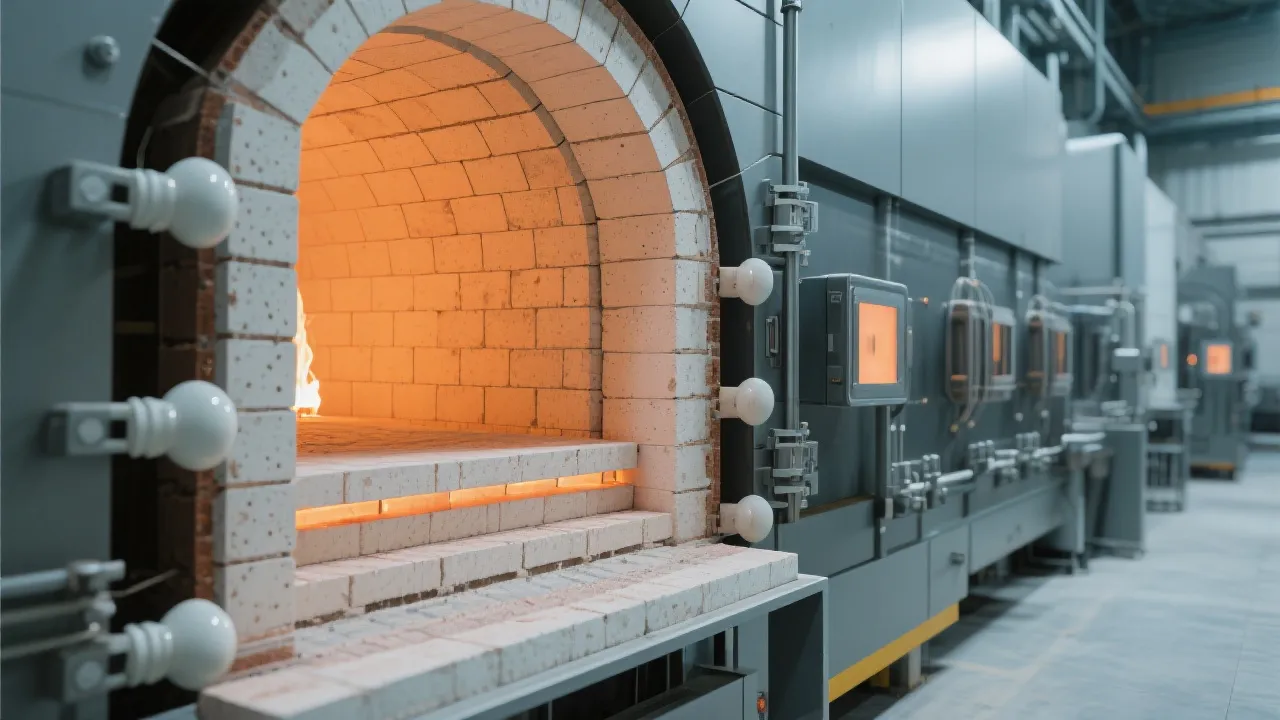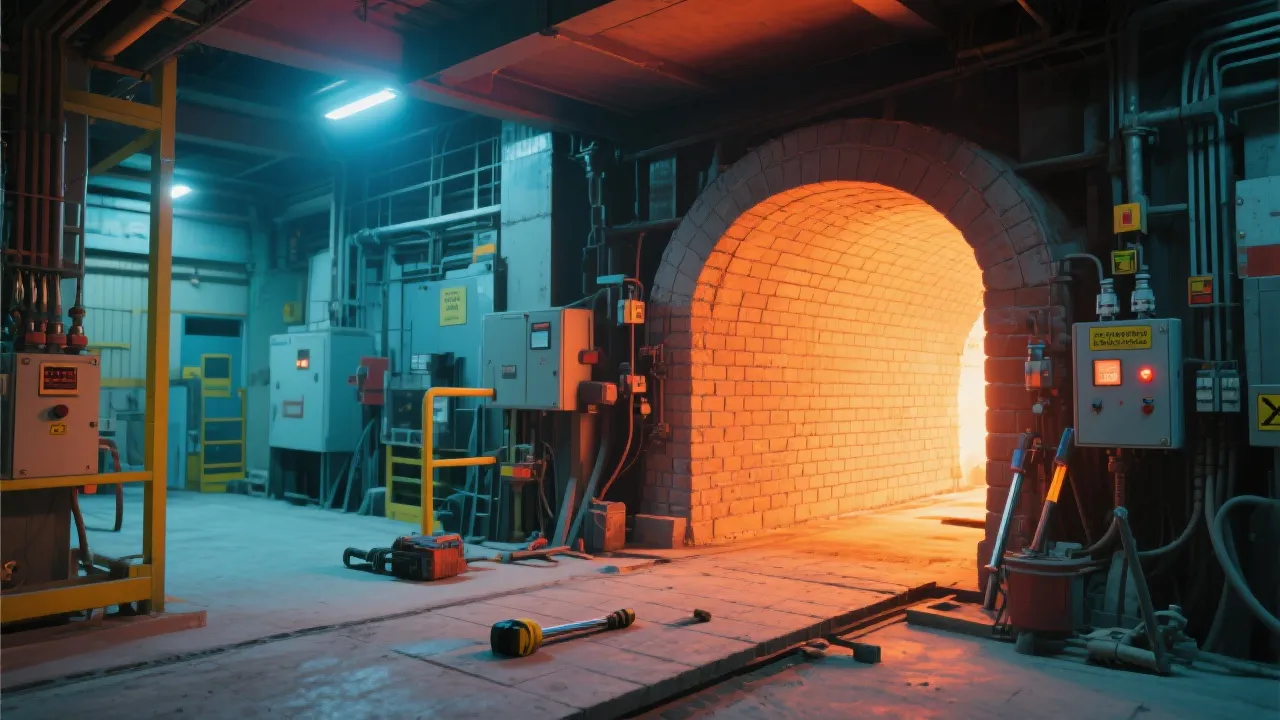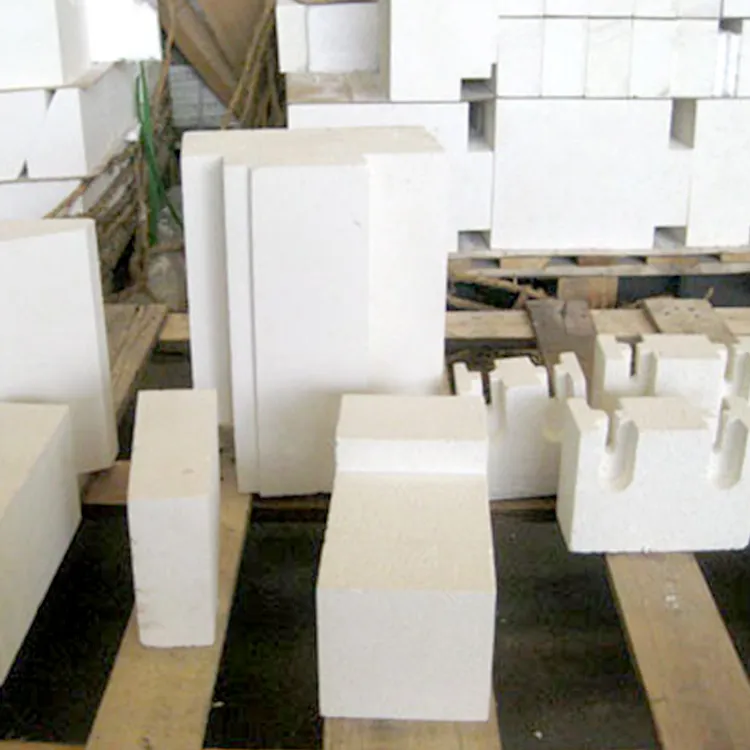
When you manage high-temperature chemical reactors, one challenge likely on your radar is the relentless wear endured by refractory linings. Selecting corrosion-resistant refractory bricks profoundly impacts not only equipment longevity but also operational safety and cost efficiency. You might have encountered frequent shutdowns due to refractory failure or escalating maintenance costs that erode your production margin. This guide addresses those concerns by focusing on the advantages of magnesium-chrome bricks over traditional magnesium bricks, revealing how you can optimize your equipment’s entire lifecycle from installation through routine maintenance.
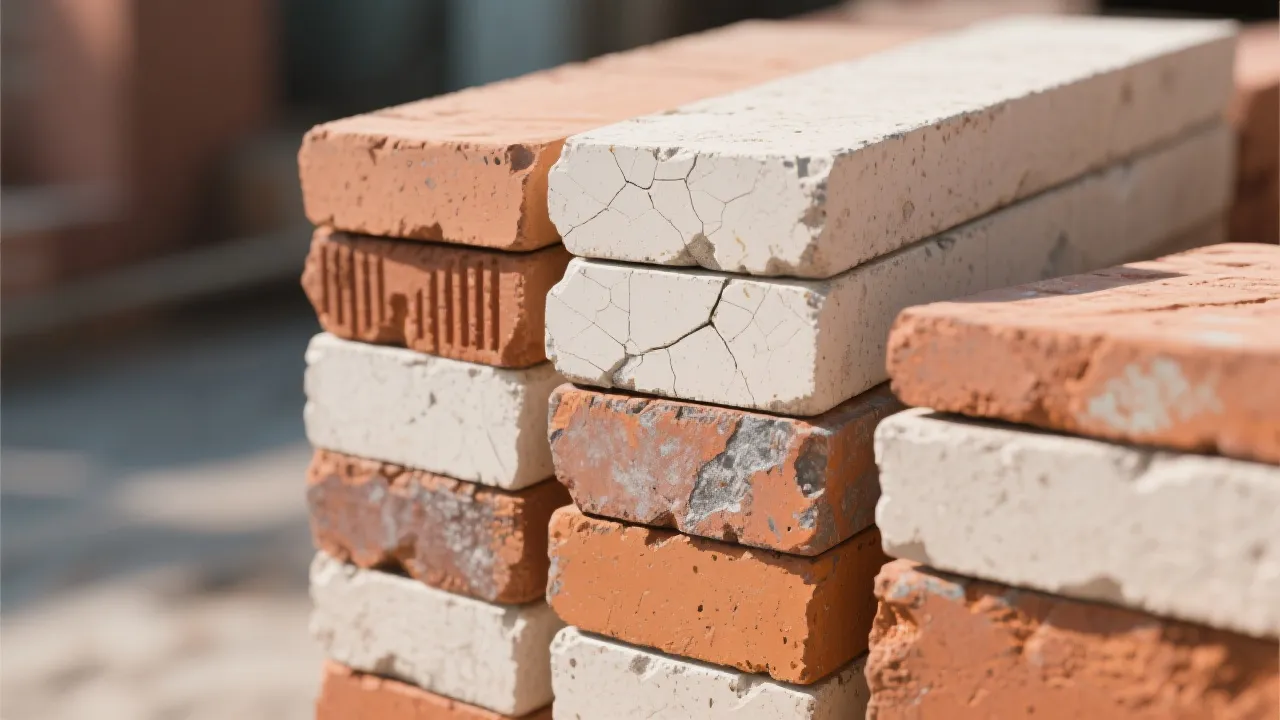
Understanding failure modes helps you anticipate and mitigate downtime risks. The predominant issues causing refractory degradation include:
These failure mechanisms translate into unplanned maintenance, increased costs, and safety hazards. Your best defense lies in selecting material with proven resilience against these stresses.
When assessing refractory options, pay attention to these critical parameters:
Only materials excelling across this triad offer true value in harsh chemical reactor environments.
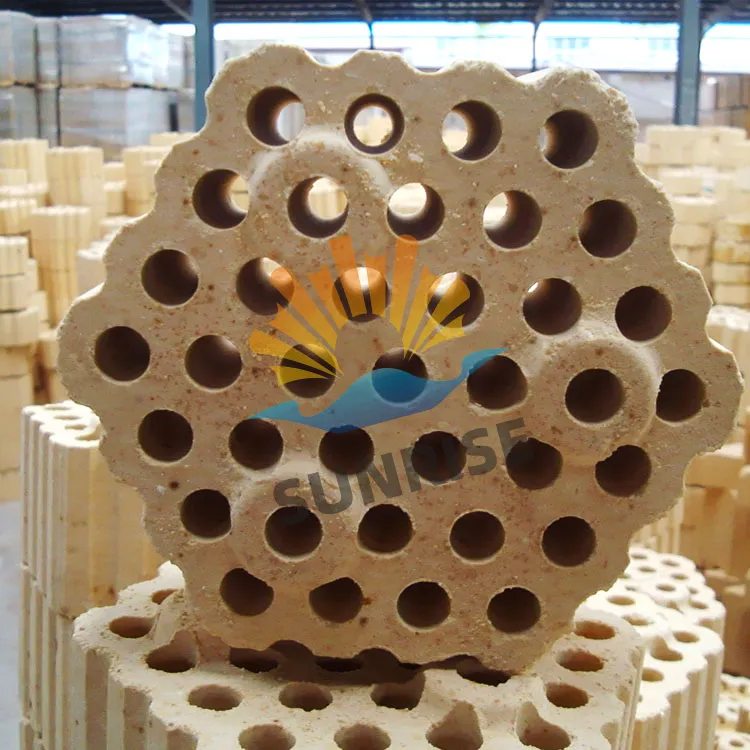
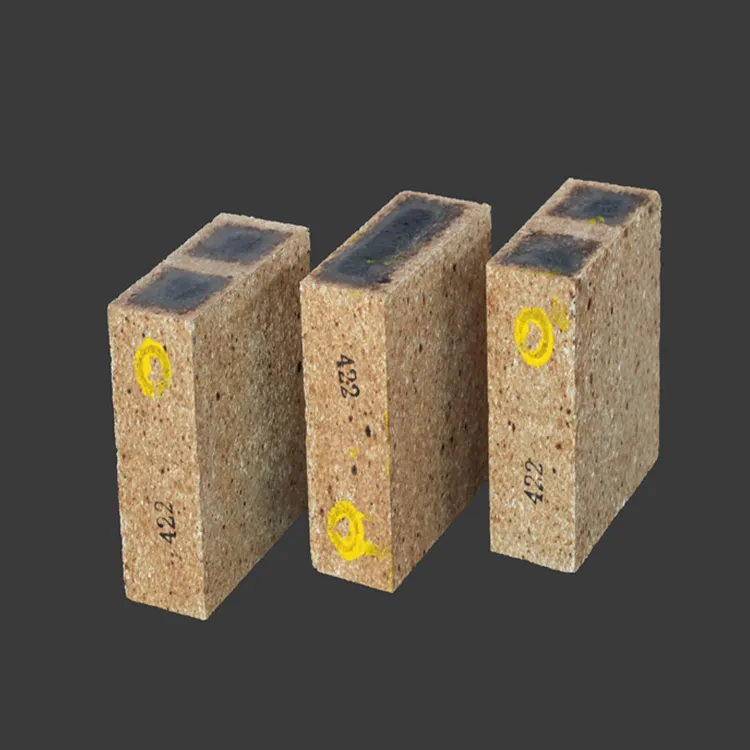
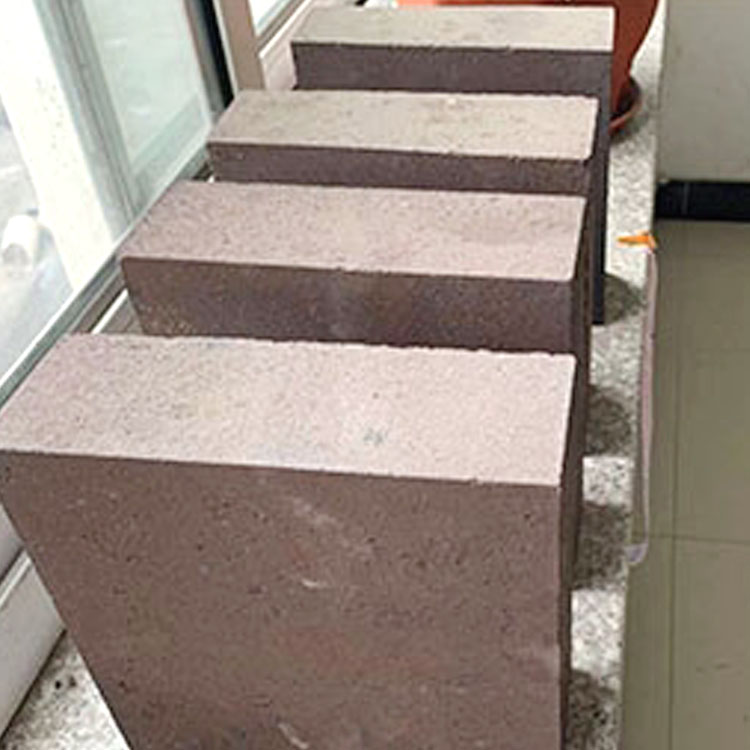
The innovative sintered magnesium-chrome bricks combine high-purity magnesia with chromite minerals to form a composite microstructure optimized for chemical and thermal stability. This combination achieves:
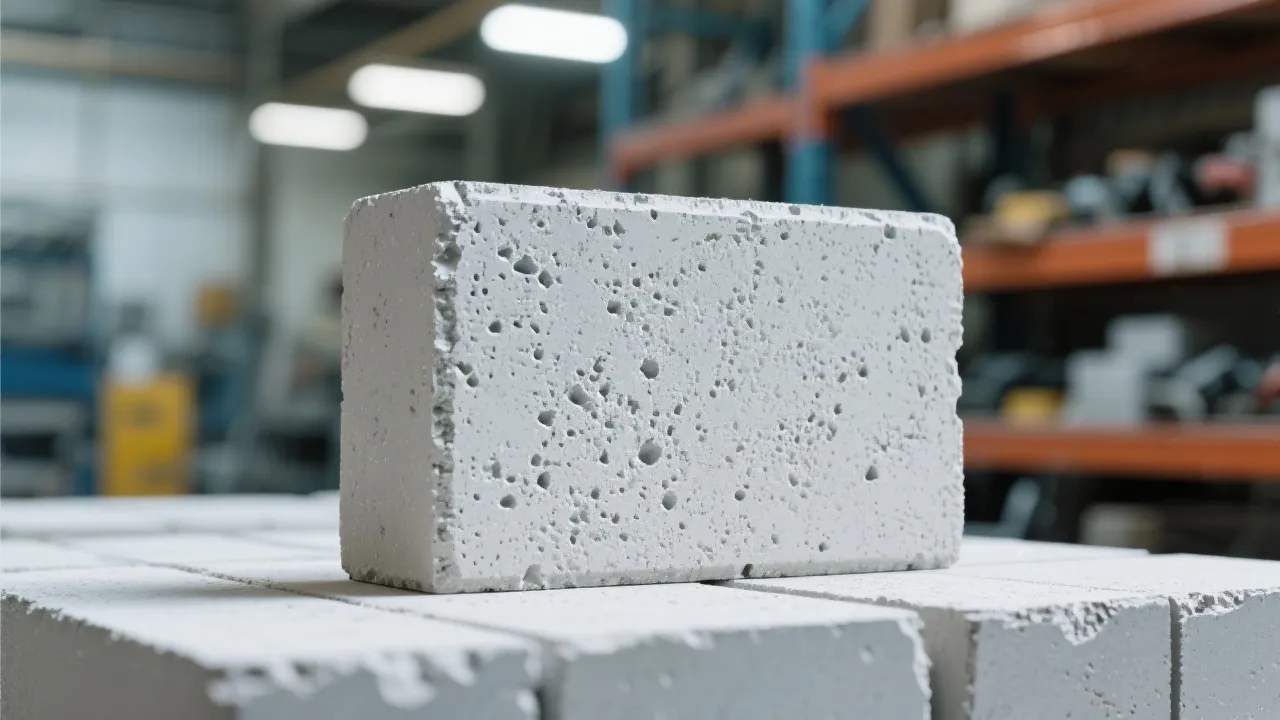
Compared to traditional magnesia bricks—which can suffer from rapid deterioration under similar conditions—magnesium-chrome bricks deliver longer life and reduced maintenance frequency.

Imagine a scenario where reactor startup or shutdown causes a rapid temperature drop of up to 350°C within minutes—a common challenge causing refractory spallation. Magnesium-chrome bricks maintain structural integrity over 300 cycles, whereas traditional magnesia bricks often fail by 120 cycles under similar stress. This translates to longer service runs and less frequent costly shutdowns for relining.
“Post-installation of magnesium-chrome refractory linings, our plant observed a 40% reduction in downtime related to refractory failure and a 30% decrease in maintenance costs during the first 18 months.” – Senior Operations Manager, Large-scale Chemical Manufacturer
Multiple real-world implementations confirm that upgrading your refractory system can significantly boost your plant’s reliability and bottom line.
Even the best refractory bricks require careful handling. Key guidelines include:
Implementing these practices ensures your refractory investment translates into sustained operational stability.
If you want to overcome refractory failures that disrupt your production cycles, it’s time to explore magnesium-chrome bricks as the benchmark in high-temperature chemical reactor linings. Harness their thermal shock tolerance and corrosion resistance to cut your equipment downtime and maintain safe operations without compromising budgets.
Managing differential thermal expansion is crucial when reactors face frequent temperature swings. Below is a comparison of the linear expansion coefficients (in 10-6/°C):
| Material | Thermal Expansion Coefficient |
|---|---|
| Magnesium-Chrome Brick | 7.4 – 7.7 |
| Traditional Magnesium Brick | 9.5 – 10.2 |
This reduced expansion range helps diminish internal stresses, lowering the risk of cracking during rapid temperature shifts.
Explore how embracing superior refractory materials can fortify your chemical reactors against the harshest challenges. Unlock the full potential of your high-temperature equipment — schedule an expert consultation today and let us guide you toward smarter material choices and maintenance strategies.