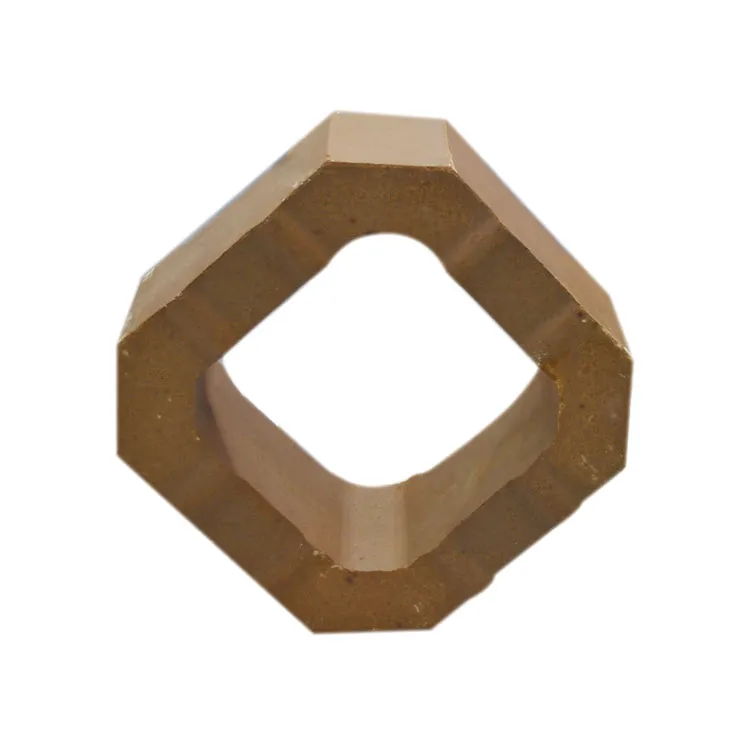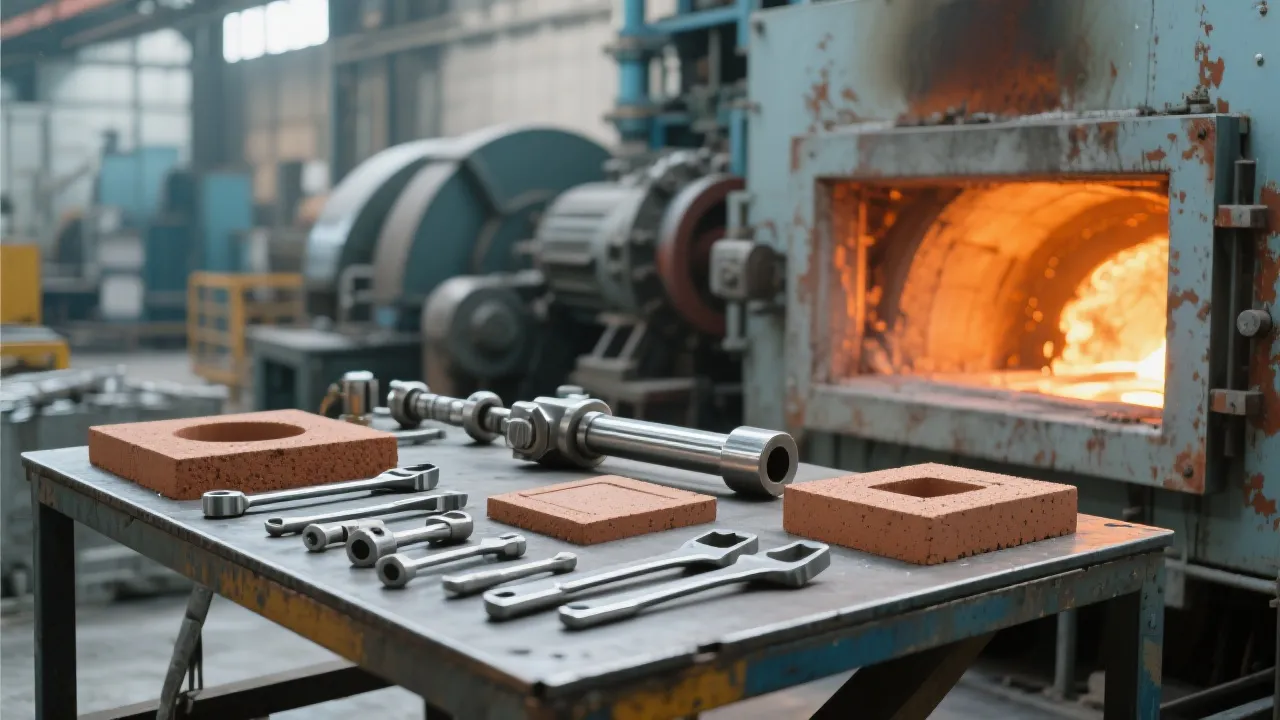
In the demanding environment of high-temperature chemical reactors, the selection of corrosion-resistant refractory materials plays a pivotal role in ensuring both operational stability and equipment longevity. This article delves into how newly developed refractory mag-chrome bricks, fabricated from sintered magnesia and refractory-grade chromite, outperform traditional magnesia bricks through superior thermal shock resistance, corrosion endurance, and slag resistance. These qualities are crucial in extreme conditions encountered in modern chemical processing facilities worldwide.
The combined application of sintered magnesia and chromite delivers a refractory lining characterized by a remarkable melting point exceeding 2800°C, low thermal conductivity (approximately 1.2 W/m·K), and a high modulus of rupture above 25 MPa at ambient temperature. Chemically, the material showcases strong resistance against slag infiltration and acidic or basic corrosion, common in chemical reactor atmospheres containing aggressive compounds like sulfur oxides and fluorides.
Compared to traditional magnesia bricks, which may degrade after 300 thermal shock cycles, mag-chrome bricks sustain over 500 cycles without critical structural damage, substantially reducing downtime and maintenance frequency.
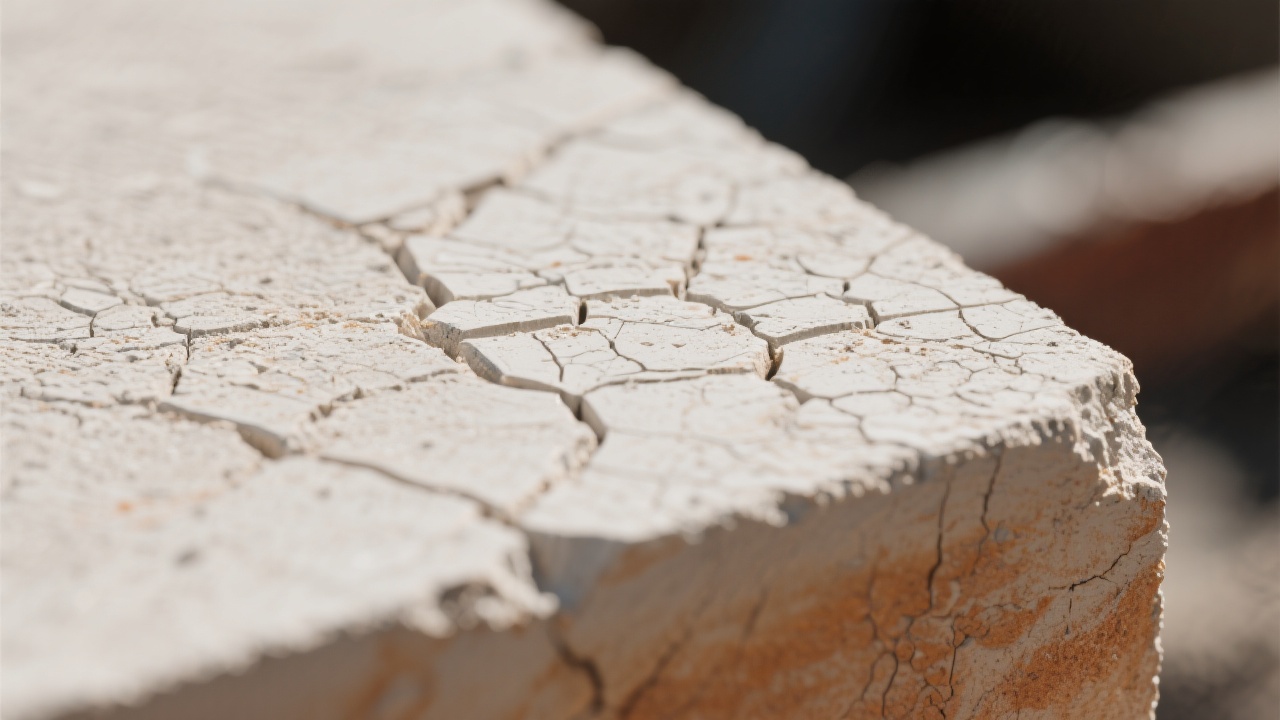
Thermal shock stability is arguably the most critical parameter. Magnesite bricks, typically strained under rapid heating and cooling cycles, develop microcracks that propagate into major failures, while mag-chrome bricks maintain structural integrity due to improved crystal lattice bonding. Additionally, the chromite content strengthens the brick’s immunity against corrosive slags common in alkali and acidic environments.
A comparative study (see Table 1) aggregates test results from multiple industrial reactors demonstrating 40% better resistance to slag penetration and 25% higher compressive strength retention post thermal cycling for mag-chrome bricks.
| Property | Traditional Magnesia Brick | Sintered Mag-Chrome Brick |
|---|---|---|
| Thermal Shock Cycles Resistance | ~300 cycles | >500 cycles |
| Slag Penetration Depth | Up to 7 mm | Less than 4 mm |
| Compressive Strength Retention | 75% | >95% |
In high-temperature chemical reactors used for processes such as sulfuric acid production or alkylation, the lining must withstand aggressive chemical attack and thermal stresses. Implementations of mag-chrome bricks in large-scale plants in Europe and Asia have demonstrated a 20% decrease in unplanned shutdowns and a notable improvement in energy consumption due to reduced heat loss.
One case study from a factory in Germany showed that switching to refractory mag-chrome bricks led to a 15% reduction in annual maintenance costs, attributable to less frequent repairs and extended refractory life. These improvements translate directly to higher overall plant productivity.
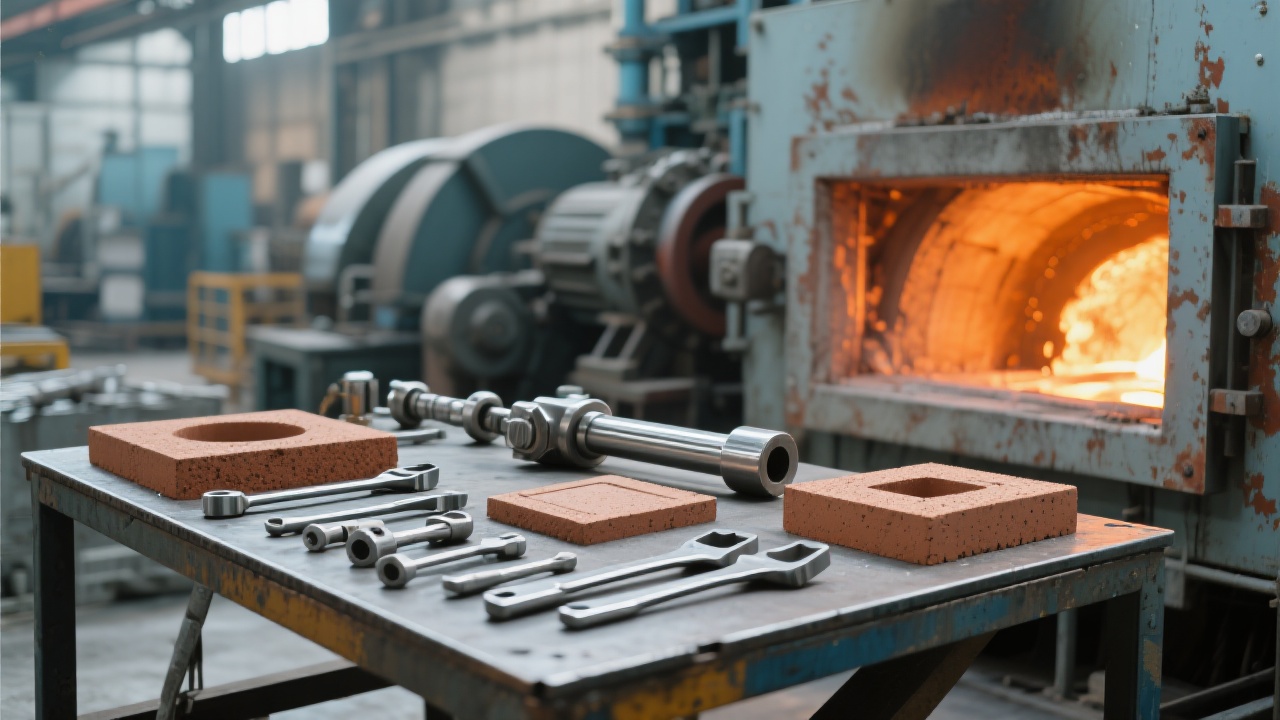
Effective installation significantly impacts refractory performance. It is recommended to follow a turnkey approach involving:
Timely and expert maintenance can extend the usability of refractory linings beyond projected lifespans, which may exceed five years in favorable conditions.
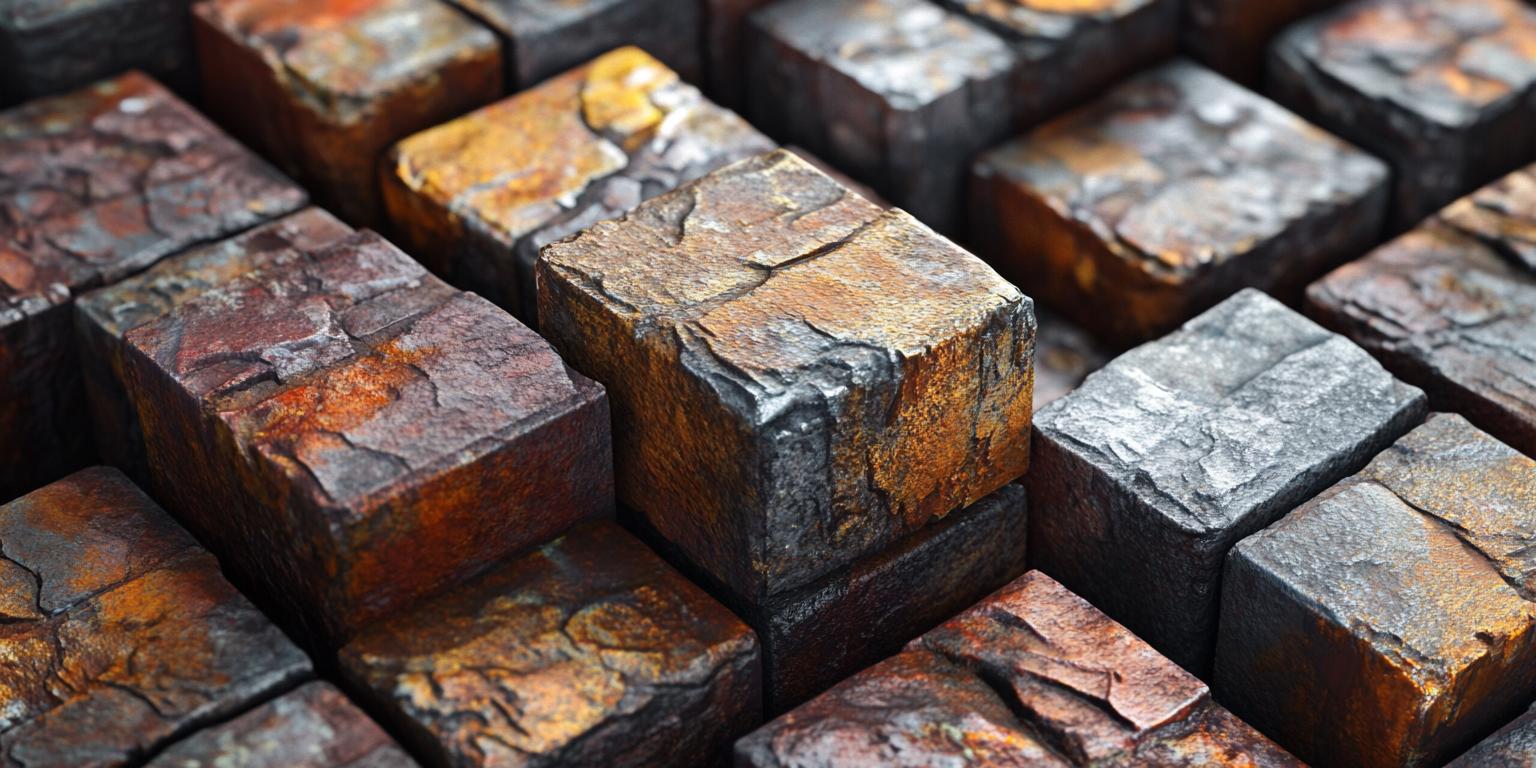
The global refractory materials market is expected to grow at a CAGR of approximately 5.6% over the next five years, driven predominantly by expanding chemical industries in emerging economies and the push for higher efficiency in mature markets. High performance refractory bricks like sintered mag-chrome are increasingly sought after for export due to their adaptability to various extreme operating conditions.
Key export markets include Southeast Asia, the Middle East, and Eastern Europe, where modernization of chemical infrastructure is underway. Companies able to combine technological excellence with reliable logistics and technical support will gain substantial competitive advantages.
Expert advice to optimize your chemical reactor’s durability and efficiency.



.jpg?x-oss-process=image/resize,h_1000,m_lfit/format,webp)