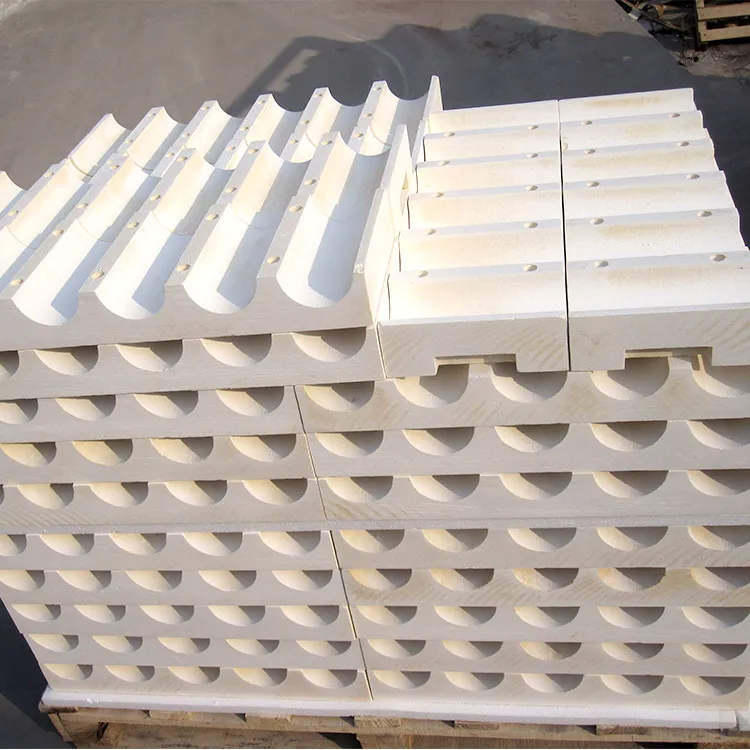
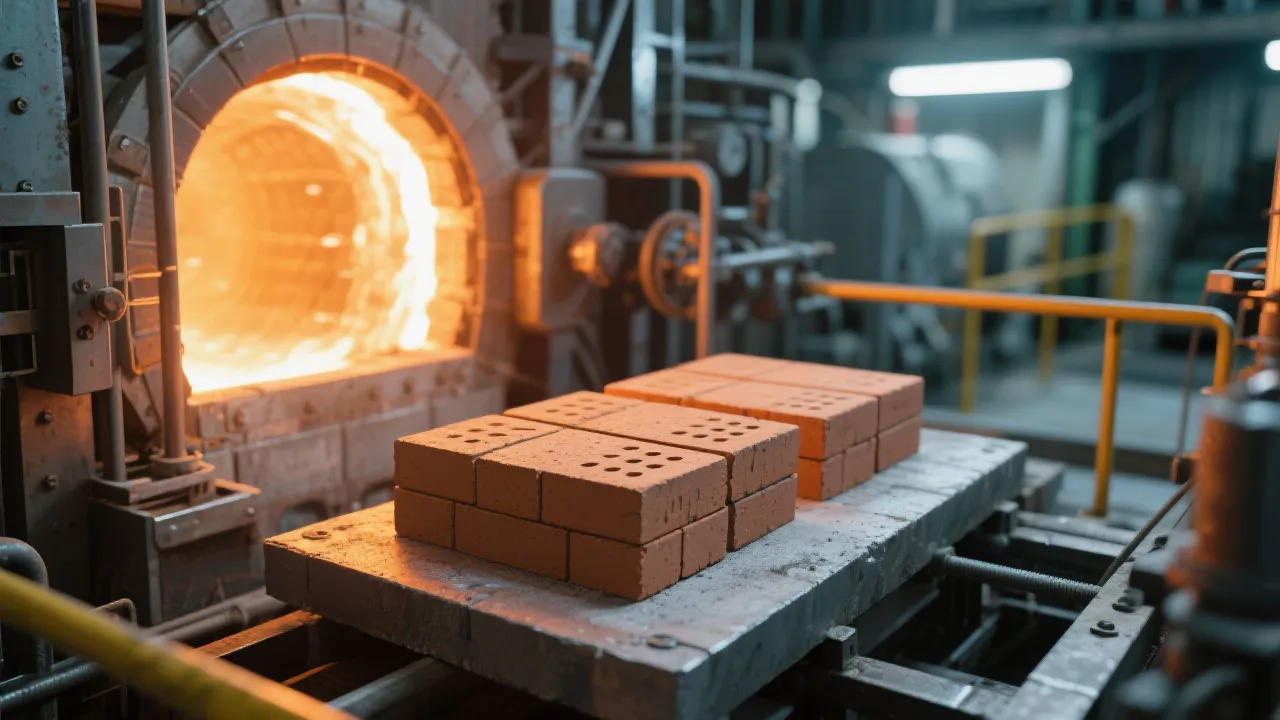
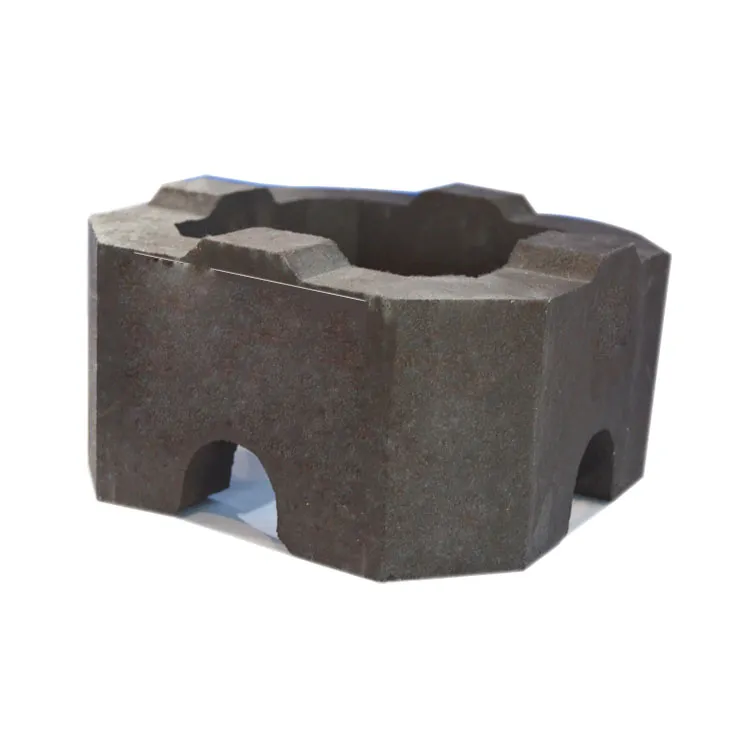
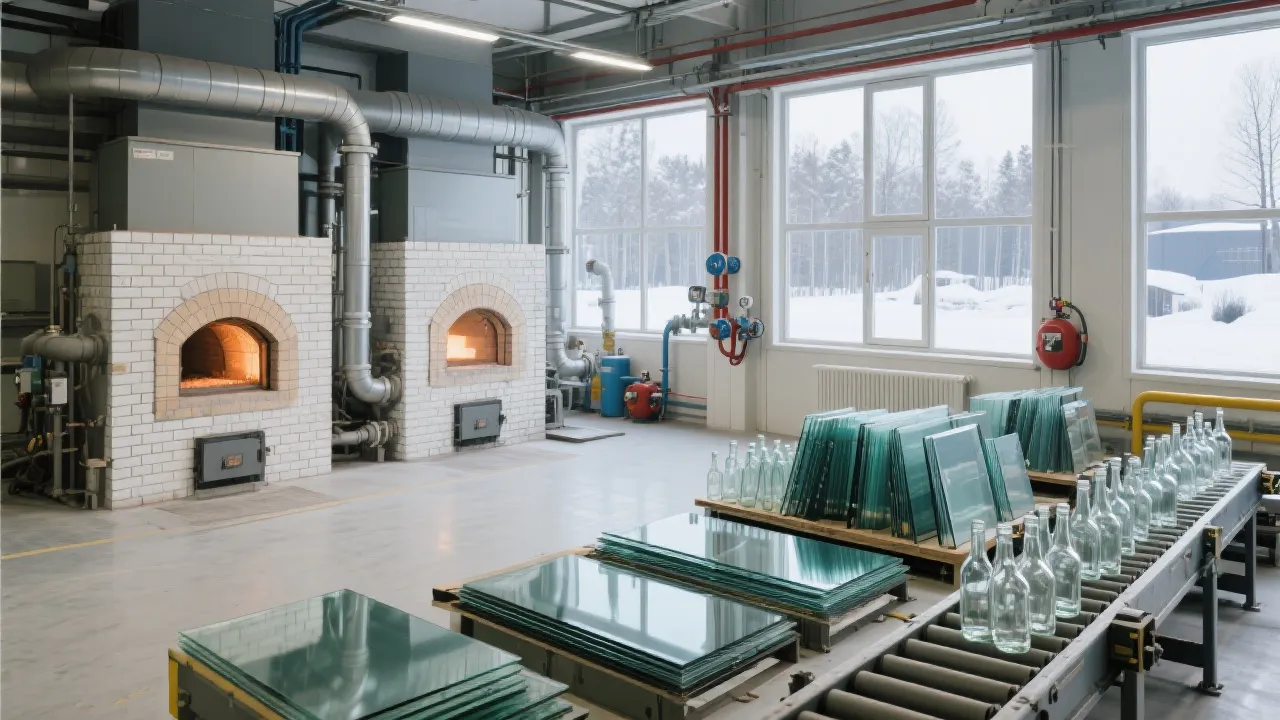
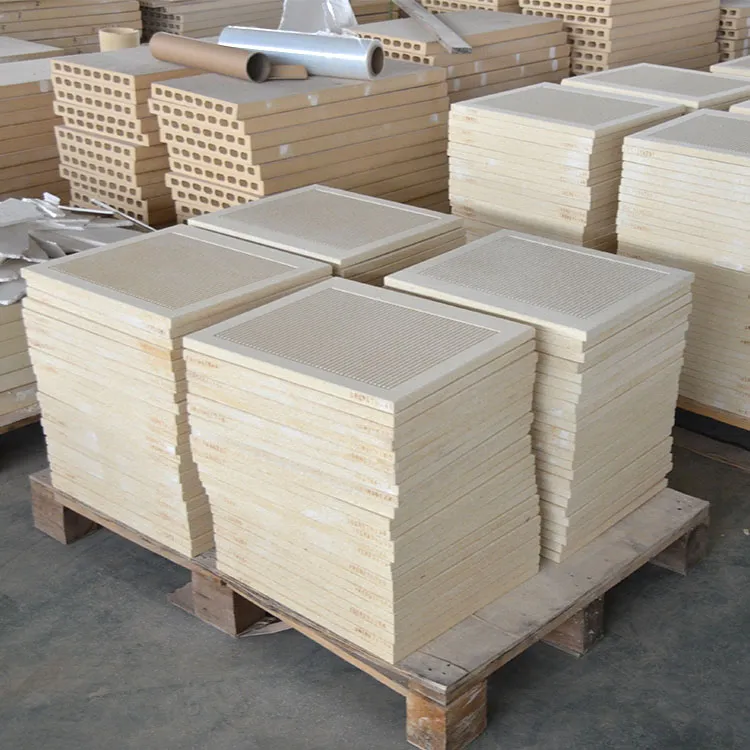
When it comes to high-temperature chemical reactors, the thermal shock stability of refractory materials is the key determinant of their service life. In this article, we'll delve into the assessment methods and core indicators of thermal shock stability for corrosion-resistant ordinary magnesium-chromium bricks, and explore how making the right material choices can benefit your business.

In high-temperature chemical processes, refractory materials are constantly subjected to rapid temperature changes. Thermal shock stability refers to the ability of a material to resist damage caused by these drastic temperature fluctuations. A material with poor thermal shock stability may crack, spall, or even fail completely under thermal stress, leading to reduced equipment efficiency, increased maintenance frequency, and higher costs.
There are several methods to evaluate the thermal shock stability of refractory materials. One of the most commonly used is the linear expansion test. By measuring the change in the material's length as it heats up and cools down, we can determine its linear expansion rate, which is an important indicator of its thermal shock resistance. Another method is the thermal shock cycling experiment, where the material undergoes multiple cycles of heating and cooling to simulate real-world operating conditions. During these cycles, we can monitor changes in the material's fracture strength and measure the number of thermal shocks it can withstand before failure. Additionally, microscopic structure analysis can provide insights into the internal changes of the material, helping us understand its failure mechanisms at a deeper level.
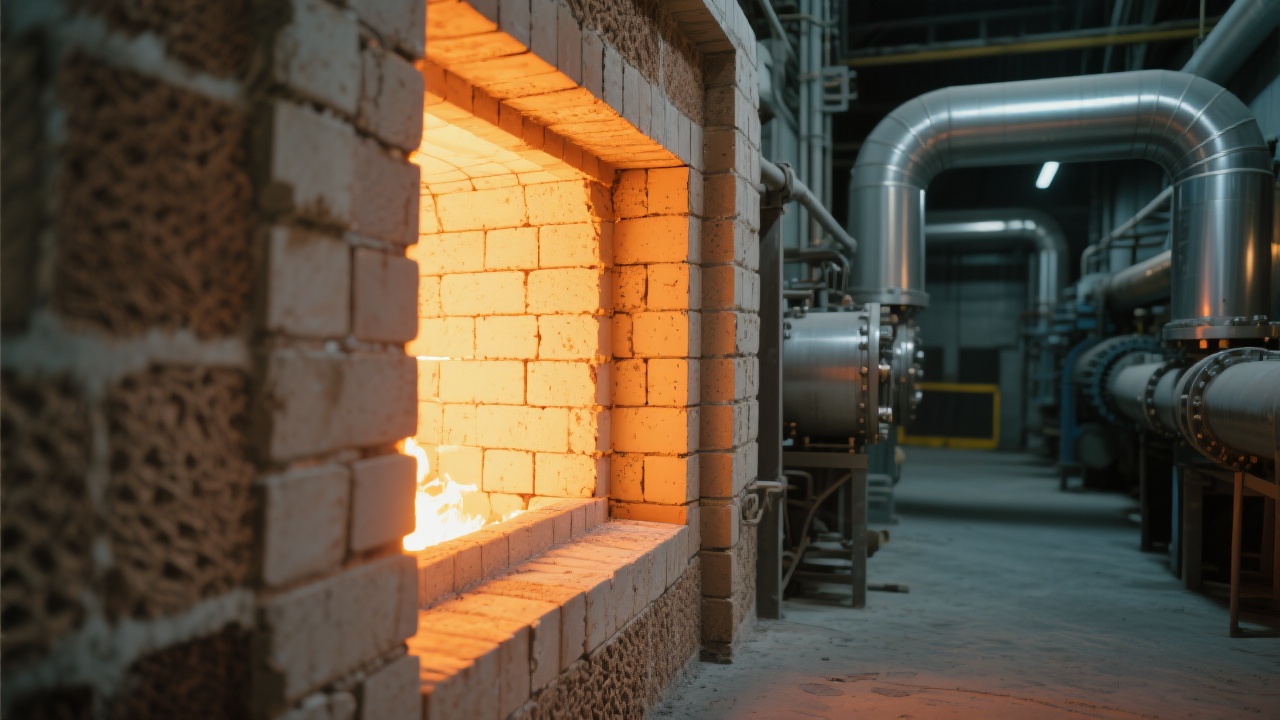
When comparing magnesium-chromium bricks with traditional magnesium bricks, significant differences in physical properties can be observed. For example, in terms of thermal conductivity, magnesium-chromium bricks generally have a lower value, which means they can better insulate heat and reduce energy loss. In terms of strength retention after thermal shock, magnesium-chromium bricks also outperform traditional magnesium bricks. Tests have shown that after 10 thermal shock cycles, traditional magnesium bricks may experience a strength reduction of up to 30%, while magnesium-chromium bricks can maintain more than 80% of their original strength. This makes magnesium-chromium bricks a more reliable choice for high-temperature applications.
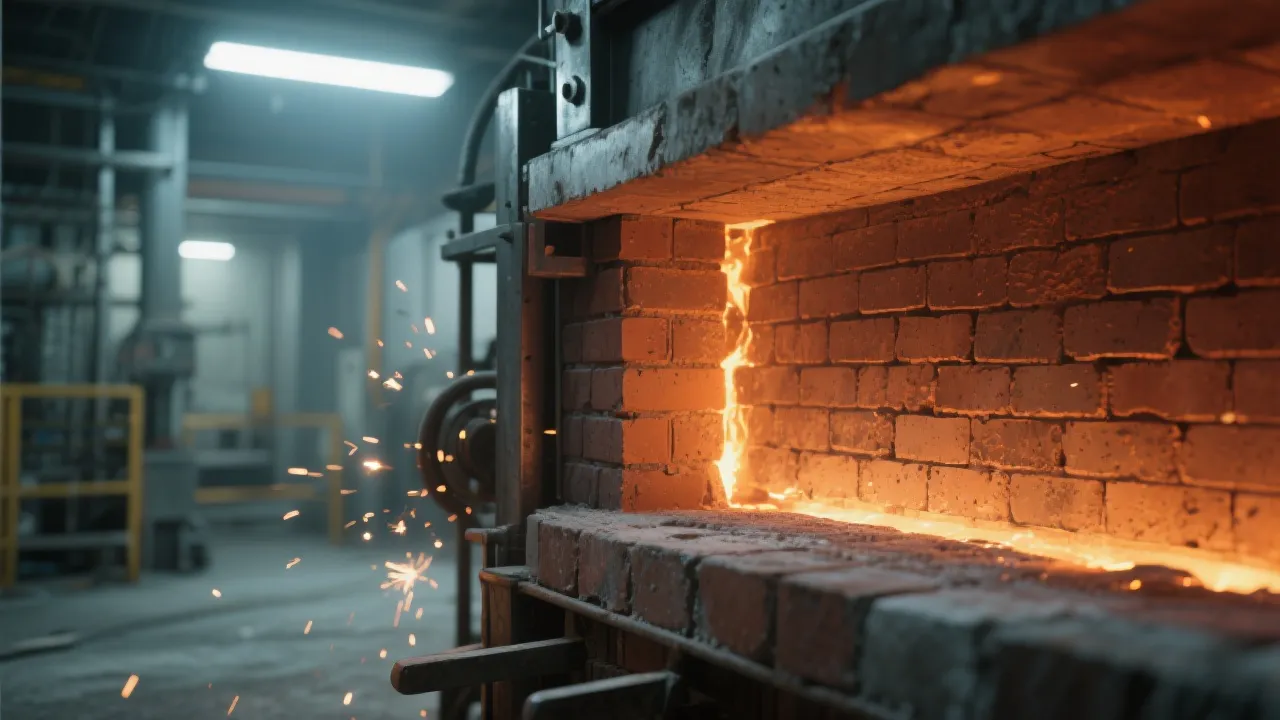
Let's take a real-world example. A chemical plant was facing frequent furnace shutdowns due to improper refractory material selection. The traditional magnesium bricks they were using were unable to withstand the thermal stress in the high-temperature reactor, resulting in cracks and spalling. After switching to Tianyang magnesium-chromium bricks, the reactor has been operating stably for over two years. This not only reduced the plant's maintenance costs but also improved production efficiency and safety.
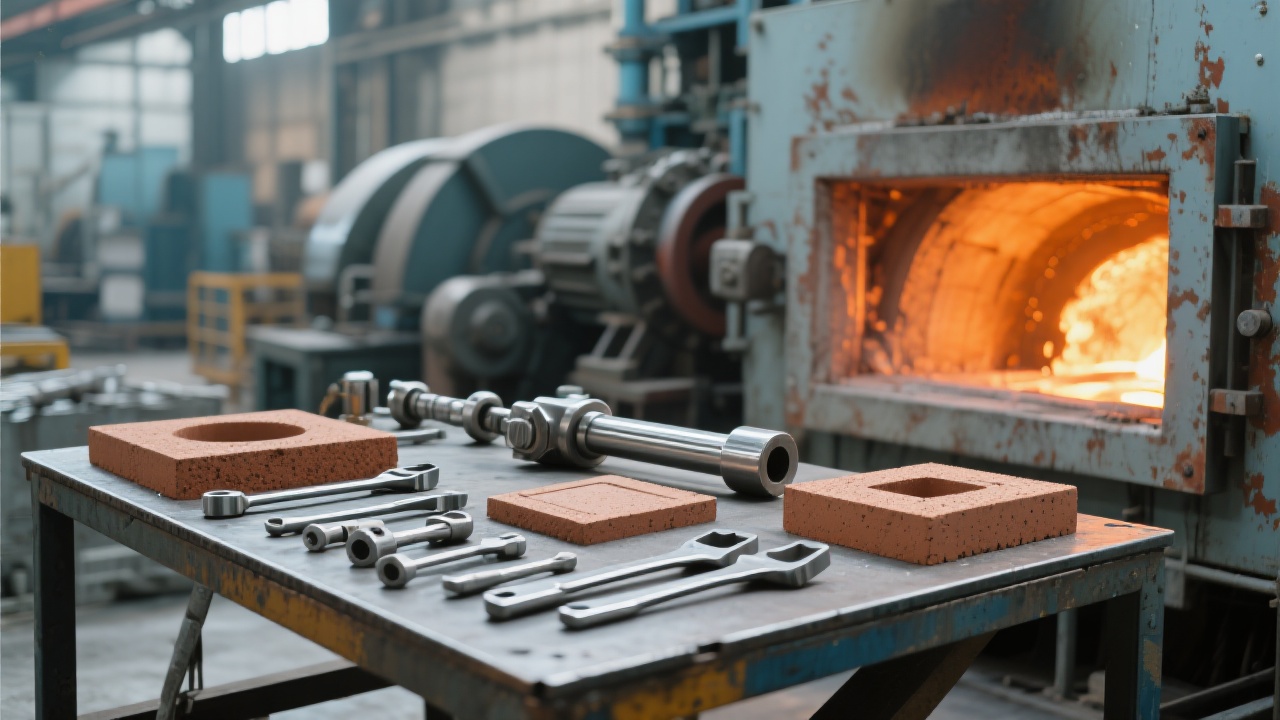
To ensure the optimal performance of refractory materials, proper installation and maintenance are essential. During installation, it is important to avoid rapid temperature changes and leave appropriate expansion joints to accommodate the material's thermal expansion. During operation, regular inspections should be carried out to detect any signs of damage early. If any issues are found, timely repairs or replacements should be carried out to prevent further problems.
"Choosing the right refractory material is crucial for the long-term operation of high-temperature equipment. Our research shows that materials with high thermal shock stability can significantly reduce maintenance costs and improve production efficiency." - Dr. John Smith, Refractory Material Expert
Are you still struggling to choose the right refractory material for your high-temperature equipment? Don't miss out on our free selection guide, which provides in-depth technical information and practical advice to help you make informed decisions. Get your free selection guide now!