ENGINEERING INSIGHT | MATERIAL SCIENCE | INDUSTRIAL APPLICATIONS
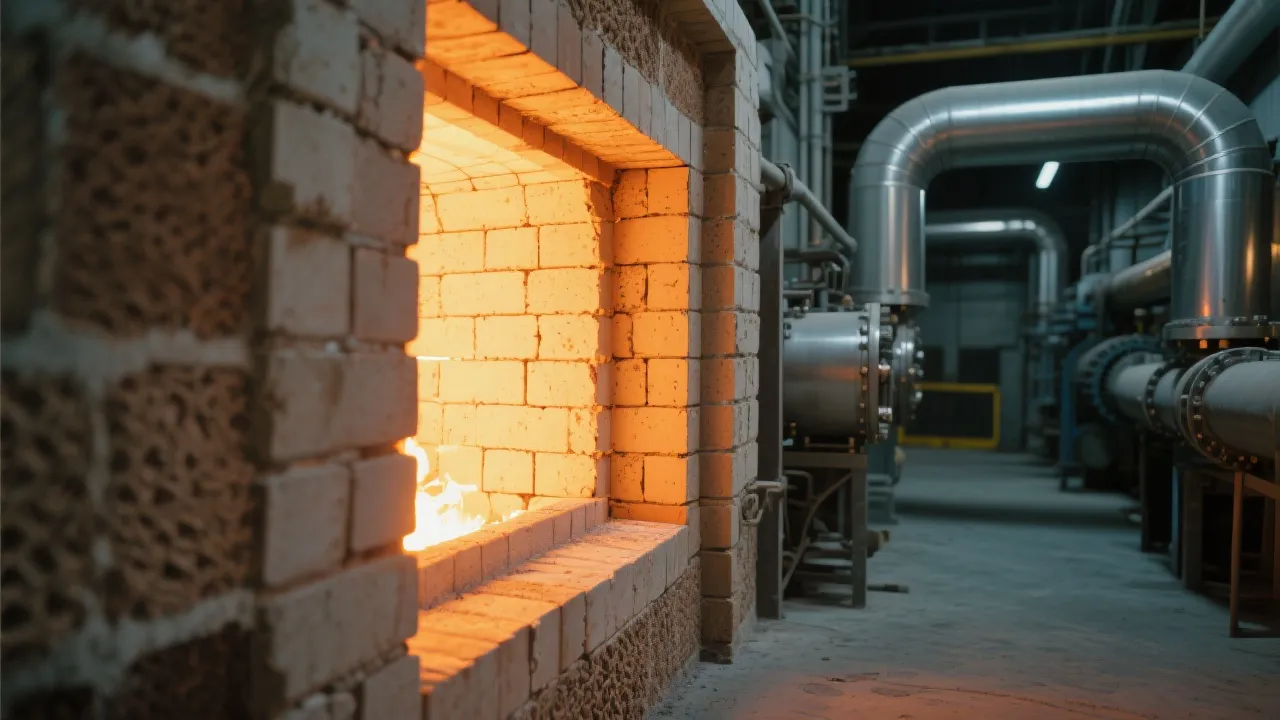
In the steel manufacturing industry, hot blast stoves operate under extreme conditions—temperatures exceeding 1,400°C and pressures up to 0.4 MPa—making refractory material selection a critical determinant of operational efficiency and maintenance costs. A well-chosen refractory solution can extend stove lifespan by 30-40% while reducing energy consumption by 8-12%, according to data from the International Iron and Steel Institute.
When evaluating refractory materials for hot blast stoves, four fundamental properties demand careful consideration:
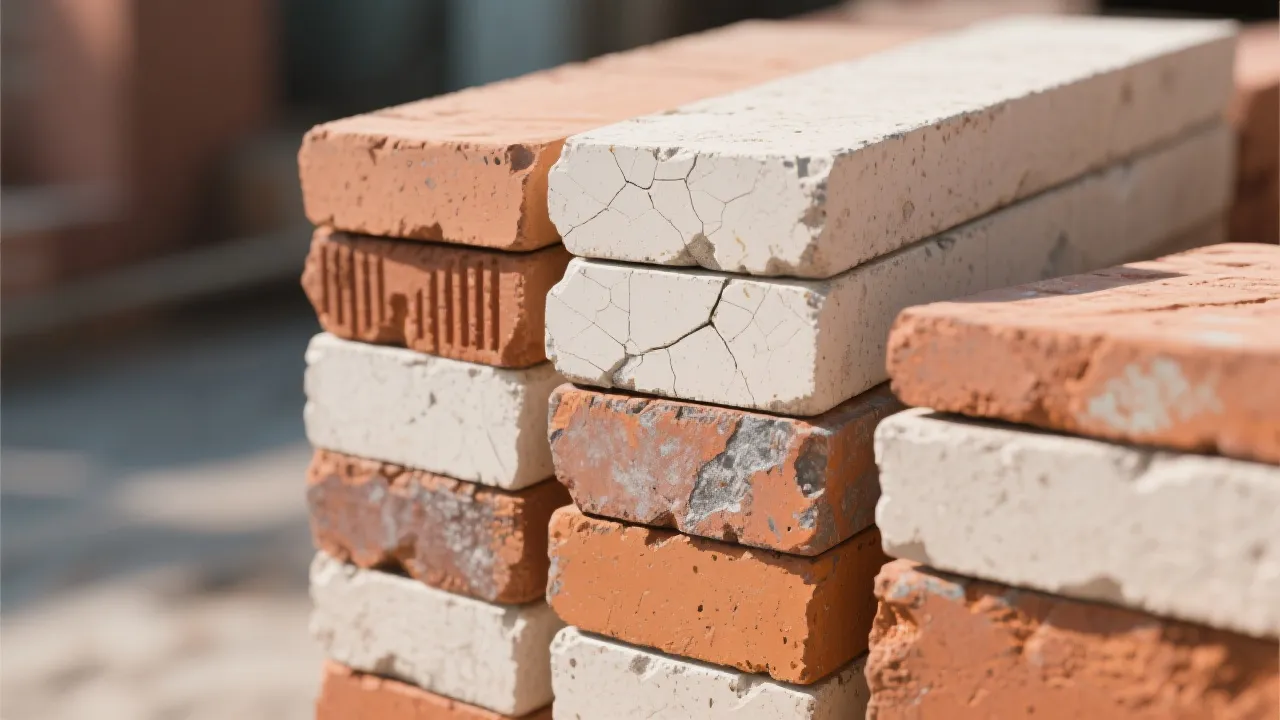
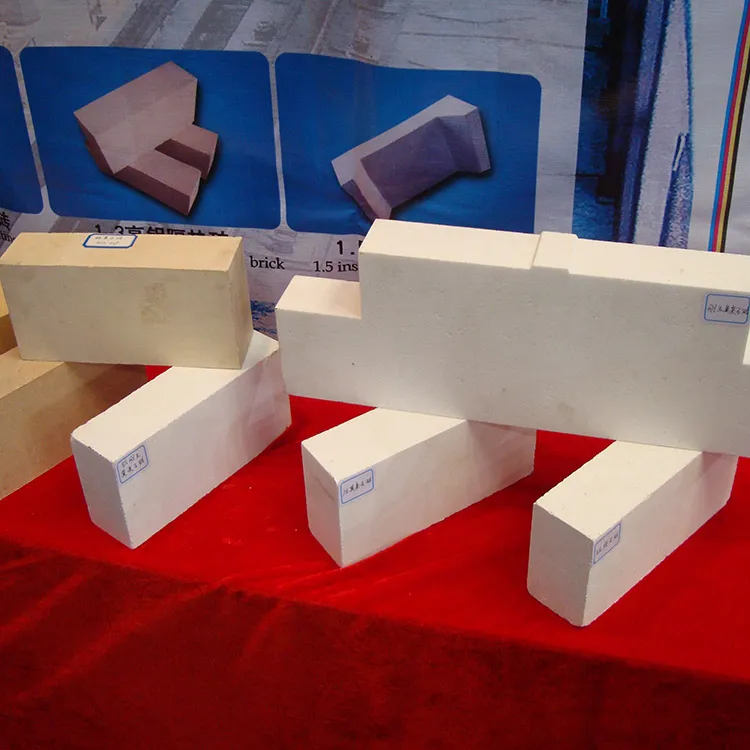
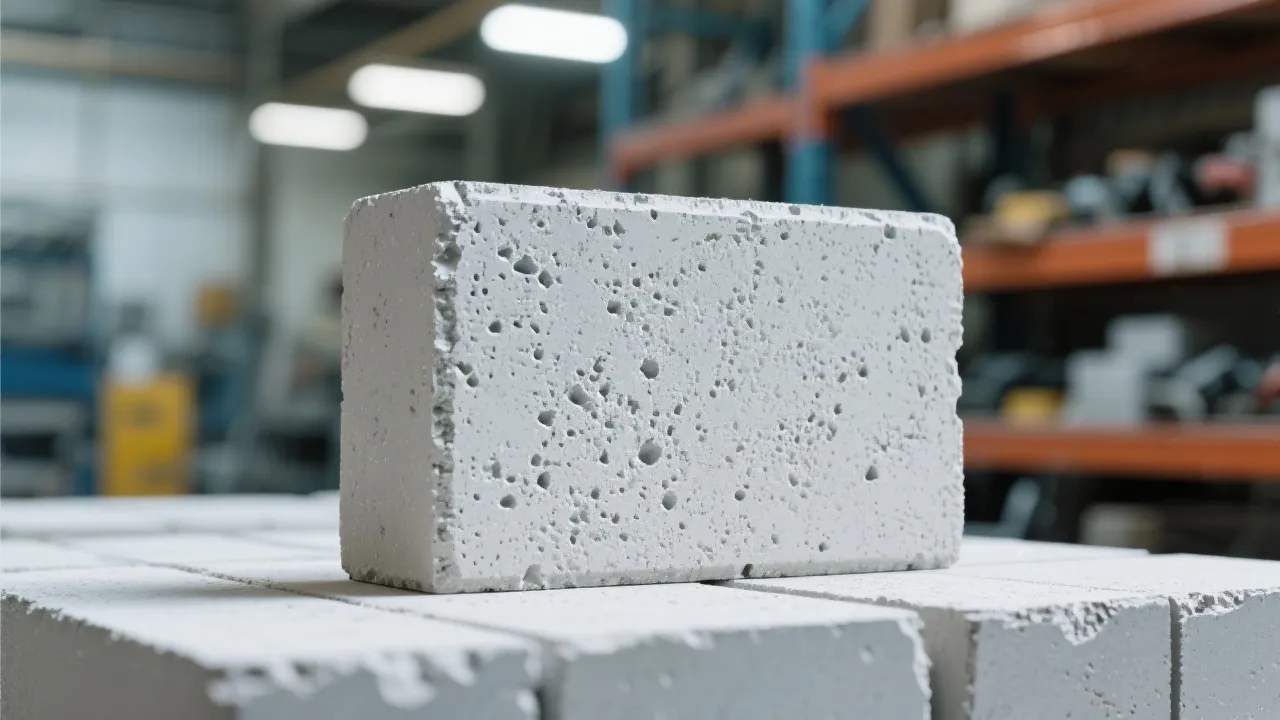
The three primary refractory materials used in hot blast stoves each offer distinct advantages depending on specific operating conditions:
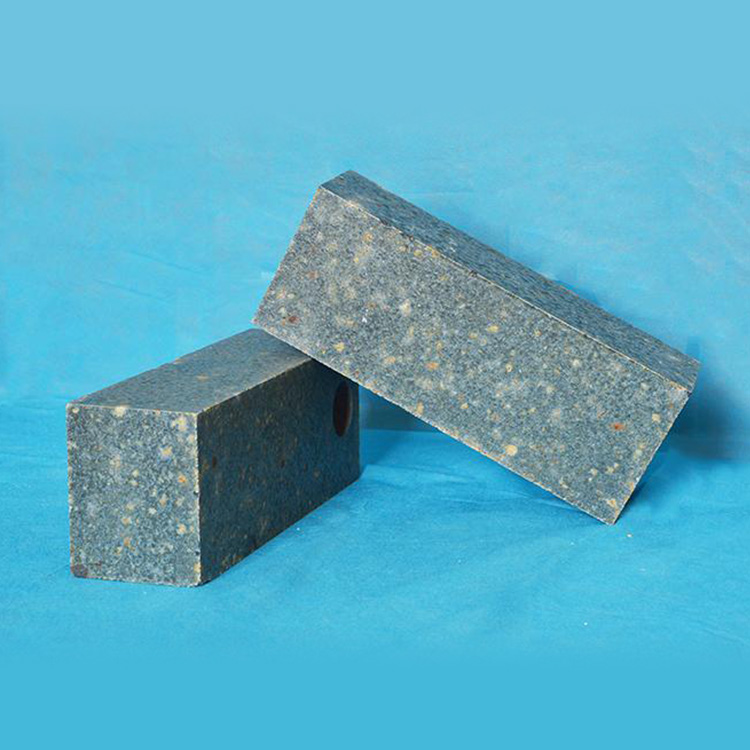
| Property | Fireclay Bricks | High-Alumina Bricks (60-80% Al₂O₃) | Silica Bricks |
|---|---|---|---|
| Max Service Temperature | 1,300-1,450°C | 1,500-1,700°C | 1,600-1,750°C |
| Thermal Conductivity (W/m·K) | 1.2-1.8 | 1.8-2.4 | 1.4-2.0 |
| Alkaline Corrosion Resistance | Moderate | High | Low |
| Thermal Shock Resistance | Excellent | Good | Fair |
| Typical Service Life | 3-5 years | 5-8 years | 4-6 years |
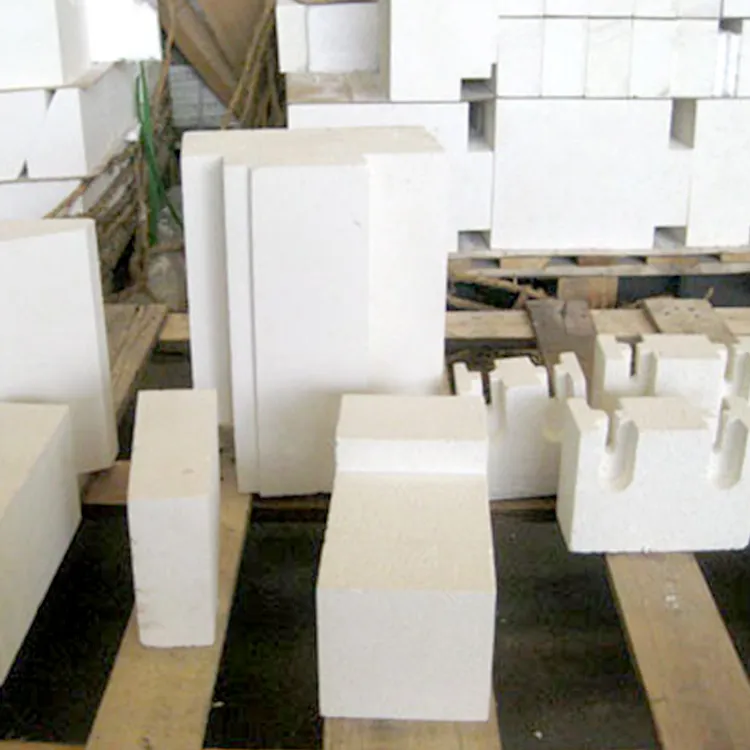
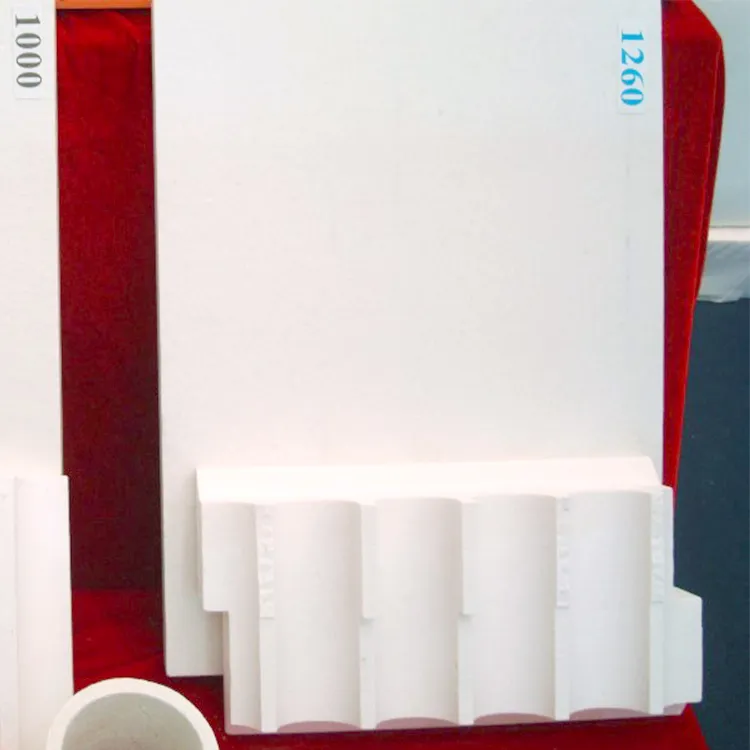
Beyond material composition, dimensional precision significantly impacts refractory system integrity. Studies show that brick dimensional tolerances exceeding ±1.5mm can reduce overall stove efficiency by up to 5% due to increased heat loss through gaps. In high-pressure environments, these gaps can lead to gas leakage, accelerating corrosion and reducing structural stability.
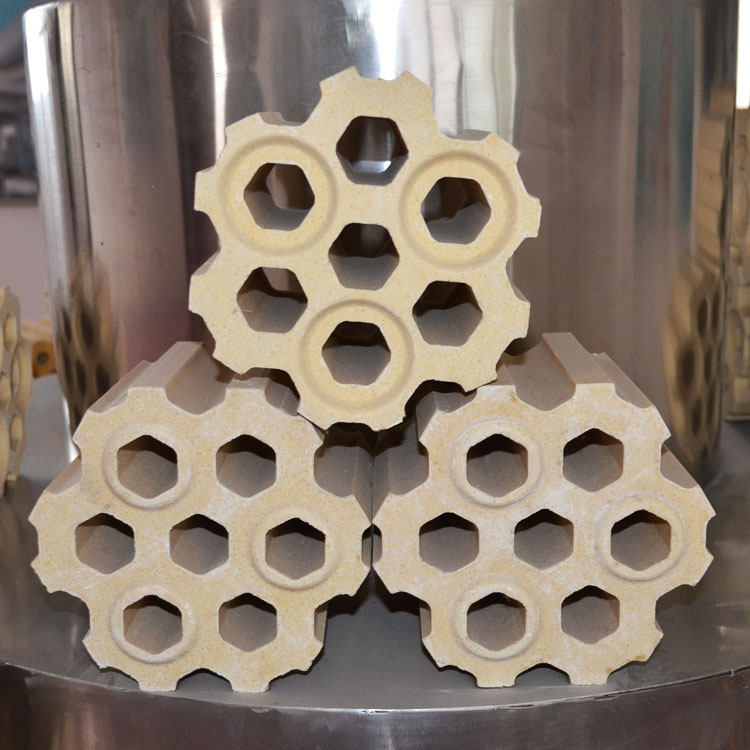
In a comparative study conducted at a major steel mill in Germany, high-alumina refractories demonstrated superior performance in alkaline-rich environments compared to traditional fireclay bricks. The test, conducted over 18 months in a 1,450°C hot blast stove, showed:
"The high-alumina refractory solution from Sunrise significantly improved our hot blast stove uptime while reducing energy consumption by approximately 9%," reported the mill's maintenance director.
When selecting refractories for hot blast stove applications, engineers should consider the following practical guidelines based on operational parameters:
Don't compromise on refractory quality. The right material selection directly impacts your bottom line through improved energy efficiency, extended service life, and reduced maintenance costs.
Our technical experts will analyze your specific operating conditions and recommend the optimal refractory solution tailored to your hot blast stove requirements.
The selection of refractory materials for hot blast stoves represents a critical engineering decision that balances thermal performance, chemical resistance, mechanical strength, and economic considerations. By understanding the unique properties of available materials and their real-world performance characteristics, plant operators can make informed choices that optimize both immediate and long-term operational efficiency.
With advancements in refractory technology and manufacturing processes, modern solutions offer significant improvements over traditional materials. When properly selected and installed, these advanced refractories can transform hot blast stove performance, contributing to overall steel production efficiency and sustainability goals.