INDUSTRIAL REFRACTORY SOLUTIONS
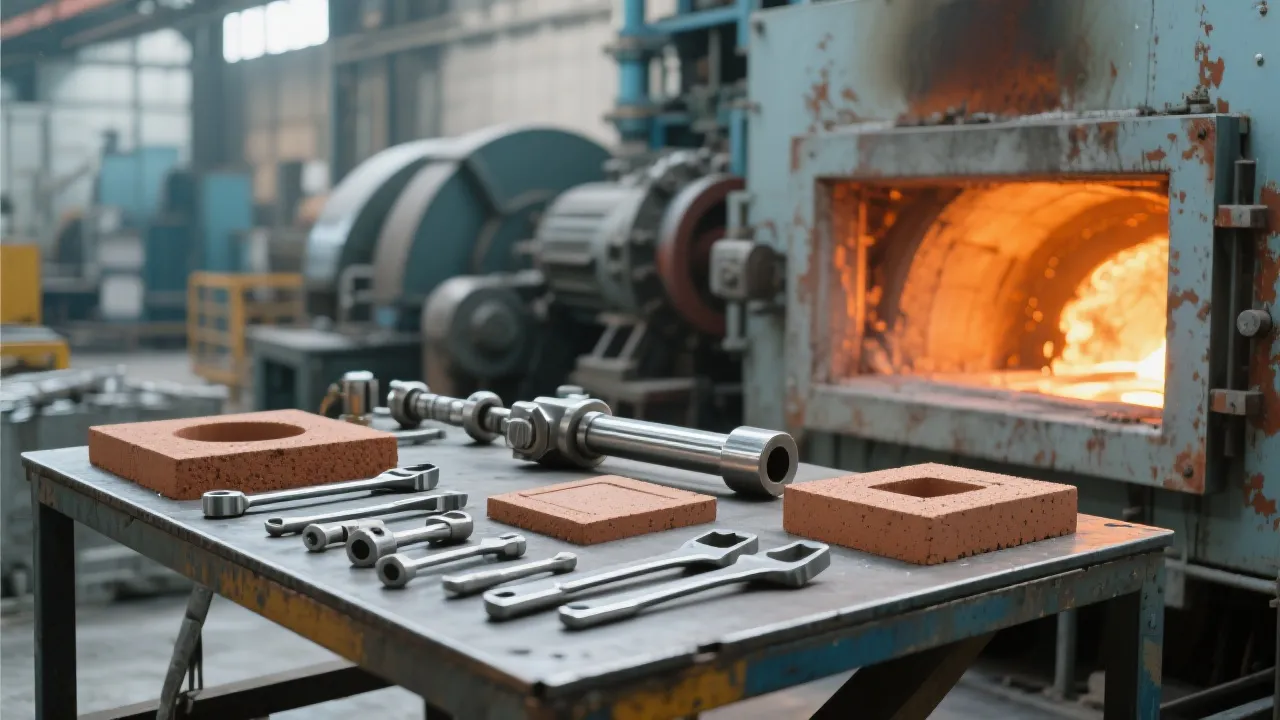
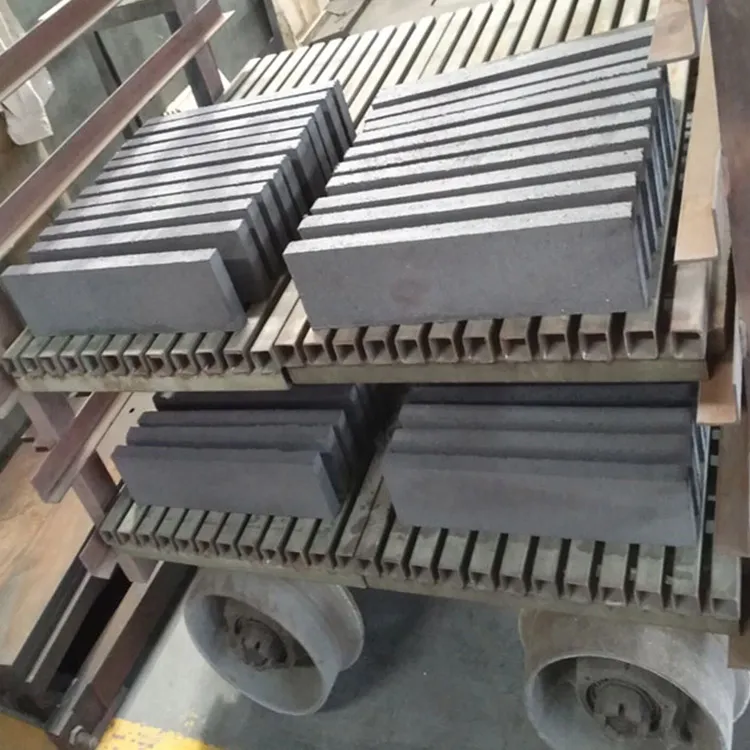
In the demanding environment of industrial furnaces, where temperatures regularly exceed 1600°C, the choice of refractory material directly impacts operational efficiency, safety, and maintenance costs. High-purity silica bricks, characterized by SiO₂ content greater than 95%, have emerged as the material of choice for hot blast furnace linings, offering exceptional thermal stability and resistance to thermal shock. According to industry research, furnaces utilizing high-quality silica bricks typically experience 30-40% longer refractory service life compared to those using conventional materials.
"The structural integrity of a hot blast furnace depends entirely on the precision of its silica brick installation. Even minor deviations in brick placement can lead to uneven heat distribution, resulting in premature failure and costly downtime." — Industrial Refractory Association, 2023
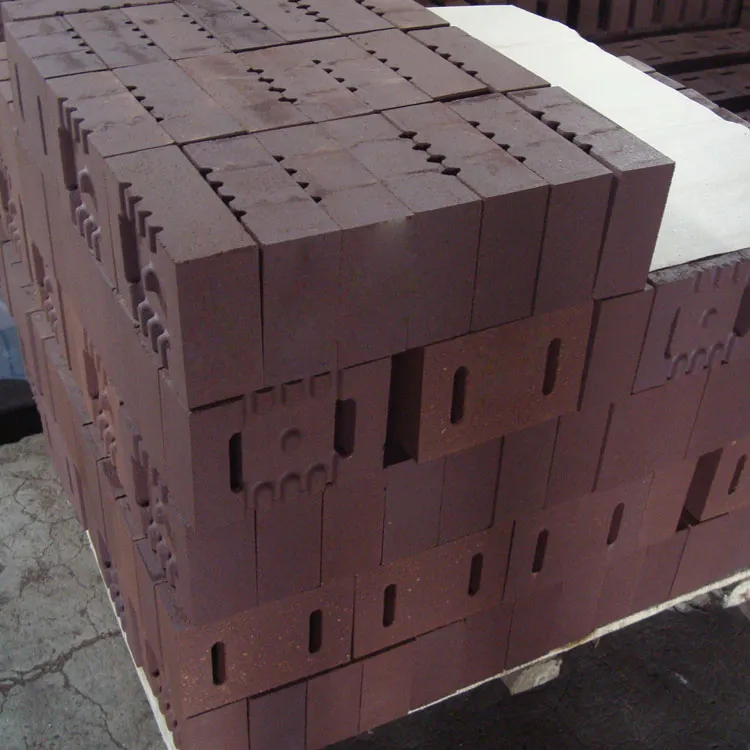
Before installation begins, a comprehensive inspection protocol must be implemented to ensure optimal performance. This critical first step involves verifying brick dimensions, checking for manufacturing defects, and confirming chemical composition. Sunrise refractory experts recommend the following key checks:
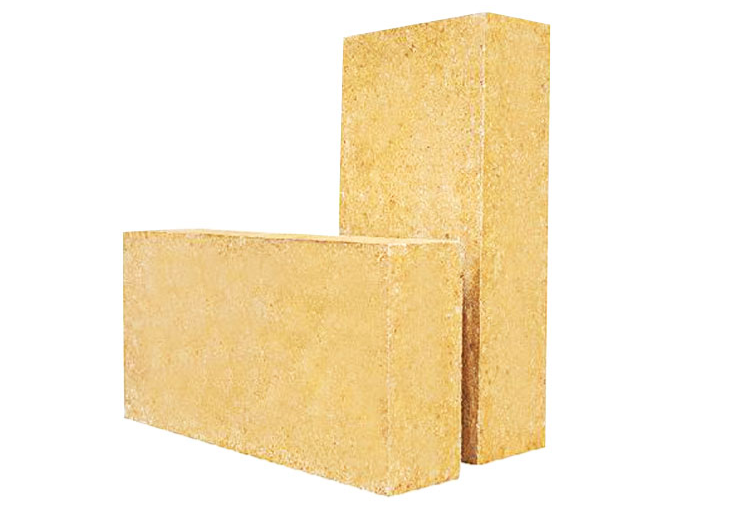
The arrangement of silica bricks within the furnace structure directly affects heat distribution and stress management. The staggered brick pattern, combined with proper joint thickness control (3-5mm), creates a robust structure capable of withstanding extreme thermal cycling. Professional installers utilize laser alignment tools to ensure vertical and horizontal accuracy within ±1mm per meter.
A proprietary installation method developed by Sunrise engineers incorporates expansion joints strategically placed every 1.5-2 meters to accommodate thermal expansion, reducing crack formation by up to 65% compared to traditional methods. This technique has been validated in over 200 industrial furnace installations worldwide.
"Inspect first, align true, joint control, expansion through, tap gentle, check all through."
This simple口诀 (kou jue) helps installation teams remember the critical steps for successful silica brick placement, ensuring consistency across all installation projects.
Thermal stress represents the primary challenge in silica brick performance. When temperature gradients exceed 50°C per minute, the risk of brick fracture increases exponentially. To mitigate this, Sunrise recommends implementing a controlled heating schedule during furnace commissioning, with temperature increases not exceeding 25°C per hour during the critical 200-600°C range.
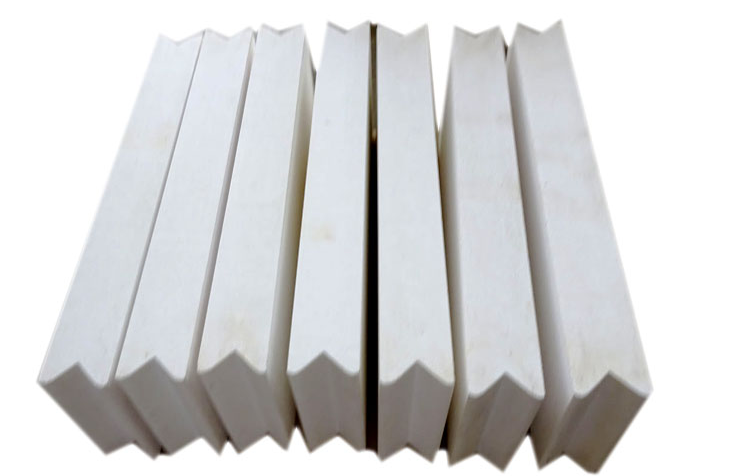
Regular temperature monitoring using embedded thermocouples at key locations provides valuable data on thermal distribution. Analysis of this data allows for predictive maintenance, with studies showing that proactive thermal management can extend brick life by 25-35% in high-temperature industrial applications.
Establishing a structured maintenance program is essential for maximizing silica brick longevity. Weekly visual inspections should check for: surface spalling, joint deterioration, and hot spot development. Monthly thermal imaging scans can detect temperature anomalies before they lead to catastrophic failure.
| Common Issue | Potential Cause | Recommended Action |
|---|---|---|
| Hairline cracks | Thermal shock or improper heating | Apply high-temperature refractory sealant; adjust heating schedule |
| Brick displacement | Excessive thermal expansion | Reinforce with refractory anchors; verify expansion joint functionality |
| Surface erosion | Chemical attack or gas flow abrasion | Apply protective coating; optimize gas flow dynamics |
A steel manufacturing facility in Pennsylvania was experiencing premature silica brick failure, with average lining life of only 14 months. After conducting a comprehensive analysis, Sunrise engineers identified improper installation techniques and inadequate thermal management as the root causes. Implementation of precision placement techniques, revised heating protocols, and a structured maintenance program extended brick life to 28 months, reducing maintenance costs by 42% and increasing furnace uptime by 18%.
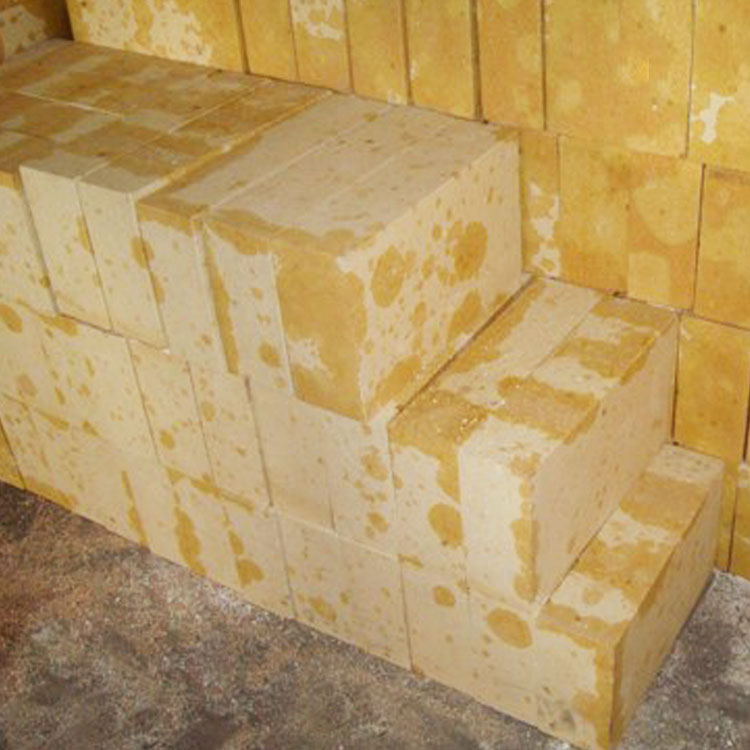
Download our comprehensive Hot Blast Furnace Refractory Installation Guide featuring: detailed technical specifications, step-by-step installation procedures, and advanced thermal management strategies developed by Sunrise refractory specialists.
Access Your Free Guide NowProper installation and maintenance of high-purity silica bricks represent investments in operational efficiency and safety. By implementing the techniques outlined in this guide, industrial operators can significantly extend refractory service life while minimizing downtime and maintenance costs. The expertise of refractory specialists, combined with quality materials like Sunrise high-purity silica bricks, forms the foundation of reliable and efficient furnace operations in today's demanding industrial environments.


.jpg?x-oss-process=image/resize,h_1000,m_lfit/format,webp)