In the high - temperature industrial sector, the selection of kiln furniture for industrial kilns is a critical decision that directly impacts production efficiency, equipment lifespan, and cost - effectiveness. However, many technical personnel and managers in the ceramic, metallurgy, and glass industries often fall into common misconceptions when choosing kiln furniture materials.
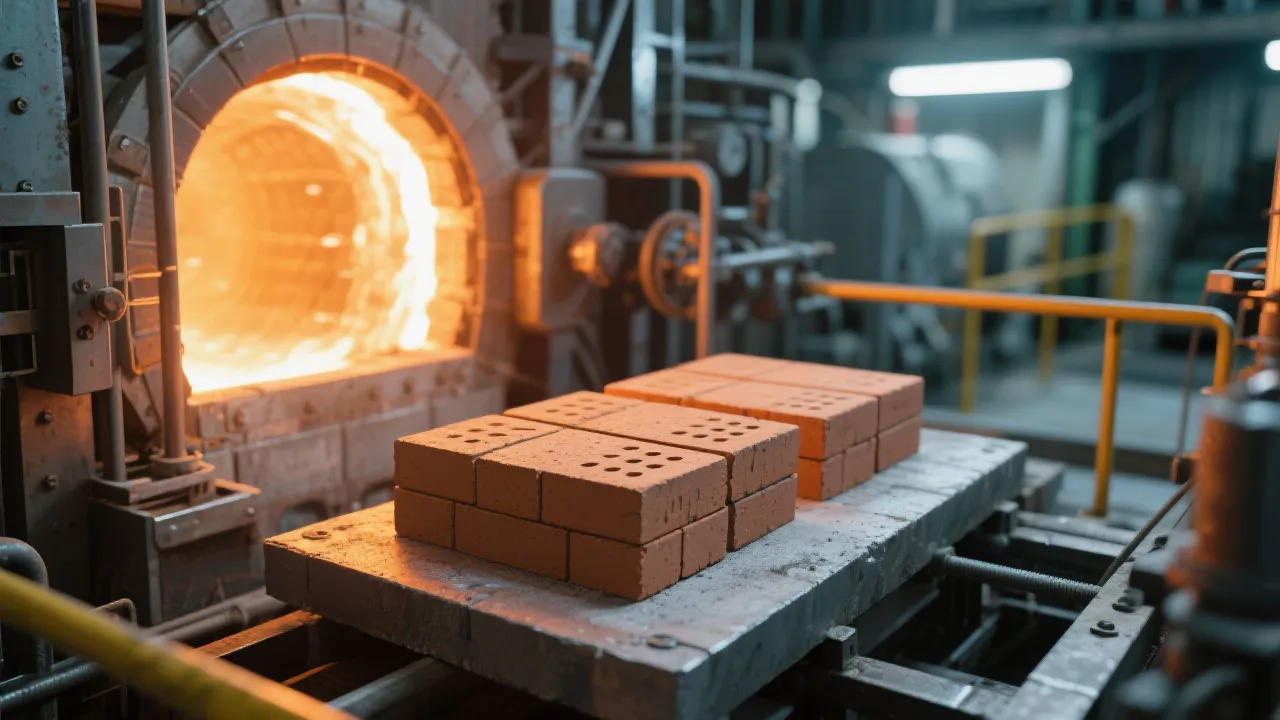
Let's start by looking at a typical pain point scenario. During a ceramic firing process, a kiln experienced unexpected failures. The kiln furniture cracked, deformed, or failed to withstand the high - temperature environment, leading to product quality issues, production delays, and increased maintenance costs. Such situations are not uncommon and highlight the importance of scientific material selection.
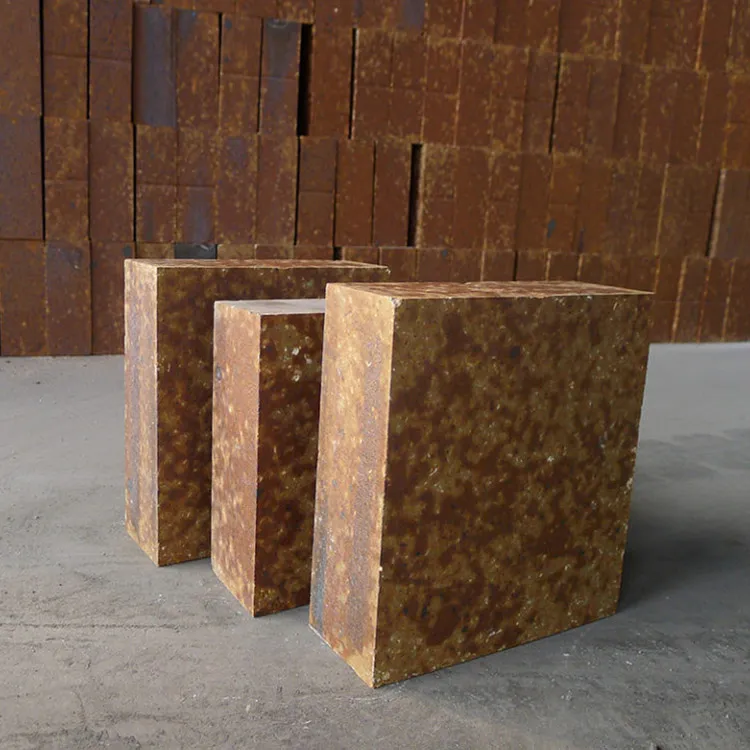
The main high - temperature materials for kiln furniture include corundum, mullite, and cordierite. Here is a systematic comparison of their performance parameters:
| Material | Temperature Resistance Limit (°C) | Coefficient of Thermal Expansion (10⁻⁶/°C) | Thermal Shock Resistance | Creep Rate (%) |
|---|---|---|---|---|
| Corundum | 1800 - 2000 | 8 - 10 | Good at high - temperature stability, but relatively poor in thermal shock resistance | 0.1 - 0.3 |
| Mullite | 1600 - 1800 | 4 - 6 | Good balance between high - temperature performance and thermal shock resistance | 0.2 - 0.5 |
| Cordierite | 1000 - 1300 | 1 - 2 | Excellent thermal shock resistance, but lower temperature resistance | 0.5 - 1 |
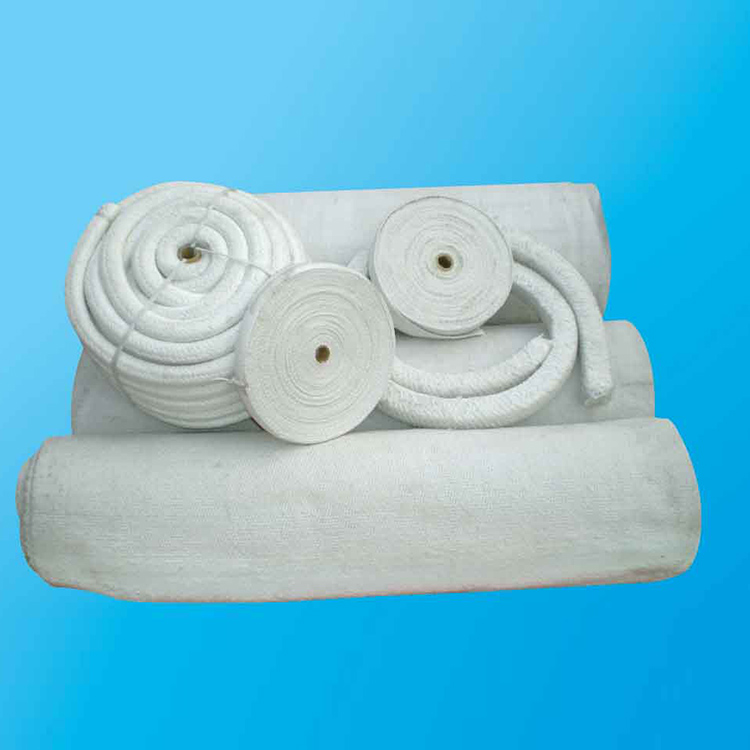
In a glass manufacturing plant, they initially used high - purity corundum kiln furniture for a process with a temperature range of 1100 - 1200°C. Although corundum has a high temperature resistance limit, its high coefficient of thermal expansion led to frequent cracking during the rapid heating and cooling cycles. This not only damaged the kiln furniture but also affected the quality of the glass products. After switching to cordierite kiln furniture, which has a lower coefficient of thermal expansion and excellent thermal shock resistance, the production process became more stable, and the service life of the kiln furniture was significantly extended.
To ensure the quality and performance of kiln furniture materials, it is essential to understand the industry standards and testing methods. For example, according to ASTM C20 - 19 Standard Test Method for Apparent Porosity, Water Absorption, Bulk Density, and Specific Gravity of Burned Refractory Brick and Shapes, the porosity and density of refractory materials can be accurately measured. Another important standard is ASTM C16 - 19 Standard Test Method for Linear Thermal Expansion of Refractory Materials, which is used to measure the coefficient of thermal expansion. By following these standards and conducting proper tests, users can better understand the performance of different materials.
In conclusion, scientific material selection for industrial kiln furniture is crucial. By avoiding common misconceptions, understanding the performance differences of different materials, and following industry standards, users can optimize their production processes, improve production efficiency, and reduce costs. We encourage you to share your experiences and ask questions in the comments section below. Let's learn from each other and make better decisions in kiln furniture selection.
Explore more about high - quality kiln furniture solutions here.