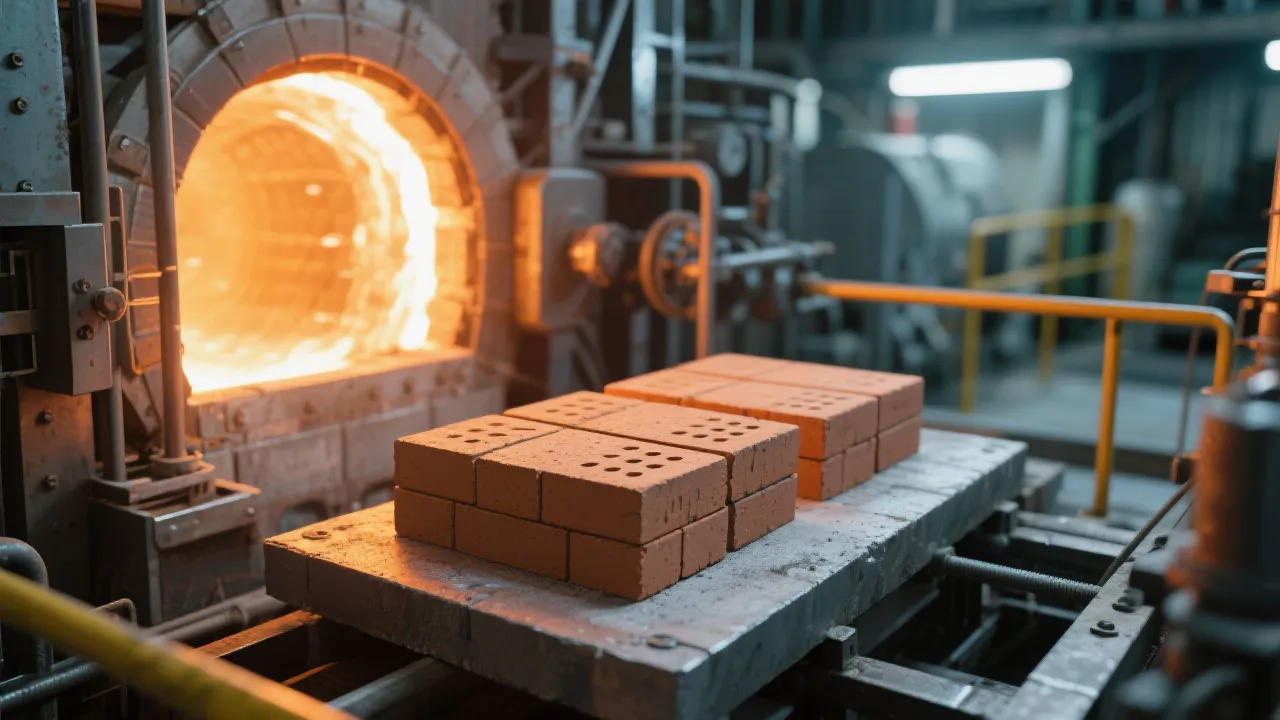
In the high - temperature industrial environment, the performance of kiln furniture in industrial kilns is crucial for the production efficiency and product quality of various industries such as ceramics, metallurgy, and glass. This article aims to provide a comprehensive guide to help technicians and managers in these industries make informed decisions on kiln furniture material selection.
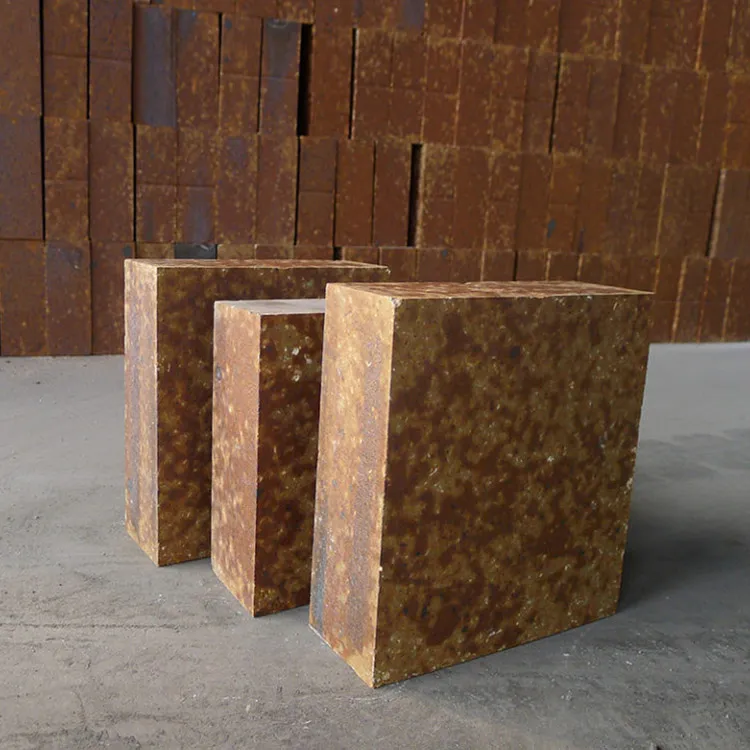
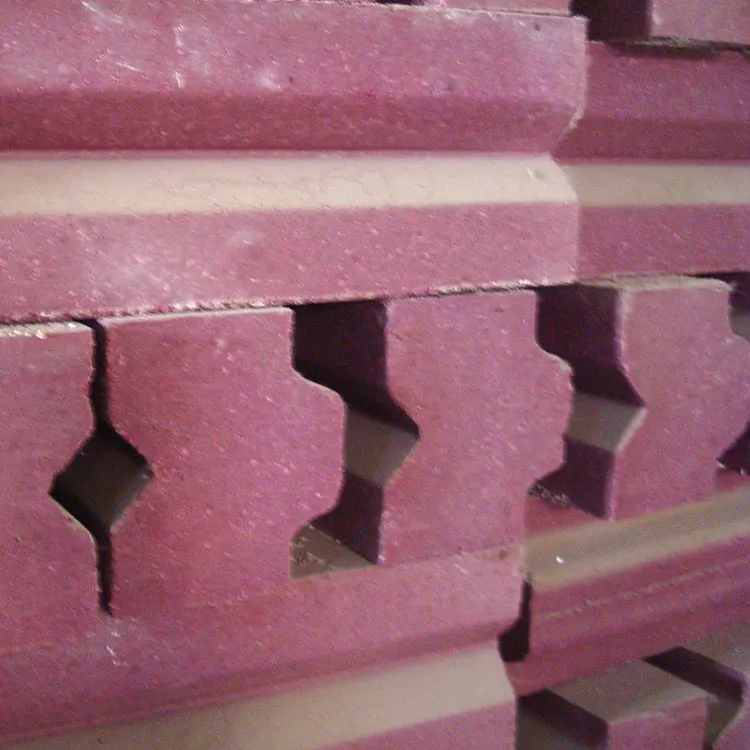
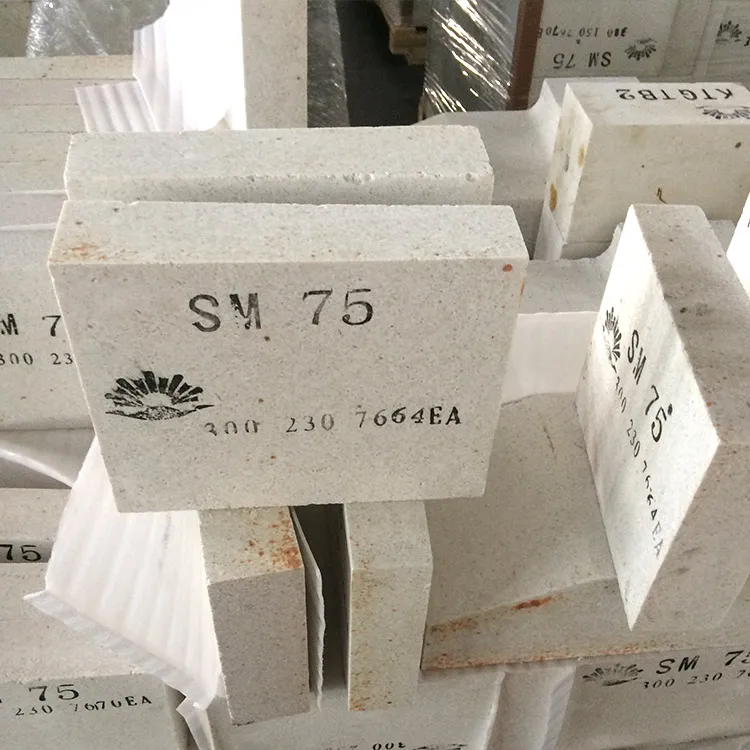
Commonly used refractory materials for kiln furniture include cordierite, mullite, and corundum. Their physical and chemical properties vary significantly under high - temperature conditions. For example, at a temperature range of 1000ºC to 1300ºC, the high - temperature resistance, thermal expansion coefficient, creep rate, and thermal shock resistance of these materials are different.
| Material | High - Temperature Resistance (ºC) | Thermal Expansion Coefficient (10⁻⁶/ºC) | Creep Rate (%) | Thermal Shock Resistance |
|---|---|---|---|---|
| Cordierite | 1200 - 1300 | 2 - 3 | 0.5 - 1 | Good |
| Mullite | 1500 - 1700 | 4 - 5 | 0.3 - 0.8 | Moderate |
| Corundum | 1800 - 2000 | 8 - 10 | 0.1 - 0.5 | Poor |
From the table, we can see that corundum has the highest high - temperature resistance but relatively poor thermal shock resistance. Cordierite has good thermal shock resistance but a lower high - temperature resistance compared to corundum. Mullite lies in between in terms of these properties.

In actual industrial processes, kiln furniture often experiences high - frequency heating and cooling cycles. For example, in the ceramic industry, kilns may be heated and cooled several times a day. Under such conditions, the performance and failure mechanisms of different materials need to be carefully considered.
A ceramic factory once used cordierite kiln furniture in a kiln operating at around 1200ºC. Initially, the cordierite kiln furniture showed good performance due to its low thermal expansion coefficient and good thermal shock resistance. However, after several months of use, some of the kiln furniture started to show signs of creep, which affected the quality of the ceramic products. After analysis, it was found that although cordierite has good thermal shock resistance, its creep rate at this temperature was relatively high, leading to deformation over time.
On the other hand, a metallurgical plant used corundum kiln furniture in a high - temperature kiln above 1500ºC. Due to the high high - temperature resistance of corundum, the kiln furniture could withstand the extreme temperature. But during the rapid cooling process, some of the corundum kiln furniture cracked due to its poor thermal shock resistance. This shows that different materials have their own advantages and disadvantages under actual industrial conditions.
To select the most suitable kiln furniture material, it is necessary to understand the material performance testing standards and methods. According to the American Society for Testing and Materials (ASTM), there are specific standards for testing the high - temperature resistance, thermal expansion coefficient, creep rate, and thermal shock resistance of refractory materials.
For example, the ASTM C20 test method is used to determine the apparent porosity, water absorption, bulk density, and true porosity of refractory materials. The ASTM C761 test method is used to measure the thermal expansion of refractory materials. By following these standards, technicians can accurately evaluate the performance of different materials and make more scientific material selection decisions.
Based on the above analysis, here are some optimization paths and selection suggestions for kiln furniture materials:
In conclusion, selecting the right kiln furniture material is a complex process that requires a comprehensive consideration of material properties, actual industrial conditions, and product requirements. To help you make more informed decisions, we offer a free kiln furniture material selection tool - kit and a detailed material performance parameter table. Click here to download and take the first step towards optimizing your kiln furniture material selection!



.jpg?x-oss-process=image/resize,h_1000,m_lfit/format,webp)