Industrial Kiln Refractory Installation Techniques and Thermal Expansion Management Guide

09 12,2025
Sunrise
Tutorial Guide
Mastering the installation techniques and thermal expansion management of industrial kiln refractories is essential for enhancing production stability and prolonging equipment life. This article provides a detailed guide on scientifically arranging cordierite refractories under operating temperatures of 1000ºC–1300ºC, strategies to handle rapid temperature changes, and crack detection and repair methods. Real-world cases are shared to help you avoid common failures and achieve efficient, safe kiln operation. Whether you are a kiln operator or equipment manager, you will gain practical, actionable insights.
graphite-roller-4.jpg

Mastering Installation Techniques for Industrial Kiln Furniture & Thermal Expansion Management

When working with industrial kilns operating at extreme temperatures between 1000ºC and 1300ºC, proper installation and management of kiln furniture become indispensable to ensuring stable production and maximizing equipment longevity. This guide takes you through scientific layout methods for kyanite kiln furniture, strategies to control rapid temperature changes, and crack-monitoring techniques designed to help you avoid costly failures and downtime.

Why Kiln Furniture Matters and Common Failure Modes

Kiln furniture, especially made from refractory materials such as kyanite, provides critical support to components or products during heat-treatment processes. Its role extends beyond mechanical support to thermal insulation and dimensional stability.

However, common failure modes include thermal cracking, warping, and mechanical wear induced primarily by:

  • Inadequate accommodation of thermal expansion
  • Sudden temperature spikes leading to thermal shock
  • Uneven heat distribution causing localized stress

Thermal Expansion Compensation and Installation Layout

Understanding and compensating for thermal expansion is crucial. Kyanite kiln furniture typically undergoes linear expansion of approximately 0.3% to 0.5% over the 1000ºC–1300ºC range. A failure to accommodate this expansion can cause excessive stress and crack formation.

Key principles of thermal expansion management include:

  1. Allow sufficient clearance (3-5 mm) between adjoining pieces: this prevents jamming as components expand.
  2. Implement staggered joint layouts: minimizing long continuous joints reduces crack propagation risk.
  3. Use flexible supports where possible: such as ceramic spacers or spring-loaded mounts to accommodate movement.
  4. Align kiln furniture with expected directional expansion: ensuring components slide or expand freely along preferred axes.

"Since switching to the Sunrise kyanite furniture with precise expansion gaps, we've seen a 35% reduction in thermal crack incidents in our kilns operating above 1100ºC." – Technical Supervisor, Ceramic Manufacturer

Controlling Rapid Temperature Changes

Rapid temperature changes (thermal shocks) are one of the top killers of kiln furniture integrity. Such changes cause severe differential expansion leading to localized stress concentrations and cracks.

To mitigate these effects, deploy the following control measures:

  • Implement controlled temperature ramp rates: typical heating or cooling should not exceed 5–10ºC per minute in sensitive zones.
  • Preheat or temper kiln furniture before high-temperature cycles: helps stabilize internal stresses.
  • Install thermal insulation barriers: to smooth temperature gradients across the furniture.

Daily Inspection Protocol & Crack Detection

Regular inspections are vital for early crack detection and timely intervention. Here's a recommended inspection flow:

  1. Visual inspection: Use good lighting to identify surface fissures or discolorations.
  2. Tactile examination: Run fingers over kiln furniture to feel rough edges or gaps.
  3. Simple tools: Employ magnifying glasses or ultrasonic thickness gauges for detailed assessment.
  4. Documentation: Record crack size, location, and progression for tracking.
  5. Immediate action: Replace seriously damaged sections and adjust installation if necessary.
Inspection Step Purpose Tools Required
Visual Check Identify surface cracks and discolorations Good lighting, magnifying glass
Tactile Inspection Detect roughness or material gaps Hands, gloves
Ultrasonic Testing Measure internal flaw depth Ultrasonic thickness gauge
Record Keeping Track crack development over time Inspection logbook or software

Learning from Real Case Studies

One industrial furnace operator reported recurring kyanite brick cracking during rapid cool-down phases affecting product consistency and increasing unplanned downtime. Upon assessing their installation layout, it became evident the clearance gaps were too narrow and rapid temperature drops reached 15ºC per minute — exceeding recommended limits.

By recalibrating the installation gaps to 5 mm, staggering joints, and implementing controlled ramp-down procedures, they reduced cracking by 50% within three months, significantly improving throughput and lowering repair costs.
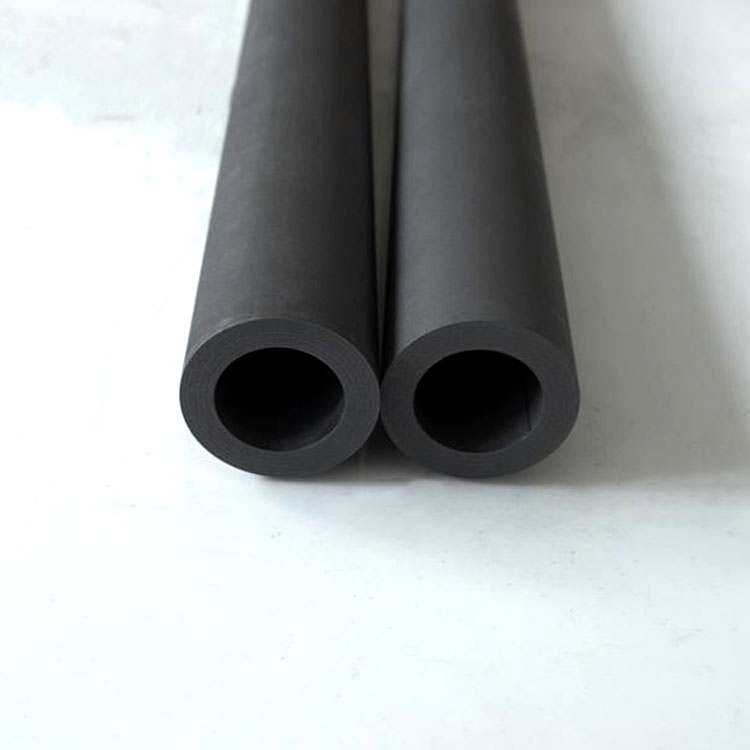
Thermal expansion curves for kyanite kiln furniture showing dimensional change versus temperature

Why Choose Sunrise Kyanite Kiln Furniture by Zhengzhou Tianyang

Selecting high-grade kiln furniture like Sunrise brand kyanite ensures you benefit from materials engineered explicitly for high-temperature stability and durability. With precise thermal expansion characteristics and superior crack resistance, Sunrise products enable safer, longer-lasting kiln operations.

Their expert technical support team also assists with tailored installation recommendations and rapid response to on-site queries — a crucial edge in managing complex thermal systems.
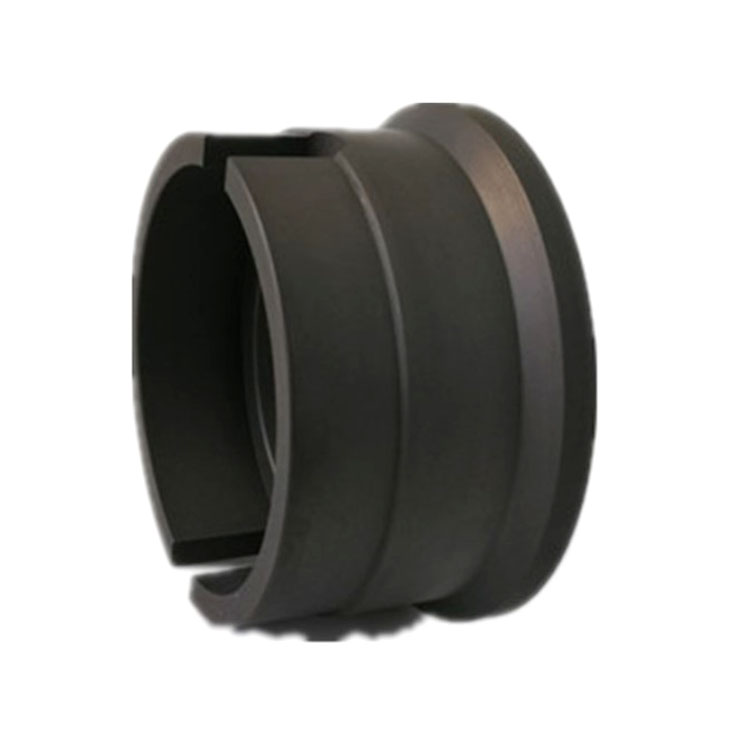
Industrial ceramic kiln with properly installed Sunrise kyanite kiln furniture showcasing optimized layout

“Switching to Sunrise’s kyanite furniture paired with their technical advice on thermal expansion gaps has helped reduce unscheduled kiln stoppages by 40%, saving us thousands annually.” – Operations Manager, Refractory Plant

Implementing Scientific Maintenance to Maximize Cost Efficiency

Systematic and scientific maintenance methodologies, including regular inspections, respecting thermal expansion principles, and controlled thermal ramping, yield:
  • Up to 30% extension of kiln furniture service life
  • Significant reduction in unplanned downtime
  • Optimized fuel consumption and process efficiency
  • Lower overall production costs through fewer repairs
Step-by-step process flowchart for kiln furniture crack detection, inspection, and maintenance
Name *
Email *
Message*

Recommended Products

<#if (articleDetails.articleDetailsRelatedArticles.articleList?has_content)?? && (articleDetails.articleDetailsRelatedArticles.articleList?size>0)> <#if (articleDetails.articleDetailsRelatedArticles.isShow)?? && articleDetails.articleDetailsRelatedArticles.isShow> <#if (articleDetails.articleDetailsRelatedArticles.title)?? && articleDetails.articleDetailsRelatedArticles.title!="">

${articleDetails.articleDetailsRelatedArticles.title}

<#list articleDetails.articleDetailsRelatedArticles.articleList as list>
<#if (list.imgUrl?has_content)?? && (list.imgUrl?has_content)> ${list.imgAlt} <#else> img

${list.title}

${(list.updateTime)?number_to_datetime?string('dd MM ,yyyy')}
Contact us
Contact us
https://shmuker.oss-accelerate.aliyuncs.com/tmp/temporary/60ec5bd7f8d5a86c84ef79f2/60ec5bdcf8d5a86c84ef7a9a/thumb-prev.png