

This guide is designed to assist technicians and managers in mastering the installation essentials of high-temperature kiln furniture. By focusing on reasonable layout and thermal expansion compensation design, it aims to minimize mechanical stress and enhance the stability of industrial kiln equipment.
When installing high-temperature kiln furniture, proper layout is crucial. A well - designed layout can evenly distribute the load and reduce local stress concentration. For example, in a large - scale industrial kiln, arranging the kiln furniture in a grid pattern can improve the overall stability. According to industry statistics, a well - laid - out kiln furniture installation can reduce mechanical stress by up to 30%.
Thermal expansion compensation design is another important aspect. Using materials with appropriate coefficients of thermal expansion and leaving sufficient expansion gaps can effectively absorb the stress generated during temperature changes. For instance, leaving a 2 - 3mm expansion gap for every 1000mm of kiln furniture length can prevent damage caused by thermal expansion.

The rate of temperature rise and fall has a significant impact on the service life of kiln furniture. A sudden temperature change can cause large thermal stress, leading to cracks and even breakage. In industrial practice, controlling the temperature rise rate within 5 - 10°C per minute and the temperature fall rate within 3 - 5°C per minute can effectively extend the service life of kiln furniture. A real - world case shows that a factory reduced the replacement frequency of kiln furniture by 40% after implementing strict temperature change control.
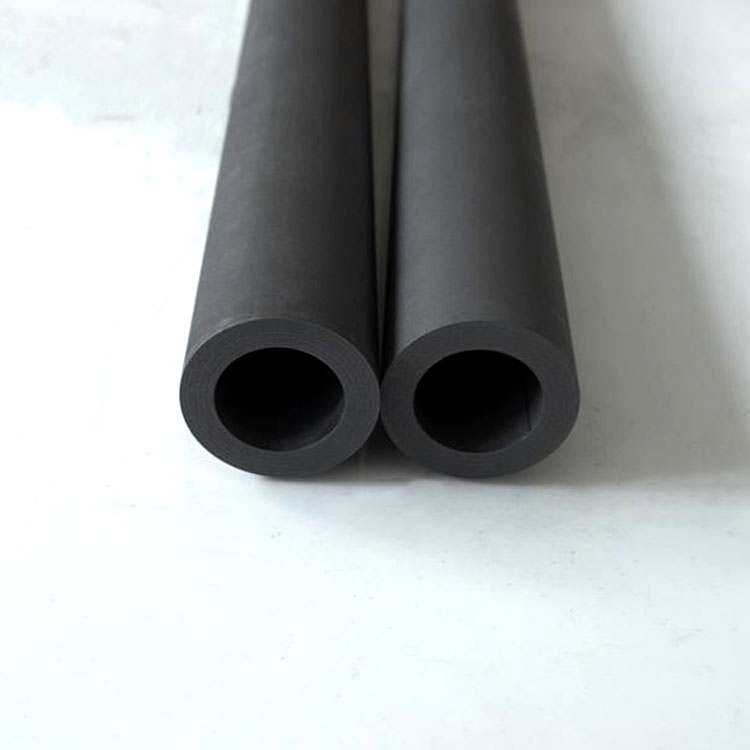
Regular daily inspections are essential for maintaining the safety and stability of kiln furniture. Visual inspection can detect obvious cracks and surface damage. In addition, using non - destructive testing instruments such as ultrasonic flaw detectors can help identify potential internal cracks. It is recommended to conduct a visual inspection at least once a week and a non - destructive test every three months.
| Inspection Method | Frequency | Purpose |
|---|---|---|
| Visual Inspection | Once a week | Detect obvious cracks and surface damage |
| Non - destructive Testing | Every three months | Identify potential internal cracks |
When cracks are detected, timely repair is necessary. The choice of repair materials is crucial. High - temperature resistant and high - strength materials should be selected. Optimizing the heat treatment process during repair can also improve the repair effect. Moreover, preventive measures such as regular cleaning and proper storage can reduce the occurrence of cracks.
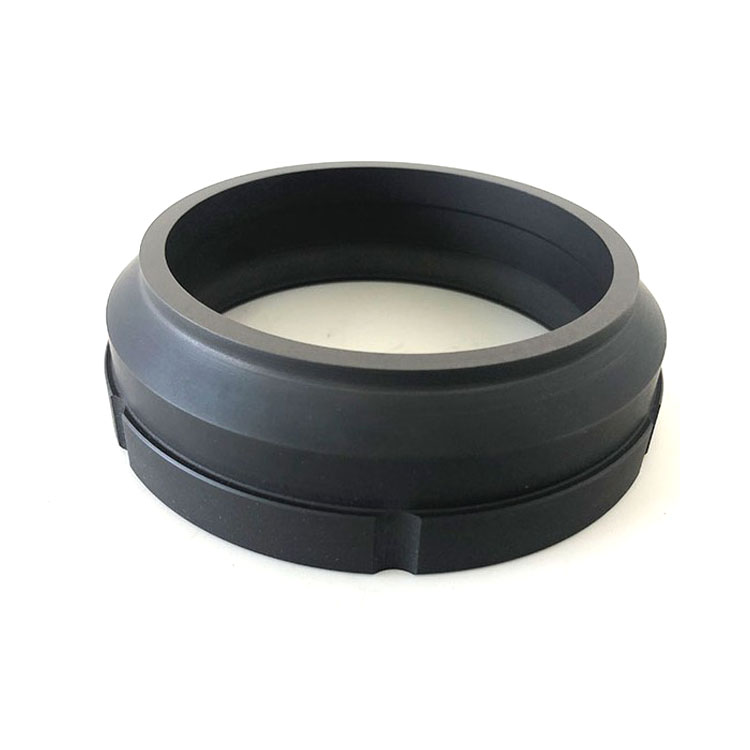
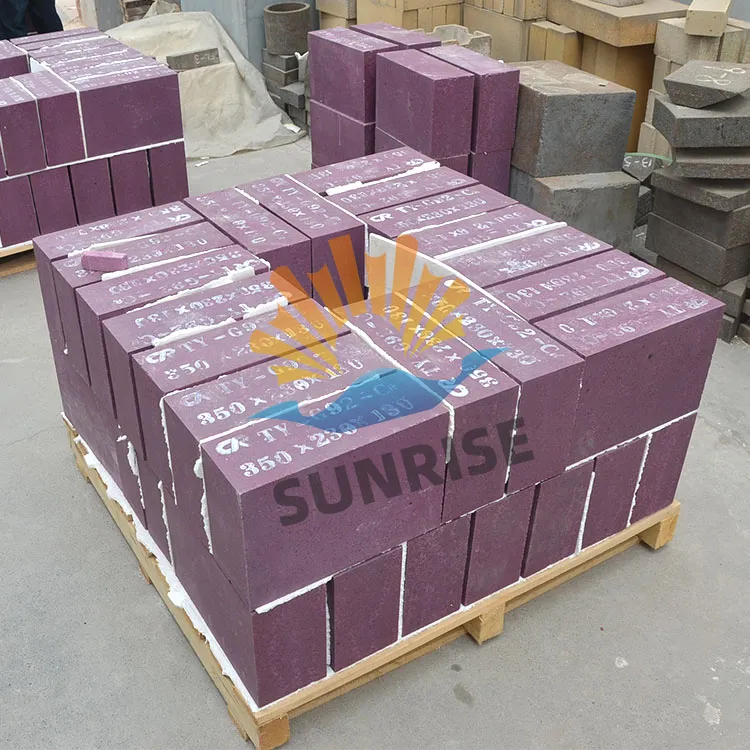
In conclusion, proper installation, temperature control, inspection, and maintenance of high - temperature kiln furniture are essential for the stable operation of industrial kilns. If you are looking for high - quality and cost - effective refractory kiln furniture, consider Zhengzhou Tianyang's "Sunrise" brand. Their products are known for their excellent performance and long service life. Click here to learn more about "Sunrise" refractory kiln furniture.


 <#else>


