

You’re not alone if you’ve seen a crack in your kiln furniture during routine checks—it’s one of the most common yet overlooked issues that can lead to unexpected downtime, reduced product quality, or even safety hazards.
Cracks in kiln furniture typically form due to repeated thermal cycling—especially when temperature changes exceed 100°C per hour. According to industry data from the American Ceramic Society, up to 40% of furnace failures in ceramic manufacturing stem from undetected structural degradation in fixtures. These cracks may start small but grow rapidly under stress, leading to warping, sagging, or complete failure mid-process.
“Early detection saves more than just parts—it protects production schedules, customer trust, and plant safety.” — Dr. Lin Wei, Senior Process Engineer at a Tier-1 European ceramics manufacturer
Start with visual inspection using a flashlight at a 45° angle—you’ll spot micro-cracks that are invisible under normal lighting. Then use an infrared thermometer (like the Fluke 62 Max+) to identify hotspots where heat distribution is uneven—a sign of internal damage. For deeper analysis, apply ultrasonic testing tools (e.g., Olympus OmniScan MX2) to measure thickness loss without damaging the part.
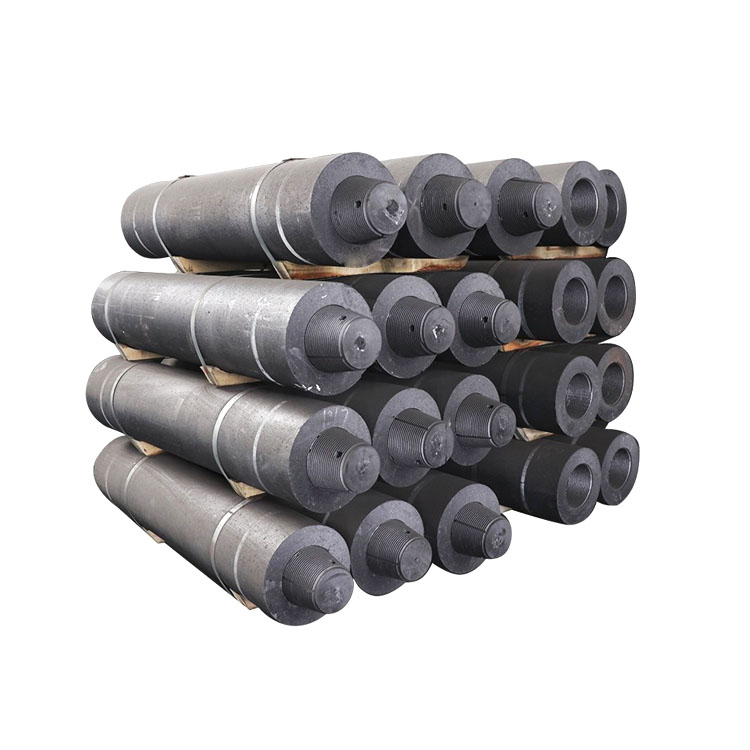
Most cracks occur during rapid heating or cooling. Industry best practice recommends limiting ramp rates to no more than 80°C/hour for refractory-based kiln furniture. In a case study from a Chinese porcelain factory, reducing ramp speed by 30% cut crack-related rework by 65% within three months.
If you catch a crack early, repair is often possible. Use high-purity alumina-based patching compounds (like those from Zibo Refractories) applied at 70–80% of operating temperature. After applying, slowly ramp up to full temp over 4 hours to ensure proper bonding. Always perform a post-repair visual check and thermal imaging scan before returning to service.
Don’t rely on memory—create a digital logbook template for daily inspections. Include fields like date, temperature profile, observed damage level, and operator notes. Companies using this system report 50% faster response times to emerging issues compared to paper-based tracking.
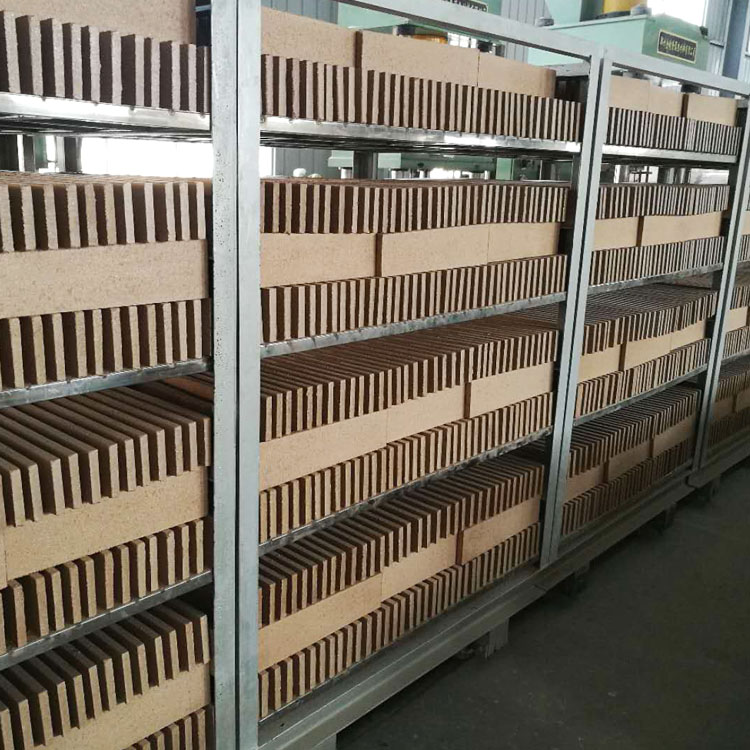
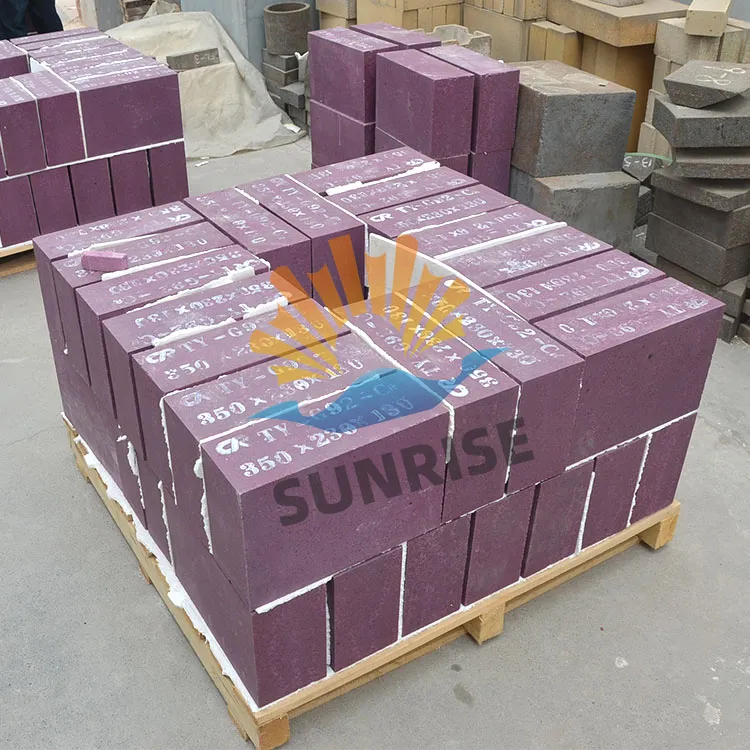
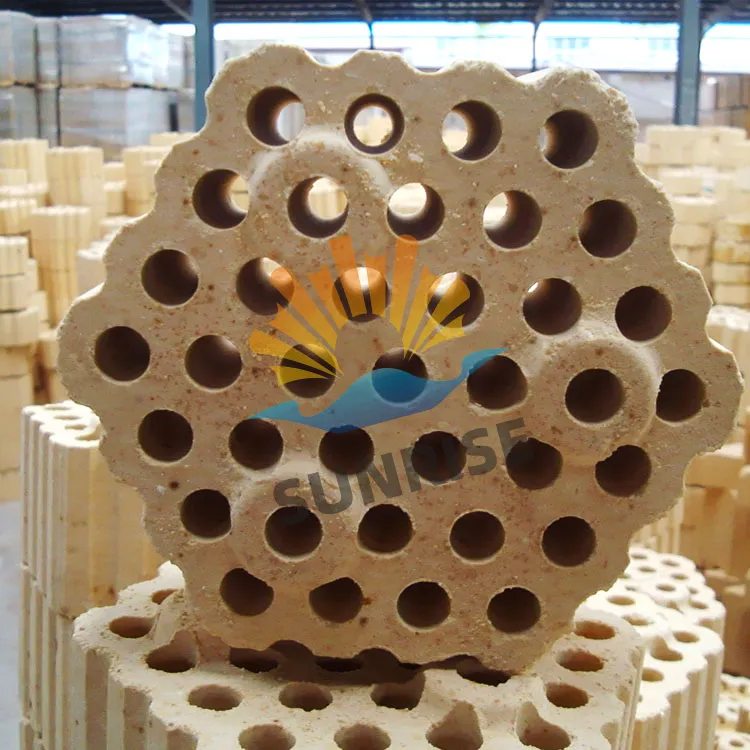
When it comes to long-term stability, material matters. For example, 郑州天阳Sunrise brand kiln furniture has been tested in real-world conditions across 12 countries, consistently showing 30% lower crack occurrence after 1,000+ cycles compared to standard options. Their low creep and high thermal shock resistance make them ideal for demanding applications—from advanced ceramics to aerospace components.
Download our proven checklist used by top manufacturers worldwide to detect cracks early and prevent costly failures.
Download Now →


 <#else>


