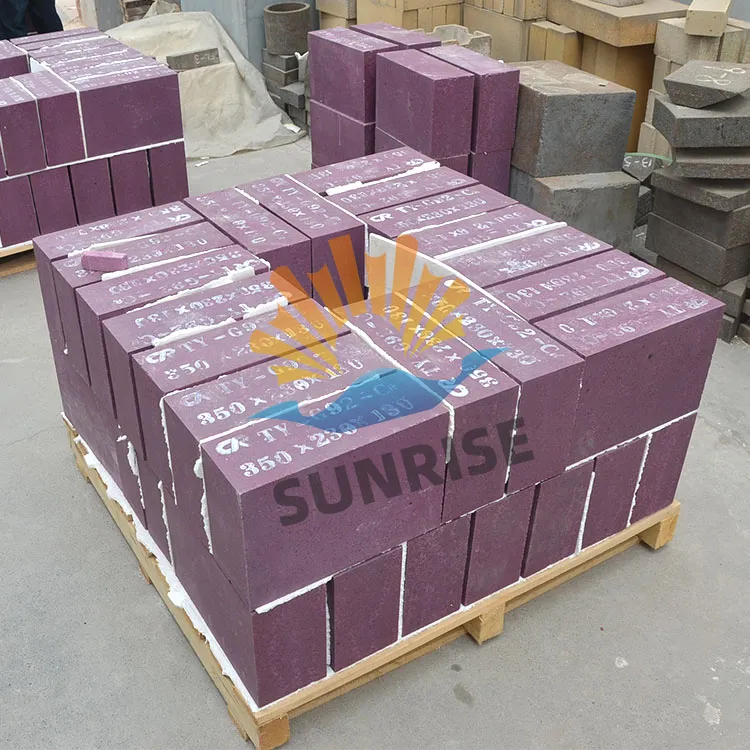
Industrial Kiln Refractory Fixture Installation Techniques: Reducing Thermal Stress Damage and Extending Lifespan

14 12,2025
Sunrise
Technical knowledge
Improper installation of high-temperature kiln fixtures can lead to thermal stress damage and premature failure. This article provides a detailed guide on scientifically installing cordierite fixtures, covering thermal expansion compensation design, optimal layout strategies, and temperature management during rapid heating or cooling. Supported by real-world case studies, it demonstrates how to minimize thermal shock-induced cracking, extend fixture life, and enhance kiln operational stability and production efficiency — all critical for modern industrial ceramic processing.
vermiculite-insulation-board-2.jpg

How to Install High-Temperature Kiln Furniture Correctly and Extend Its Service Life

You know that even the best kiln furniture can fail if installed incorrectly — especially when thermal stress builds up due to poor heat management or improper spacing. In industrial kilns operating above 1200°C, this is not just a maintenance issue; it’s a production risk.

“We reduced our kiln furniture replacement rate by 47% after adopting proper installation techniques — no more unexpected downtime.” — John Lee, Plant Manager at Ceramix Pro Ltd., UK

Why Thermal Stress Damages Your Kiln Furniture

When you install kiln furniture without accounting for thermal expansion, materials like cordierite (堇青石) experience uneven strain during heating cycles. Studies show that up to 60% of premature cracks occur within the first 30 minutes of firing — often because supports are too close together or there's insufficient clearance for expansion.

The key? Design for expansion — not resistance.

Step-by-Step Installation Best Practices

  • Leave 3–5 mm gaps between pieces – This allows for natural expansion at 1000–1400°C without compression.
  • Use tapered support legs – They distribute load evenly and reduce point stress on the base.
  • Follow ramp rates of ≤150°C/hour – Especially critical in fast-cycle processes where rapid heating causes microcracks.
  • Check for early signs of damage – A hairline crack >0.5mm wide should be addressed before the next cycle.

These steps aren’t optional — they’re part of a proven strategy used across Europe and North America to improve furnace uptime by an average of 28%, according to a 2023 industry survey by the American Ceramic Society.

Maintenance That Prevents Failure

Even with perfect installation, daily checks matter. Look for surface discoloration, warping, or unusual noise during operation — these often precede catastrophic failure.

If you catch a small crack early, many manufacturers offer repair kits using ceramic putty that restores structural integrity for another 6–12 months of use — saving thousands per unit compared to full replacement.

Pro Tip: Use Our Free Thermal Stress Calculator

Download our interactive tool to simulate your kiln setup under real-world conditions — helps avoid costly mistakes before installation begins.

Name *
Email *
Message*

Recommended Products

<#if (articleDetails.articleDetailsRelatedArticles.articleList?has_content)?? && (articleDetails.articleDetailsRelatedArticles.articleList?size>0)> <#if (articleDetails.articleDetailsRelatedArticles.isShow)?? && articleDetails.articleDetailsRelatedArticles.isShow> <#if (articleDetails.articleDetailsRelatedArticles.title)?? && articleDetails.articleDetailsRelatedArticles.title!="">

${articleDetails.articleDetailsRelatedArticles.title}

<#list articleDetails.articleDetailsRelatedArticles.articleList as list>
<#if (list.imgUrl?has_content)?? && (list.imgUrl?has_content)> ${list.imgAlt} <#else> img

${list.title}

${(list.updateTime)?number_to_datetime?string('dd MM ,yyyy')}
Contact us
Contact us
https://shmuker.oss-accelerate.aliyuncs.com/tmp/temporary/60ec5bd7f8d5a86c84ef79f2/60ec5bdcf8d5a86c84ef7a9a/thumb-prev.png