

In industrial kilns, kiln furniture plays a crucial role. It serves as a support structure for products during the high - temperature heat treatment process, directly influencing production stability and product quality. However, kiln furniture is prone to various forms of damage, with cracks being one of the most common and problematic issues.
There are multiple reasons for the occurrence of cracks in kiln furniture. Thermal stress is a primary factor. During the heating and cooling cycles in high - temperature heat treatment, different parts of the kiln furniture expand and contract at different rates, creating internal stress. Frequent temperature changes also contribute significantly. For example, rapid heating or cooling can cause uneven thermal distribution, leading to cracks. Additionally, material defects in the kiln furniture itself, such as inhomogeneous composition or internal voids, can act as starting points for crack propagation.
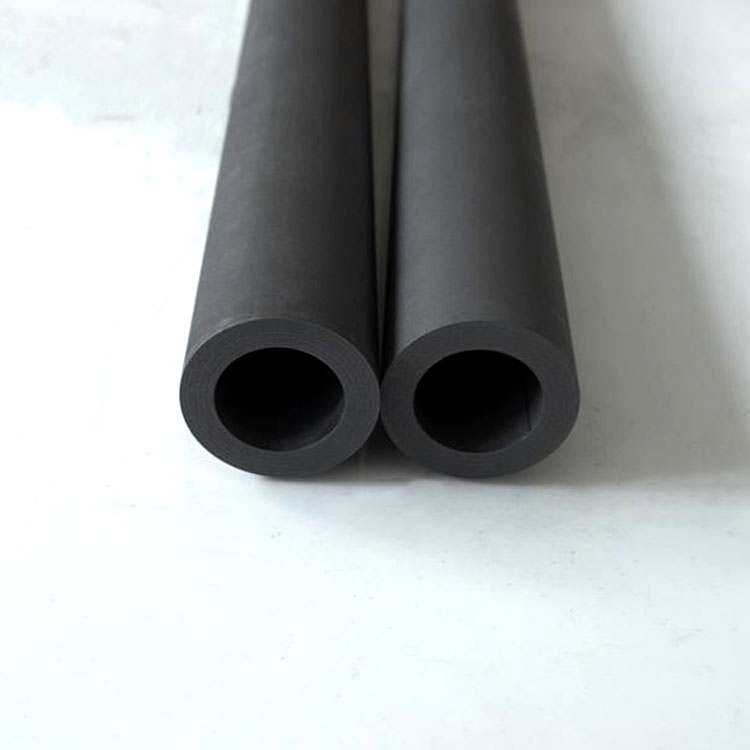
Early identification of cracks is essential for preventing further damage. Visual inspection is the simplest and most direct method. Technicians can use their naked eyes to look for obvious cracks on the surface of the kiln furniture. In addition, simple tools can be employed. For instance, a magnifying glass can help detect smaller cracks that are not easily visible to the naked eye. A small hammer can be used to gently tap the kiln furniture, and abnormal sounds can indicate the presence of internal cracks.
Once cracks are detected, appropriate repair techniques are required. The choice of repair materials is crucial. Materials with similar thermal expansion coefficients to the kiln furniture should be selected to avoid additional stress during subsequent use. For example, for cordierite kiln furniture, cordierite - based repair materials are often a good choice. The repair process typically involves cleaning the crack area first to remove any debris or loose particles. Then, the repair material is carefully applied to the crack, and proper compaction is carried out. After the repair, a subsequent heat treatment is usually recommended to ensure the bonding strength of the repair material and the kiln furniture. This heat treatment should be carried out according to specific temperature and time requirements to achieve the best results.
Different firing temperature ranges also have different operation precautions. In the range of 1000°C - 1300°C, special attention should be paid to temperature control. For example, when heating up, a slow and steady heating rate should be maintained to reduce thermal stress. During the cooling process, a controlled cooling rate is also necessary. If the temperature drops too quickly, new cracks may form.
Establishing a scientific maintenance system for kiln furniture is of great value. It can effectively control costs. By reducing the frequency of kiln furniture replacement, the overall production cost can be significantly reduced. Moreover, it ensures production continuity. A well - maintained kiln furniture can operate stably, avoiding production interruptions caused by kiln furniture damage. For example, by regularly inspecting and maintaining kiln furniture, potential problems can be detected and solved in advance, ensuring the smooth operation of the kiln.
When it comes to kiln furniture, Zhengzhou Tianyang Sunrise's products have certain advantages. For example, their cordierite kiln furniture is made of high - stability cordierite materials. As one customer feedback stated, 'Using Sunrise's cordierite kiln furniture, we have significantly reduced the downtime losses caused by cracking.' This shows that choosing high - quality kiln furniture like Sunrise's can effectively improve production efficiency and reduce costs.
In conclusion, understanding the causes of kiln furniture cracks, mastering crack detection and repair methods, and establishing a scientific maintenance system are all crucial for the efficient and safe operation of industrial kilns. By following the methods and strategies mentioned in this article, technicians can better manage kiln furniture, extend its service life, and improve the overall performance of the kiln. If you want to learn more about high - quality kiln furniture and professional maintenance solutions, click here.



 <#else>


