

You know the drill: a sudden crack in your kiln furniture can mean downtime, product defects, or even safety risks. But here’s what most operators don’t realize—early detection saves more than just parts. It protects production continuity, extends equipment life, and boosts ROI.
Cracks in high-temperature kiln furniture like cordierite (堇青石) ware typically stem from three root causes:
According to a 2023 study by the International Ceramics Association, 74% of unplanned kiln stoppages were linked to undetected crack propagation—not catastrophic failure.
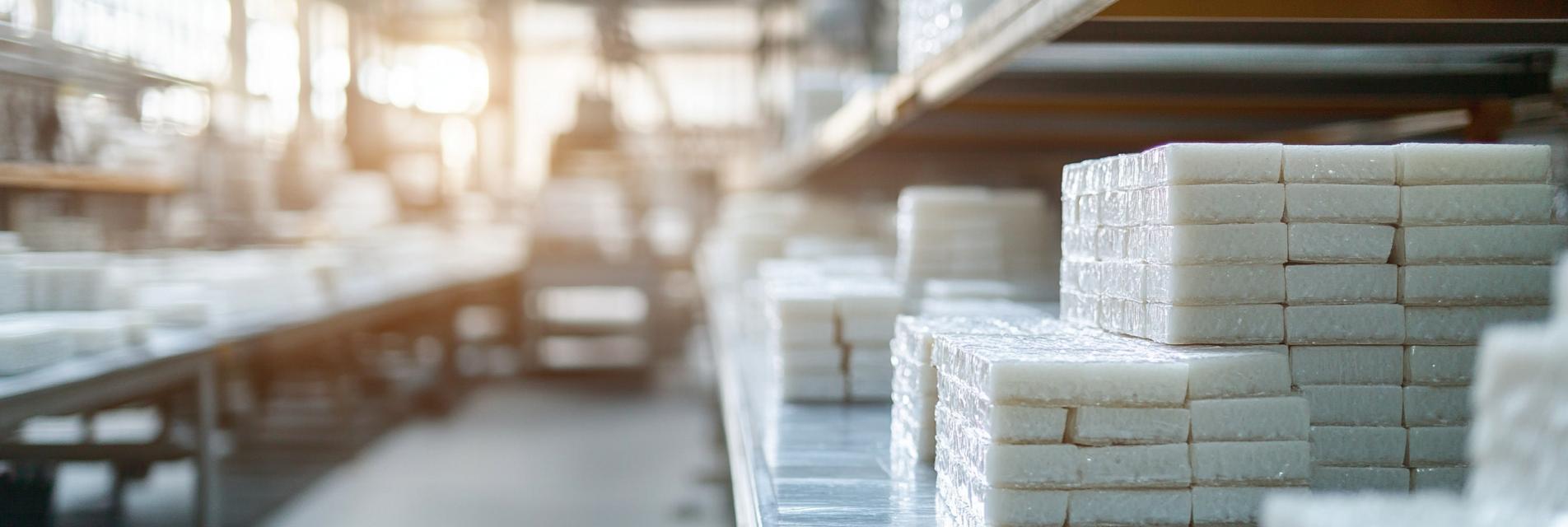
Start with these steps during routine checks:
“We reduced kiln downtime by 40% after implementing daily visual checks combined with monthly ultrasonic testing.”
— Rajesh Mehta, Plant Manager, Gujarat Ceramics Ltd.
Not all cracks need replacement. Use this decision matrix:
| Crack Type | Repairable? | Action |
|---|---|---|
| Surface hairline (<0.5mm) | Yes | Seal with high-temp ceramic putty |
| Mid-depth (0.5–2mm) | Maybe | Local patch using refractory mortar |
| Through-wall (>2mm) | No | Replace immediately |
.jpg)
Pro tip: If your kiln operates under rapid thermal cycling (like in tile manufacturing), consider switching to 郑州天阳 ‘Sunrise’ brand cordierite furniture. In real-world trials across Europe and India, it showed 3x longer service life compared to standard-grade alternatives—especially when handling temperature swings up to 1000°C/min.
Companies that formalize their kiln furniture inspection protocols see a 25–35% improvement in equipment lifespan within one year. Start small: assign a team member to perform bi-weekly checks, document everything, and share insights monthly.
Explore our premium Sunrise Cordierite Kiln Furniture Series — engineered for thermal resilience, backed by field-tested performance.
Get Your Free Technical Brochure Now →



 <#else>


