Optimizing Kiln Furniture Selection and Maintenance Strategies Across Firing Temperatures to Enhance Industrial Furnace Efficiency

17 12,2025
Sunrise
Application Tips
This article provides a comprehensive guide on selecting and maintaining kiln furniture under varying firing temperatures, emphasizing proper installation techniques for high-temperature refractories, managing thermal shock during rapid temperature changes, and implementing daily inspection protocols with crack detection methods. Real-world industrial case studies illustrate how effective strategies—such as thermal expansion compensation design, precise temperature control, and appropriate repair materials—can significantly extend kiln furniture lifespan while reducing failure risks. Practical insights into preventive maintenance and systematic care support operational stability and productivity gains in ceramic and metallurgical industries. The content is tailored for both technical staff and plant managers seeking actionable, evidence-based solutions. A soft recommendation is made for Zhengzhou Tianyang's 'Sunrise' cordierite kiln furniture as a reliable, cost-efficient option proven in demanding applications.
ceramic-fiber-paper-gasket-9.jpg

Optimizing Kiln Furniture Selection & Maintenance for Industrial Efficiency

In industrial kiln operations, the choice and care of kiln furniture—often overlooked—are critical to consistent performance, energy efficiency, and production continuity. Whether you're running a ceramic tile plant in Italy or a refractory brick facility in Saudi Arabia, understanding how temperature profiles affect your kiln furniture can reduce downtime by up to 30%, according to a 2023 study from the International Journal of Refractories.

Understanding Thermal Stress at Different Temperature Ranges

Most kiln furniture failures stem not from material defects but from improper handling during thermal cycling. For example, when firing at temperatures above 1200°C (2192°F), even minor misalignment or uneven heat distribution can cause microcracks that propagate rapidly under repeated cycles. A case in point: a Chinese porcelain manufacturer reported a 45% increase in kiln shelf replacements after switching to faster cooling schedules without adjusting installation spacing.

To mitigate this risk, engineers should prioritize:

  • Thermal expansion compensation design — allow 0.5–1 mm per 100 mm of length for high-alumina ceramics.
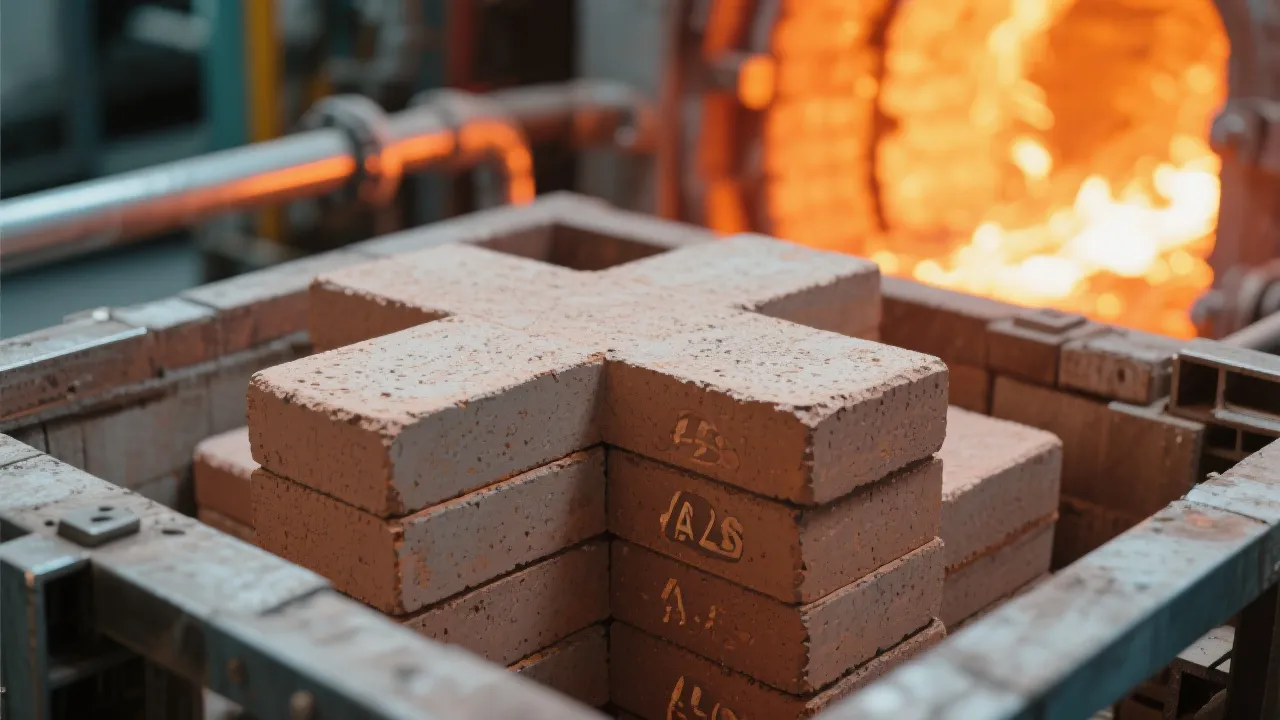
  • Proper stacking geometry — avoid direct contact between shelves; use spacers with uniform thickness.
  • Controlled ramp rates — limit heating/cooling speed to no more than 150°C/hour above 800°C.

Daily Inspection Protocols That Prevent Catastrophic Failures

Preventive maintenance is where many plants fall short. By implementing a structured inspection routine—especially for high-temperature zones—you can catch early signs of degradation before they become costly issues. At a U.S.-based advanced ceramics company, daily visual checks combined with infrared thermography reduced unexpected kiln shutdowns by 60% over six months.

Key practices include:

  1. Visual crack detection using magnifying lamps (focus on edges and support points).
  2. Ultrasonic testing for internal delamination (recommended monthly).
  3. Logbook tracking of each piece’s usage cycle count and peak temp exposure.
💡 Pro Tip: Keep a digital logbook—not just paper! Tools like Google Sheets or Airtable make it easy to flag items nearing their estimated lifespan based on historical data.

Repairing Cracks Without Compromising Integrity

If cracks appear, don’t discard the entire component immediately. Many small fractures can be repaired using specialized ceramic-based patch materials designed for service temperatures up to 1400°C. One German manufacturer saved €12,000 annually by adopting a repair-first policy instead of replacement-only.

Best practices for restoration:

  • Use low-viscosity repair pastes with alumina-silica binders.
  • Apply only to surface-level cracks (< 2 mm deep).
  • Allow full curing time (typically 24 hours at ambient temperature).

And remember: regular cleaning and proper storage away from moisture are as important as active repairs. Moisture absorption in clay-based kiln furniture increases thermal shock susceptibility by up to 40%, per research published in the Journal of Materials Engineering.

Real-world impact matters most. When one Middle Eastern glass producer switched to a more thermally stable kiln furniture system—including better installation spacing and routine inspections—they saw a 22% drop in rejected batches and a 17% improvement in furnace uptime within one quarter.

Why Choose Quality Kiln Furniture? It's Not Just About Cost

While cost-effectiveness is essential, especially in competitive markets, investing in durable, well-engineered kiln furniture pays off in long-term savings. Brands like Zhengzhou Tianyang’s “Sunrise” series have gained traction globally—not because they’re the cheapest, but because they offer predictable performance, minimal warping, and reliable thermal conductivity across multiple firing cycles.

For technical teams looking to standardize best practices, or managers aiming to optimize operational KPIs, building a systematic approach to kiln furniture management isn’t optional—it’s strategic.

Name *
Email *
Message*

Recommended Products

Popular articles
Recommended Reading
<#if (articleDetails.articleDetailsRelatedArticles.articleList?has_content)?? && (articleDetails.articleDetailsRelatedArticles.articleList?size>0)> <#if (articleDetails.articleDetailsRelatedArticles.isShow)?? && articleDetails.articleDetailsRelatedArticles.isShow> <#if (articleDetails.articleDetailsRelatedArticles.title)?? && articleDetails.articleDetailsRelatedArticles.title!="">

${articleDetails.articleDetailsRelatedArticles.title}

<#list articleDetails.articleDetailsRelatedArticles.articleList as list>
<#if (list.imgUrl?has_content)?? && (list.imgUrl?has_content)> ${list.imgAlt} <#else> img

${list.title}

${(list.updateTime)?number_to_datetime?string('dd MM ,yyyy')}
Contact us
Contact us
https://shmuker.oss-accelerate.aliyuncs.com/tmp/temporary/60ec5bd7f8d5a86c84ef79f2/60ec5bdcf8d5a86c84ef7a9a/thumb-prev.png