
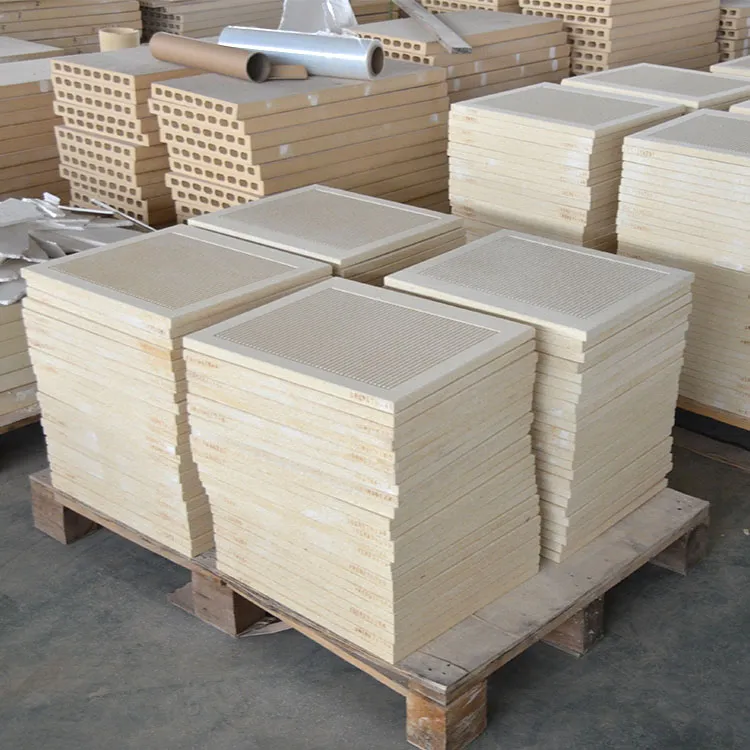
In the demanding world of industrial ceramics, glass, and metallurgy, kiln furniture isn’t just a support—it’s the backbone of production continuity. Yet many buyers overlook one critical metric: creep resistance. Recent field tests across Europe, Southeast Asia, and the Middle East confirm that low creep rate is not optional—it’s essential for operational stability.
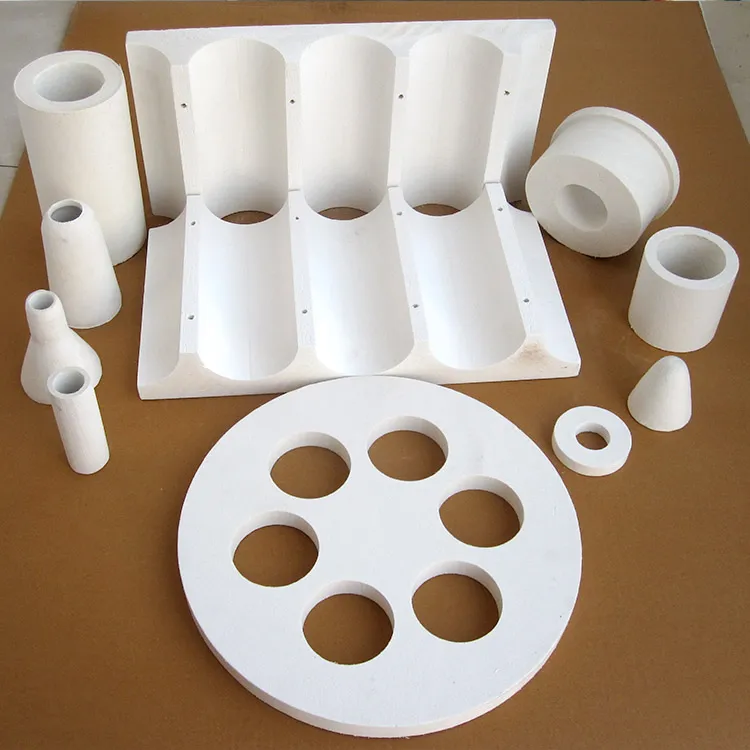
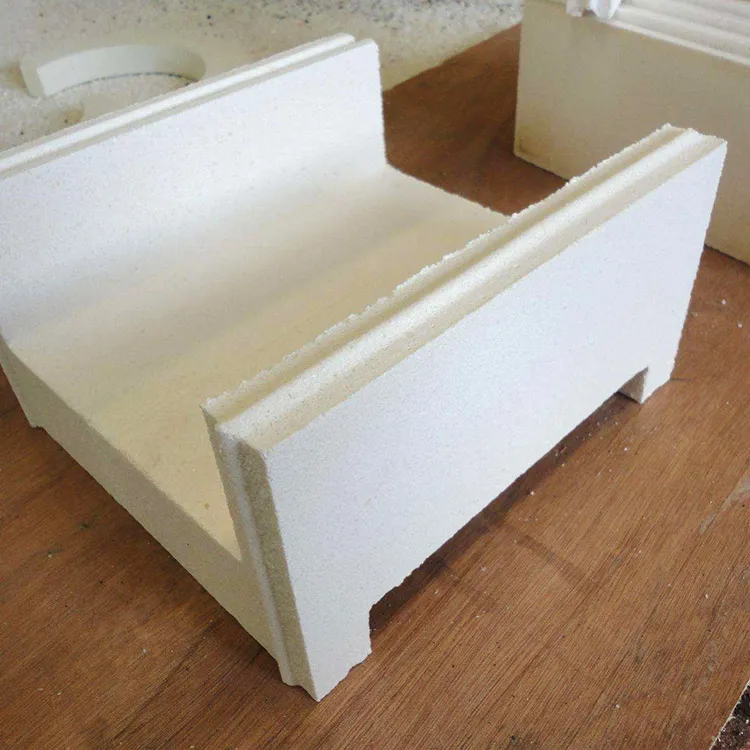
At temperatures between 1000°C and 1300°C, materials begin to deform under constant load—a phenomenon known as creep. A typical alumina-based kiln shelf may show up to 3% deformation after just 100 hours at 1250°C. In contrast, Sunrise's engineered mullite堇青石 (cordierite) kiln furniture maintains less than 0.5% creep under the same conditions—proving its superiority in real-world applications.
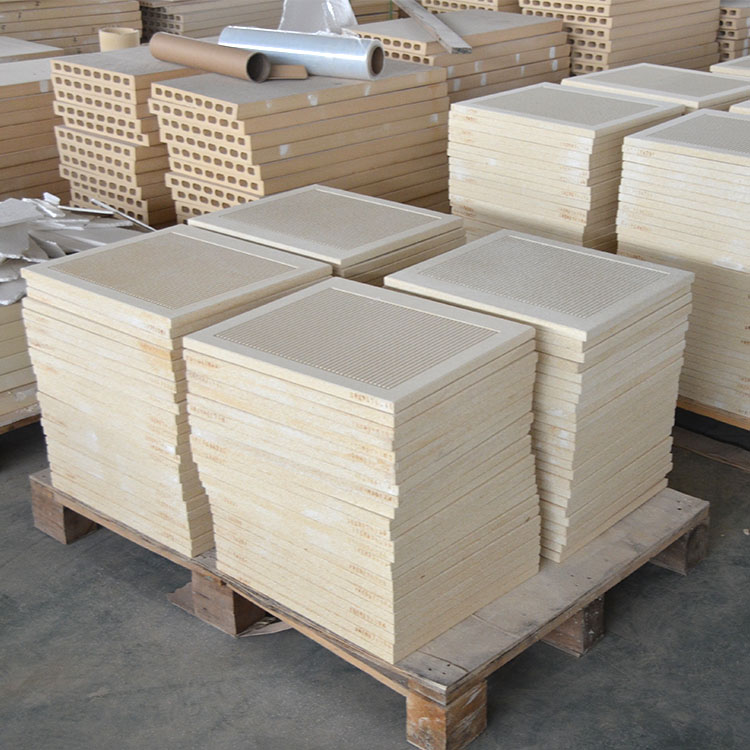
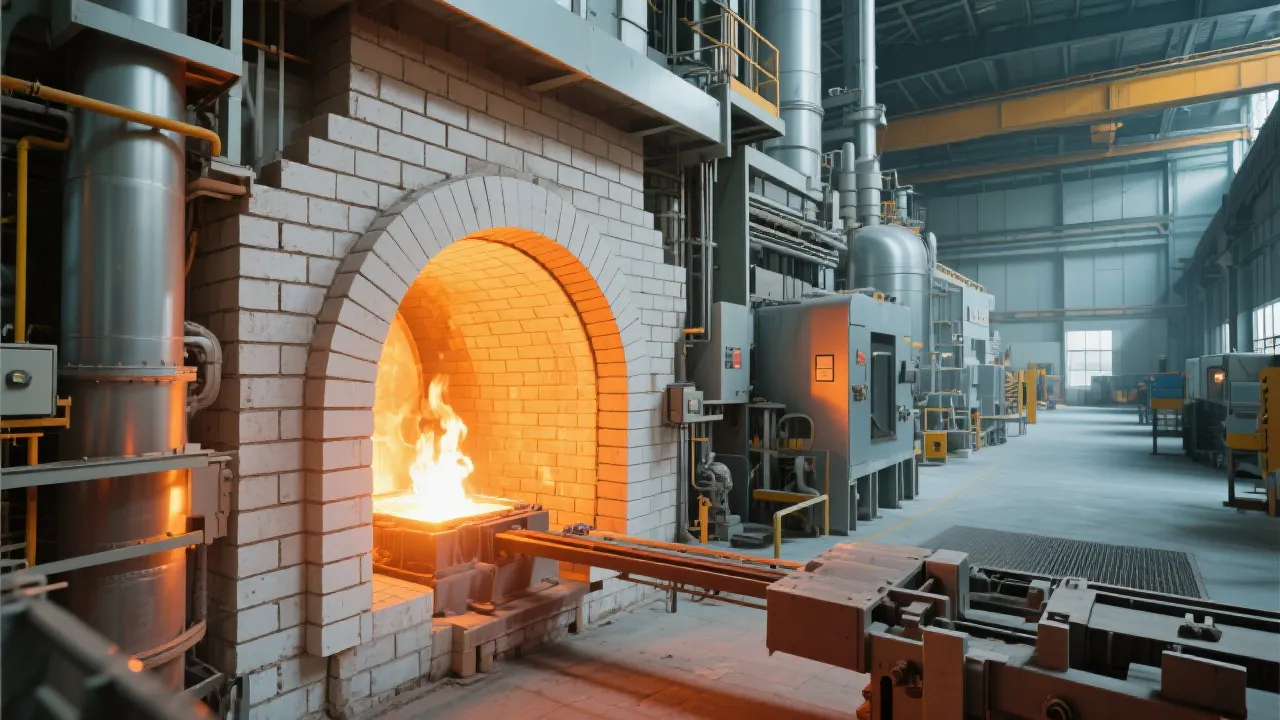
Take the case of a ceramic tile manufacturer in Italy that switched to Sunrise cordierite kiln furniture. Over six months of continuous operation—without any downtime for reshelf replacement—they recorded zero distortion or sagging. Their furnace uptime increased by 18%, and maintenance costs dropped by 27%. This isn’t an outlier—it’s becoming standard among high-performing plants globally.
Similarly, a glass container plant in Thailand reported that their new kiln supports lasted 3x longer than previous models when subjected to frequent thermal cycling. Why? Because our proprietary formulation reduces internal stress buildup during heating and cooling cycles—an engineering advantage often missed in generic product specs.
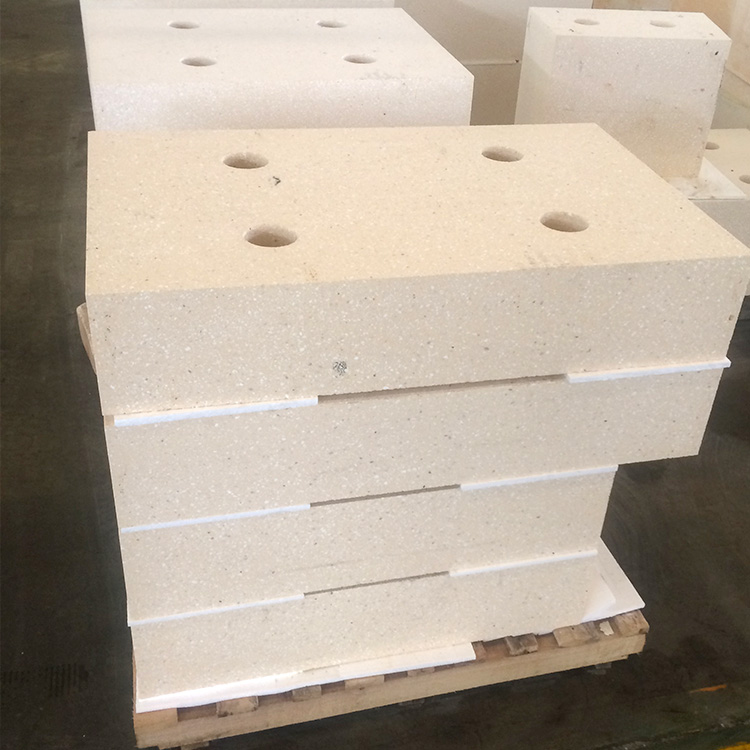
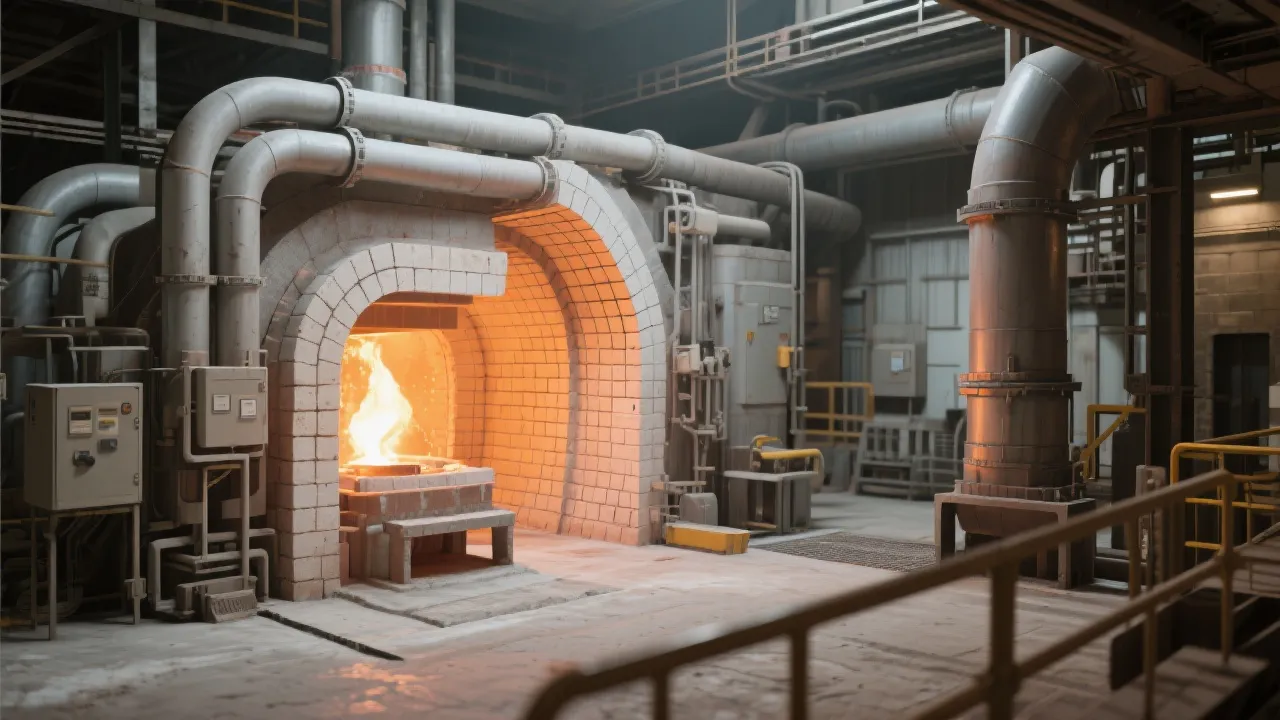
Not all kiln environments are equal. For processes operating below 1100°C with minimal thermal shock, standard cordierite works well. But for high-frequency firing zones—like those in advanced ceramics or refractory manufacturing—our ultra-low creep grades (with optimized grain structure and pore distribution) deliver unmatched longevity.
Key selection factors include:
Choosing Sunrise means choosing a partner who understands your process—not just a supplier of parts. Our global customer base—from German ceramic engineers to Indian steel foundry managers—has validated this technology through repeated use and rigorous testing.
If you're looking to reduce unplanned downtime, extend equipment life, and improve energy efficiency in your kiln operations, it’s time to rethink what “high-quality” really means.
Get a free technical consultation tailored to your specific application needs.
Download Our Kiln Furniture Selection Guide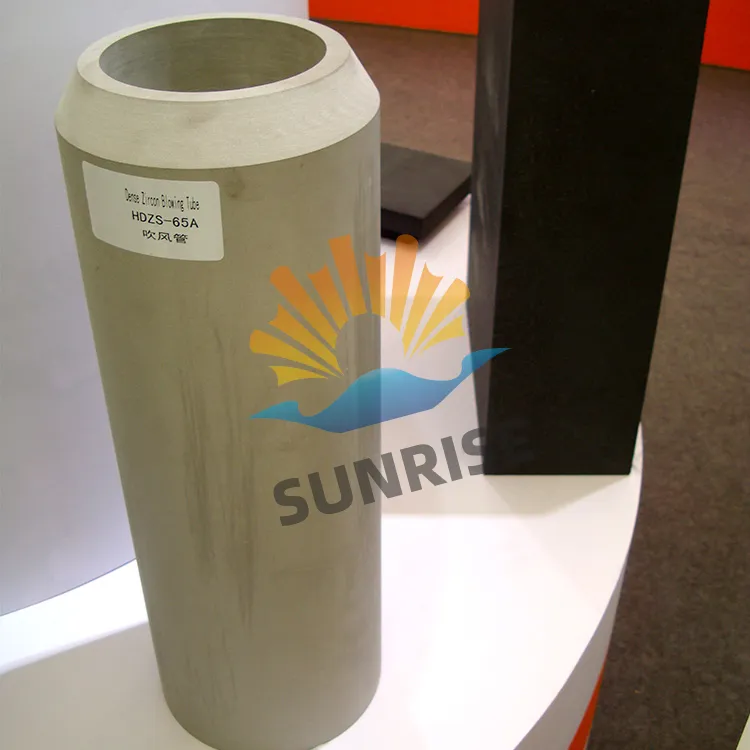




 <#else>


