Low-Creep Refractory Solutions to Prevent Frequent Cracking in Blast Furnace Support Systems
30 12,2025
Application Tutorial
Frequent cracking in blast furnace support systems significantly disrupts the stability and lifespan of industrial kilns. This article explores the material science and structural design advantages of Sunrise brand kyanite kiln furniture by Zhengzhou Tianyang Refractories Co., Ltd., focusing on its low creep rate and exceptional thermal shock resistance. Optimized for operating temperatures between 1000ºC and 1300ºC, these refractory products effectively reduce cracking risks under rapid heating and cooling cycles, extending service life. Through detailed application cases, the article demonstrates improved production efficiency and lowered maintenance costs, providing comprehensive selection guidance to assist technical teams and procurement professionals in enhancing kiln support system stability and cost-effectiveness.

Why Do Blast Furnace Support Systems Frequently Crack? A Complete Guide to Low-Creep Refractory Solutions
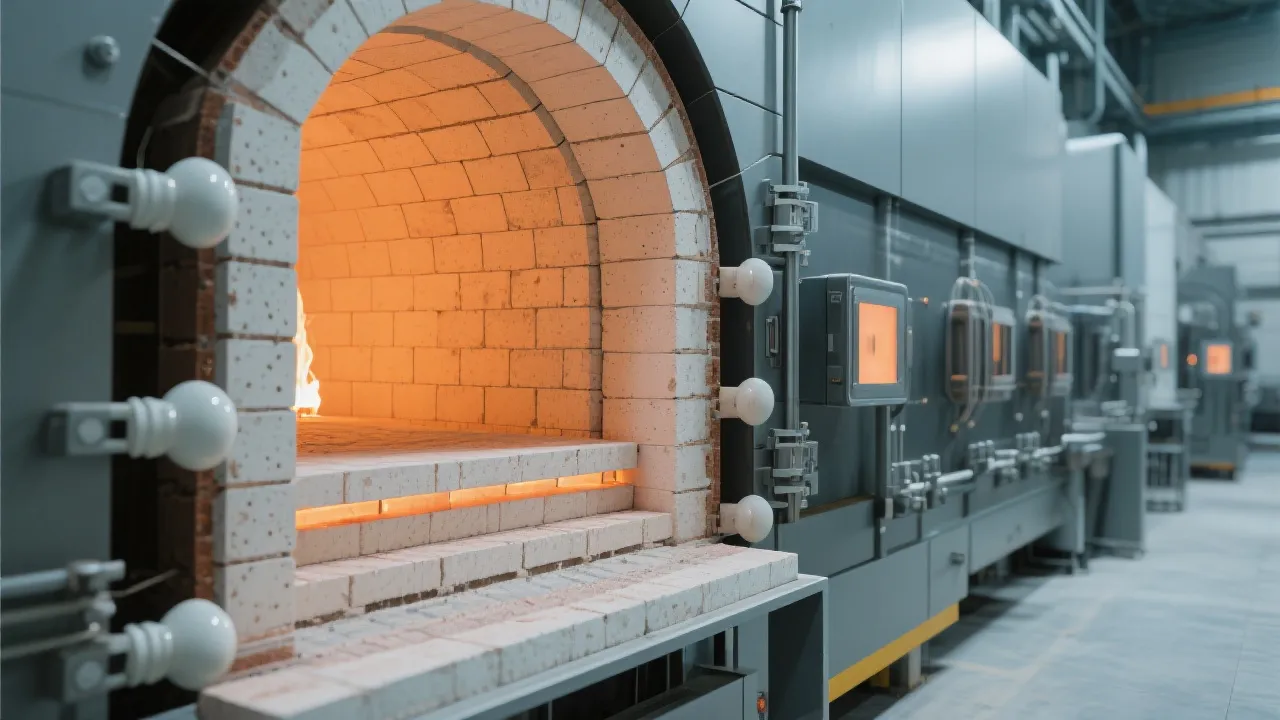
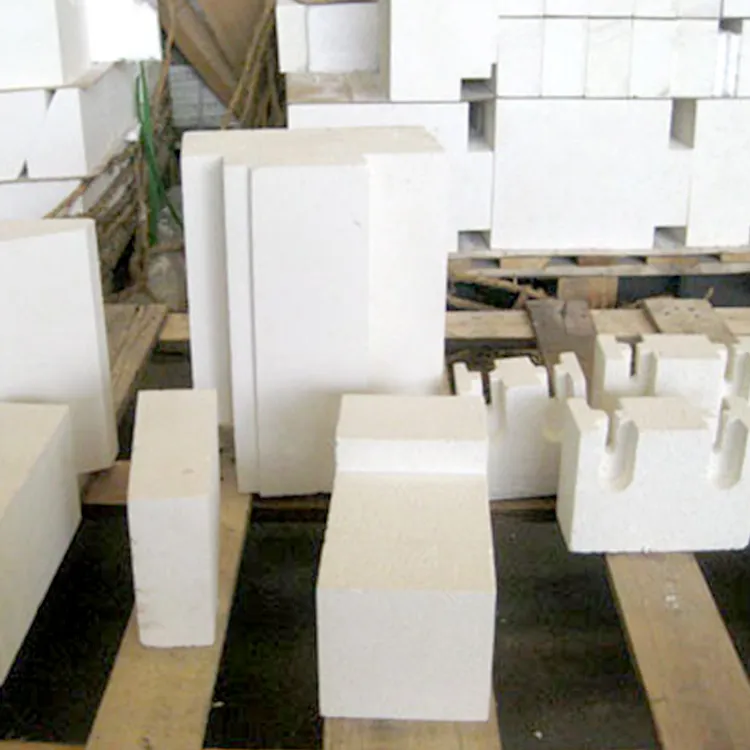
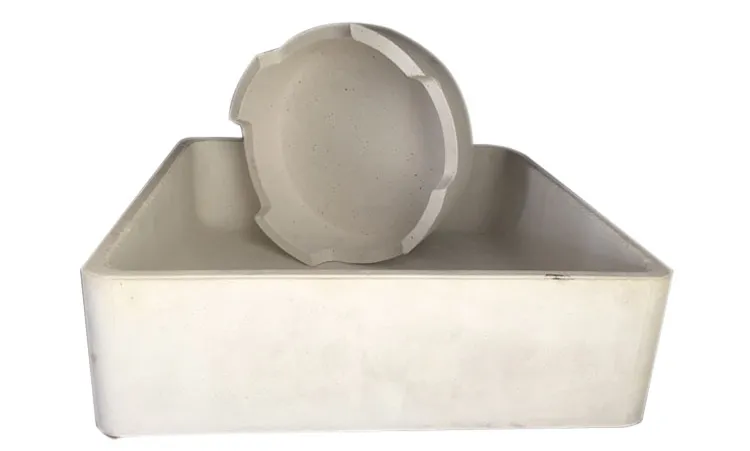
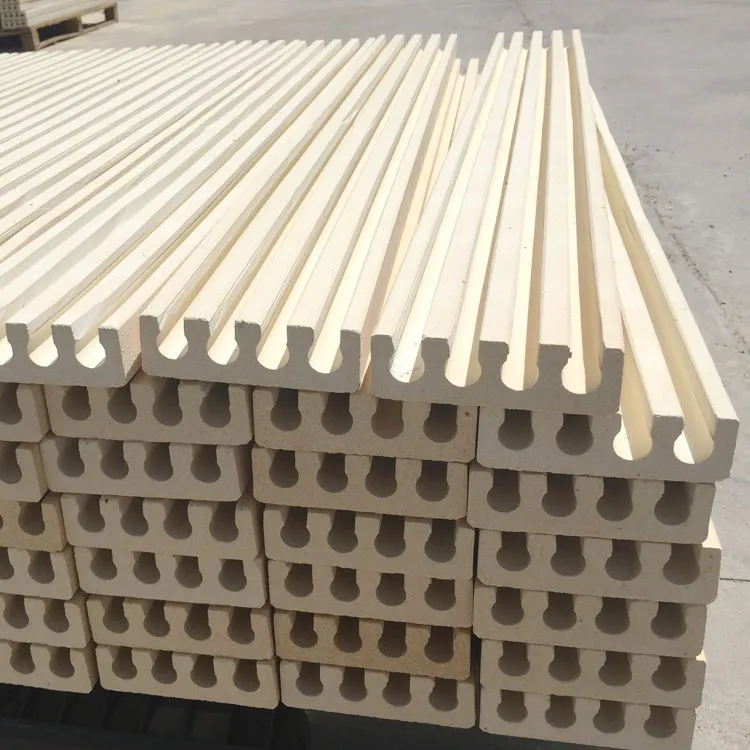
Frequent cracking in blast furnace support systems severely compromises the stability and lifespan of industrial kilns. As a critical component operating under extreme conditions—ranging from 1000ºC to 1300ºC—these systems demand refractory materials that withstand thermal cycles without degradation. Zhengzhou Tianyang Refractory Co., Ltd.’s “Sunrise” andalusite kiln furniture line offers a robust solution through advanced material science and structural design engineered for low creep rate and exceptional thermal shock resistance.
Understanding the Cracking Challenge in Blast Furnace Supports
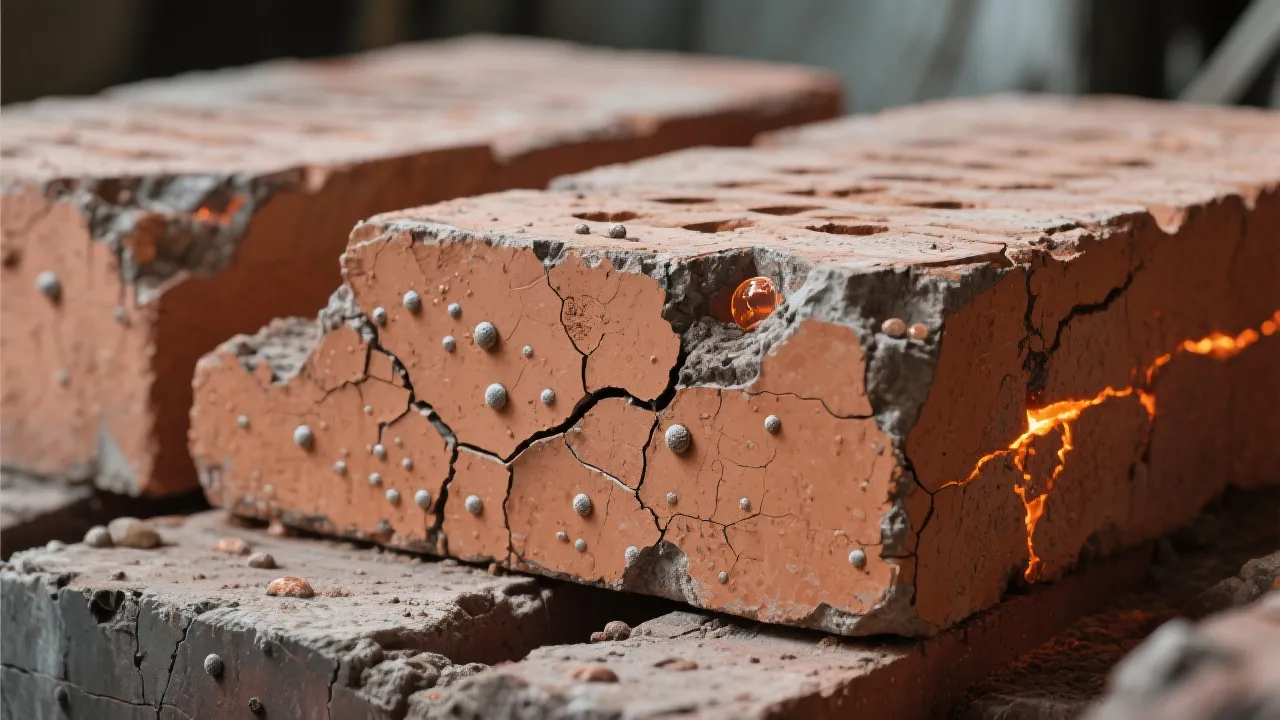
Blast furnace supports endure intense fluctuations in temperature during high-frequency rapid heating and cooling cycles intrinsic to industrial firing processes. These thermal stresses induce material fatigue, leading to crack initiation and propagation. Traditional refractory materials often exhibit higher creep rates — a time-dependent deformation under mechanical stress — which exacerbates structural failure risks over prolonged use.
According to industry studies, refractory materials with creep rates above 5 × 10⁻⁶ mm/mm·h at operating temperatures tend to show significant deformation after just hundreds of firing cycles. This deformation impairs the integrity of support systems, forces unplanned downtime, and inflates maintenance costs.
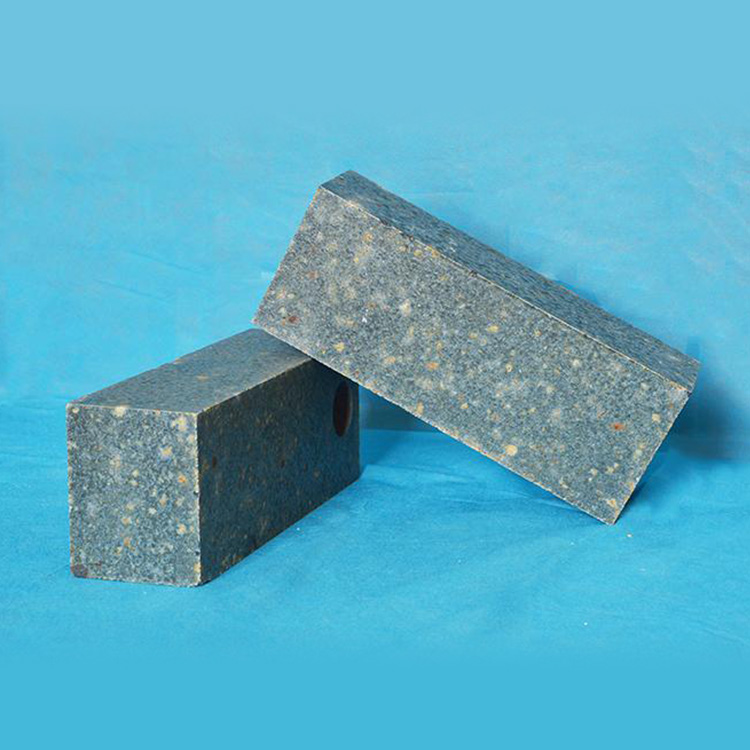
Technical Advantages of Sunrise Andalusite Kiln Furniture
The Sunrise andalusite series achieves remarkably low creep rates, typically less than 2 × 10⁻⁶ mm/mm·h within the 1000ºC–1300ºC temperature window. This performance is primarily attributed to:
- Optimized Andalusite-Based Composition: Enhances the refractory’s crystalline structure stability, minimizing grain boundary sliding under stress.
- Innovative Sintering Process: Improves density and reduces porosity, strengthening overall mechanical resistance.
- Advanced Structural Design: Strategically designed support geometry that dissipates stress concentrations, mitigating crack propagation.
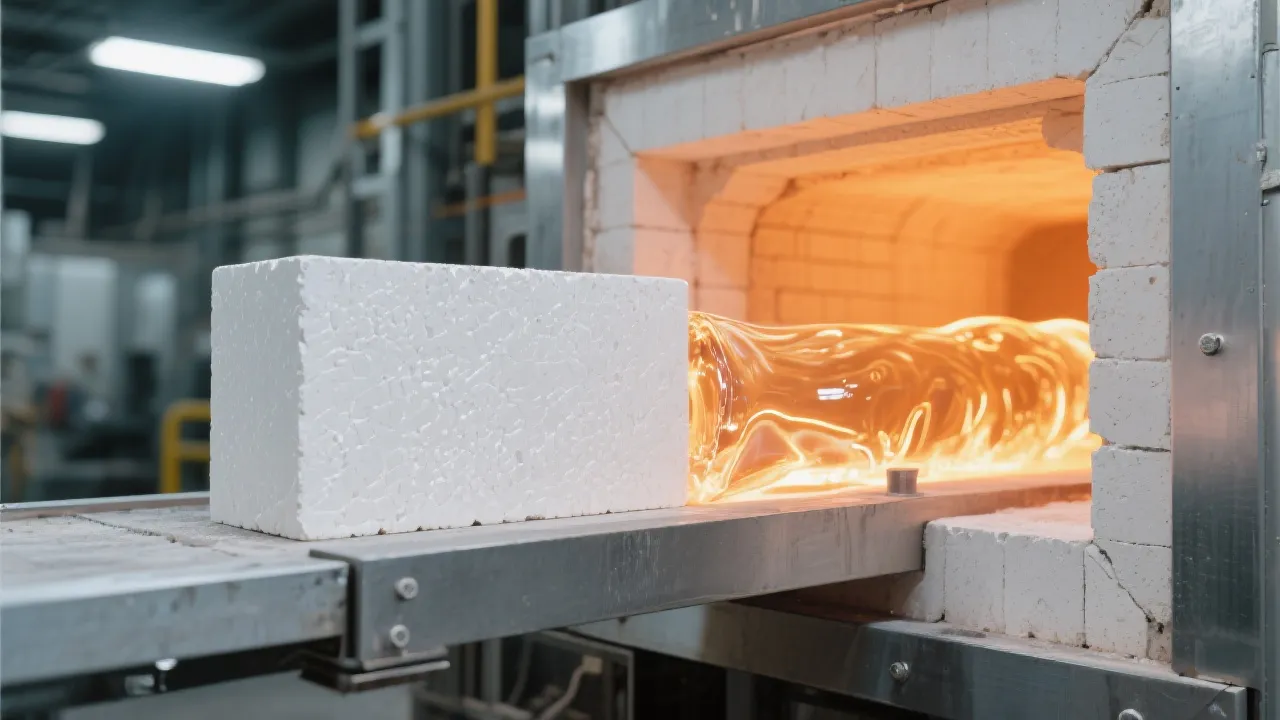
Moreover, the material exhibits superior thermal shock resistance, allowing it to withstand rapid temperature gradients without surface spallation or catastrophic failure, crucial for blast furnace cycles.
Performance Under High-Frequency Thermal Cycling
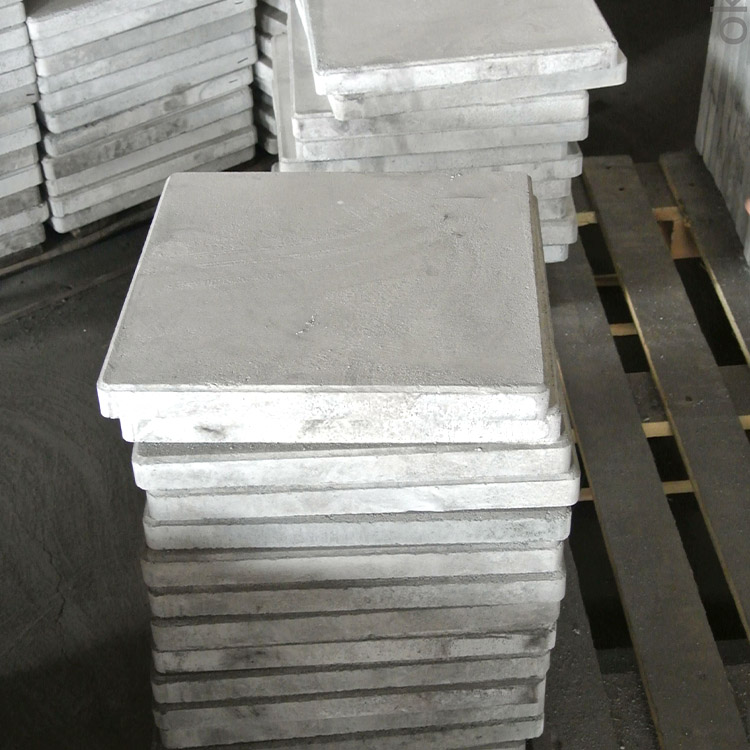
Real-world industrial data from multiple factories demonstrates that Sunrise kiln furniture reduced blast furnace support cracking by over 60% across 500+ thermal cycles. This improvement directly correlates with an extended service life exceeding 30% compared to standard refractory supports, translating into:
- Increased furnace uptime and consistent production rates
- Lower frequency of unexpected maintenance interventions
- Reduced total cost of ownership (TCO) due to diminished replacement intervals
Application Scenarios and Benefits
Industries utilizing high-temperature sintering, such as metallurgy, ceramics, and heat treatment sectors, encounter substantial benefits when integrating Sunrise refractory kiln furniture into their blast furnace support systems:
- Metallurgical Furnaces: Enhanced mechanical strength at elevated temperatures ensures stable support of heavy loads, reducing structural failures.
- Ceramic Kilns: Excellent thermal shock resistance accommodates rapid firing cycles, preserving kiln geometry and protecting ceramic ware quality.
- Heat Treatment Plants: Reliable creep resistance supports precise thermal uniformity crucial for consistent product properties.
Guidelines for Selecting Optimal Refractory Materials
Opting for the right refractory support requires a balance of material properties, operating conditions, and cost-effectiveness. Key considerations include:
- Thermal Operating Range: Assurance that the material retains mechanical integrity throughout expected temperature cycles.
- Creep Rate Metrics: Prioritizing materials with documented low creep rates specific to your process temperature.
- Thermal Shock Endurance: Materials must tolerate rapid temperature fluctuations without micro-cracking.
- Structural Design Compatibility: Support geometry and installation ease aligned with kiln architecture.
Consultation with technical teams and supplier data sheets is essential to match refractory features with specific industrial application needs organically, ensuring maximum operational stability.