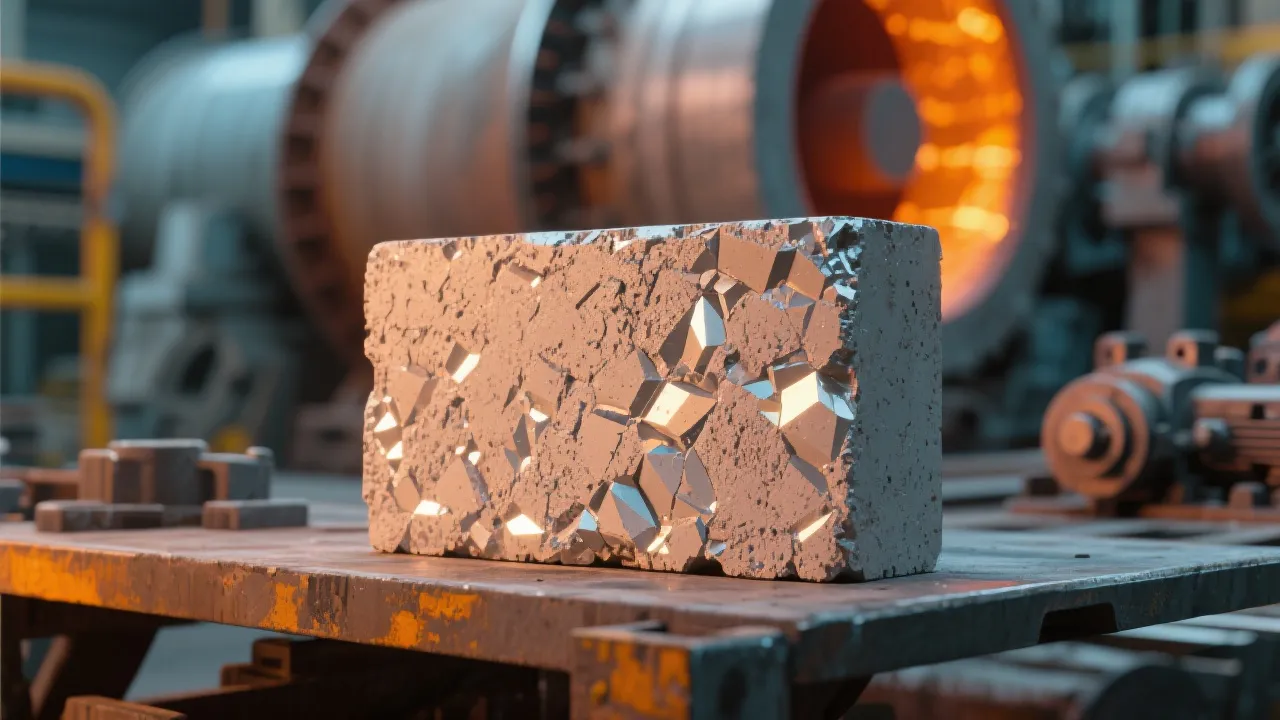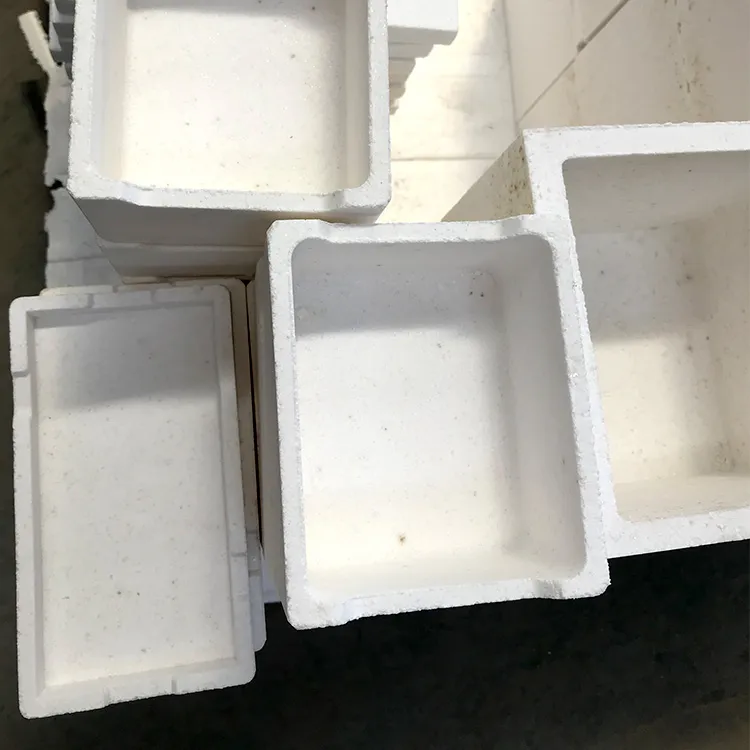
In the realm of high-temperature chemical reactors and furnaces, the choice of refractory materials is pivotal to ensuring operational safety, longevity, and efficiency. Among commonly employed materials, traditional magnesia bricks have long served the industry. However, the advent of magchrome bricks—particularly those engineered by Zhengzhou Tianyang Refractory Materials Co., Ltd.—has presented a compelling alternative with superior resistance against corrosion, thermal shock, and slag penetration.
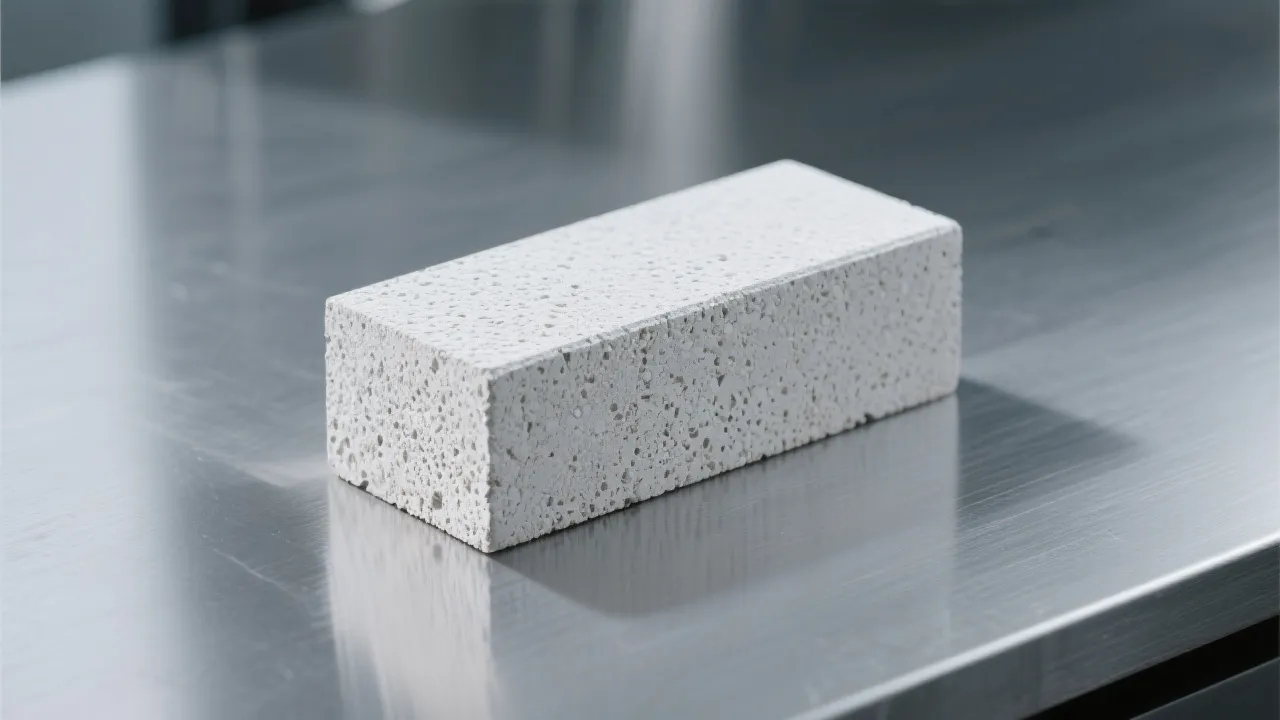
Traditional magnesia bricks primarily consist of magnesium oxide (MgO), which provides high melting points and basic refractory properties. On the other hand, magchrome bricks integrate chrome oxide (Cr2O3) into the magnesia matrix, creating a composite that balances physical strength with chemical stability under aggressive environments.
Scientifically, the introduction of chromium oxide enhances the brick’s resistance to acidic slags and corrosive gases, pivotal in high-temperature chemical processes often exceeding 1600°C. Notably, magchrome bricks exhibit an MOR (Modulus of Rupture) approximately 10-15% higher than traditional magnesia bricks at temperatures above 1400°C, as validated by international refractory standards.
| Property | Magchrome Brick | Traditional Magnesia Brick |
|---|---|---|
| Thermal Shock Resistance | Excellent (ΔT >100°C without cracks) | Moderate (Prone to microcracking under rapid temperature change) |
| Corrosion Resistance | High (Resistant to acidic and basic slags) | Lower (Susceptible to slag erosion) |
| High-Temperature Strength | ≥ 15 MPa @ 1500°C | ~13 MPa @ 1500°C |
Such advancements are critical in lowering maintenance intervals, extending kiln life, and minimizing unplanned shutdowns.
Heat shock resistance is vital in environments involving frequent temperature cycling—common in steelmaking, cement production, and chemical reaction chambers. Traditional magnesia bricks often experience microfractures under rapid cooling or heating cycles, compromising structural integrity over time. Contrastingly, magchrome bricks maintain dimensional stability due to their optimized crystalline structure.
Slag resistance is equally critical. Slags, comprising molten oxides and salts, aggressively erode refractory linings. The chromium oxide within magchrome bricks chemically interacts with slags, forming protective films that drastically reduce penetration and corrosion rates.
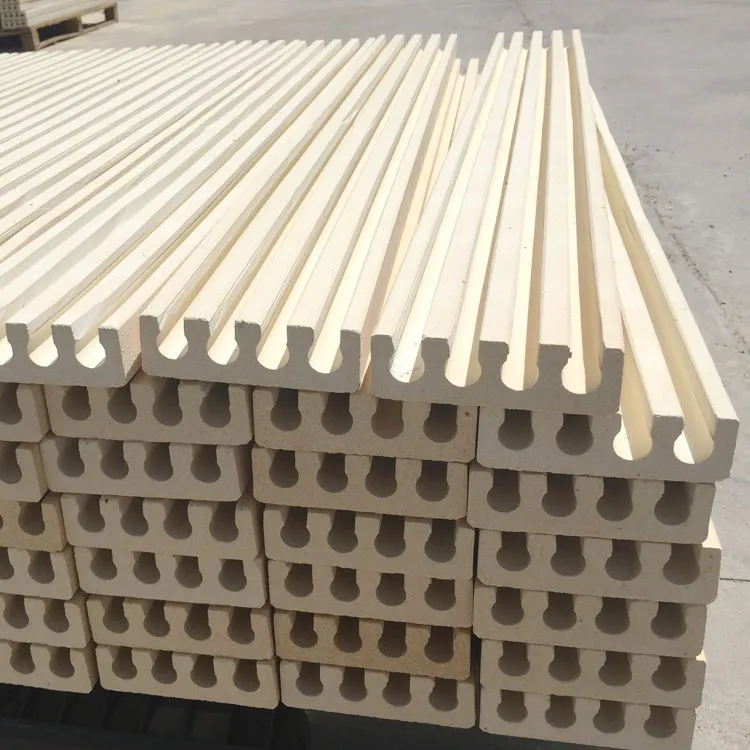
Zhengzhou Tianyang’s magchrome bricks have been successfully deployed in several industrial settings:
One case study reveals a large-scale petrochemical plant upgrading from conventional magnesia bricks to Tianyang’s magchrome bricks experienced a 40% reduction in unscheduled outages related to refractory failure, a quantifiable boost to operational reliability.
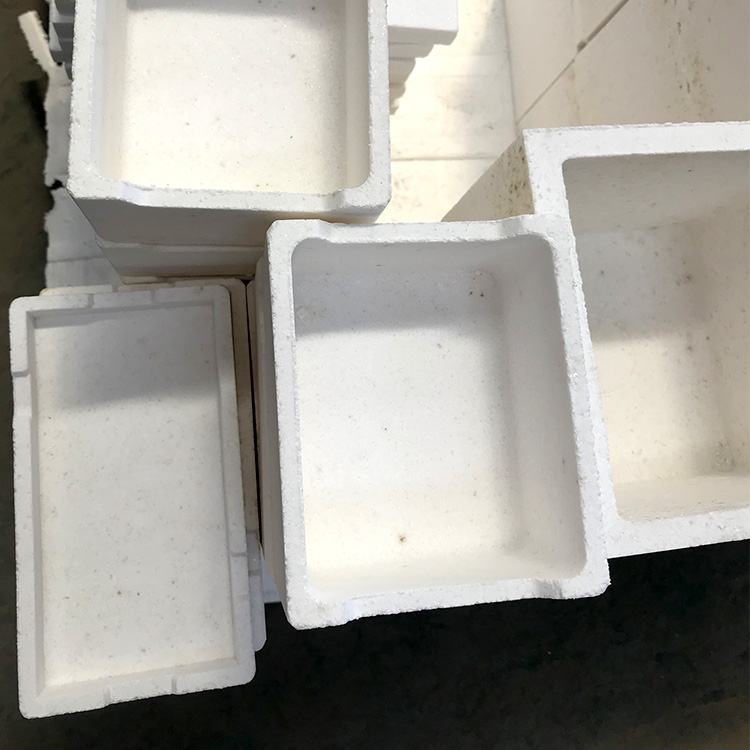
Adopting magchrome bricks also entails refined installation and maintenance protocols. Specialized bonding mortars compatible with chromia phases ensure optimal adhesion and minimize joint failure. Periodic inspection emphasizing thermal deformation and slag infiltration is recommended, supported by infrared thermography and ultrasonic testing for early detection.
Proper handling during installation— such as controlled curing and moderate preheating— dramatically influences brick longevity. Training operational and maintenance teams to understand the specific requirements linked to magchrome bricks can yield long-term economic benefits.
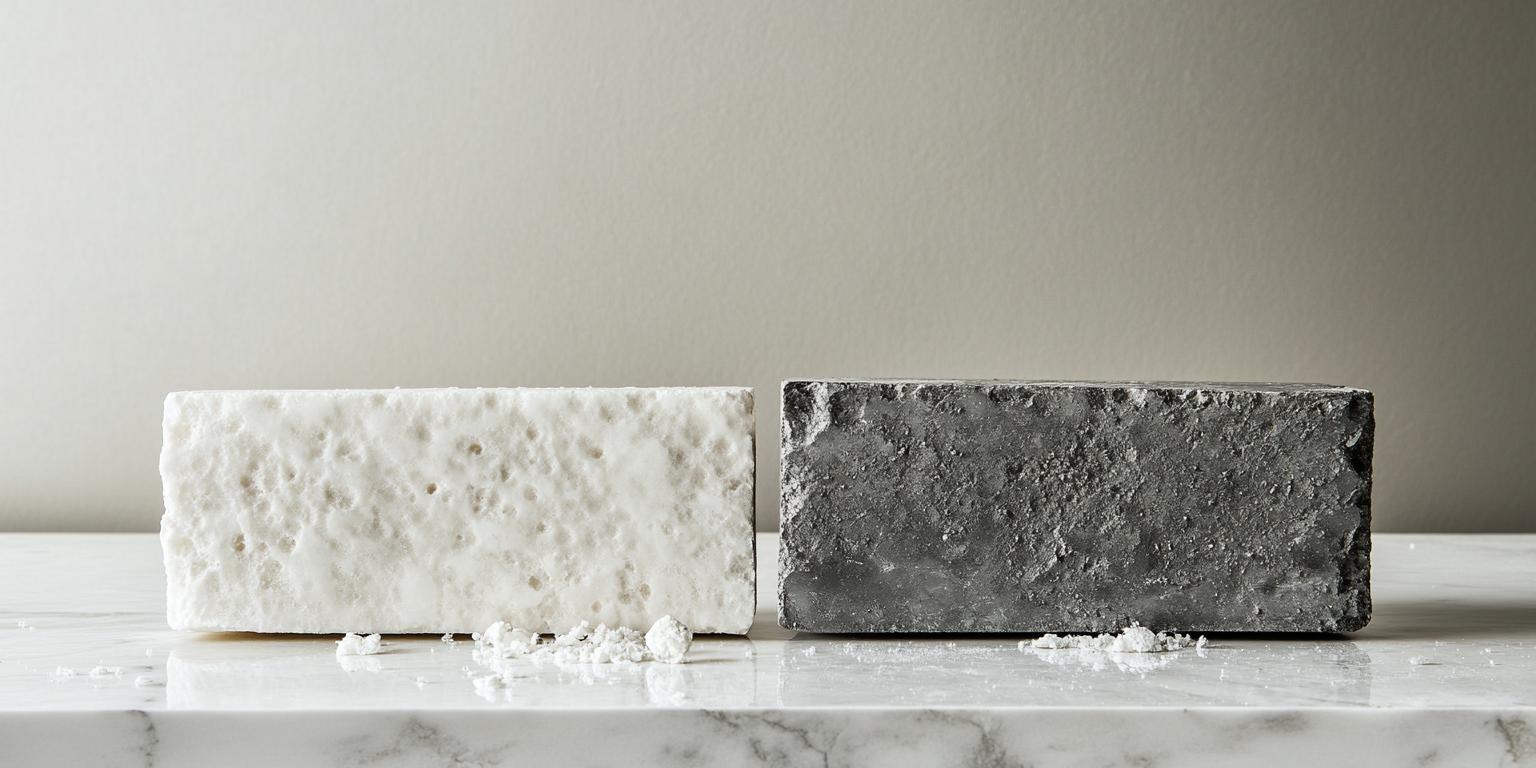
Engineers and procurement professionals must evaluate not just raw material cost but lifecycle value, factoring in durability, downtime avoidance, and thermal efficiency improvements. Magchrome bricks' enhanced performance profile translates into notable cost savings when assessed under total cost of ownership (TCO) models.
Practical advice favors conducting a detailed onsite assessment encompassing process temperatures, chemical atmosphere, and mechanical stresses before brick selection. Engaging with refractory specialists can tailor solutions for unique industry challenges.