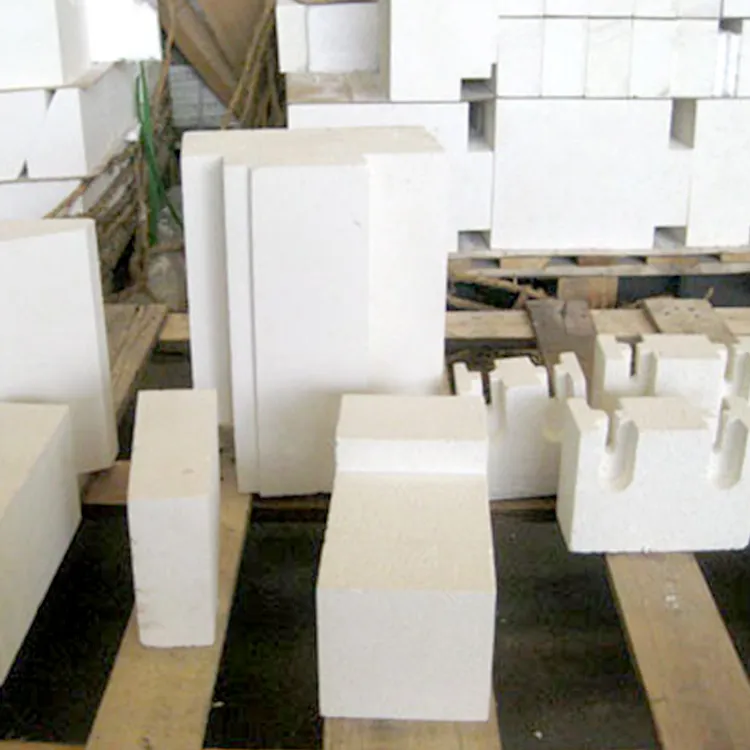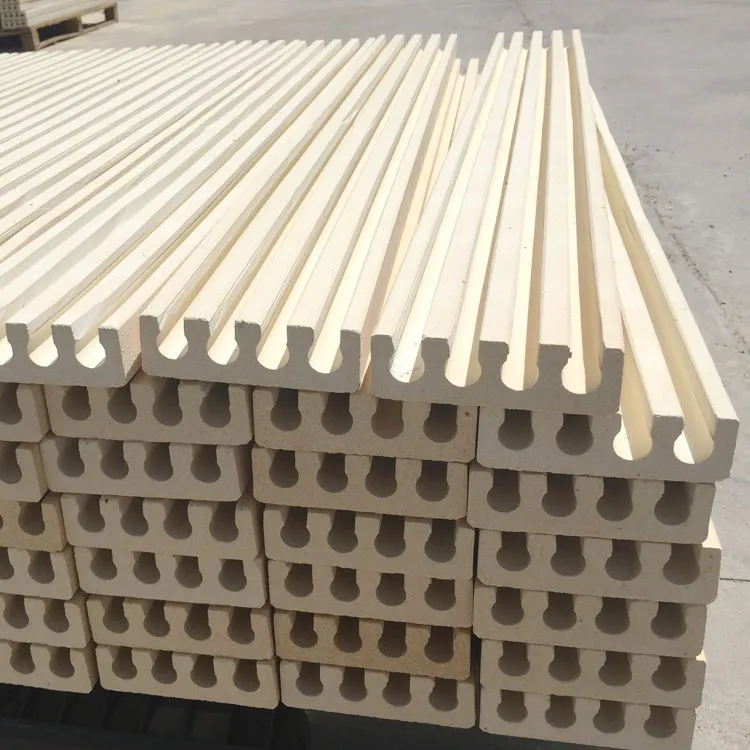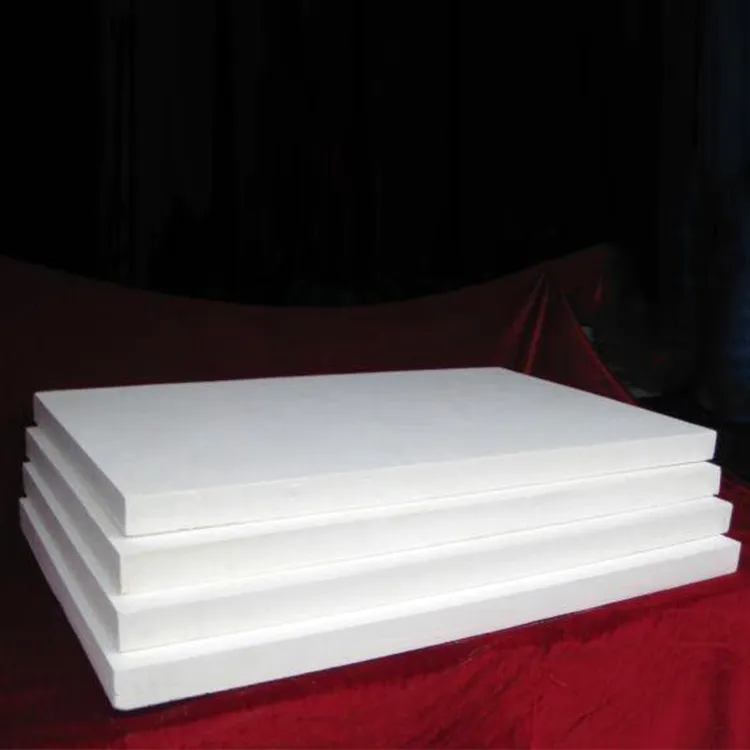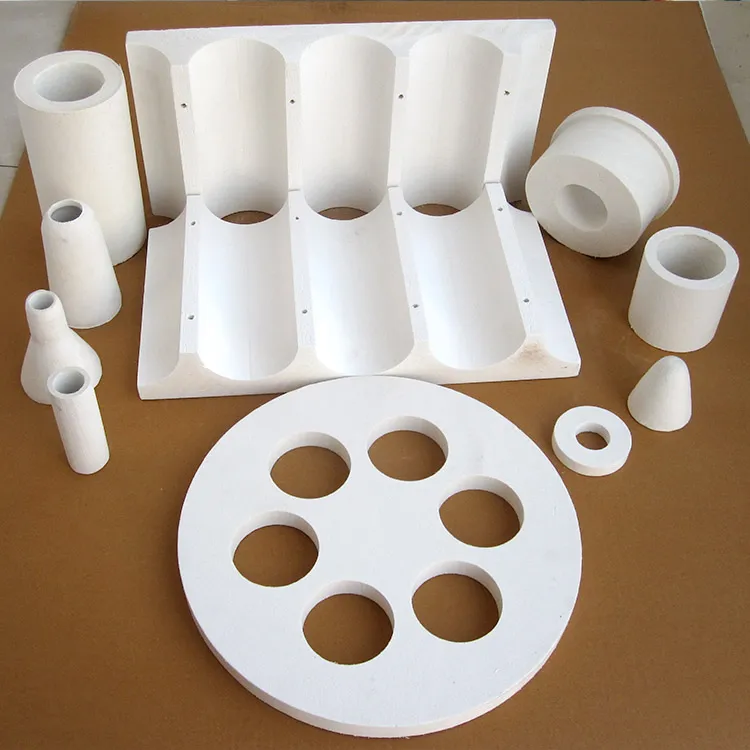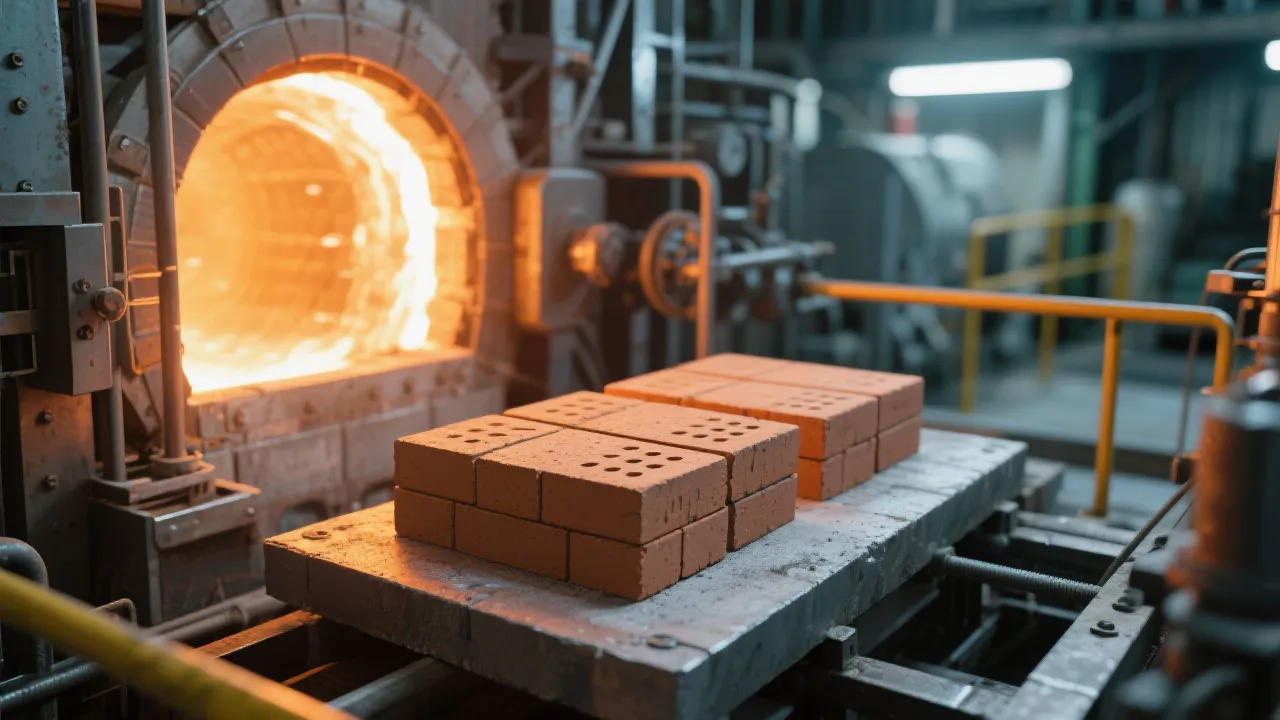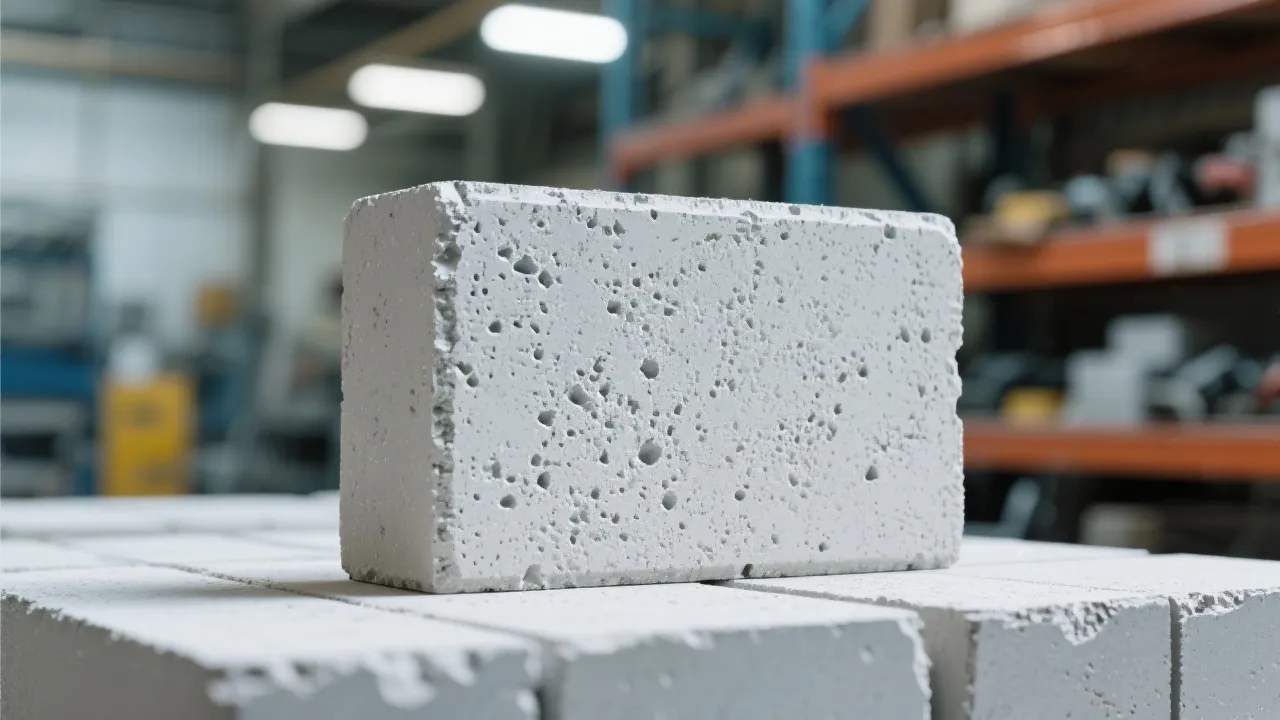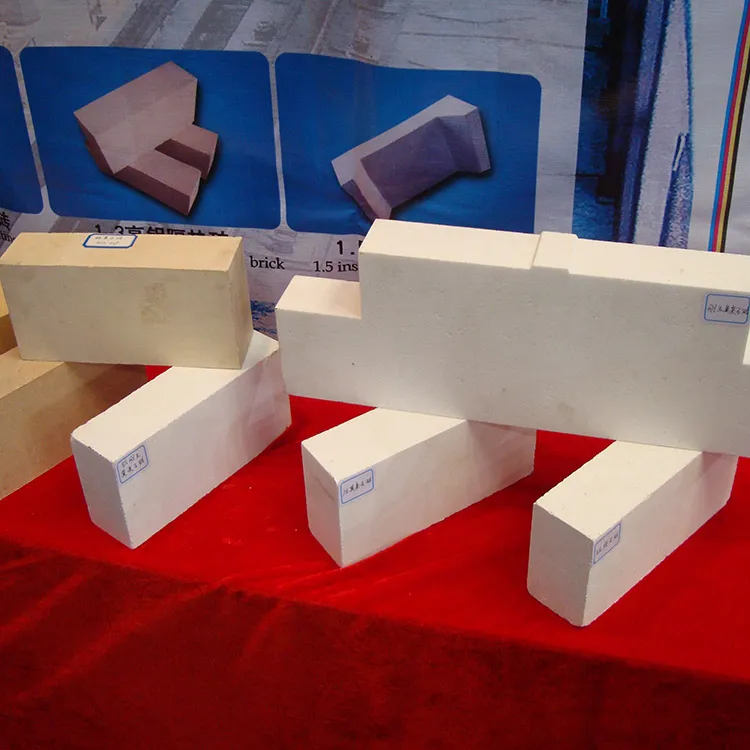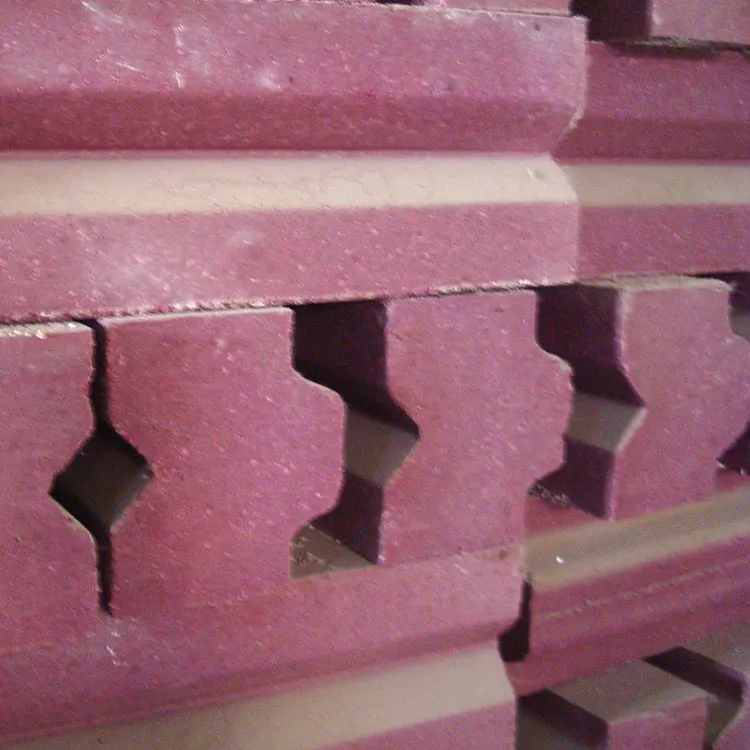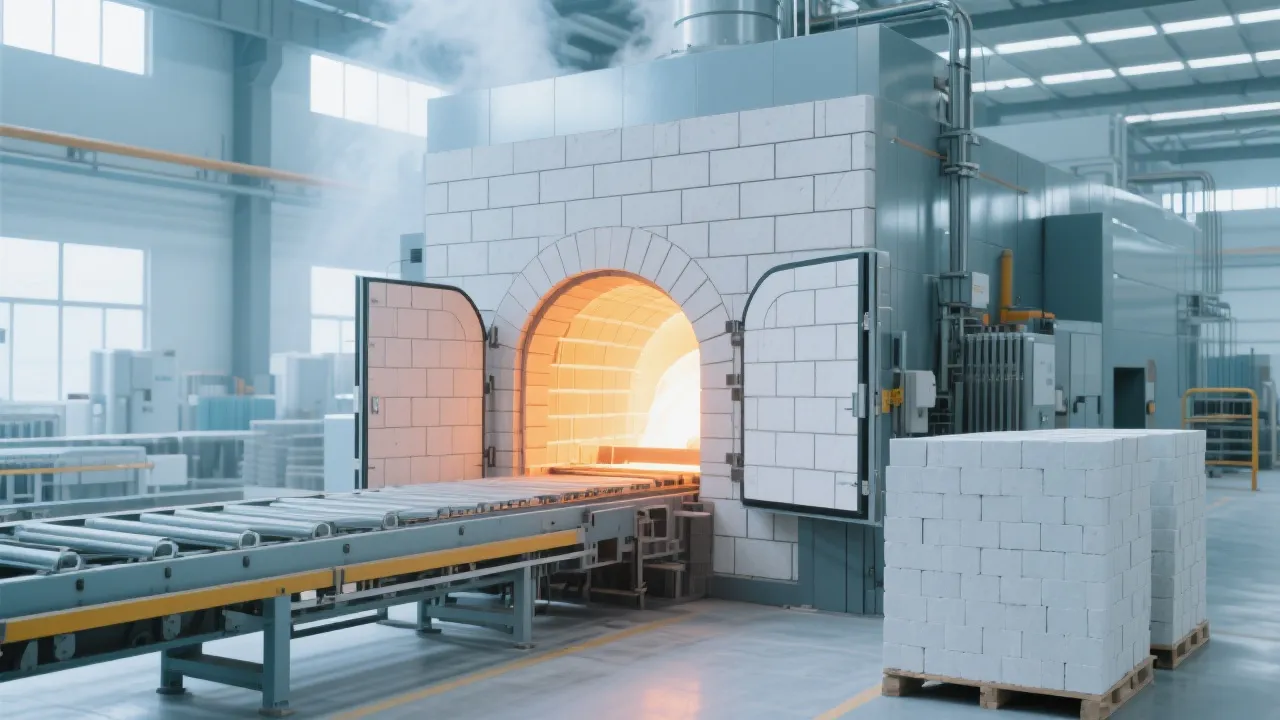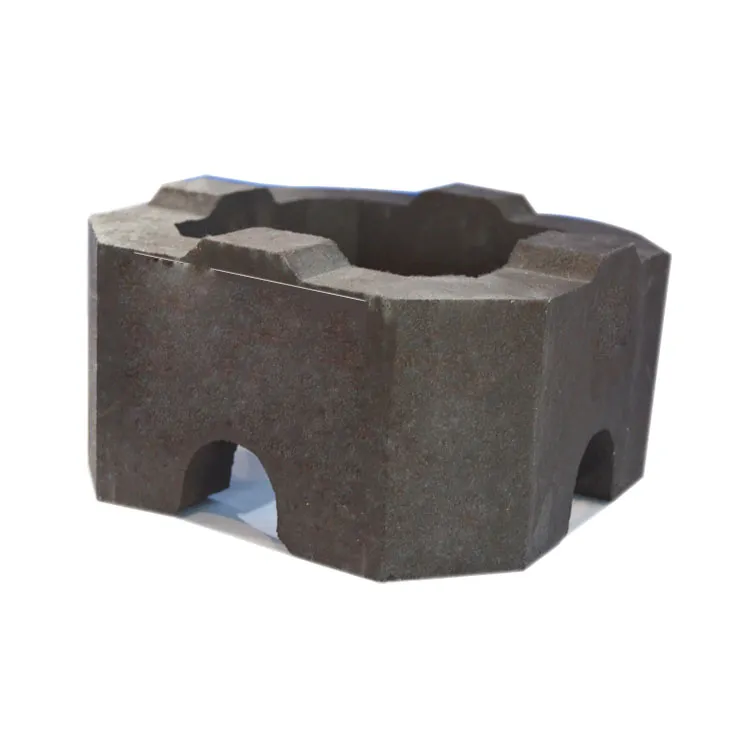
Zhengzhou Tianyang Refractory Materials Co., Ltd. has introduced corrosion - resistant ordinary magnesia - chromite bricks. This article delves into the silicate bonding mechanism of these bricks, which significantly enhances their crack resistance and slag resistance. In high - temperature chemical reactors, where there are intense temperature fluctuations, the practical demand for such refractory materials is high.
The physical and chemical composition of magnesia - chromite bricks is crucial. Sintered magnesia and refractory - grade chromite ore form a corrosion - resistant structure through silicate bonding. The silicate bonding mechanism reinforces the crack resistance and slag resistance of the brick body. For example, according to a权威研究, the crack resistance of bricks with this bonding mechanism has increased by about 30% compared to traditional bricks.
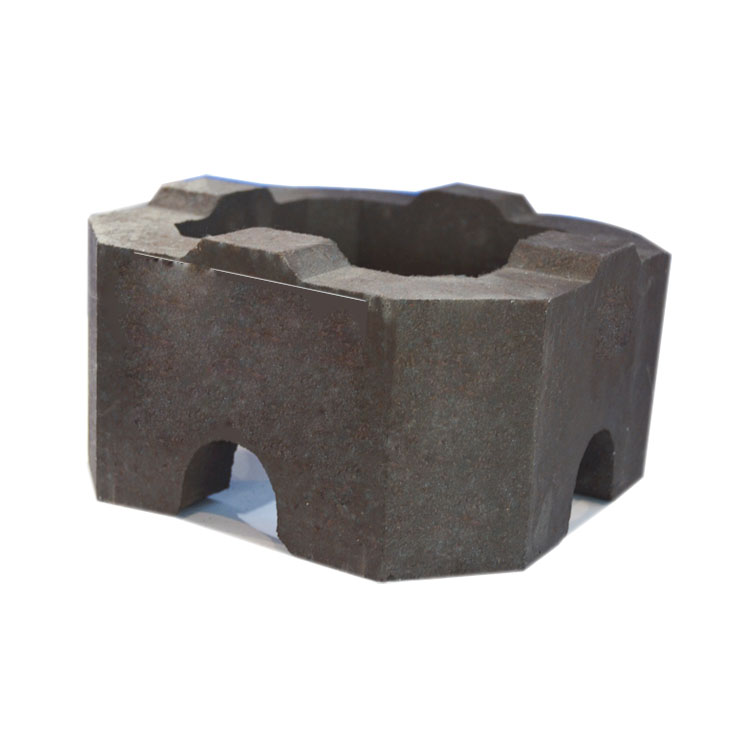
Thermal shock stability is of great significance in environments with rapid temperature changes. The magnesia - chromite bricks can adapt well to such environments. Multiple sets of thermal shock test data support this advantage. For instance, in a series of thermal shock tests, these bricks could withstand more than 50 cycles of rapid temperature changes from 1000°C to room temperature without significant cracks, while traditional bricks only endured about 20 cycles.
As quoted in an引言框, "The unique silicate bonding mechanism effectively improves the thermal shock stability of magnesia - chromite bricks, making them more suitable for high - temperature chemical reactors."
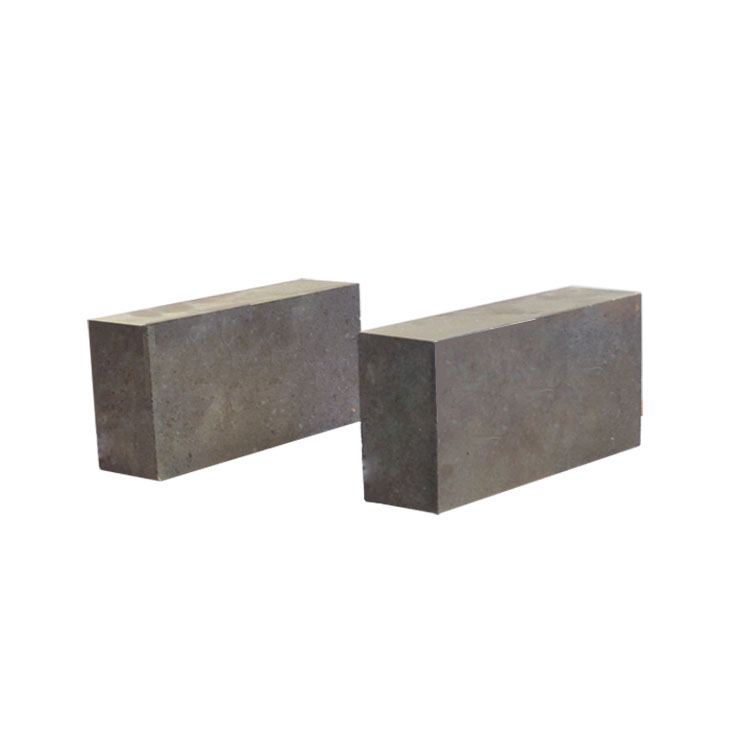
In typical chemical reactors, the selection, installation, and maintenance of these bricks are critical. Through on - site application examples, we can understand the selection logic. For example, in a large - scale chemical reactor, the proper selection of magnesia - chromite bricks can increase the reactor's operation stability by about 25% and extend the material's service life by about 30%. The installation process should follow strict standards to ensure the best performance of the bricks.
Maintenance also plays a vital role. Regular inspections and timely repairs can further enhance the performance of the bricks. For example, checking the bricks every 3 months can detect potential problems early and take preventive measures.
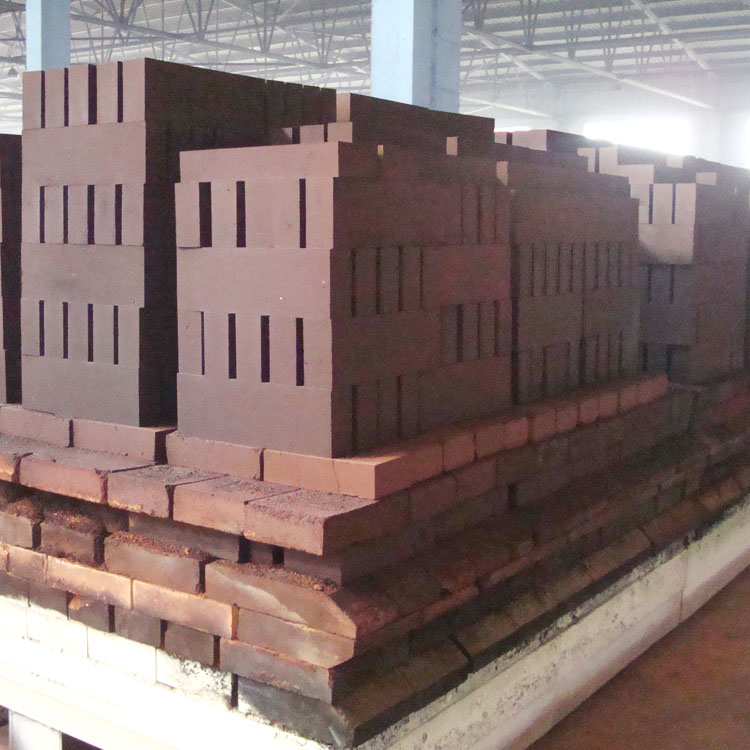
These magnesia - chromite bricks have a certain scope of application. They are suitable for high - temperature chemical reactors, but there are also limitations. It is important to conduct a scientific evaluation before use. For example, in some extremely corrosive environments, additional protective measures may be required.
To address users' questions, an interactive Q&A section is designed. This can enhance the practicality and pertinence of the content. If you have any questions about these magnesia - chromite bricks, feel free to ask.
To learn more about the thermal shock test methods or obtain a complete application manual, please visit CTA - URL. Discover more about the advanced technology of these magnesia - chromite bricks and how they can benefit your projects.