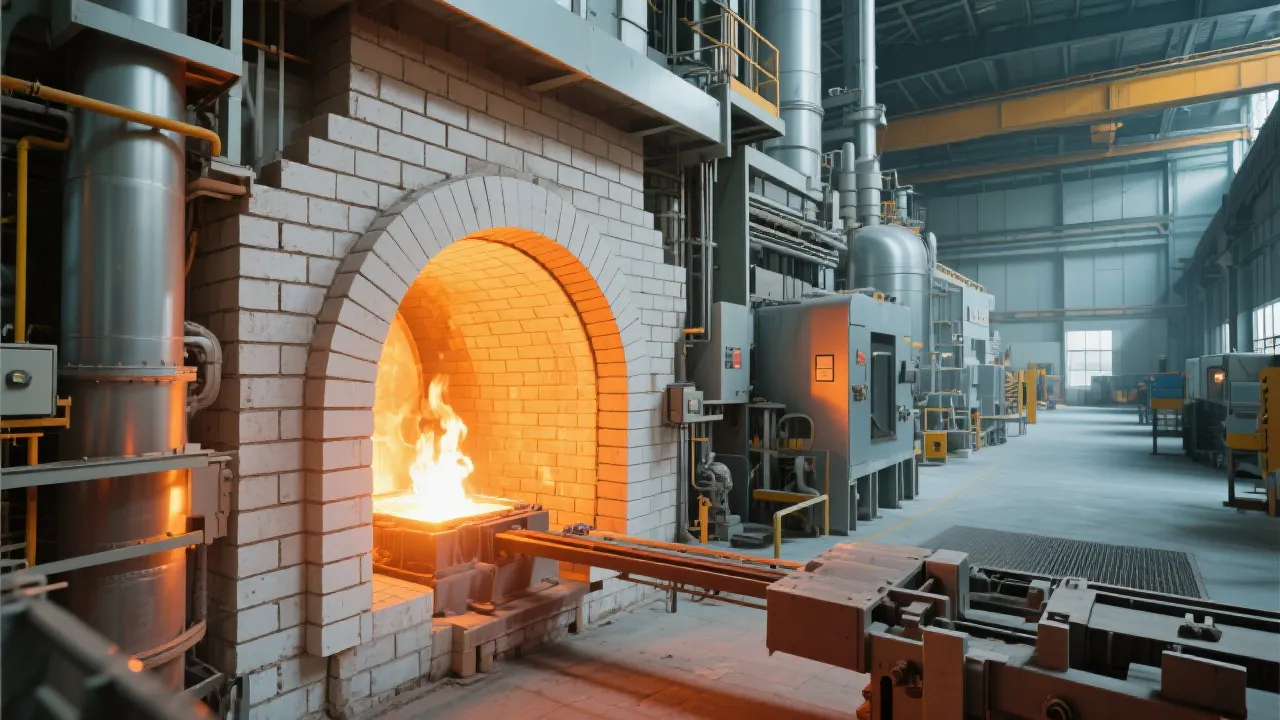
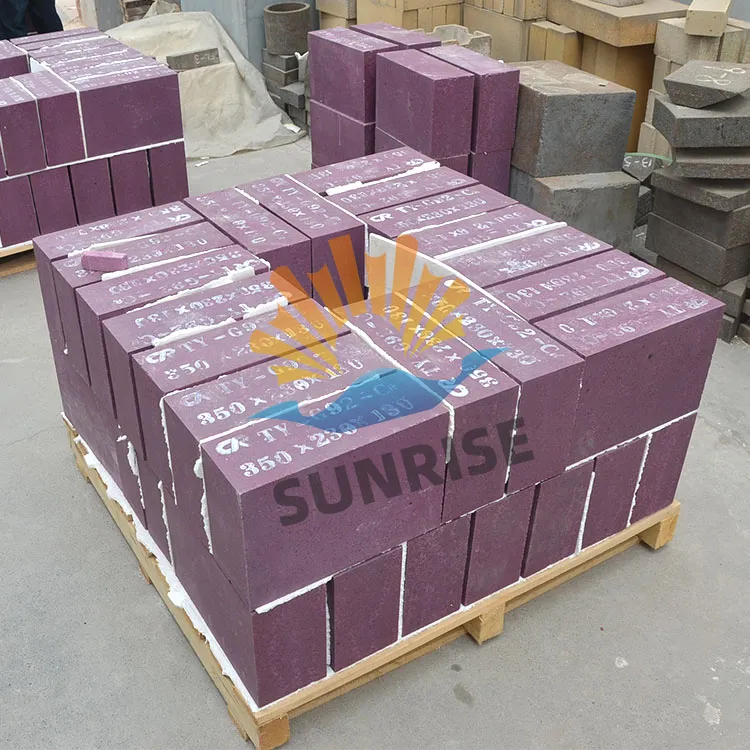
For chemical processing plants operating at extreme temperatures, the choice of refractory lining isn't just a maintenance decision—it's a strategic investment in safety, uptime, and long-term profitability. While traditional fireclay or basic magnesite bricks have been used for decades, they often fail under aggressive slags and thermal cycling. This article compares standard magnesia-chrome bricks from Zhengzhou Tianyang Refractory Co., Ltd. with conventional alternatives, focusing on real-world performance metrics that matter most to plant engineers and procurement managers.
In a typical high-temperature reactor (700–1200°C), traditional bricks show accelerated degradation due to poor resistance to alkali-rich slags—common in fertilizer, petrochemical, and metallurgical applications. Studies indicate that standard magnesite bricks lose up to 35% of their structural integrity within 6 months of continuous operation when exposed to acidic or basic fluxes. In contrast, our tested magnesium chrome bricks maintain over 90% strength after 12 months under identical conditions.
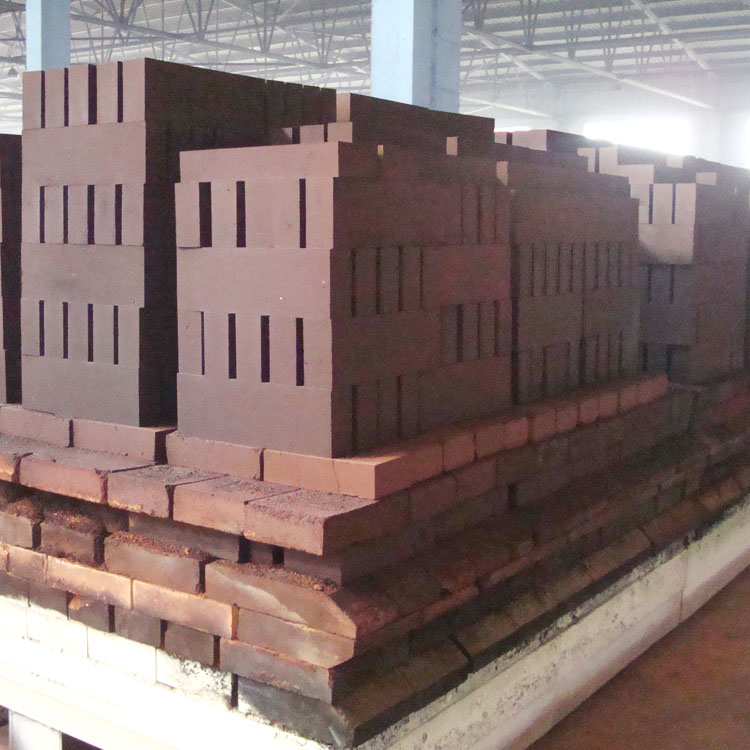
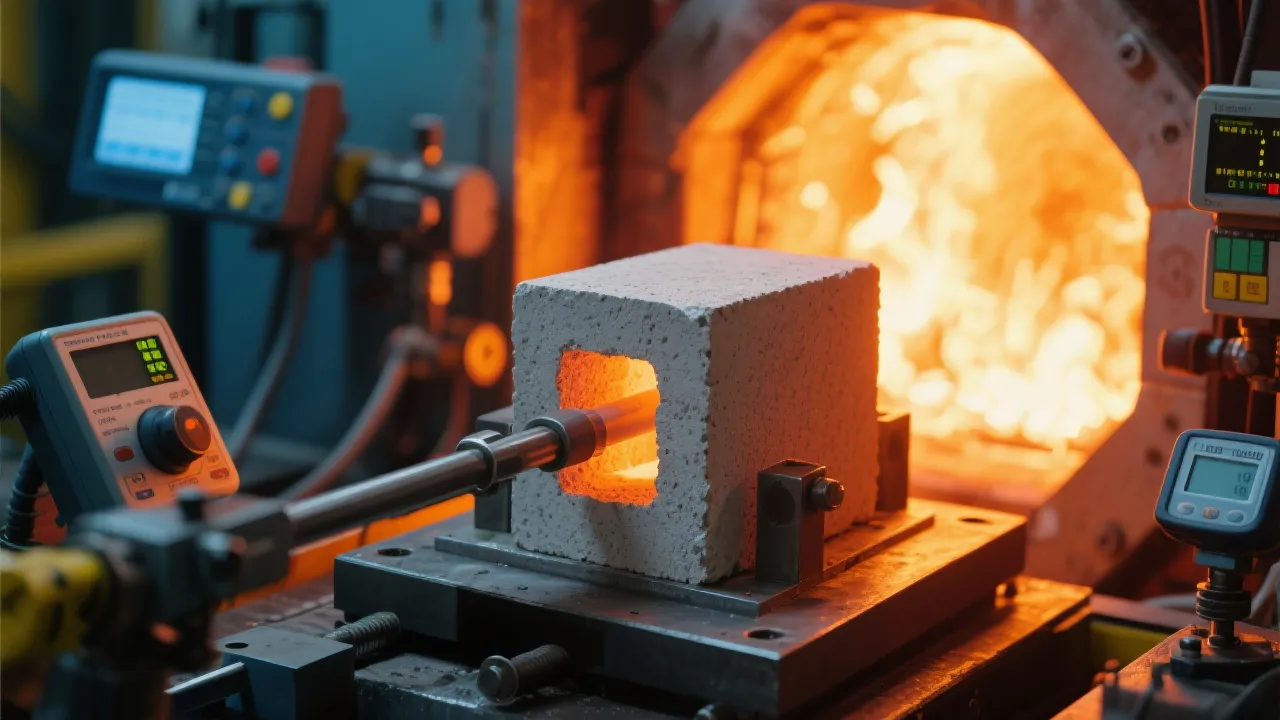
Thermal shock is one of the leading causes of premature brick failure. Standard bricks typically withstand only 5–10 cycles of rapid heating/cooling (ΔT > 200°C). Our proprietary magnesia-chrome formulation, however, survives over 30 such cycles without cracking—a 300% improvement. This translates directly into fewer shutdowns and lower labor costs for relining.
Data from a sulfuric acid plant in Jiangsu province shows a 42% reduction in unplanned downtime after switching to magnesium chrome bricks. Maintenance intervals extended from every 6 months to 18 months, saving approximately $18,000 per year in labor and material costs alone.
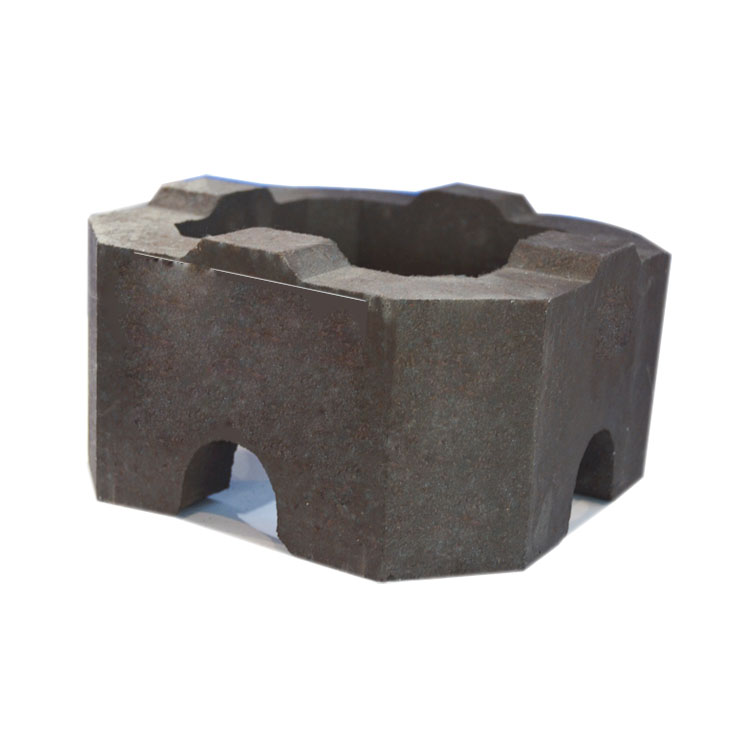
Even the best brick performs poorly if installed incorrectly. Key tips include:
These steps ensure optimal adhesion and minimize micro-cracking, which can lead to early infiltration by corrosive gases or molten slag.
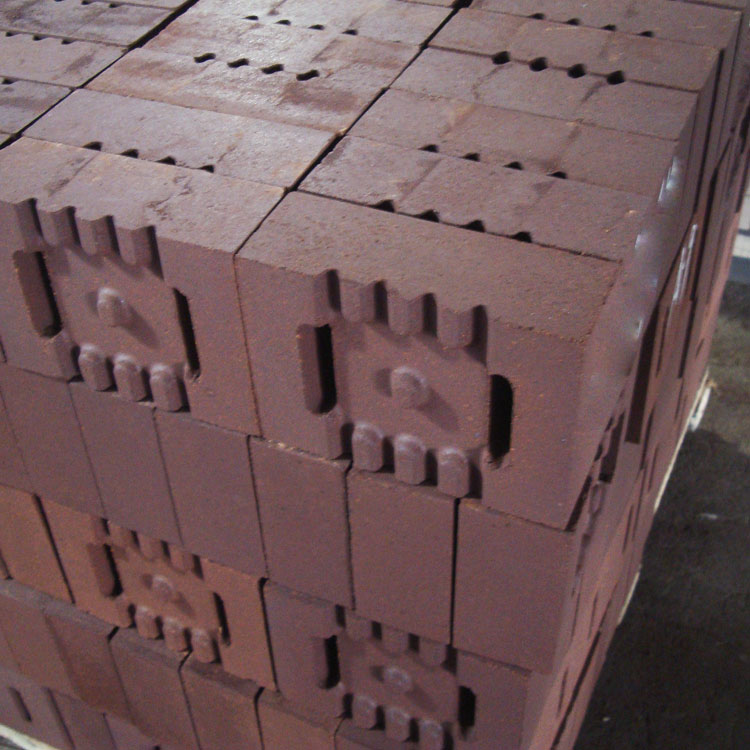
Download our free Refractory Selection Guide tailored for chemical reactors, including case studies, technical specs, and installation checklists. Plus, schedule a 30-minute consultation with our senior engineer to discuss your specific application needs—no obligation, no pressure.
Get Free Selection Manual & Book Expert Consultation








.jpg?x-oss-process=image/resize,h_1000,m_lfit/format,webp)