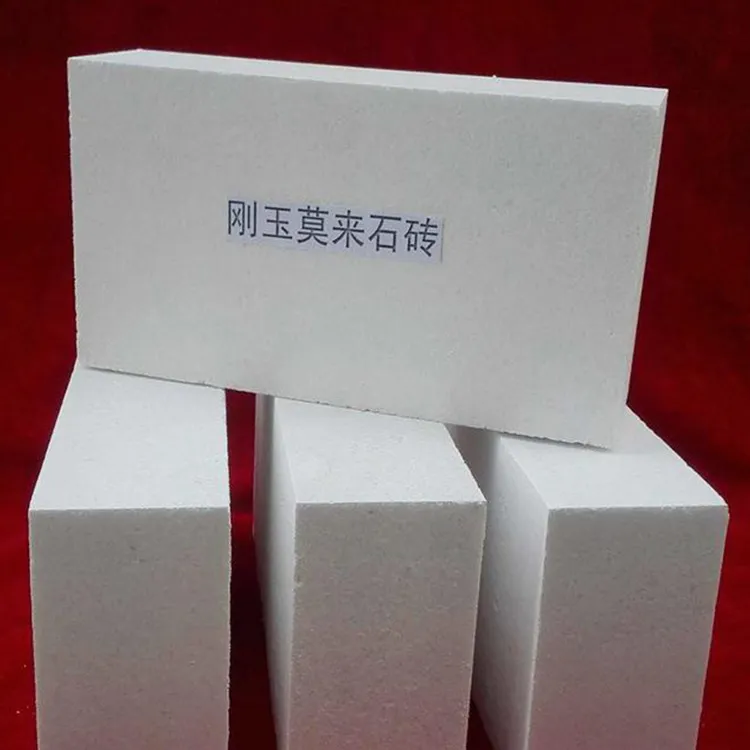
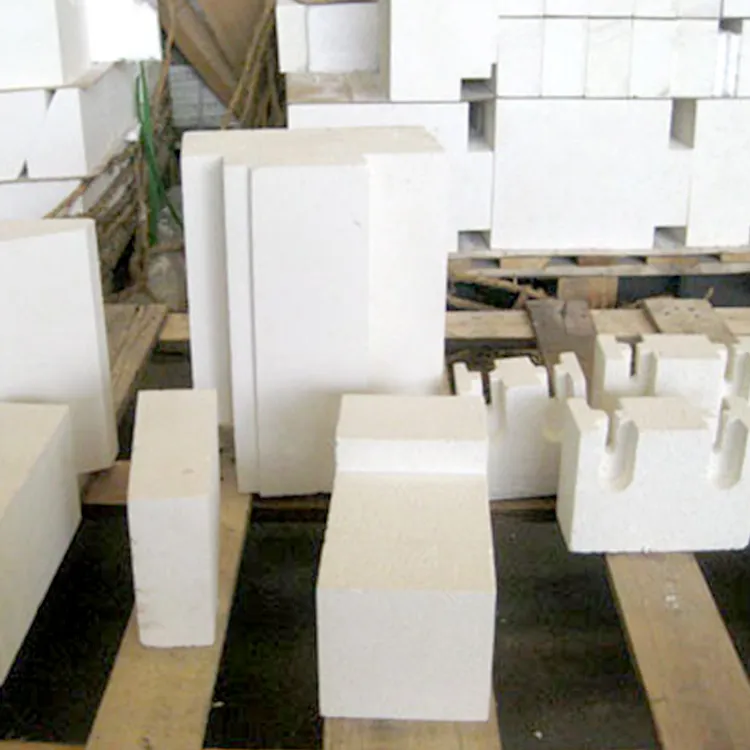
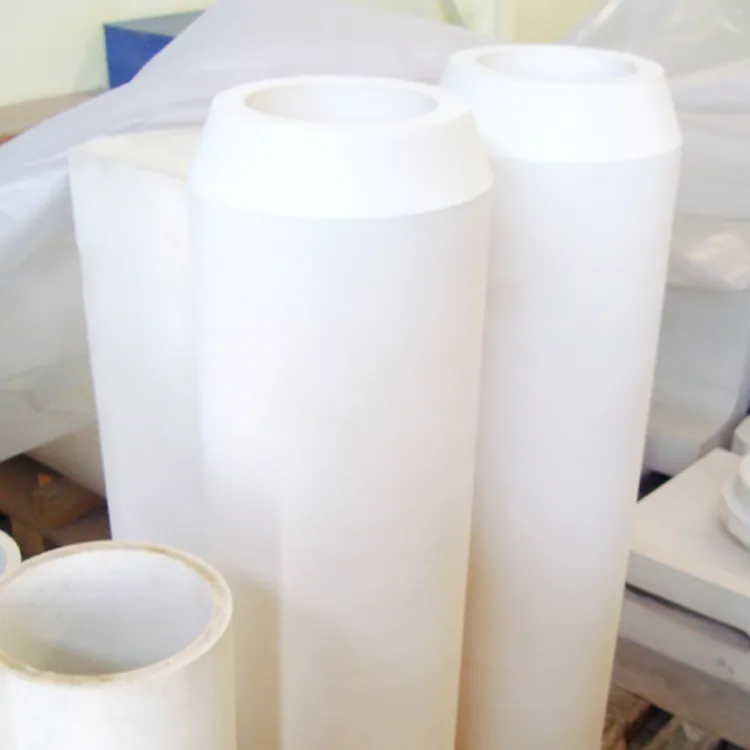
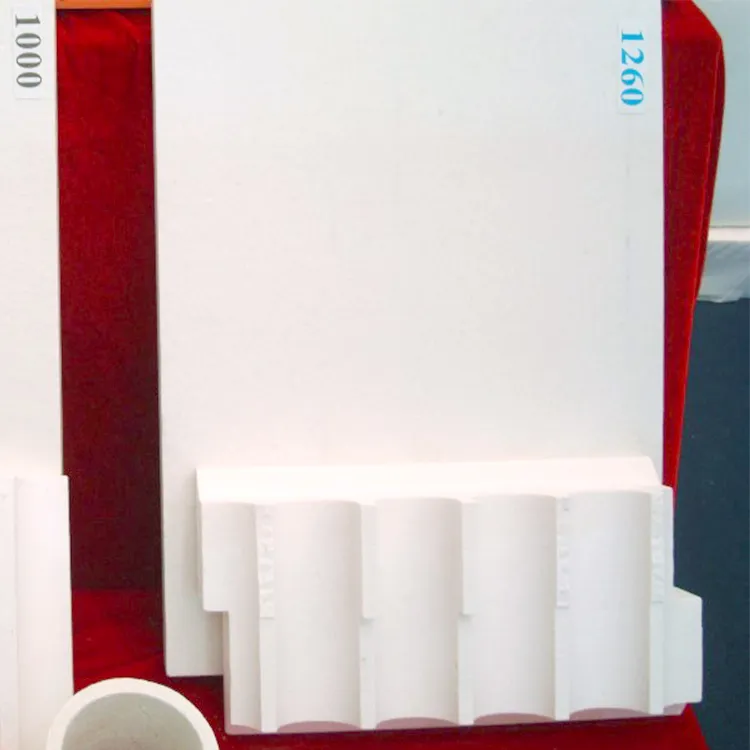
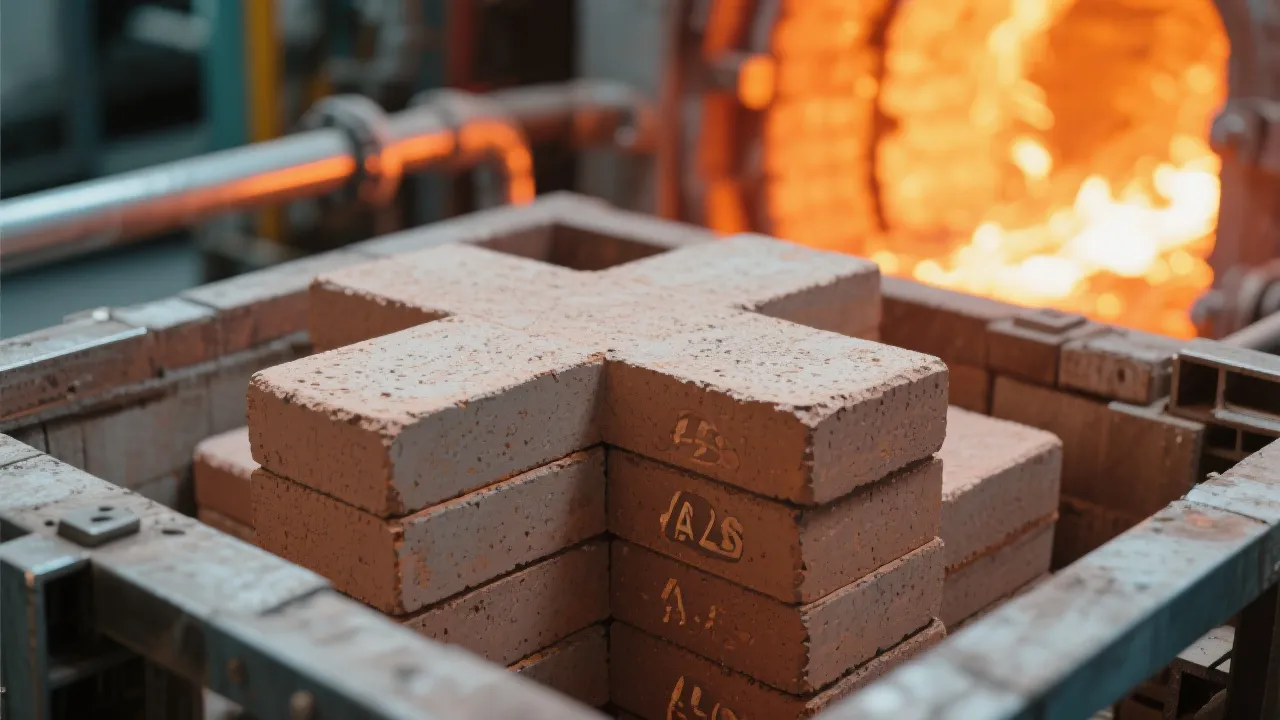
In the realm of high - temperature chemical reactors, the performance requirements for refractory materials are extremely stringent. Traditional magnesia bricks often fail due to insufficient thermal shock resistance. Zhengzhou Tianyang Refractory Materials Co., Ltd. has introduced ordinary magnesia - chromite bricks, which, through the silicate bonding process of sintered magnesia and refractory - grade chromite ore, significantly outperform traditional magnesia bricks in terms of high - temperature strength, slag resistance, and thermal shock resistance.
Performance Comparison with Traditional Magnesia Bricks
Let's first look at the key performance indicators. In terms of high - temperature strength, traditional magnesia bricks typically have a compressive strength of around 30 - 40 MPa at 1400°C. In contrast, the ordinary magnesia - chromite bricks from Zhengzhou Tianyang can reach a compressive strength of 60 - 70 MPa under the same conditions. This data clearly shows the superiority of magnesia - chromite bricks in high - temperature environments.
Regarding thermal shock resistance, traditional magnesia bricks usually start to crack after 10 - 15 thermal shock cycles between room temperature and 1100°C. However, the magnesia - chromite bricks can withstand more than 30 cycles without significant damage. The following table presents a more detailed comparison:
| Performance Indicator | Traditional Magnesia Bricks | Ordinary Magnesia - Chromite Bricks |
|---|---|---|
| High - Temperature Compressive Strength at 1400°C (MPa) | 30 - 40 | 60 - 70 |
| Thermal Shock Resistance (cycles between RT and 1100°C) | 10 - 15 | >30 |
| Anti - erosion Ability (weight loss after 100h in slag) | 15 - 20% | 5 - 8% |
Manufacturing Process Innovation
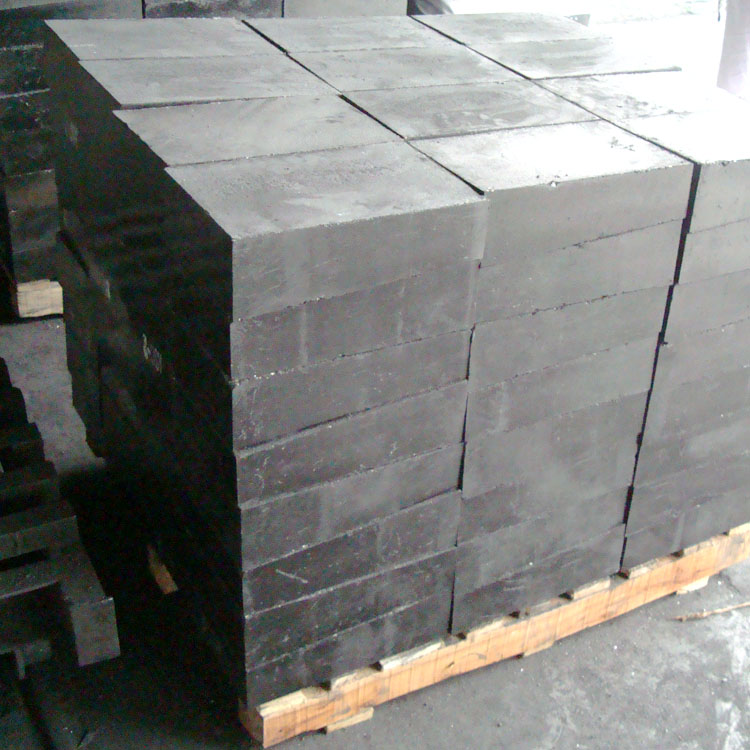
The innovative silicate bonding technology is the core of the magnesia - chromite bricks' excellent performance. This technology allows for a more stable chemical bond between the sintered magnesia and refractory - grade chromite ore. In extreme temperature - changing working conditions, this bond can effectively prevent the material from cracking and spalling, ensuring the structural integrity of the bricks. For example, in a high - temperature chemical reactor where the temperature fluctuates between 1000°C and 1600°C, the magnesia - chromite bricks can maintain their shape and performance, while traditional magnesia bricks may break down quickly.
International Market Feedback
These magnesia - chromite bricks have been widely used in international markets such as Southern Europe and the Middle East and have received high recognition from customers. One customer from a chemical plant in Italy said, "We have been using Zhengzhou Tianyang's magnesia - chromite bricks in our high - temperature reactors. They have significantly improved the service life of our equipment. Before, we had to replace the refractory materials every six months, but now we only need to replace them once a year, which greatly reduces our maintenance costs."
"We have been using Zhengzhou Tianyang's magnesia - chromite bricks in our high - temperature reactors. They have significantly improved the service life of our equipment. Before, we had to replace the refractory materials every six months, but now we only need to replace them once a year, which greatly reduces our maintenance costs." - A customer from Italy
Supply Chain and Service Assurance
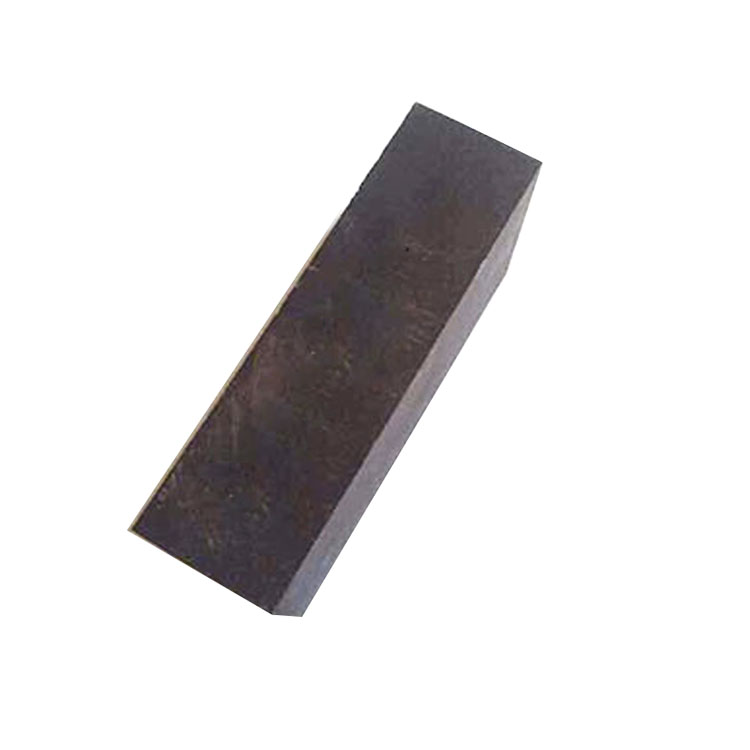
Zhengzhou Tianyang not only offers high - quality products but also has a reliable supply chain and service system. They ensure timely delivery of products and provide comprehensive after - sales service. Whether it is technical support or on - site installation guidance, they can meet the needs of customers.
In conclusion, if you are looking for high - performance refractory materials for your high - temperature chemical reactors, the ordinary magnesia - chromite bricks from Zhengzhou Tianyang Refractory Materials Co., Ltd. are an excellent choice. By choosing us, you will get reliable products and professional services. Click here to learn more about our magnesia - chromite bricks


.jpg?x-oss-process=image/resize,h_1000,m_lfit/format,webp)