Are you experiencing unexpected downtime or increased maintenance costs due to refractory brick failure in your chemical reactors? You're not alone — over 68% of industrial facilities report accelerated wear in traditional bricks when exposed to thermal cycling (source: Journal of Industrial Ceramics, 2023).
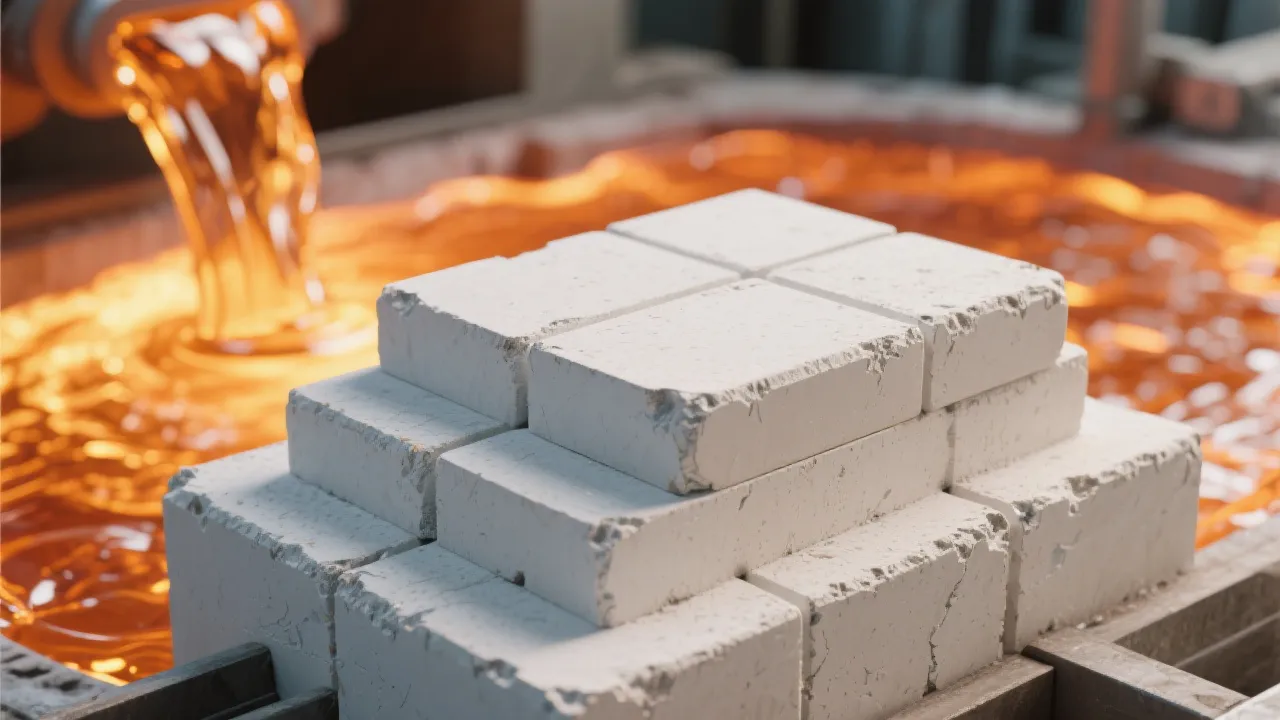
In high-temperature processes like catalytic cracking or gasification, repeated heating and cooling cause microcracks to propagate rapidly in standard alumina-silica bricks. These cracks lead to spalling, erosion, and eventual structural collapse — often within 6–12 months under severe conditions.
Real-world example: A petrochemical plant in Saudi Arabia reported a 40% increase in unplanned shutdowns after switching to lower-cost refractories. The root cause? Poor resistance to thermal shock — not material quality, but poor design-for-application selection.
“We switched to magnesium-chrome bricks from Zhengzhou Tianyang Refractories — and saw our average service life jump from 9 months to over 22 months in the same reactor.”
- Dr. Ahmed Hassan, Senior Process Engineer, Middle East Petrochemical Co.
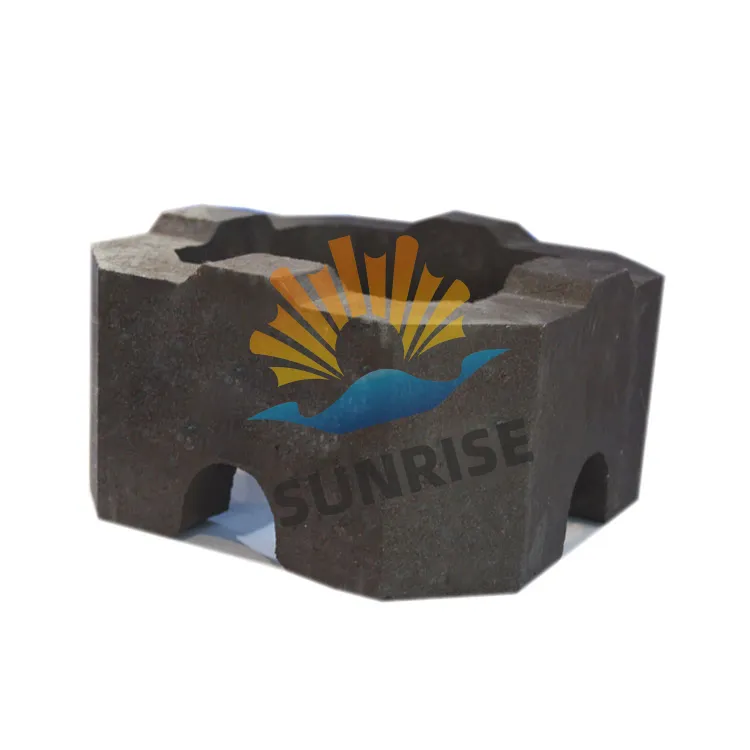
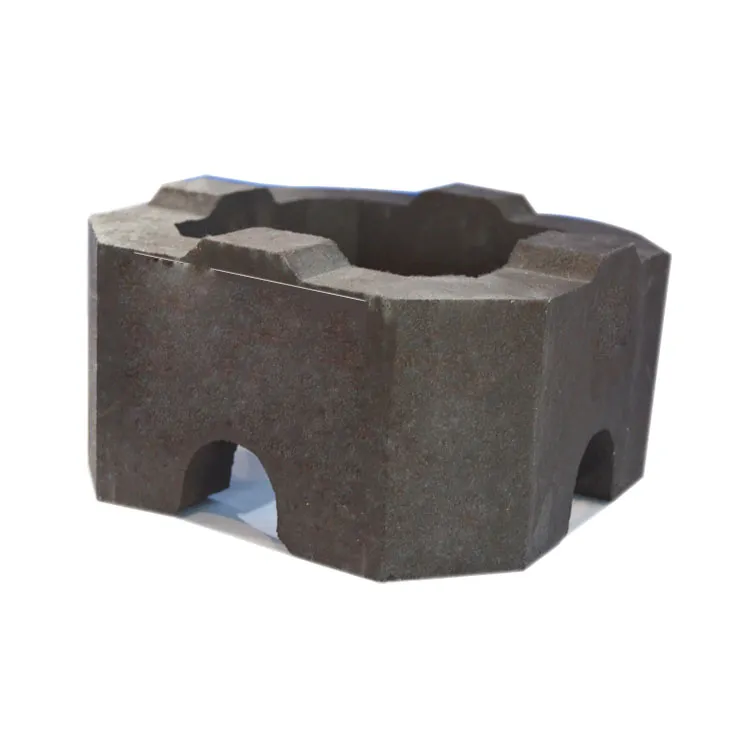
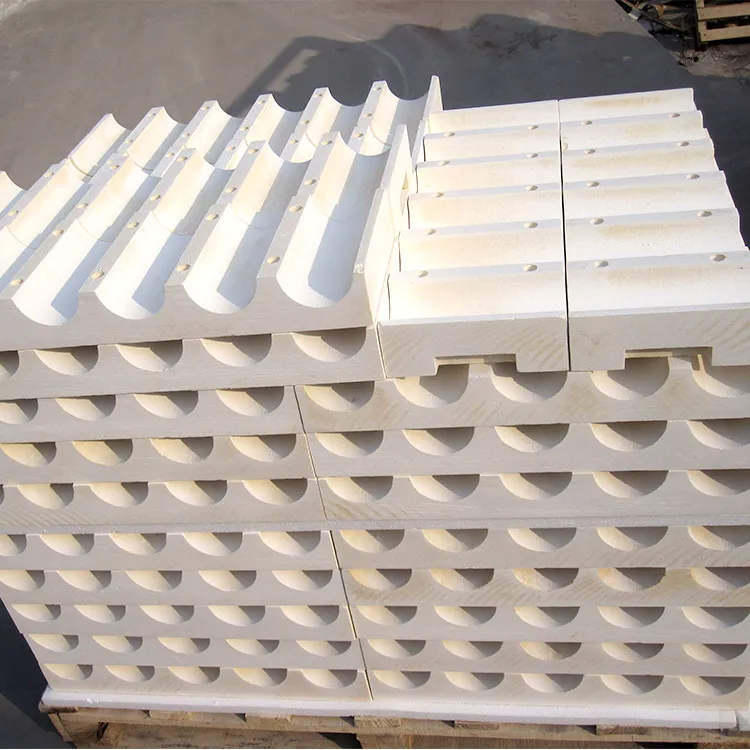
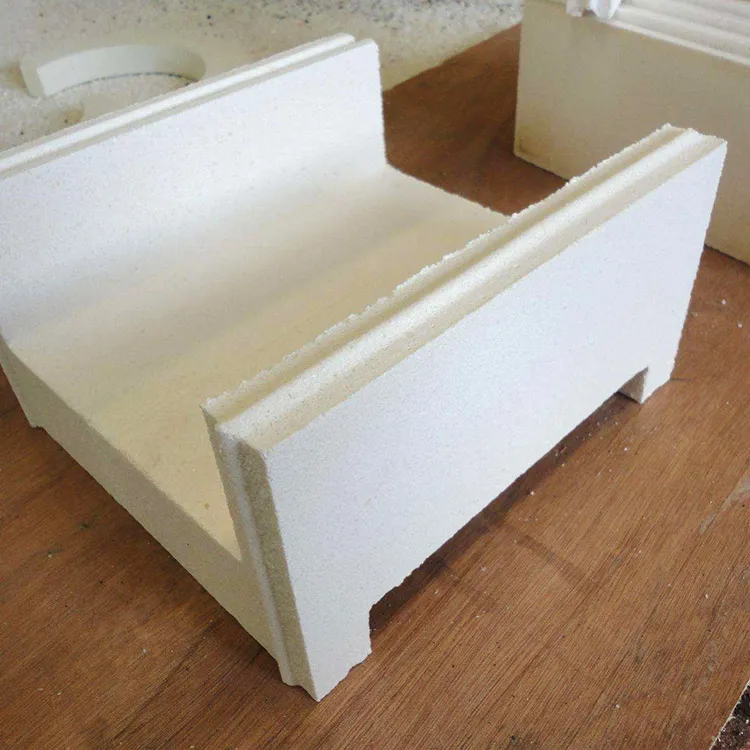
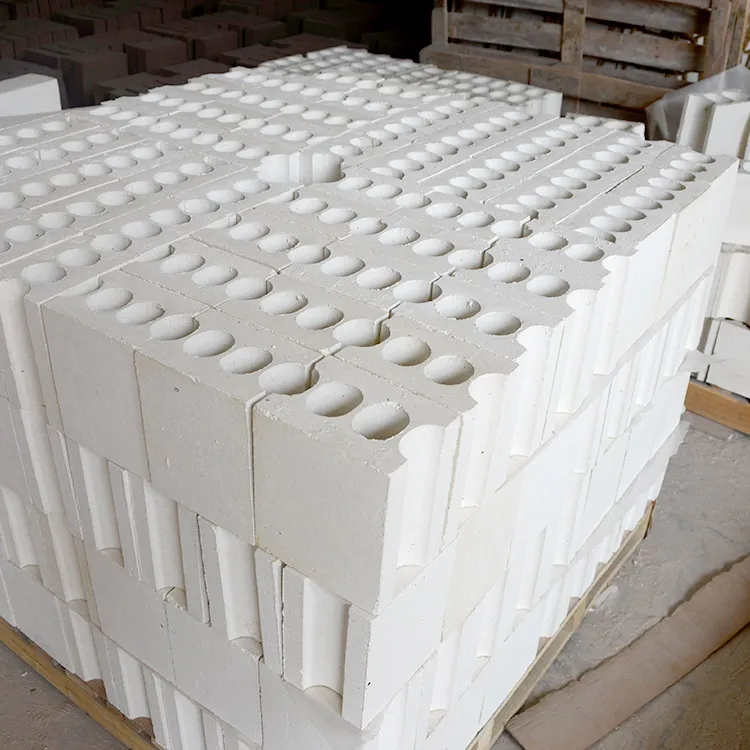
Tianyang’s corrosion-resistant magnesium-chrome brick uses a silicon-bonded matrix that forms a dense interlocking network during sintering. This structure reduces crack propagation by up to 57% compared to conventional MgO-Cr₂O₃ bricks (based on ASTM C1287 heat cycle testing at 1200°C → 200°C).
Key benefits include:
Even the best material fails if installed incorrectly. Common mistakes include:
Follow these steps for optimal performance:
Don’t wait until failure. Monitor these indicators:
If you’re facing recurring issues in your reactors — especially in harsh environments like those found in South Europe or the UAE — consider re-evaluating your refractory strategy. Tianyang has successfully supported projects across 12 countries with similar challenges, including continuous operation in furnaces reaching 1450°C.
Get our free technical guide: “Refractory Selection Checklist for Chemical Reactors” — tailored for engineers working in fluctuating thermal environments.
Download Now →