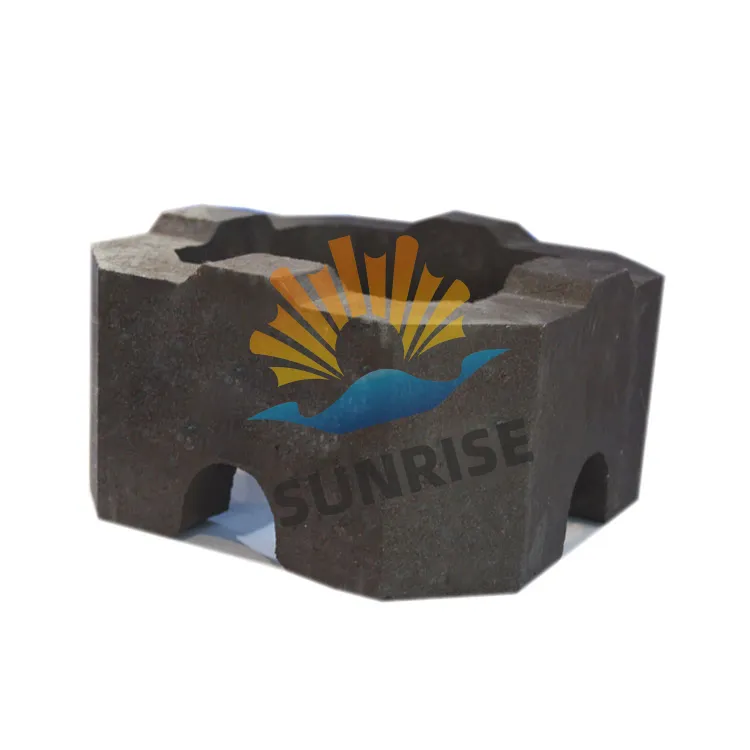
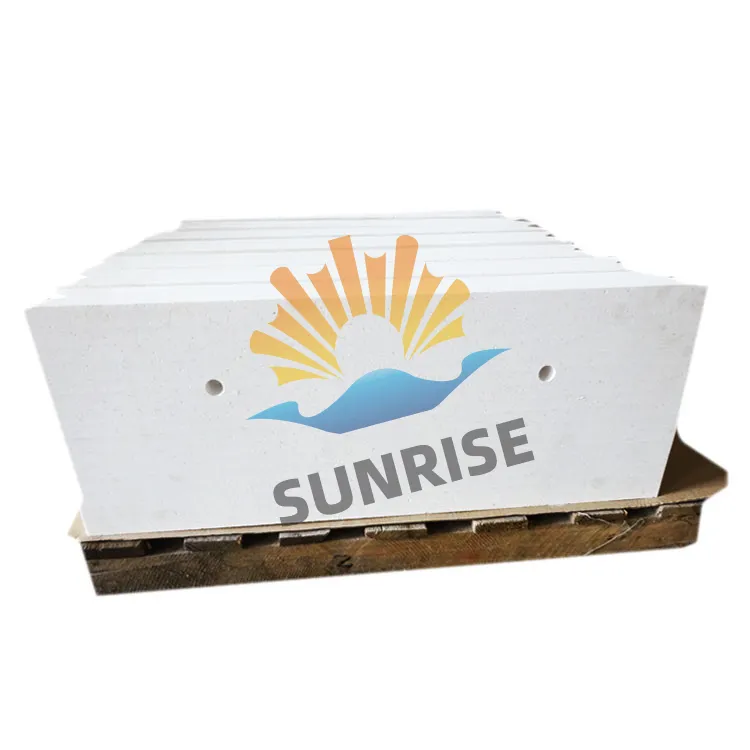
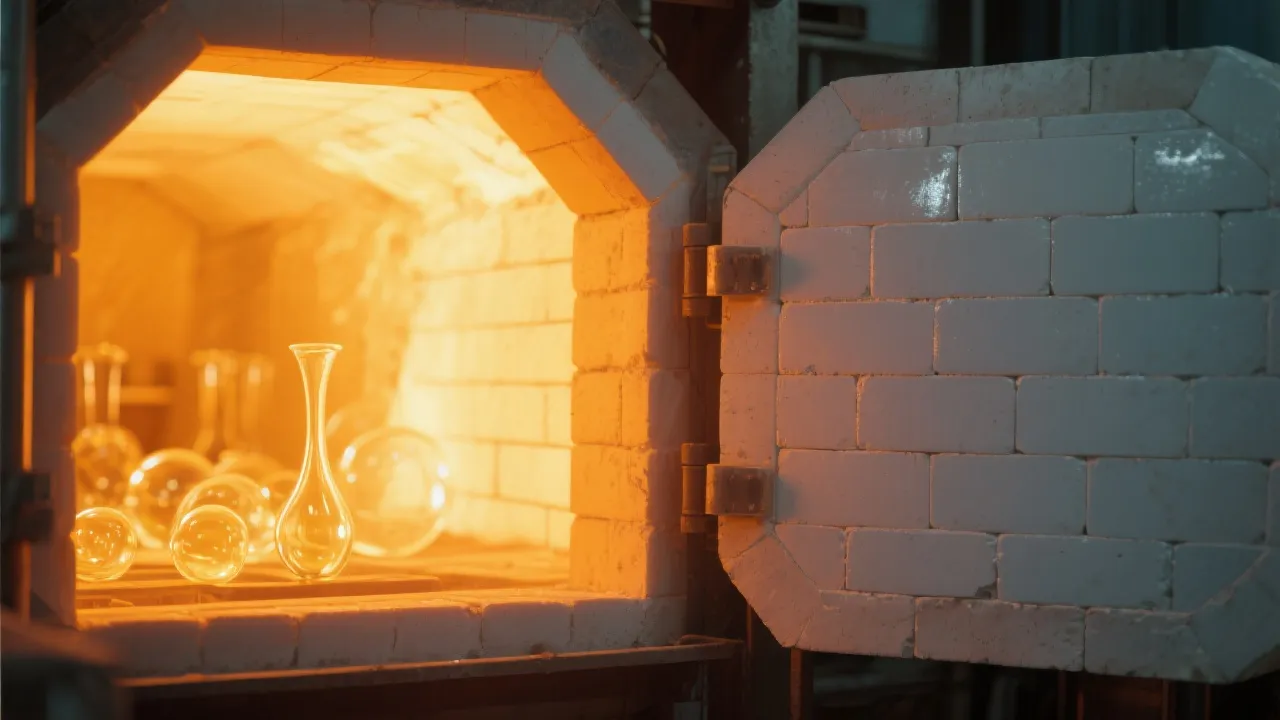
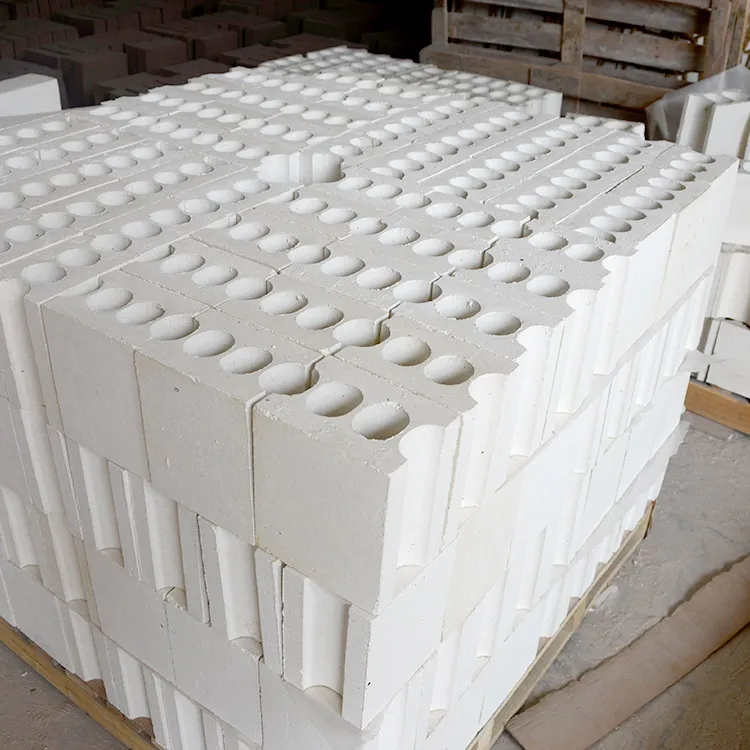
In the demanding environment of chemical reactors, where temperature fluctuations can exceed 500°C within minutes, selecting refractory materials that maintain structural integrity is critical. Among these, refractory-grade magnesium-chrome bricks have proven their worth—not just through empirical use, but via measurable thermal shock performance backed by lab testing and real-world data.
These bricks are not simply a mix of magnesia and chrome ore—they’re engineered through controlled sintering and silicon-based bonding mechanisms. During firing at temperatures between 1600–1700°C, a network of silicate phases forms between MgO and Cr₂O₃ particles, creating a dense, interlocking microstructure. This results in:
A case study from a European petrochemical plant operating a fluidized bed reactor showed that magnesium-chrome bricks installed in the upper zone (avg. temp: 950°C) lasted 28 months before replacement—outperforming standard zirconia-alumina bricks by 40%. Key factors included:
| Reactor Zone | Avg Temp (°C) | Lifespan (months) | Failure Mode |
|---|---|---|---|
| Upper Chamber | 950 | 28 | Minor surface scaling |
| Middle Section | 750 | 36 | No failure observed |
| Bottom Zone | 600 | 42 | Minimal erosion |
This consistent performance across varying thermal gradients highlights why engineers increasingly rely on silicon-bonded magnesium-chrome bricks—not as a generic choice, but as a calculated one based on material science and operational data.
Download our free guide: “Best Practices for Evaluating Refractory Materials Under Dynamic Thermal Loads” — trusted by R&D teams in over 30 countries.
Get the Guide NowProper installation and maintenance further extend service life. For example, installing bricks with minimal mortar gaps (<0.5 mm) reduces stress concentration points, while regular inspections every 6 months help detect early signs of thermal fatigue or chemical attack.
Whether you're an engineer evaluating options or a procurement manager seeking reliable suppliers, understanding how magnesium-chrome bricks perform under real conditions empowers smarter decisions—and fewer unplanned shutdowns.