

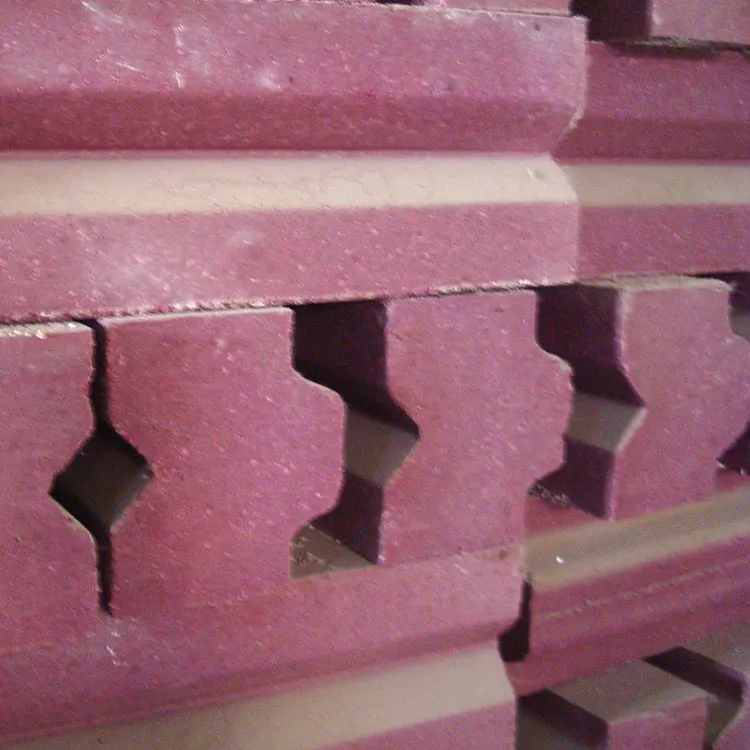
In high-temperature chemical processing environments, where thermal cycling can exceed 300 cycles per day, the selection of refractory materials is no longer a matter of preference—it’s a critical engineering decision. At郑州天阳耐火材料有限公司 (Zhengzhou Tianyang Refractories), our standard magnesia-chrome bricks are engineered not just to withstand extreme heat but to maintain structural integrity under repeated thermal shock.
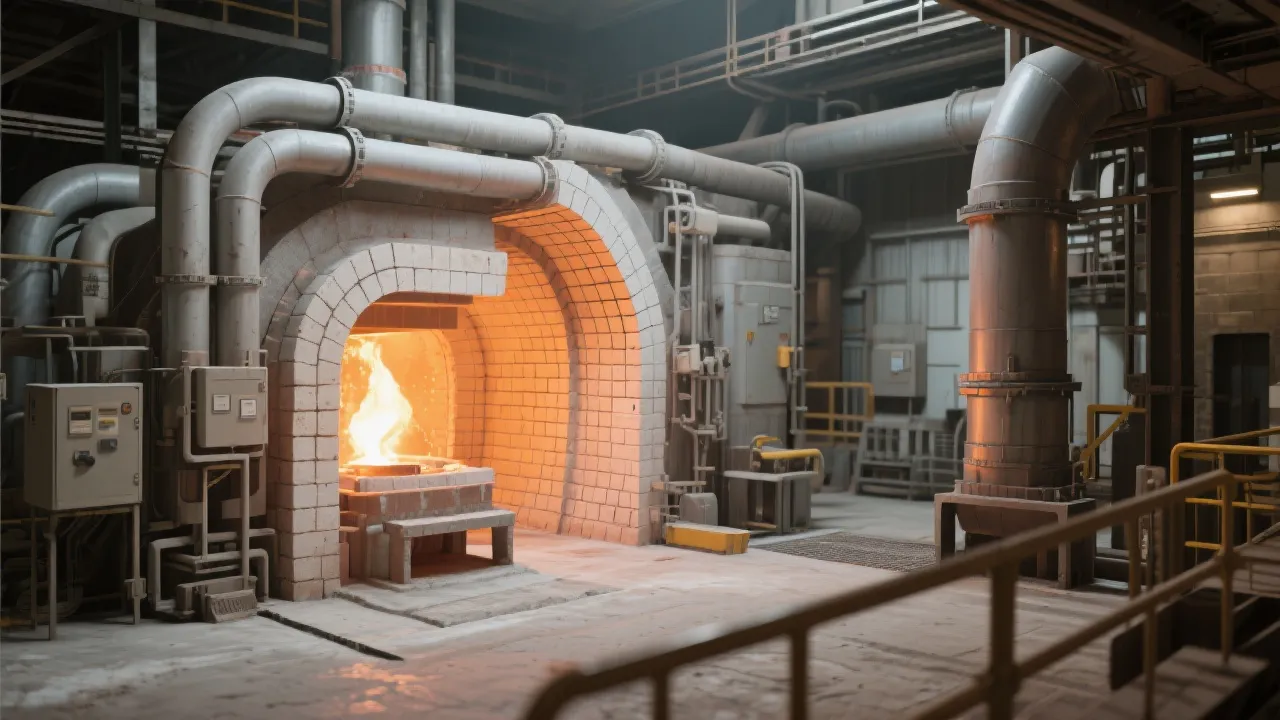
Our proprietary sintering process creates a microstructure where silicon dioxide forms a continuous network binding magnesia and chrome particles. This silicate bonding mechanism increases flexural strength by up to 28% compared to conventional formulations, as validated through ASTM C1339 testing. In real-world applications—such as in fluidized bed reactors operating at 1,250–1,450°C—the bricks exhibit minimal crack propagation after 150 rapid heating/cooling cycles (ΔT = ±200°C).
What makes this performance stand out? It's not just chemistry—it’s design. The optimized grain size distribution ensures better stress dissipation during thermal expansion, reducing internal strain that leads to spalling. Field data from a petrochemical plant in Saudi Arabia shows a 40% reduction in unplanned shutdowns after switching to our brick system, proving long-term durability isn’t theoretical—it’s measurable.
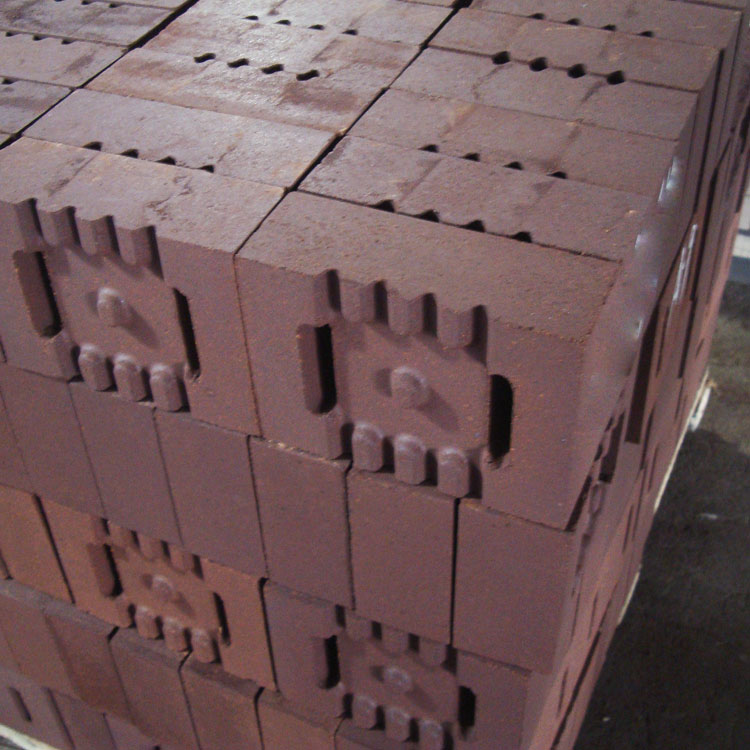
Engineers often overlook one key metric: thermal shock resistance index (TSRI). Our bricks consistently achieve TSRI values above 7.5 (based on ISO 18892), which means they remain intact even when exposed to sudden temperature shifts common in catalytic cracking units or waste incineration systems. For procurement teams, this translates into lower lifecycle costs—not just upfront material savings.
Installation best practices matter too. We recommend using a low-cement refractory mortar with controlled hydration time (<5 minutes) to avoid excessive shrinkage. Maintenance tips include regular infrared thermography checks every 3 months to detect early signs of hot spots—a proactive step that can extend brick life by up to 18 months.
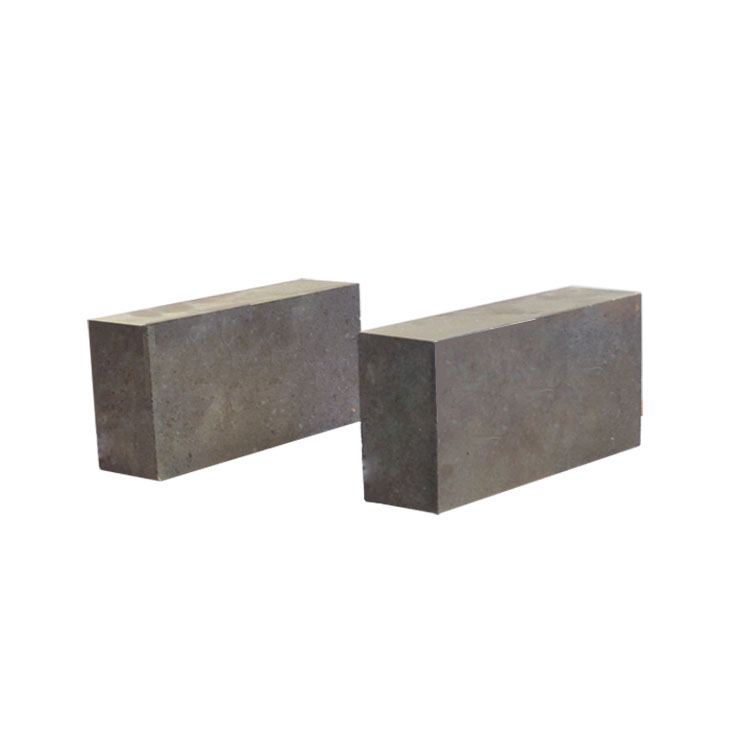
Whether you're specifying materials for a new reactor or optimizing an existing one, understanding how these bricks perform under actual industrial conditions is essential. That’s why we don’t just provide specs—we offer insights grounded in real-world validation.
Download our comprehensive technical manual with detailed test reports, installation guidelines, and case studies from global clients—including those in Europe, the Middle East, and Southeast Asia.
Get the Full Technical Manual


.jpg?x-oss-process=image/resize,h_1000,m_lfit/format,webp)

.jpg?x-oss-process=image/resize,h_1000,m_lfit/format,webp)



.jpg?x-oss-process=image/resize,h_1000,m_lfit/format,webp)

