In the demanding environment of high-temperature chemical processing, the choice of refractory materials directly impacts operational efficiency, safety, and maintenance costs. For decades, traditional magnesia bricks have been the go-to solution, but recent advancements have positioned magnesium-chrome bricks as a superior alternative for critical applications. This article explores how Sunrise's magnesium-chrome bricks deliver exceptional corrosion resistance and thermal shock stability compared to conventional options, backed by real-world applications across diverse global markets.
Chemical reactors operating at temperatures exceeding 1600°C face a triple threat: extreme heat, aggressive chemical attack, and constant thermal cycling. Traditional magnesia bricks typically fail within 6-12 months in such environments, primarily due to:
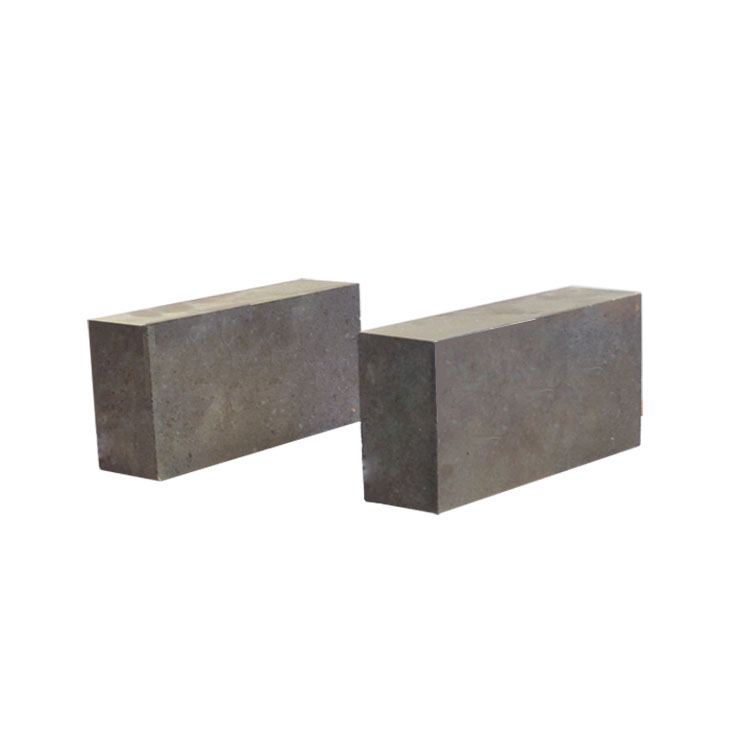
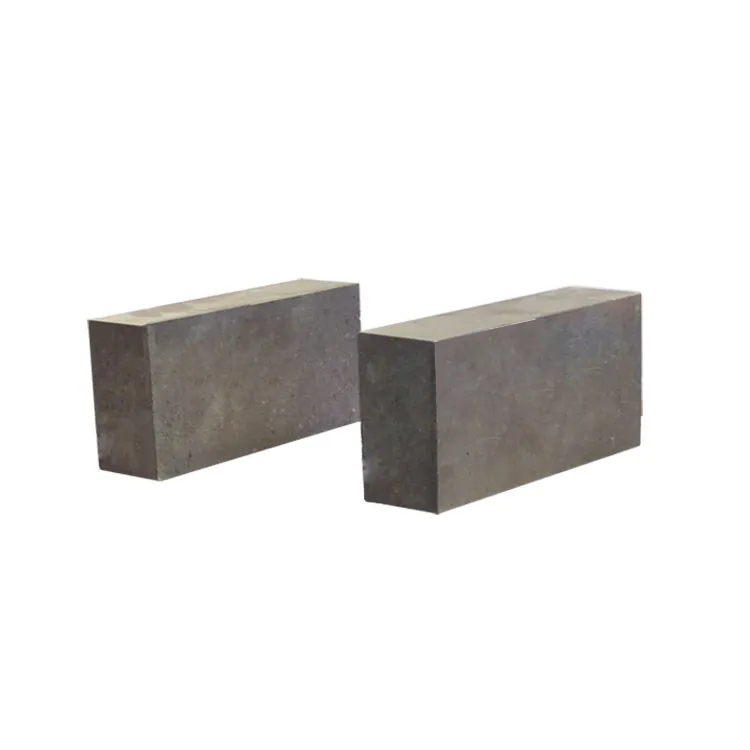
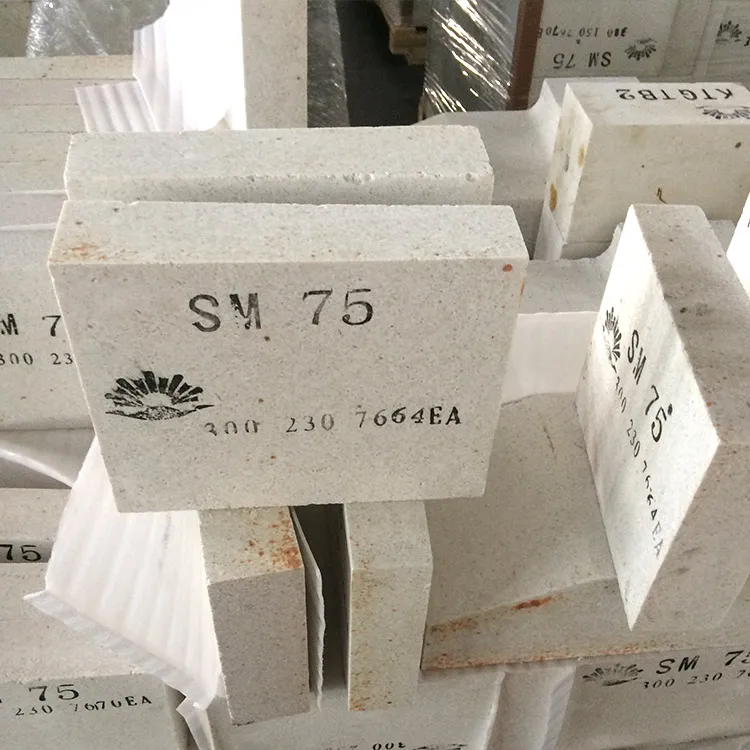
Sunrise's magnesium-chrome bricks are engineered through a proprietary manufacturing process that combines high-purity magnesia (96%+) with carefully selected chromite components. The result is a microstructure with exceptional density (3.0-3.2 g/cm³) and minimal porosity (<16%), creating a formidable barrier against chemical penetration.
| Property | Traditional Magnesia Bricks | Sunrise Magnesium-Chrome Bricks | Improvement |
|---|---|---|---|
| Corrosion Resistance (ASTM C769) | Moderate | Excellent | +40-60% |
| Thermal Shock Resistance (1100°C water quench) | 15-20 cycles | 35-45 cycles | +130-160% |
| Compressive Strength (MPa) | 80-100 | 120-140 | +50% |
| Service Life in Chemical Reactors | 6-12 months | 18-24 months | +150-200% |
Sunrise's magnesium-chrome bricks have demonstrated consistent performance in diverse industrial environments worldwide, solving unique challenges across different regions:
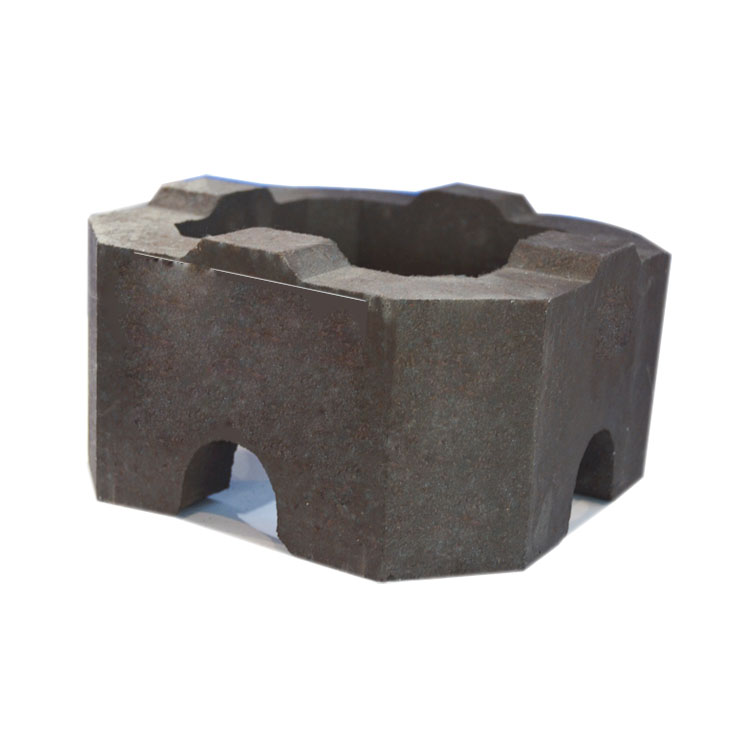
In a Spanish petrochemical plant processing heavy crude, Sunrise bricks replaced traditional magnesia bricks in the reformer reactors, extending maintenance intervals from 8 months to 22 months, resulting in $420,000 annual savings from reduced downtime.
A major fertilizer producer in Saudi Arabia reported 67% less brick degradation after switching to Sunrise magnesium-chrome bricks in their ammonia synthesis reactors, operating at 1750°C with high hydrogen content.
In a Thai sulfuric acid plant, Sunrise bricks withstood aggressive sulfate environments that had previously required monthly maintenance, reducing shutdowns by 85% in the first year of installation.
A Mexican refinery utilizing heavy oil feedstock documented a 40% reduction in refractory consumption after implementing Sunrise's magnesium-chrome solution in their coker units.
"The switch to Sunrise magnesium-chrome bricks has been transformative for our chemical processing line. We've eliminated unplanned shutdowns and reduced our annual refractory costs by approximately 35% while improving safety margins."
— Chief Engineer, European Chemical Group
What truly distinguishes Sunrise in the high-temperature refractory market is our commitment to complete customer success. Our service package includes:
Download our comprehensive technical guide: "Selecting Refractories for Extreme Chemical Environments"
Get Your Free Technical AssessmentChemical processing facilities worldwide are discovering that the initial investment in premium refractory materials like Sunrise magnesium-chrome bricks delivers substantial returns through extended service life, reduced downtime, and improved operational safety. As regulations become more stringent and production demands increase, the choice of refractory material becomes not just a technical decision, but a strategic business investment.
Our team of refractory specialists works closely with clients to understand their specific operating conditions and develop tailored solutions that maximize performance while optimizing costs. Whether you're processing acids, petrochemicals, fertilizers, or other aggressive materials, the right refractory solution can transform your operations.





.jpg?x-oss-process=image/resize,h_1000,m_lfit/format,webp)