Advantages and Failure Prevention Strategies of Magnesium-Chrome Refractories in Chemical Reactors
25 01,2026
Application Tutorial
This article explores the superior performance of magnesium-chrome refractory materials in high-temperature chemical reactors, emphasizing their exceptional corrosion resistance, erosion resistance, and thermal shock stability. By analyzing the microstructure and manufacturing principles of sintered magnesia-chrome composites—compared to traditional magnesia bricks—it demonstrates how proper material selection and maintenance can significantly extend reactor lining life and reduce operational costs. Real-world case studies illustrate practical implementation strategies for achieving safer, more efficient chemical processing operations. Ideal for engineers, procurement specialists, and plant managers seeking data-driven insights into refractory optimization.

Why Magnesium-Chrome Refractories Are the Smart Choice for High-Temperature Chemical Reactors
In chemical processing plants, reactor lining failure isn’t just a maintenance headache—it’s a safety risk, production stoppage, and costly downtime. That’s why engineers and procurement managers are increasingly turning to magnesium-chrome (Mg-Cr) refractory bricks—not as a last resort, but as a strategic upgrade.
The Core Advantage: Corrosion Resistance Meets Thermal Shock Stability
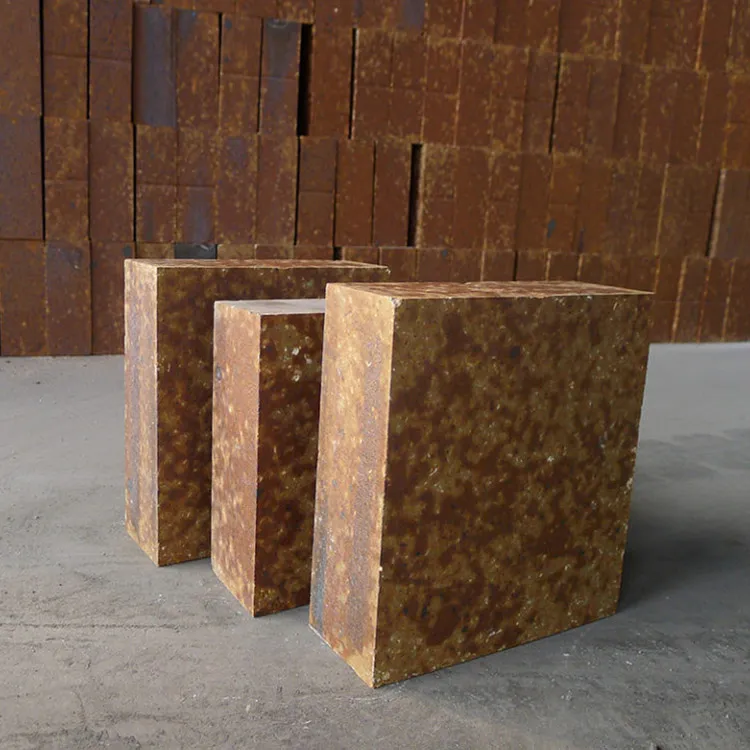
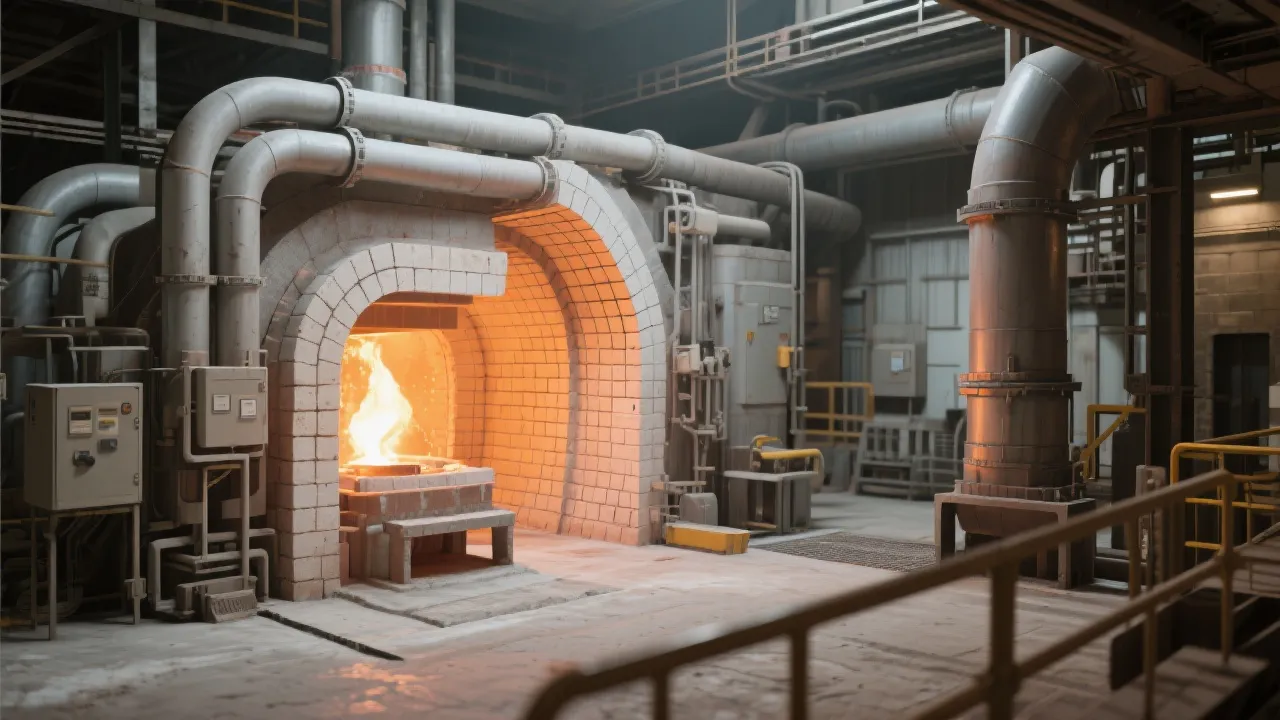
Unlike traditional magnesia bricks that degrade under aggressive molten slag or fluctuating temperatures, Mg-Cr composites offer superior performance in extreme conditions. For example, in ammonia synthesis reactors operating at 800–1000°C, Mg-Cr bricks show a 40% longer service life compared to basic magnesia bricks, according to a 2022 study by the International Journal of Refractories.
Key reasons? The microstructure of these bricks—formed through sintered magnesia and high-purity chrome ore—creates a dense, chemically stable matrix that resists both acidic and basic slags common in petrochemical and fertilizer industries.
Real-World Performance: Case Study from a Major Petrochemical Plant
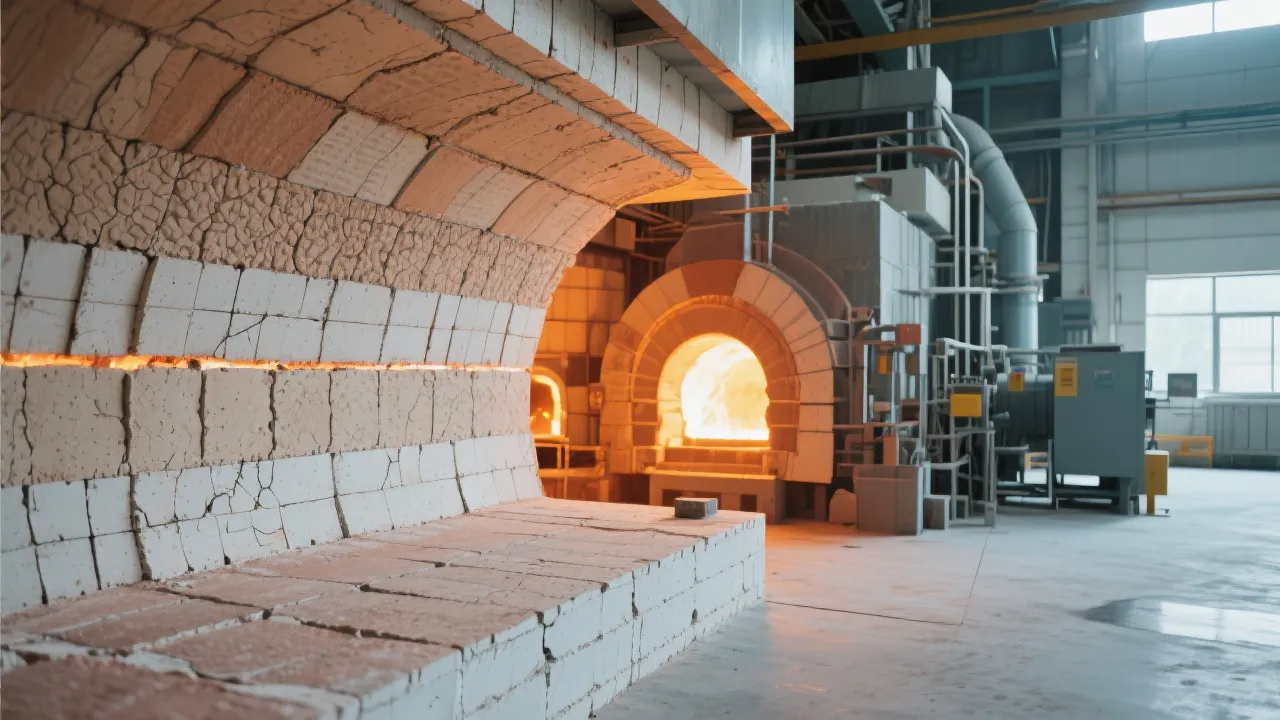
A leading Middle Eastern refinery replaced its aging magnesia linings with custom-designed Mg-Cr bricks in two sulfuric acid reactors. Within six months, they observed:
- 25% reduction in unplanned shutdowns
- 18% lower annual refractory replacement costs
- Improved heat retention efficiency due to reduced thermal conductivity variation over time
This case proves that proper material selection directly impacts operational uptime—and bottom-line profitability.
How to Avoid Common Failures: Maintenance Tips from Field Experts
Even the best materials fail if not installed or maintained correctly. Here are three critical practices:
- Pre-heating protocol: Always follow manufacturer guidelines for slow heating (≤100°C/hour) to prevent spalling from trapped moisture.
- Regular inspection intervals: Schedule visual inspections every 3 months during high-load operations using infrared thermography to detect early hot spots.
- Grouting quality: Use low-cement refractory mortar (<5% cement content) to minimize shrinkage cracks—this alone can extend lining life by up to 12 months.
These steps may seem minor, but they’re often what separates a 5-year lifespan from a 2-year one.
Don't wait until your next reactor failure to rethink your refractory strategy.









.jpg?x-oss-process=image/resize,h_1000,m_lfit/format,webp)


