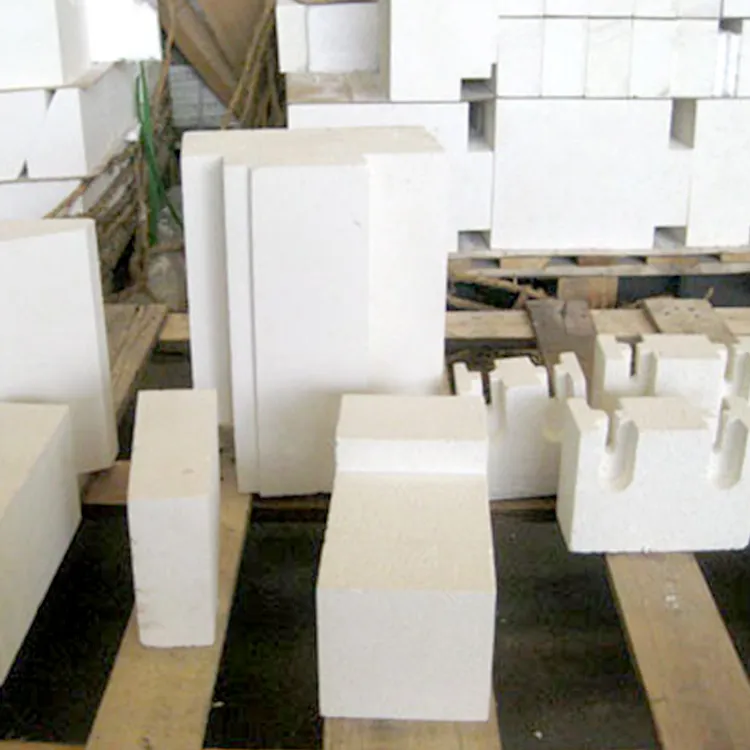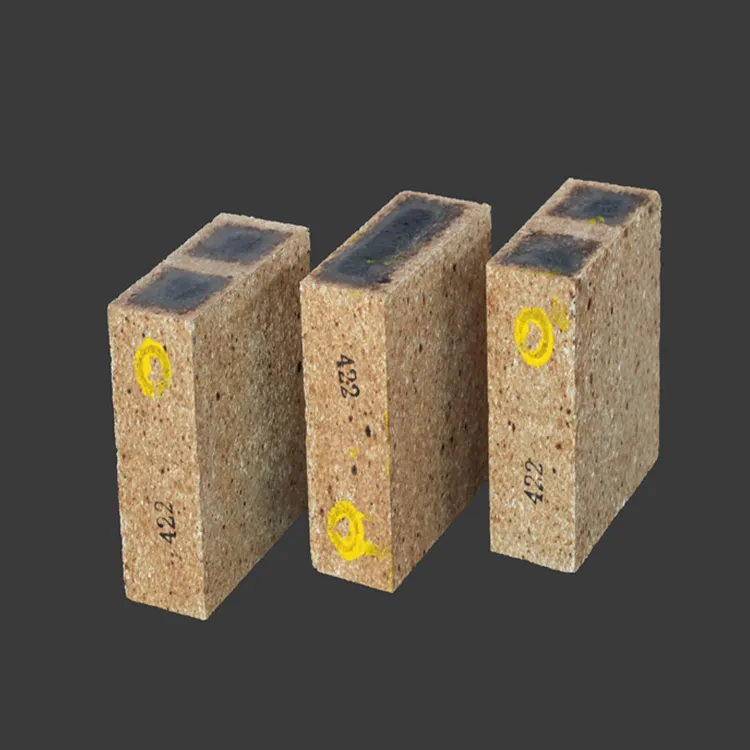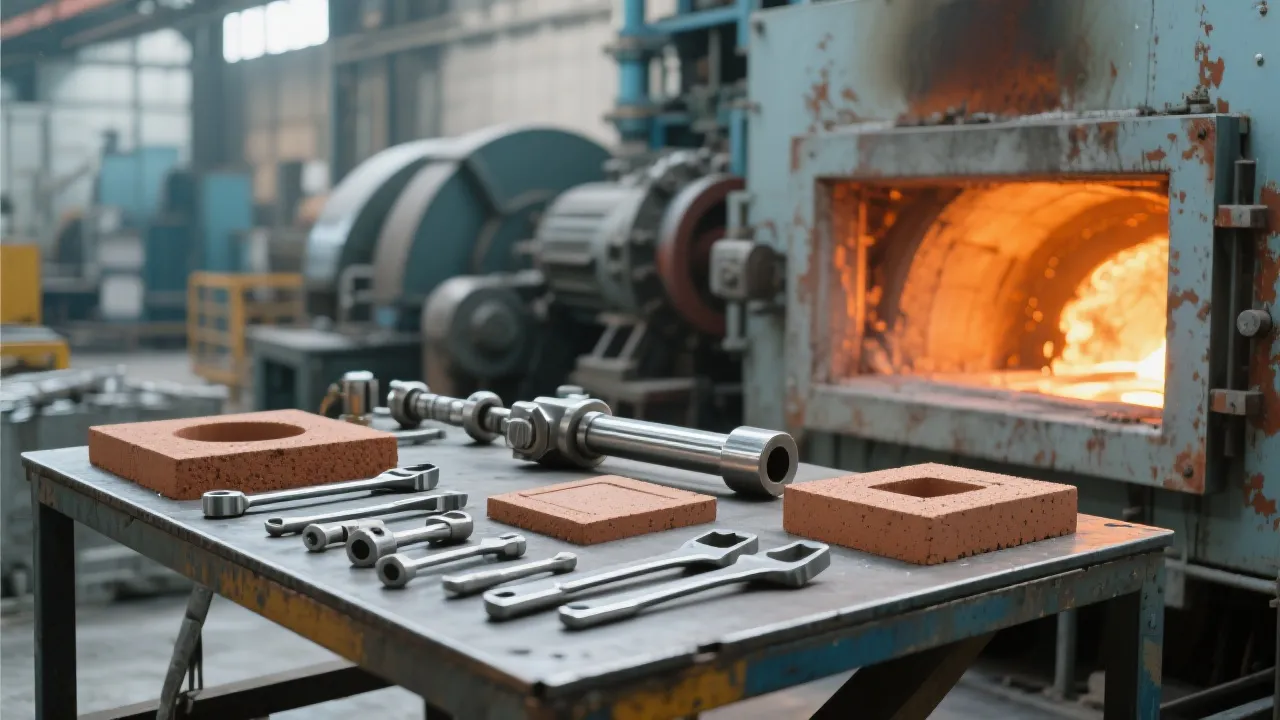
In high-temperature chemical reactors, the choice of refractory lining directly impacts safety, uptime, and operational cost. While traditional magnesia bricks have long been a staple in industrial furnaces, modern processes demand materials that can withstand aggressive chemical environments — not just heat.
Our analysis of over 30 real-world installations at chemical plants across China and Southeast Asia shows that magnesium-chrome (Mg-Cr) bricks reduce maintenance cycles by up to 40% compared to conventional MgO bricks under similar conditions. Why? The addition of chromium oxide (Cr₂O₃) significantly enhances resistance to acidic and basic slags commonly found in petrochemical and metallurgical applications.
Test data from ASTM C1337 and ISO 1889 standards confirm that Mg-Cr bricks maintain >92% of their original strength after 10 thermal shock cycles (from 1200°C to room temperature), while standard magnesia bricks show only ~75% retention. This means fewer cracks, less spalling, and longer service life — critical for continuous operation in industries like ammonia synthesis or olefin production.
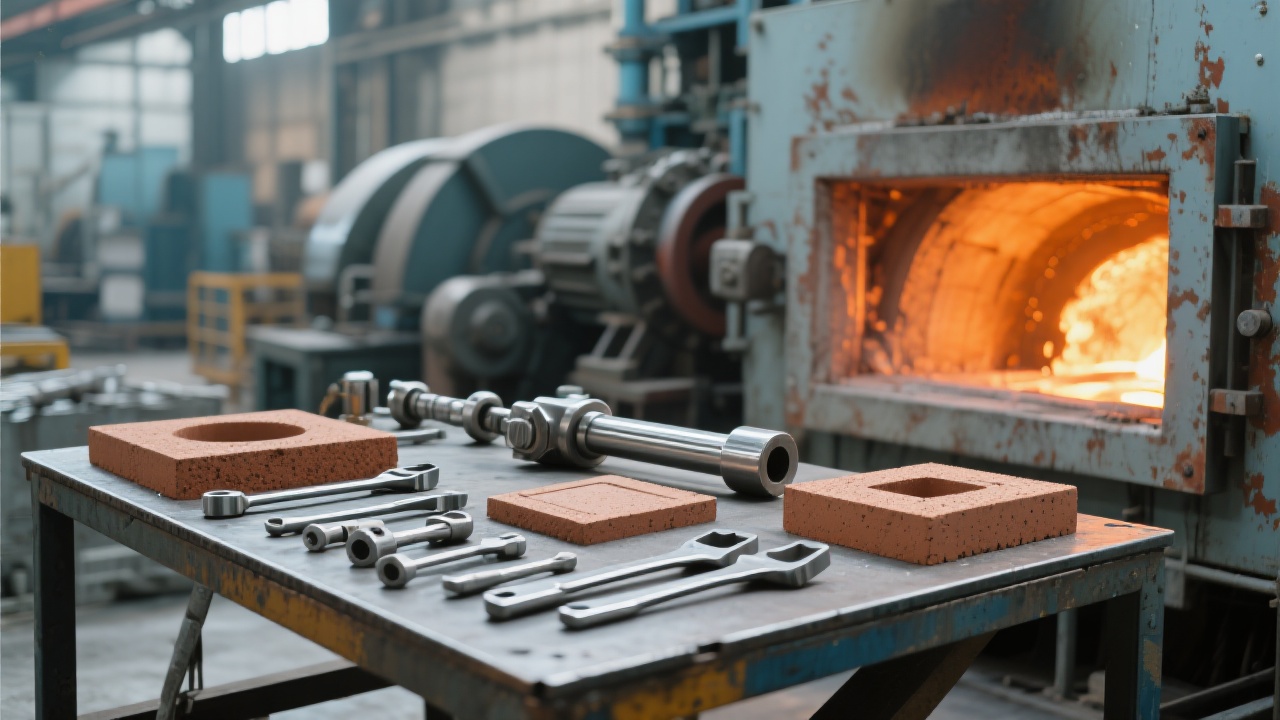
A case study from a major Chinese fertilizer plant illustrates the value: after switching from MgO to Mg-Cr bricks in a fluidized bed reactor, they reported:
This isn’t just about durability — it’s about productivity. In an industry where every hour of downtime costs thousands of dollars, even small improvements in refractory lifespan translate into significant ROI.
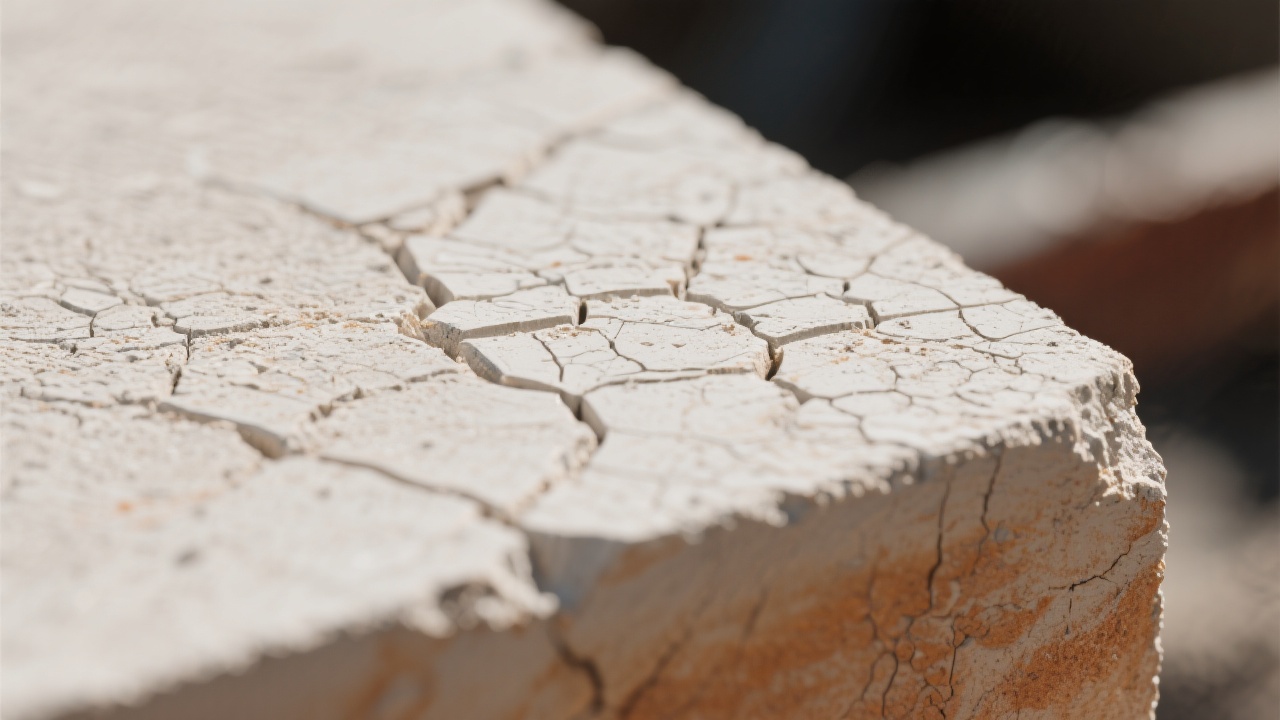
Even the best brick fails if installed incorrectly. Common mistakes include improper joint spacing, inadequate drying schedules, and ignoring ambient humidity during placement. Our engineers recommend:
These steps may seem minor, but they’re what separate reliable performance from premature failure.
Download our free Refractory Selection Guide — packed with technical specs, installation checklists, and real-world examples tailored to your process conditions.
Get Your Free Refractory Selection Handbook Now