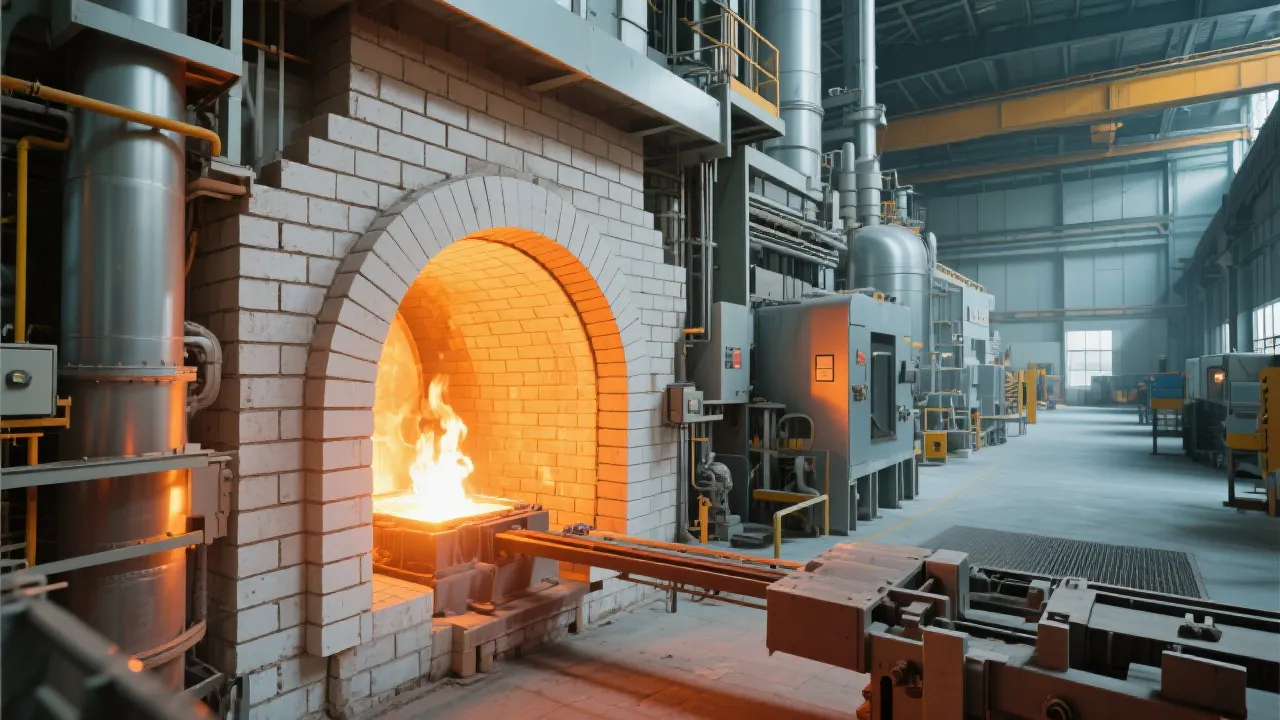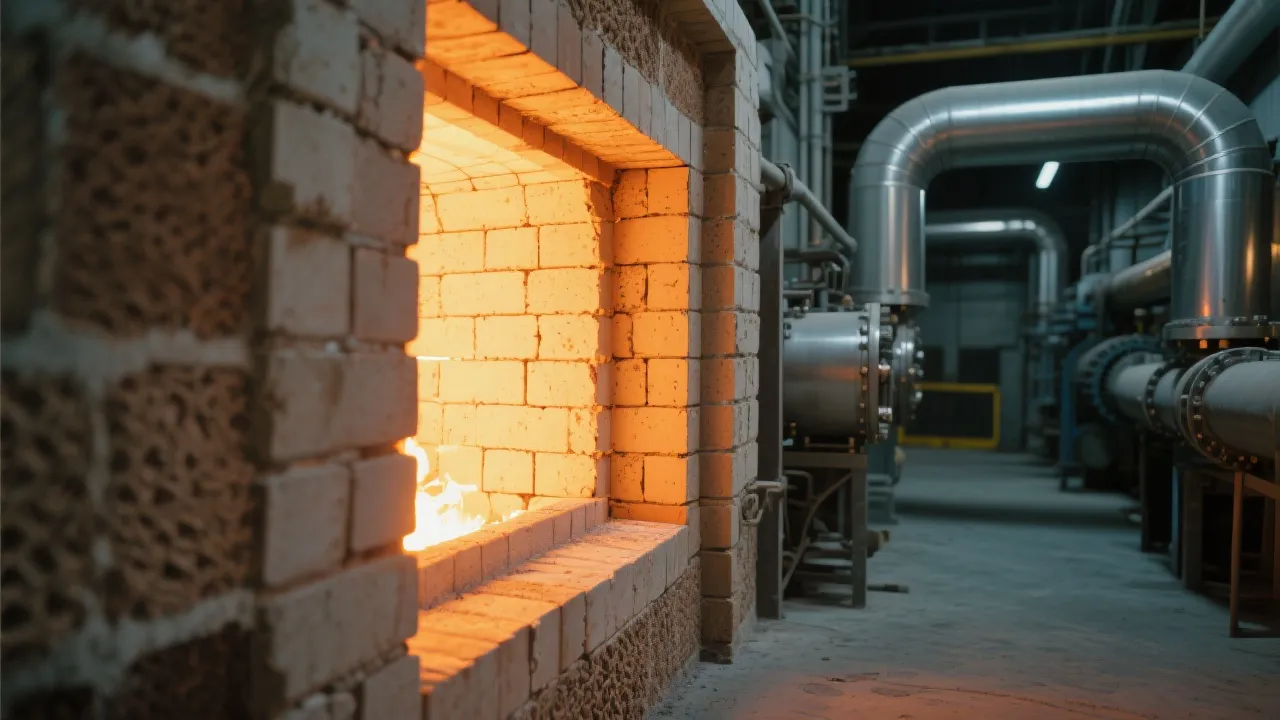
Chemical processing plants operating under extreme temperature conditions face significant challenges in maintaining equipment integrity. Among the critical components ensuring operational stability are refractory materials, with magnesium-chrome bricks emerging as a preferred solution for high-temperature chemical reactors. This technical analysis explores the thermal shock resistance mechanisms, material composition, and selection criteria that engineers and procurement professionals should consider when specifying refractory solutions.
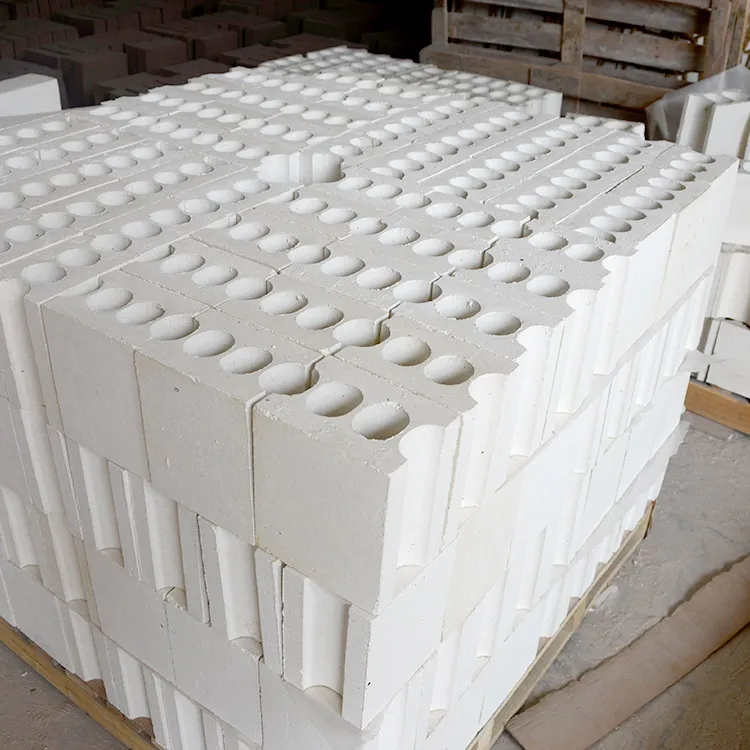
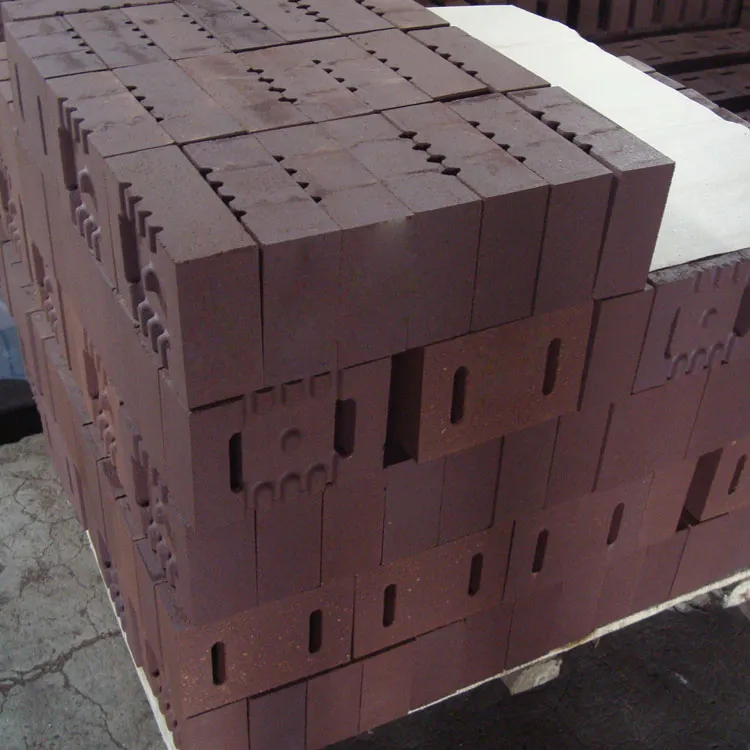
Magnesium-chrome refractory bricks combine high-purity magnesia (MgO) and chromite (FeCr₂O₄) in precise proportions, typically ranging from 60-80% MgO content depending on application requirements. The manufacturing process involves careful selection of raw materials, followed by pressing and sintering at temperatures exceeding 1700°C to form a dense microstructure. This production methodology ensures the material can withstand continuous operating temperatures up to 1800°C and intermittent peaks approaching 2000°C.
"The silicate bonding mechanism in Sunrise magnesium-chrome bricks creates a unique microstructure that balances thermal conductivity with expansion properties, resulting in 30% higher thermal shock resistance compared to conventional alumina-silica refractories."
Thermal shock resistance—the material's ability to withstand rapid temperature changes without fracturing—relies on three key properties: coefficient of thermal expansion (CTE), thermal conductivity, and modulus of rupture. Magnesium-chrome bricks typically exhibit a CTE ranging from 8-10 × 10⁻⁶/°C, combined with thermal conductivity values between 3-5 W/m·K, creating an optimal balance for cyclic temperature environments.
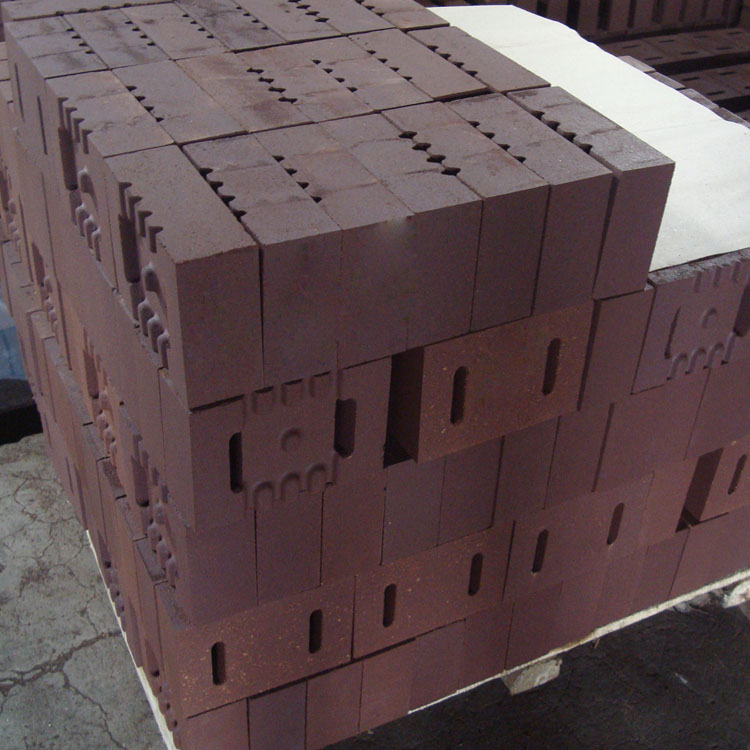
During thermal cycling, the silicate bonding phase in these bricks acts as a buffer against thermal stresses. Laboratory testing has demonstrated that properly formulated magnesium-chrome bricks can withstand temperature differentials of up to 800°C without significant structural degradation, maintaining more than 85% of their original strength after 50 thermal cycles between 200°C and 1200°C.
When selecting refractory materials for chemical reactors, engineers must evaluate not only thermal shock resistance but also chemical compatibility with process media. Magnesium-chrome bricks offer exceptional resistance to alkaline environments, acidic slags, and molten metals, making them suitable for diverse chemical processes including sulfuric acid production, ethylene cracking, and hydrogenation reactions.
In a recent application at a large-scale petrochemical facility, Sunrise magnesium-chrome bricks were installed in a naphtha cracking furnace operating with temperature cycles between 300°C and 1450°C. The refractory lining maintained integrity for 3.5 years, representing a 40% extension over the previous alumina-silica brick installation. Post-inspection analysis revealed minimal spalling and erosion, even in the critical radiant section where thermal gradients are most severe.
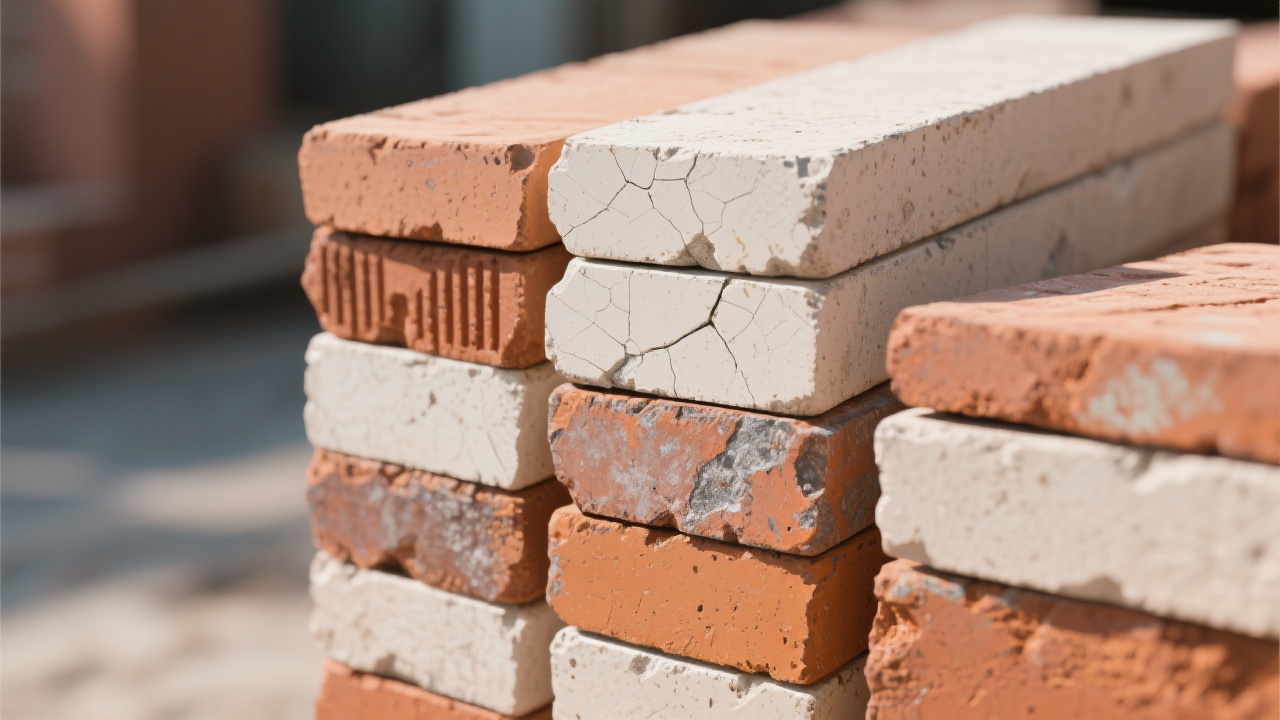
Another case study involving a sulfuric acid plant demonstrated similar performance benefits. The reactor, operating at 1000°C with frequent start-stop cycles, showed only 2mm of wear after 24 months of operation using corrosion-resistant magnesium-chrome bricks, compared to 8mm wear observed with traditional refractory solutions.
Proper installation significantly impacts the thermal shock performance of magnesium-chrome brick linings. Recommended practices include:
Regular maintenance inspections should include thermal imaging to detect hot spots, ultrasonic testing to identify internal cracks, and visual examination for spalling or erosion. Proactive repair of minor damage can extend lining life by 25-30% compared to reactive maintenance approaches.
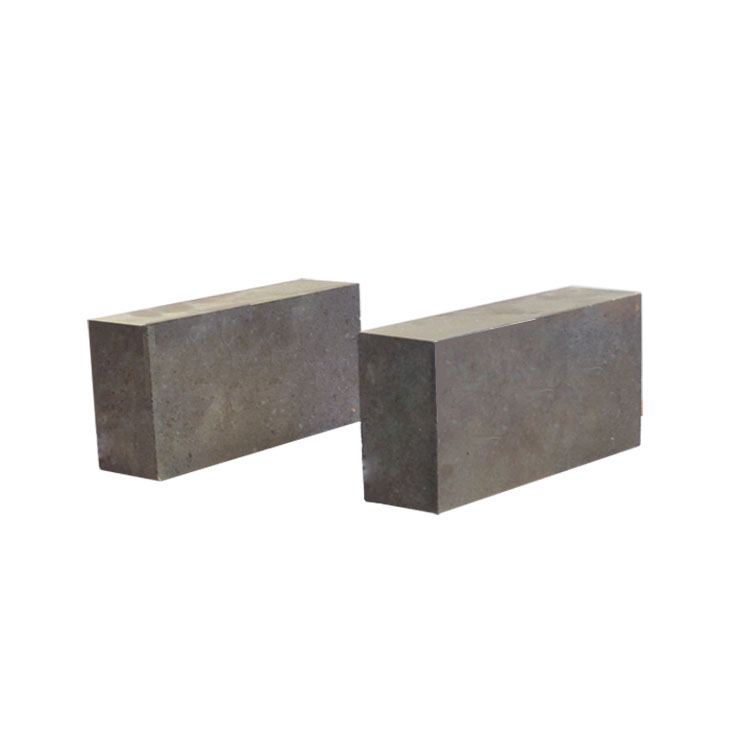
Understanding the precise thermal shock requirements of your specific application is critical to selecting the right refractory solution. Our team of materials engineers can conduct comprehensive thermal analysis and provide customized recommendations based on your operating parameters.